
Exploring the heritage woven into infrastructure design

19 April 2024
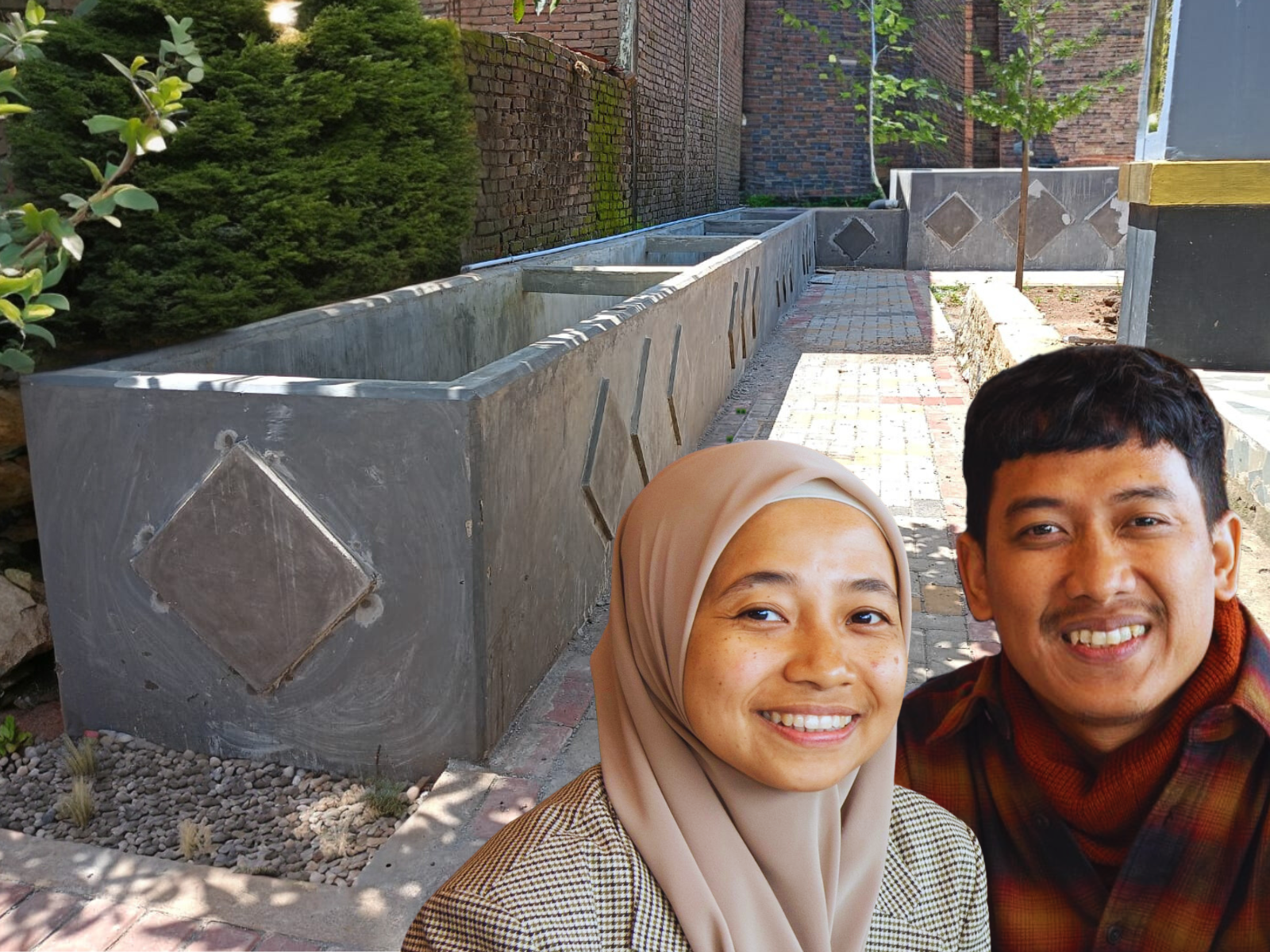
Etched onto road pavers and wetland walls of the RISE settlements in Makassar, Indonesia, are diamond shapes and contrasting red and yellow hues. These patterns, which may seem like mere adornments to the untrained eye, carry a profound narrative of tradition, community, and resilience.
RISE architect and community facilitator, Nur Intan Putri, plays a pivotal role in blending culture and functionality within the infrastructure design.
Through the diamond-shaped motifs adorning road pavers, Intan narrates a tale of Sulapa Appa (four sides) — a philosophy deeply rooted in Makassarese and Buginese cultures. Sulapa Appa is a classical belief that symbolises the universe's composition as being wind, fire, water and earth.
Despite the challenges posed by the pandemic, where it wasn’t possible to meet communities on-site and exchange ideas for the designs of the wetlands, Intan and the team continued to meticulously craft patterns inspired by Sulapa Appa, into the infrastructure design as a homage to local heritage.
“We tried to develop some patterns from the Sulapa Appa and applied it on the pavers. For the wetlands we used a simple one because we want the community to continue the design. In the future they can add murals or put some tiles on it,” Intan explains.
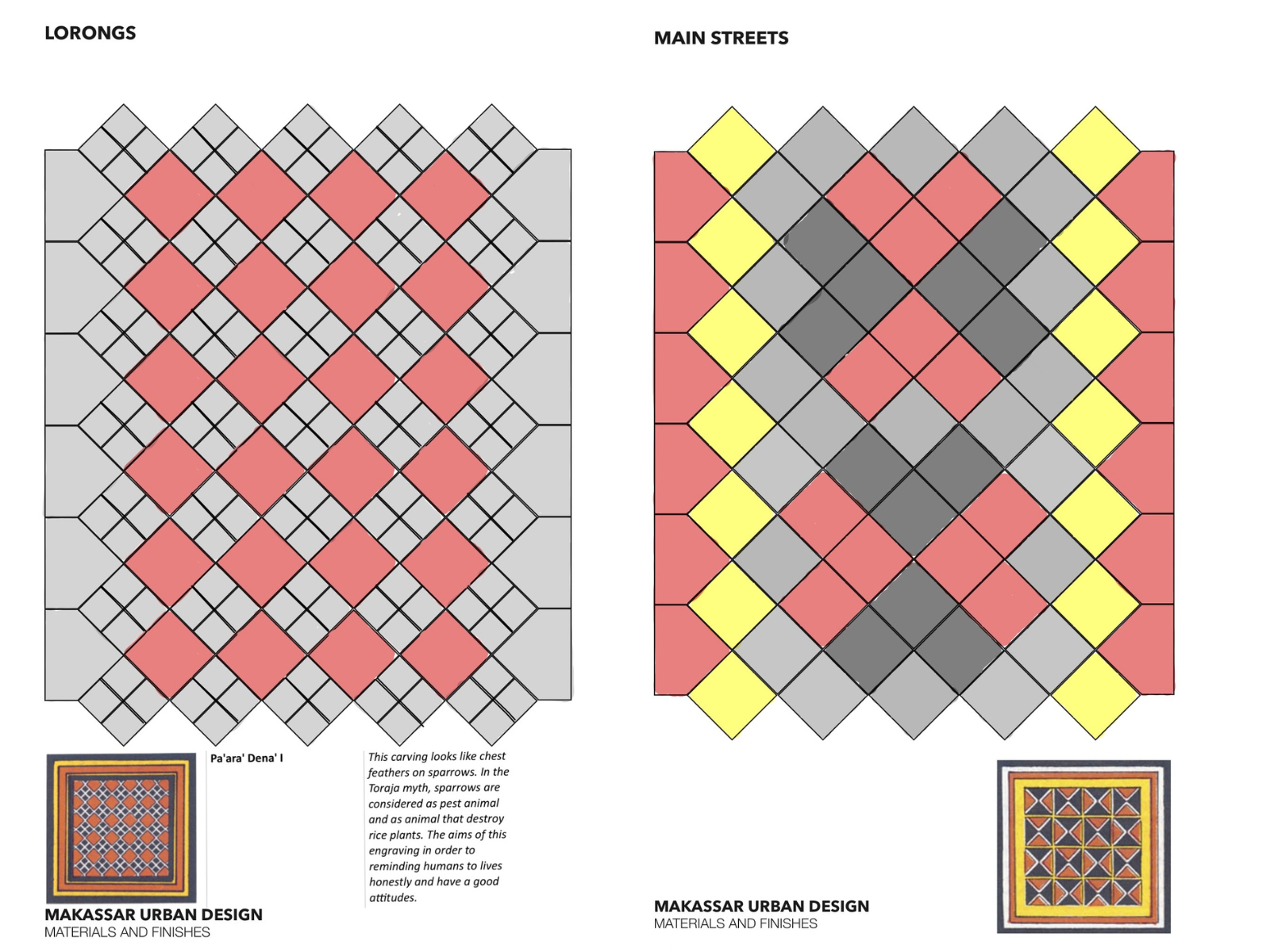
Concept designs of the pavers in Makassar. “Lorong" is the Bahasa word for a lane or alley,
or a narrow street in a city etc (usually not wide enough for vehicles).
Fellow RISE architect and community facilitator, Noor Ilhamsyah, highlights the deliberate integration of these ornaments into public spaces, ensuring a harmonious blend with the surroundings.
“The pattern is used to demonstrate respect for ethnic minorities in the city of Makassar, where the Makassarese and Buginese groups dominate,” Ilhamsyah says.
These designs echo the diverse tapestry of the cultural identity of South Sulawesi, a province on the island of Sulawesi, Indonesia.
The journey towards cultural rejuvenation is not without its challenges. Illhamsyah recounts moments where young community members and Torajans - an ethnic group indigenous to a mountainous region of South Sulawesi, Indonesia, expressed unfamiliarity with their own heritage.
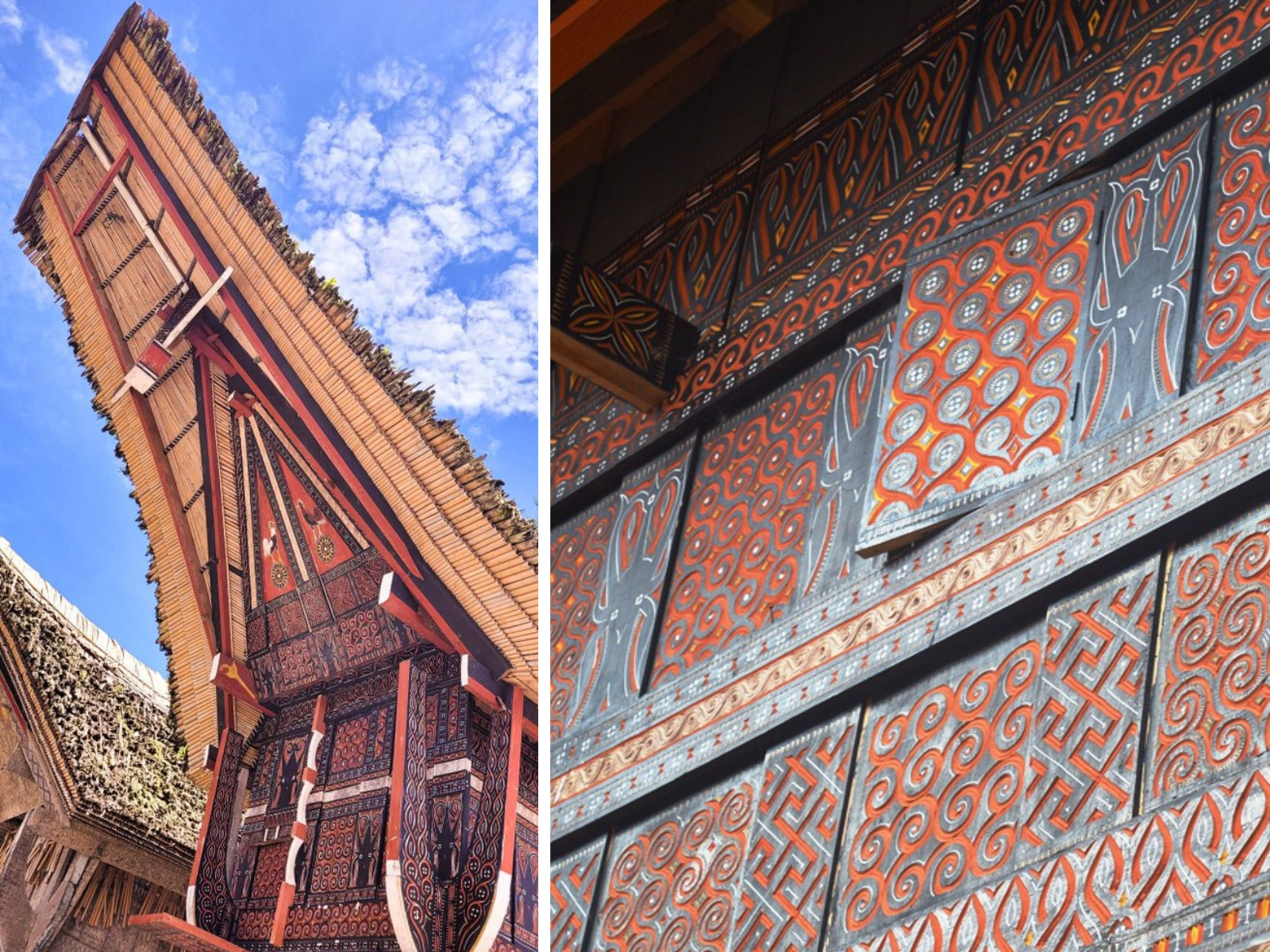
A traditional Torajan house with a carved pattern.
Yet, these instances served as catalysts for cultural reawakening, sparking conversations and reconnecting communities with their roots.
Beyond aesthetics, functionality remains paramount in design deliberations. Illhamsyah explains how the Torajan ornaments serve a dual purpose: besides paying homage to tradition, they also fulfil practical needs. Placed strategically near vital infrastructure, they serve as visual cues, with the red and yellow colours on the patterns serving as a caution to motorists and safeguarding against potential hazards.
Guided by residents, and through the lens of our architects and community facilitators like Intan and Ilhamsyah, cultural considerations have become a fundamental guiding principle of the RISE approach. These considerations have shaped decisions and details in the design and construction of our infrastructure, ensuring that each project not only serves its practical purpose, but also becomes a reflection of the community it serves.
Cover image: RISE architects and community facilitators Nur Intan Putri (left) and Noor Ilhamsyah (right) with diamond pattern on wetlands in Makassar.