
Videography of pathways for enteric pathogen exposure among children in urban informal settlements in Fiji and Indonesia
Read the paper: Taruc, R.R., Barker, S.F., Fleming, G.F., Johnson, J., Luby, S.P., Ansariadi, A., Tela, A., Zhong, S., Kwong, L.H., Leder, K., & RISE consortium. 2026,. BMC Public Health
Summary By Ruzka Taruc
Children in urban informal settlements face an increased risk of exposure to harmful gut microbes (enteric pathogen) when access to clean water and sanitation is limited. While putting hands and objects in the mouth is a natural part of how children explore, in these environments, this universal behaviour becomes a pathway for ingesting these microbes.
Transmission through contaminated fingers, food, and objects (known as the F-pathways) is well established, but understanding the specific behaviours and environments that lead to contamination is essential because young children are highly susceptible to gut infections, and mapping these risks is the first step toward creating effective health interventions that protect them.
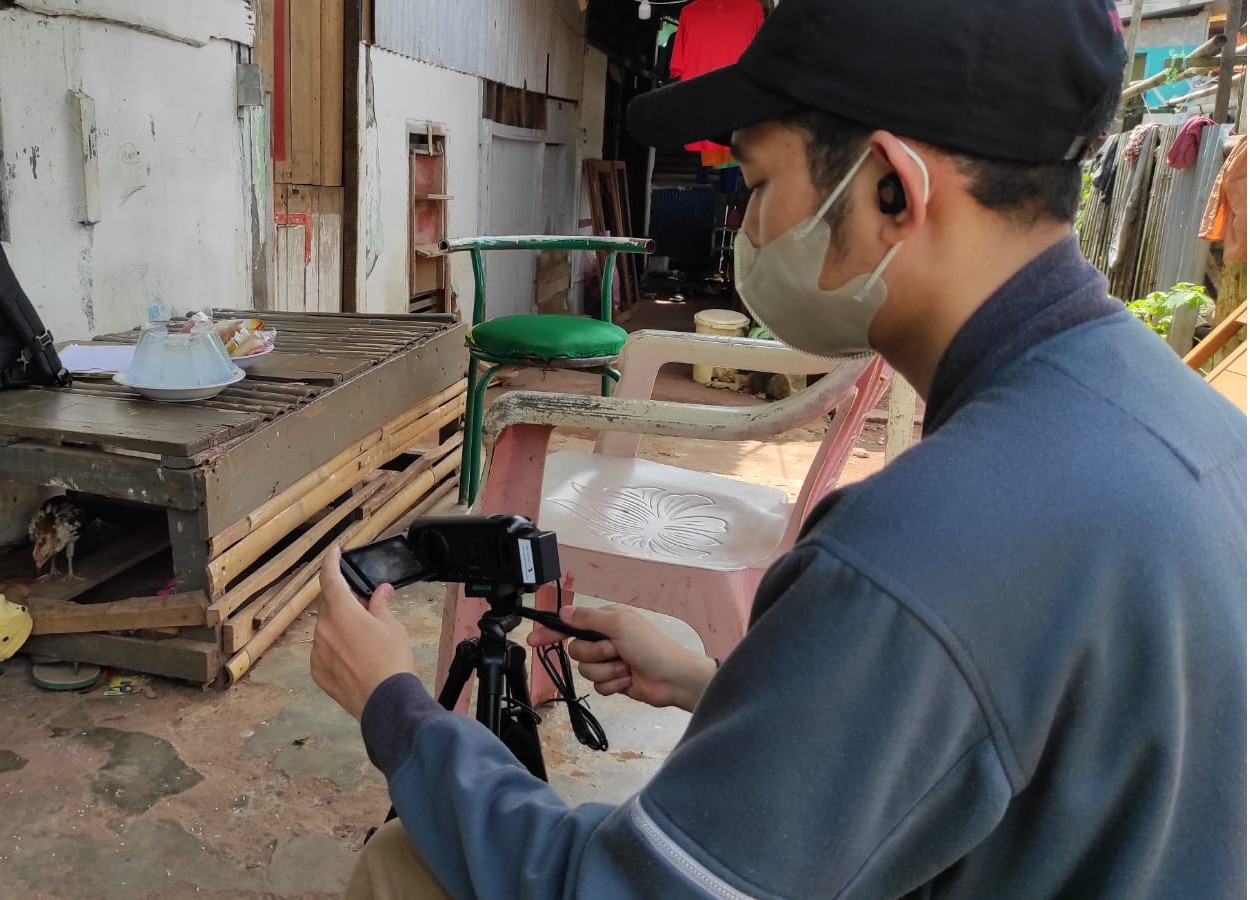
As part of the RISE program, this study observed 192 children under five years old in Makassar, Indonesia, and Suva, Fiji, using video recording to capture what children put in their mouth alongside their location and proximity to exposure risks like animals, faeces, and open water sources like puddles, canals, or rivers.
The findings show that children in both countries mouthed objects frequently, averaging 68 contacts per hour, primarily involving their own hands, food, and everyday inanimate objects. While mouthing occurred in various locations, children often mouthed items while playing outdoors, where they were more likely to encounter high-risk contexts. More than two-thirds of children were observed near faeces, in contact with environmental water, or most commonly, near animals. Notably, children continued to mouth common items like hands and food while in these high-risk settings.
These findings suggest that exposure risk is driven both by direct contact with hazardous objects and by repeated mouthing of everyday items (hands, food, surfaces) that may become contaminated through a child’s surroundings.
Future research should prioritise contextual indicators, where children are and what is around them when they are mouthing, rather than focusing solely on specific objects touched or mouthed. Understanding these environmental contexts will be crucial for developing interventions that reduce children’s exposure risk.