Mosquito risk in informal settlements
Read the paper: Ramsay, E., Faber, P., et al. 2025, Environmental Research Letters

Summary
By Emma Ramsay
People living in informal settlements often face a high risk of mosquito-borne diseases, but there’s limited evidence on what drives mosquito numbers in these areas.
This study, led by the RISE program, looked at mosquito populations in informal settlements in Makassar, Indonesia and Suva, Fiji over six years. Researchers trapped and identified more than 90,000 mosquitoes to understand what factors influence mosquito abundance.
They found that temperature, rainfall and access to water all play a role. But not all mosquitoes respond the same way. For example, having piped water can reduce the number of Aedes aegypti, the main mosquito that spreads dengue, but increase numbers of Culex quinquefasciatus, which spreads other diseases.
The results show that changes to the environment, like upgrading infrastructure, can shift mosquito risks in different ways. Programs like RISE can use these findings to guide settlement upgrades that help reduce mosquito populations. But they also need to be careful not to increase risk by accident. For example, more buildings can make an area hotter, which may attract more mosquitoes.
This research provides rare, long-term data from informal settlements, and gives new insights into how mosquito numbers change over time. The findings can help support healthier, safer upgrades for at-risk communities.

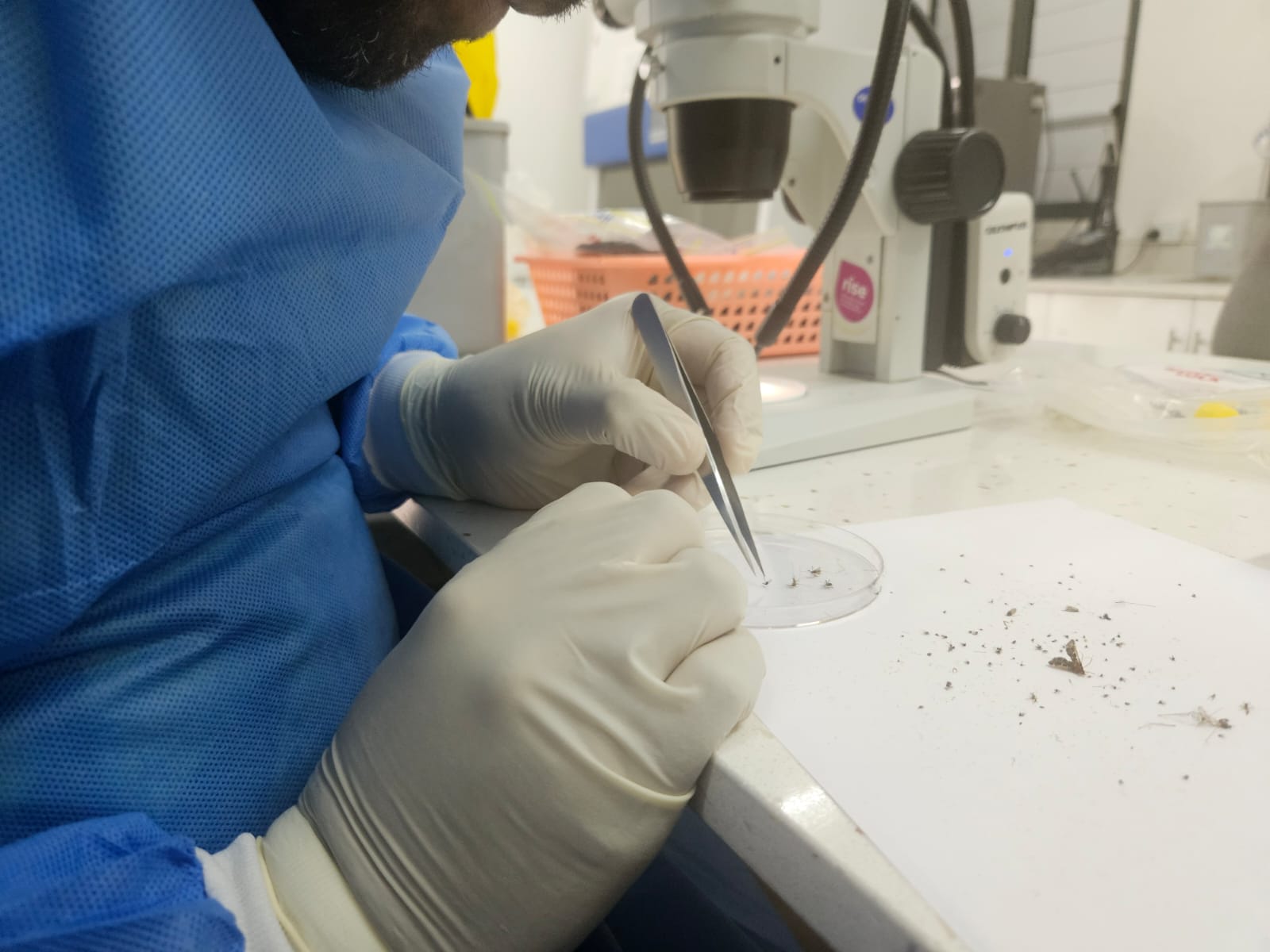
Laboratory Scientist Revoni Vamosi counts and identifies mosquitoes in the RISE lab in Suva, Fiji.