The unseen climate health risks of antimicrobial resistance in urban informal settlements
Read the commentary: Leder, K., Davis, B., Barker, F., et al. 2025, Nature Medicine

Summary
By Karin Leder
Over a billion people live in informal settlements in developing cities, where they lack basic infrastructure like clean water and sanitation. These communities are often located in flood-prone areas, making them vulnerable to climate change impacts such as more frequent storms, heatwaves, and rising sea levels. Beyond these physical dangers, residents face numerous health risks due to poor living conditions, including inadequate sanitation, flooding, and poor housing.
RISE has been exploring these challenges over six years in Makassar, Indonesia, and Suva, Fiji. Our findings reveal a "perfect storm" of health risks in these communities. Poor sanitation allows faecal waste to contaminate the environment, while flooding spreads these contaminants around a neighbourhood. Limited access to clean water, poor-quality housing, and exposure to animals and insects further increase health risks. Residents, especially children, are repeatedly exposed to pathogens, leading to illness and long-term health issues like anaemia and stunted growth.
Climate change worsens these conditions, as rising temperatures promote the growth of many harmful microbes, including bacterial pathogens. Additionally, informal settlements are hotspots for the spread of antimicrobial resistance (AMR), as lack of sanitation and high use of antibiotics contribute to risks of resistant bacteria.
These communities are largely ignored in global health studies and policies, despite their potential to spread drug-resistant infections. With urban informal settlements expected to grow rapidly in the coming decades, urgent attention is needed to address the health risks they face, and to develop strategies to combat AMR and improve living conditions.

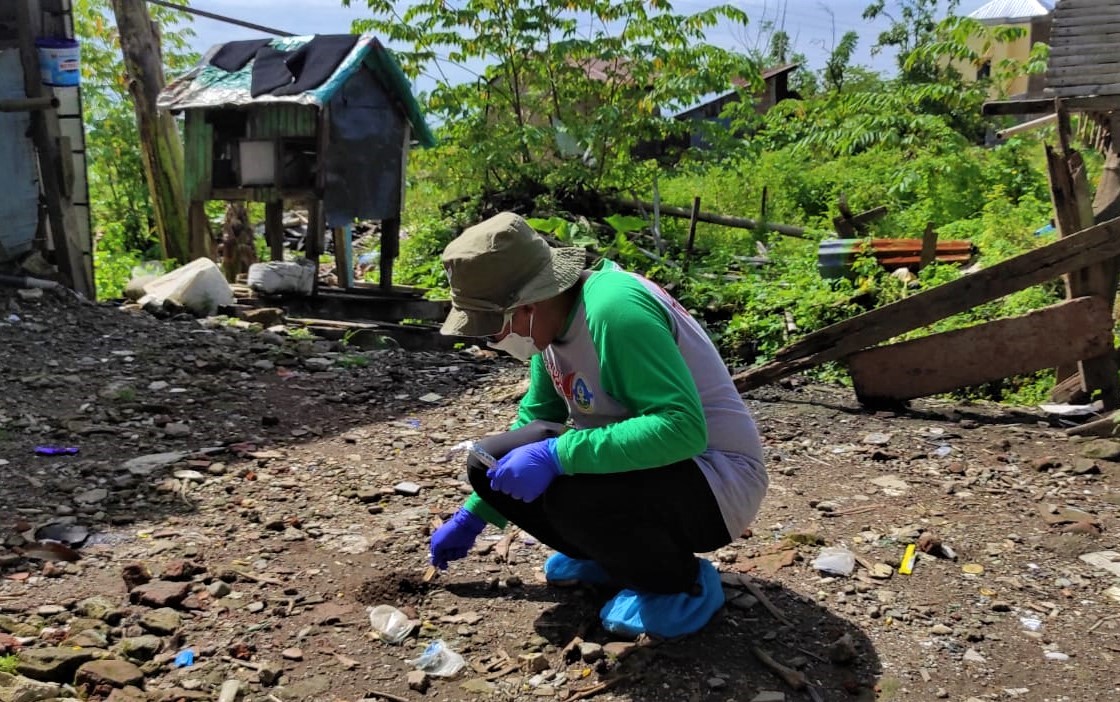
Over six years conducting surveys and collecting environmental samples in informal settlements in Indonesia and Fiji, RISE has
gained deep insights into the multiple adversities and health challenges facing these settlements.