REFLECTING ON WATER & SANITATION INFRASTRUCTURE
A toolkit for promoting inclusive participatory design of water and sanitation infrastructure in urban informal settlements #ReflectOnWASH
Supported by the Australian Government’s Water for Women Fund. Jump to Downloads.






This toolkit aims to stimulate an increase in quality, inclusiveness, and sustainability in water and sanitation infrastructure projects in urban informal contexts. Such projects need to be more participatory, codesigned with participants with diverse knowledge and lived experience. They also need to be more inclusive, following the principles of LEAVE NO ONE BEHIND and DO NO HARM. These things are hard to do, hence a toolkit to help.
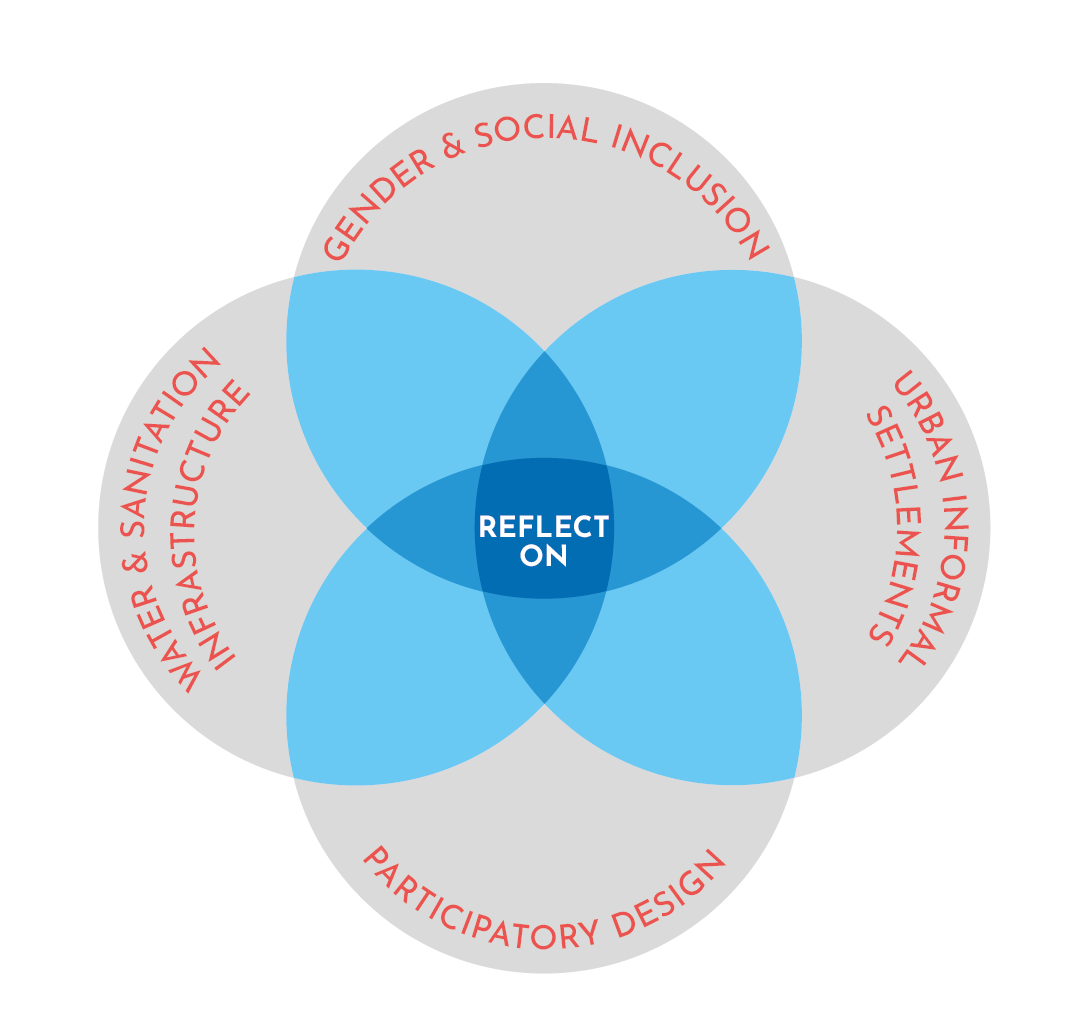
The toolkit is a starting point for practitioners as they plan and implement a participatory approach in designing water and sanitation infrastructure projects. It is positioned at the intersection of participatory design, gender and social inclusion, water and sanitation infrastructure and urban informal settlements.
Rather than offering a set of step-by-step instructions, it presents a series of questions to help practitioners develop a reflective practice about the socio-cultural dimension of water and sanitation infrastructure planning. These questions are connected to practical examples of lessons learned in the RISE Program and to existing high-quality guidelines, toolkits and other resources on gender and socially inclusive processes, participatory design, and water-sensitive approaches to city development.
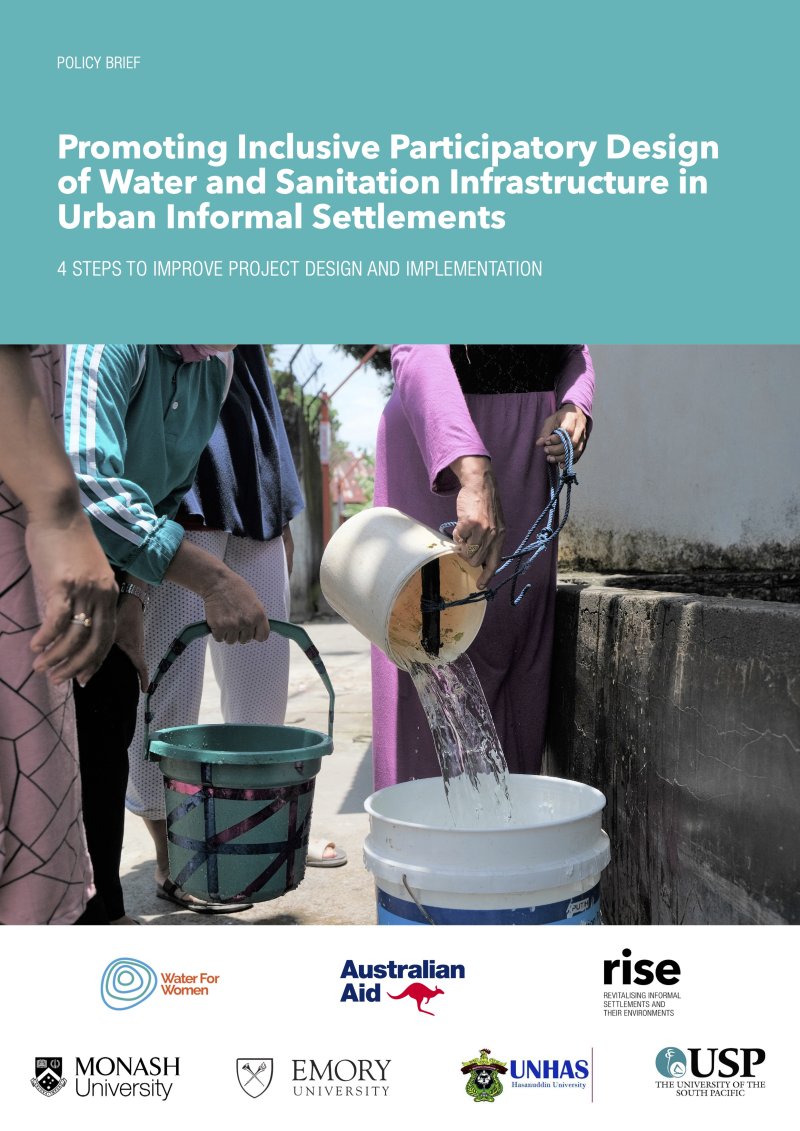
Complementing the toolkit, we have also developed a policy brief specifically for donors, funders, governments and policy-makers to enable them to commission participatory design of water and sanitation infrastructure, in an inclusive way:
Promoting Inclusive Participatory Design of Water and Sanitation Infrastructure in Urban Informal Settlements: 4 steps to improve project design and implementation
Why is reflective practice important in this work?
Why is gender and social inclusion so important to WASH?
Why is participatory design so important in WASH?
You can use this toolkit for different purposes, depending upon your role and knowledge.
Are you a WASH practitioner who has existing knowledge or expertise in gender and social inclusion and/or participatory design? | Are you a resident of an urban community where there is a water and sanitation project happening? | Are you a donor or funder or policy-maker for a water and sanitation project? |
How does the toolkit reflect Pacific values?
Be inclusive.
In this booklet we refer to GESI, which is short for “gender equality and social inclusion”. Every person experiences the world in a unique way, based on their identity and circumstances. This toolkit acknowledges the great diversity of lived experiences, including living with disability – an ongoing (visible or invisible) condition of the body or mind that makes certain activities and interactions difficult. It also includes a person’s individual sense and experience of their gender (male, female or nonbinary, etc.) and sexual orientation (bisexual, homosexual, heterosexual, queer), among a number of other types of lived experiences. In addition to this diversity, the toolkit is based on intersectionality – the understanding that inequalities and oppression are dependent on overlapping identities and experiences.
Address marginalisation.
When groups or individuals with certain identities or lived experiences are marginalised, they experience disproportionate difficulty in participating in society or accessing resources and opportunities, as compared to other groups. Marginalisation occurs both intentionally and unintentionally, and at multiple levels of society. In WASH it includes, for example, girls dropping out of school due to inadequate access to sanitation facilities for managing their menstrual cycles, sanitation facilities that are not disability-accessible barring people with disabilities from safe sanitation practices, or low-income neighbourhoods not having access to tap water. Vulnerability refers to characteristics or systems that put groups or individuals disproportionately at risk of harm. Marginalised groups are also often vulnerable to harm from disease, natural disasters, or social unrest/political instability.
Transformation starts with ourselves.
Practitioners need to reflect on their own – and their team’s – beliefs and ways of working; and they need to consider the consequences of their actions upon those around them. Much of the water and sanitation infrastructure or technology installed during humanitarian or development projects comes from high-resource settings and is often – mistakenly – seen by implementers as “neutral” or “apolitical”. But when individuals or groups with certain identities are left out of the design process, practitioners run the risk of designing “solutions” that don’t work for everyone and may actually cause harm. Gender and socially inclusive participatory design of WASH infrastructure helps practitioners identify their assumptions about what a community needs, prevents putting marginalised groups or individuals at increased risk, and ultimately improves project outcomes and sustainability through community engagement and ownership.
Invest in co-learning.
Mutual knowledge exchange between local residents and those responsible for delivering water and sanitation infrastructure ensures that the infrastructure is fit for purpose and delivers value for money. Inclusion is sustainability; inclusive participatory design of water and sanitation infrastructure means that a broader cross-section of the community invests in using and maintaining the infrastructure over a longer time.
Do no harm.
Supporting meaningful participation is critical to doing no harm. It refers to making a conscious effort to ensure that no negative consequences occur to anyone – including unintended consequences. Programs designed to transform social norms can foster backlash and violence directed at the very people the program intended to support. Do No Harm requires an organisational commitment and capacity to understand and respond to impacts of water and sanitation infrastructure design and implementation upon those affected. This includes reviews of approaches, tools, processes and systems, in order to minimise context-specific risks of harm and to promote GESI and monitoring and accountability mechanisms.
Leave no-one behind.
Safe and equitable access for all to water, sanitation and hygiene is considered an important right in itself. A “rights-based approach” to WASH incorporates key civil, political, economic, social and cultural human rights into provision of WASH services, including rights to non-discrimination, equality, water, sanitation, health, housing, Indigenous self-determination and meaningful participation. Leaving No One Behind in WASH delivery means recognising each person’s human right to water and sanitation and acting to decrease inequalities between different groups and populations as quickly and effectively as possible. But it also relates to the effectiveness and sustainability of water and WASH interventions, i.e. harnessing the capacities and knowledge of all in communities.
Our Research
This toolkit is a result of the generous involvement of several thousand children and adults from Fiji, Indonesia and Australia, in designing a decentralised water-sensitive infrastructure system, as part of the Revitalising Informal Settlements and their Environments (RISE) Program. They shared their time, knowledge, fears, doubts, hopes and excitement with each other and with teams of researchers and practitioners. Without their thoughts, voices and actions, this toolkit would not be in front of you.
Recommendations are based on quantitative and qualitative research focused on the implementation and impacts of inclusive participatory design activities in RISE. Methods included ethnography and design research undertaken during designing events, as well as surveys and interviews with residents in 12 urban informal settlements in Fiji and Indonesia, as well as with staff members. It was undertaken by RISE and Water for Women team after the design process was finished.
The research was focused on 24 settlements in Makassar (Indonesia) and Suva (Fiji) where water and sanitation infrastructure was designed in a participatory way. They are different in size, position within water catchment, social and cultural characteristics, etc. The toolkit is developed through learning from this context.
What was the process of making this toolkit like?
Analysing the design process, evaluating its inclusiveness, and distilling this knowledge into a toolkit was a collaborative process in itself. Experts in public health, gender, law, water-sensitive cities infrastructure, and participatory design took part in 11 workshops from which the structure and content emerged. The team has learned a lot in this process, especially about the importance of enabling open, emergent processes to reveal the plurality of views and integrate them through design outputs. Rather than creating a fixed framework, the team envisaged this toolkit as a starting point for explorations of diversity within and around themselves.
The toolkit
This toolkit is primarily for WASH practitioners, particularly those working in the context of urban informal settlements. “WASH practitioners” include individuals, organisations and institutions who play a central role in the planning, design, engagement, maintenance, operation and/ or administration of water and sanitation infrastructure. WASH practitioners might be working in non-governmental organisations, civil society organisations, government, consultancies or companies. WASH teams are interdisciplinary, and often include experts in engineering, humanities and social sciences.
Throughout this booklet, practitioners are continuously invited to re-view and re-do things differently, to experiment, reflect, cultivate creativity, and define their ethical positioning. This toolkit will also be useful for donors, funders, governments and policy-makers and residents of urban communities where a water and sanitation project is underway.
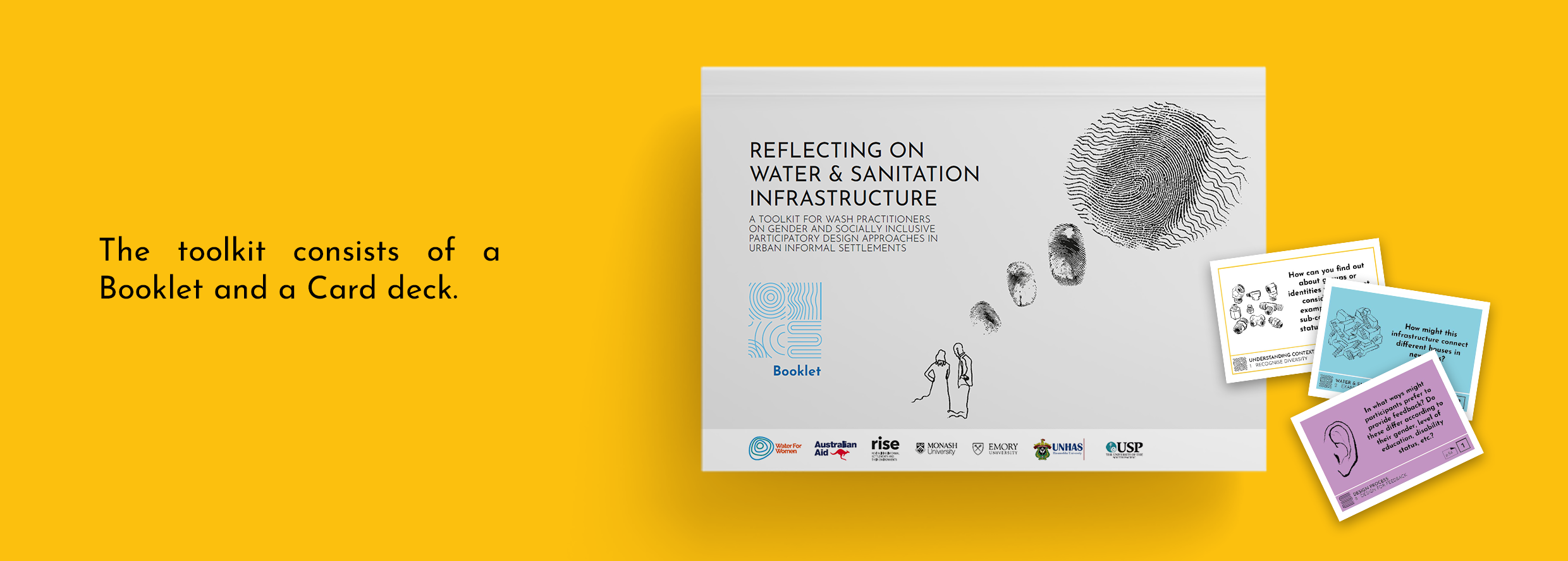
The Booklet is designed to be used flexibly and creatively. Its use will vary depending on the type of project, the socio-cultural and physical context, the timeframe, the reader’s position in the
project, etc. It provides principles, examples of good practice, and reflective questions to help practitioners understand their project from different perspectives. It can help readers gather ideas and adapt them according to specific needs and situations. These tools are complementary; each unwraps an aspect of the participatory design process that impacts inclusion in water and sanitation projects. Therefore, they should be used in combination and simultaneously, and not in a specific order. Different parts of the booklet may be more relevant to the project than others.
The Card deck can be printed and used in everyday discussions within the design team. The aim is to generate frequent conversations between team members with different knowledge, and enable them to learn from each other.
These cards correspond to the REFLECTIVE QUESTIONS of each tool in the Booklet. The cards should be used as guides and prompts for discussing certain aspects of the project and participatory approaches to designing.
Each tool is accompanied by:
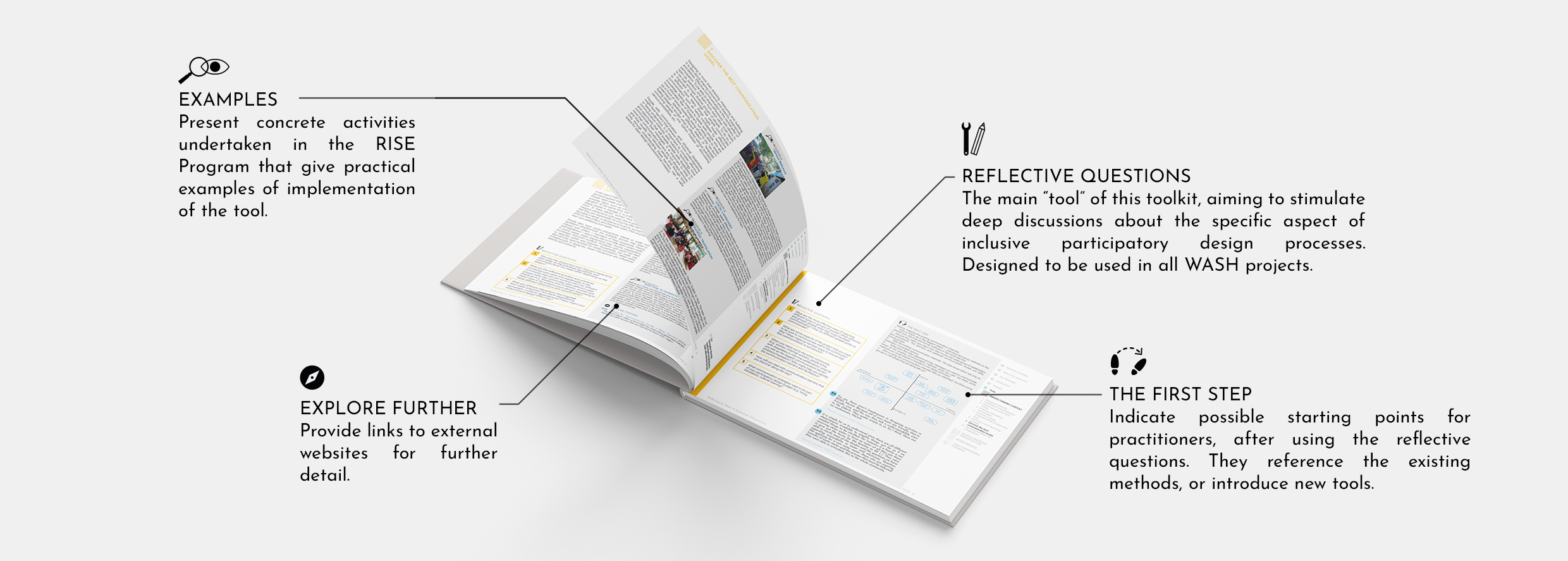
All tools are organised in four categories:
Understanding context – tools that analyse how the specifics of a context (i.e., the project setting and the physical and social factors that make up that setting) influence participatory design approaches and water and sanitation infrastructure outcomes.
Water and sanitation infrastructure – tools that examine the properties of water and sanitation systems; this analysis opens up the design process, allowing participants with diverse knowledges and experiences to take part in making design decisions.
Design process – tools that guide through the specific components of the infrastructure design process, showing how to achieve better inclusivity.
Team composition and dynamics – tools that explore inclusive and participatory strategies within the WASH design teams.
How to use the card deck
Webinar launch: Towards inclusive design of WASH infrastructure in informal settlements
On 24 June 2022, RISE held a global launch of a toolkit and policy brief on how to use participatory design to make water and sanitation infrastructure more inclusive and fairer.
Downloads
 Download the Toolkit Booklet in English Download the Toolkit Booklet in English |  Download the Toolkit Booklet in Indonesian Download the Toolkit Booklet in Indonesian |
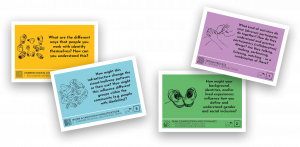 Download the Card Deck in English Download the Card Deck in English | 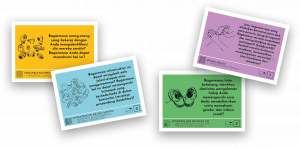 Download the Card Deck in Indonesian Download the Card Deck in Indonesian |
| |
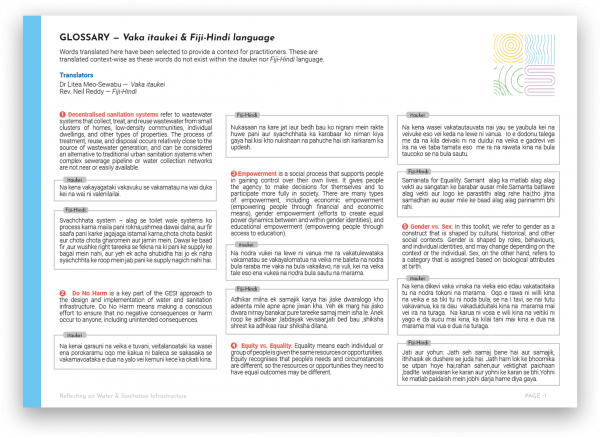
Publications
Salinger et al. (2024) “People are now working together for a common good”: The effect on social capital of participatory design for community-level sanitation infrastructure in urban informal settlements. World Development.
Francis et al. (2023) Key mechanisms of an intersectional gender and socially inclusive community engagement and participatory design approach in the RISE program in Makassar, Indonesia and Suva, Fiji. PLOS Water.
Francis, N. (2023) Mechanisms for engagement of diverse people in participatory design for urban WASH, Indonesia and Fiji. UNC Water & Health Conference, USA.
Marzaman, L. and Thaggard, J. (2023) Making participatory design inclusive: Including diverse residents in water and sanitation infrastructure design. Water and WASH Futures Conference, Australia.
Charles et al. (2023) Joint food and water insecurity had a multiplicative effect on women’s depression in urban informal settlements in Makassar, Indonesia during the COVID-19 pandemic. The Journal of Nutrition.
Prescott et al. (2022) Promoting Inclusive Participatory Design of Water and Sanitation Infrastructure in Urban Informal Settlements: 4 steps to improve project design and implementation. Monash University, Emory University, Universitas Hasanuddin and University of the South Pacific.
Francis et al. (2022) Key mechanisms of an intersectional gender and socially inclusive community engagement and participatory design approach in the RISE program in Makassar, Indonesia and Suva, Fiji. PLOS Water.
Salinger, Allison. (2022) The relationship between participatory community engagement and social capital in the context of a water-sensitive cities intervention in urban informal settlements. 2021 UNC Water & Health Conference, USA. Abstract
Spasojevic, D. (2021) Entangled with Water: Participation and design of water and sanitation infrastructure in Indonesia. PhD Thesis, Monash University.
Wolff, E. et al. (2021) Collaborating with communities: Citizen science flood monitoring in urban informal settlements. Urban Planning 6,4.
RISE Water for Women Team
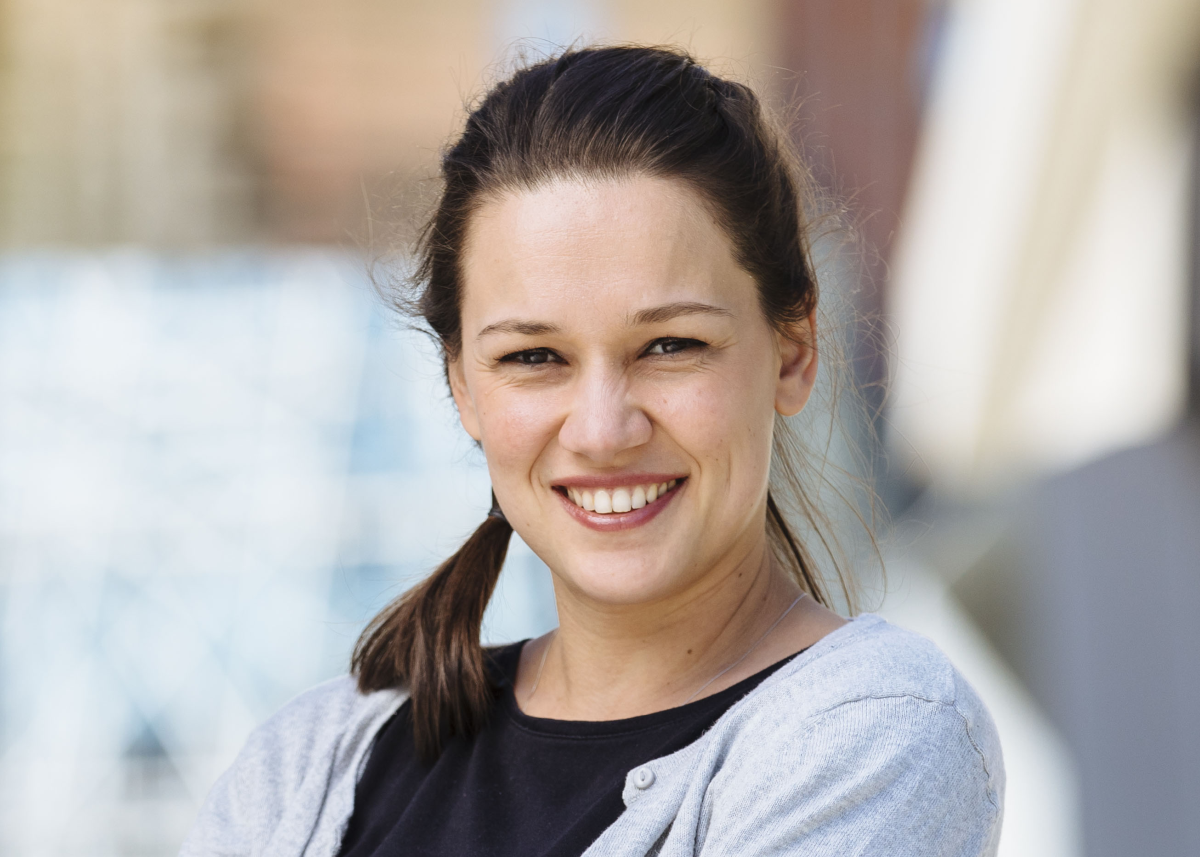 Dr Dasha Moschonas is an architect and urban designer, curious to test and discover sustainability in places and design processes. Specialised in participatory design, she works on infrastructure, public spaces and inclusivity, and is passionate about nature-based infrastructure design.
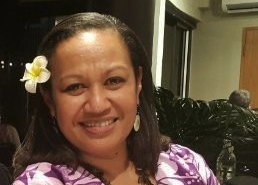 Dr Litea Meo-Sewabu is a former Social Work Lead at the University of the South Pacific in Suva, Fiji, where she led the qualitative data collection. Currently, an academic at the University of Sydney and an Adjunct Fellow at Western Sydney University, Australia.
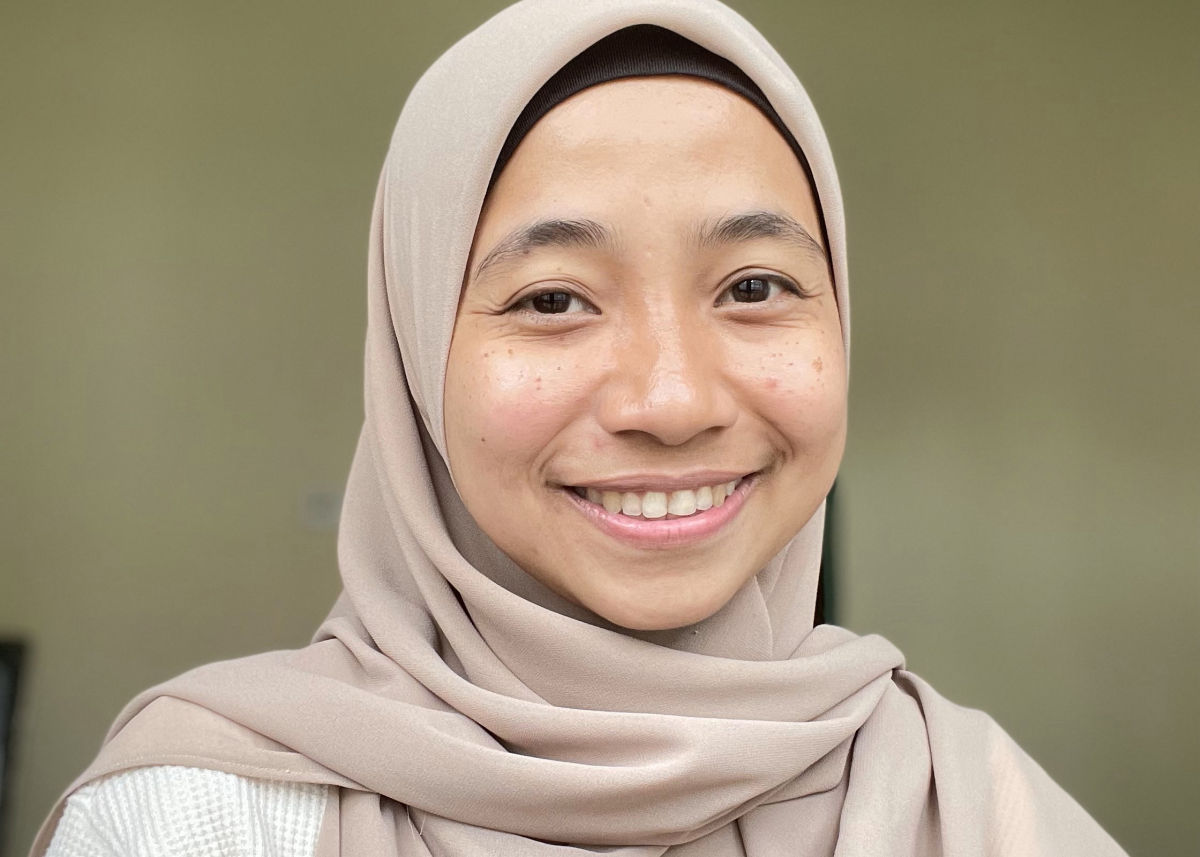 Nur Intan Putri is an architect and design practitioner with passion in sustainable and green infrastructure. Following her studies at Hasanuddin University and work experience in design consulting, she is currently working with RISE research project as an Architect/ Community Facilitator focusing on community-based participatory approaches and nature-based infrastructure design.
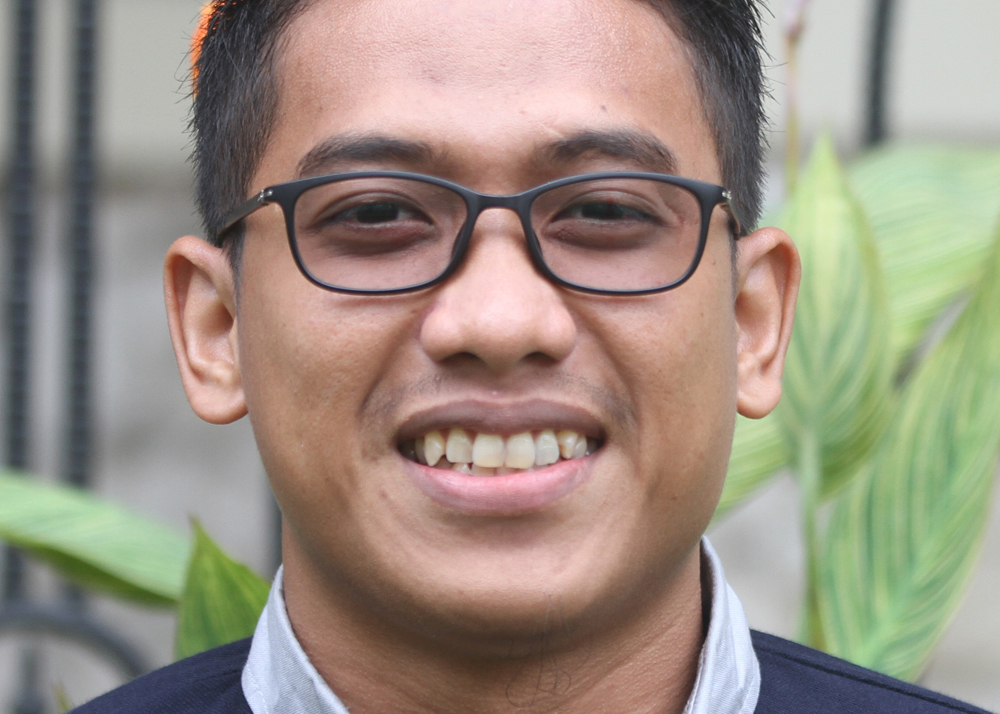 Noor Ilhamsyah graduated from Hasanuddin University, pursued a research way in architecture degree, and has worked as an architect and design consultant in several firms and projects in Sulawesi, Indonesia. He currently works as an architect who engages communities to be actively involved in the design and construction processes within RISE.
 Dr Michaela Prescott is a Landscape Architect and researcher at the Informal Cities Lab at Monash University. Her research focuses on the socio-cultural dimensions of landscapes, and the evolving relation of landscape, infrastructure and urbanisation. Her practice-based research relates to the urbanisation of water systems, the impact of infrastructure on neighbourhoods and communities, and delivery and sustainability of community-based projects.
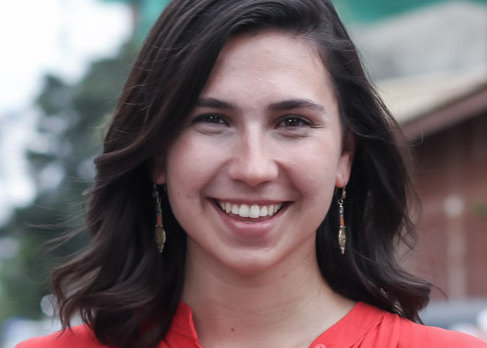 Allison Salinger holds an MPH in Global Health and a specialization in Water, Sanitation, and Hygiene from Emory University. She has worked within NGOs and academic institutions to conduct research and evaluations of community-based WASH interventions with a particular focus in gender and social constructs that facilitate collective action around WASH.
 Isabel Charles holds an MPH in Global Health with a concentration in Infectious Diseases and WASH from Emory University's Rollins School of Public Health. She has over 6 years of experience working in global public health advocacy and bioscience education initiatives. During her time in graduate school, she worked as a graduate research assistant with the RISE Water for Women project, supporting research on the intersection of social capital, gender, community development, and WASH.
 Audra Bass is a Masters of Public Health student at Emory University with a Global Environmental Health Concentration. After completing her biology undergraduate degree, she spent two years in Tsachopen, Peru, working on WASH projects in a small community.
 Dr Becky Batagol is an Associate Professor of Law at Monash University. She is a socially engaged academic whose work has real impact in the world, especially in relation to both gender and family violence. Her academic practice centres on tackling difficult social problems and considering whether we can improve people’s lives through law and policy reform.
 Dr Naomi Francis is a Research Fellow at the Monash Sustainable Development Institute (Monash University). She has 10 years’ experience working as a researcher, engineer and educator in water, sanitation and hygiene (WASH), gender and community development and Australian water management.
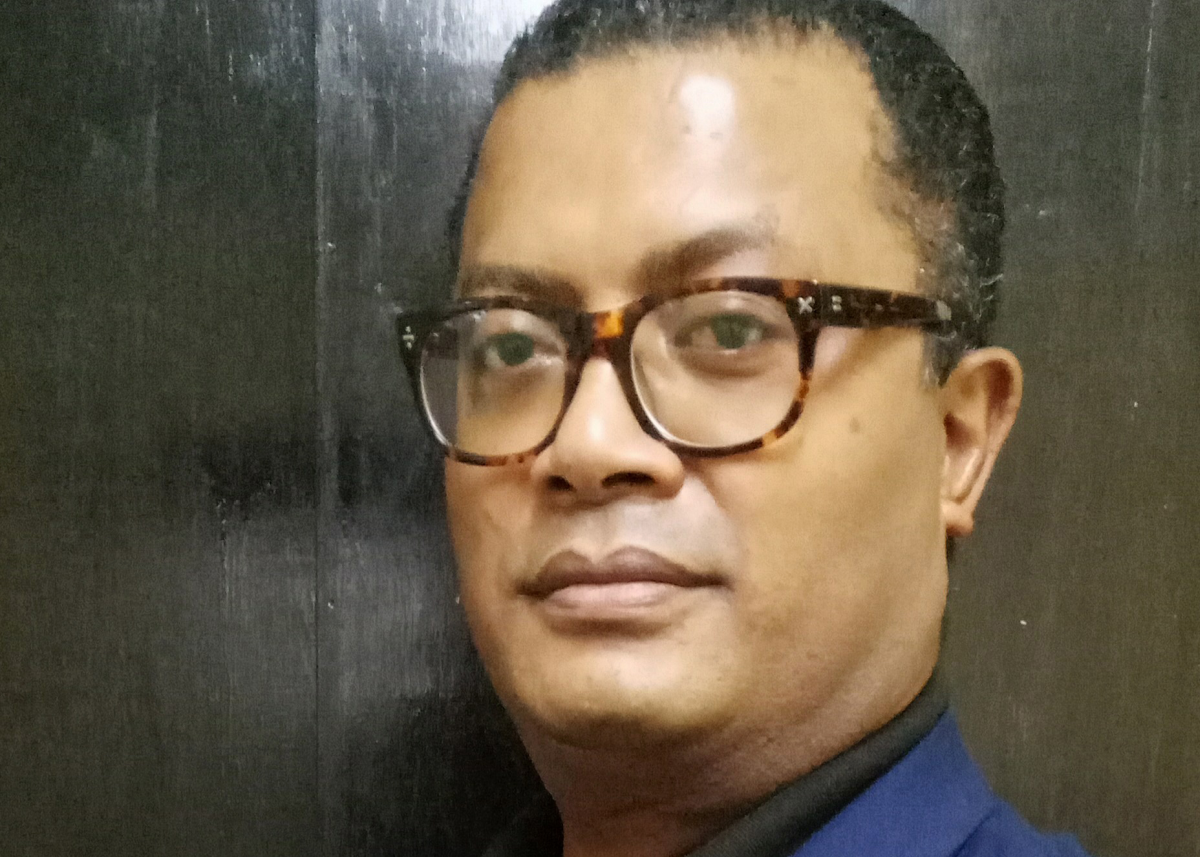 Isoa Vakarewa has a background in Public Health in the areas of Adolescent Health and Development and WASH primarily, but has also worked in Socio Economic Community Development programs as well as Disaster Risk Reduction. With inclusive community development at heart, Isoa presently serves as the RISE Country Coordinator in Fiji.
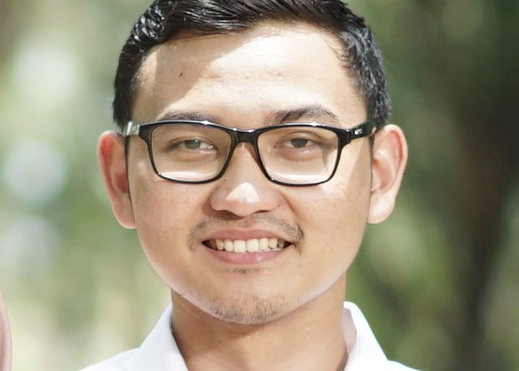 Adrianto Hidayat graduated from Hasanuddin University. He has 10 years’ experience working as an architect, spatial analyst, and estimator for housing, residential, transportation and tourism projects at several National Parks, as well as government projects focused on community development. His personal interests are in photography and landscape.
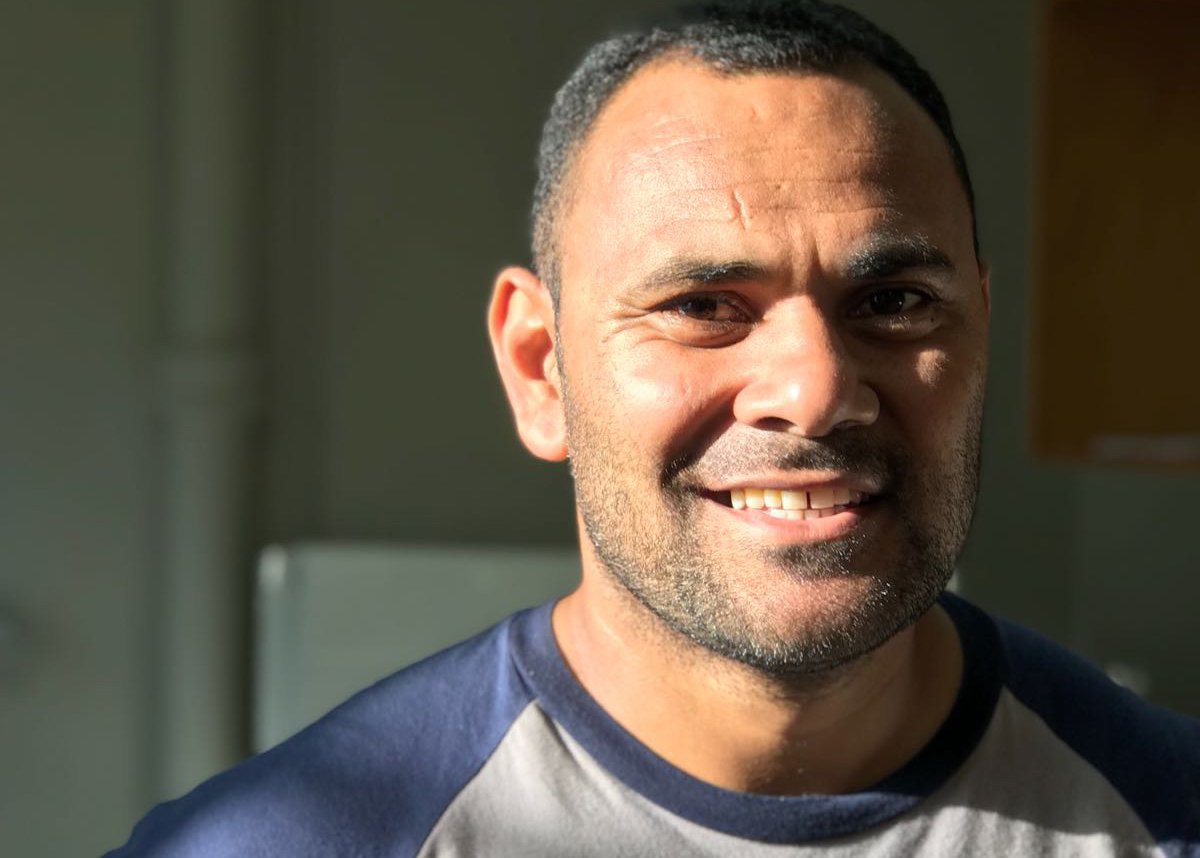 Alexander Wilson is a graduate of the University Of the South Pacific in Bachelor of Arts in Environmental Studies. He has been part of the RISE family from 2018 as a field officer, then community engagement officer and fairly recently transitioned to environment officer in the Build Team. Alex shares a passion for improving community health and environment in Fiji.
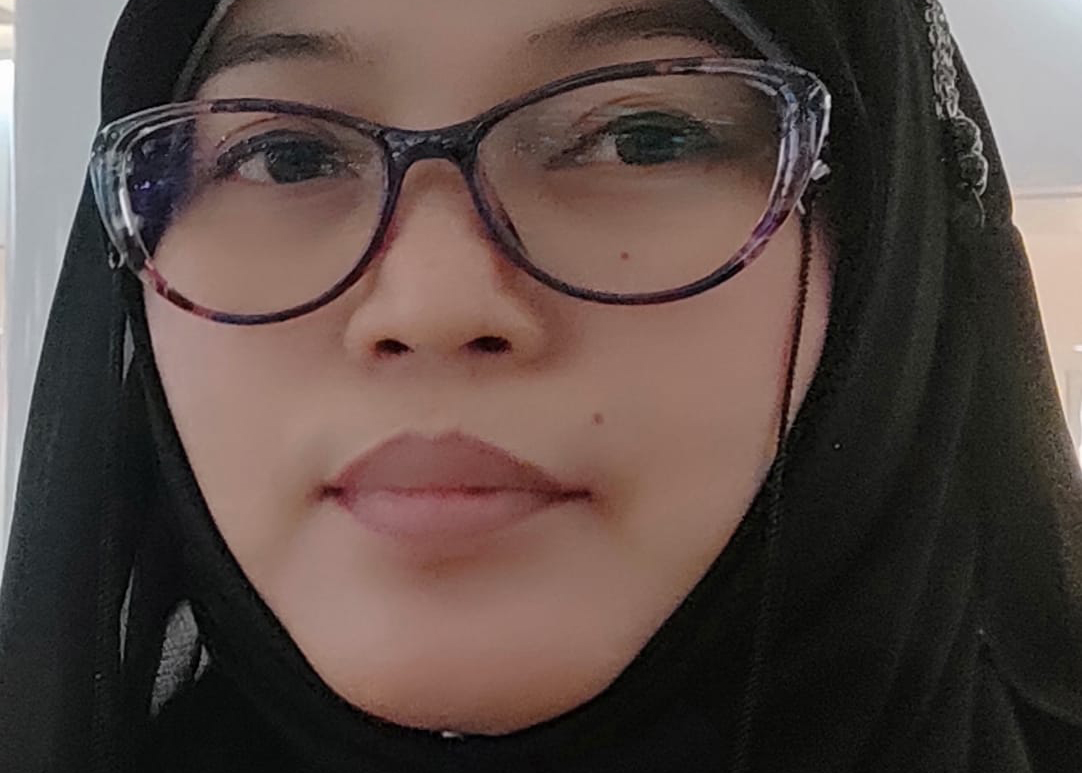 A. Ina Rahlina is a Communication and Community Fieldworker at RISE Indonesia. She graduated from Makassar State University (UNM) Physic Department. Ina has extensive experience in Journalism, Communication and Community Development.
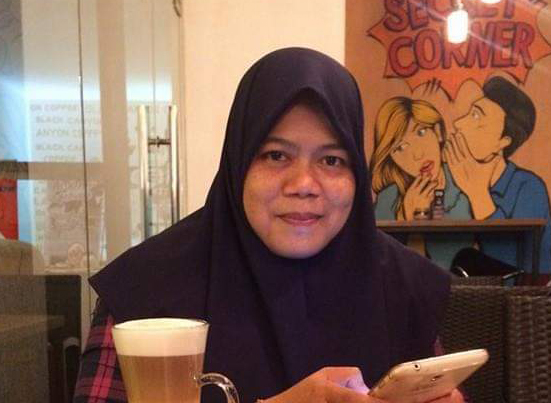 Syaidah Syamsul previously worked in qualitative research and then community development programs in the field of education, health, child protection, water and sanitation before joining RISE program as a community field worker for qualitative research in 2018.
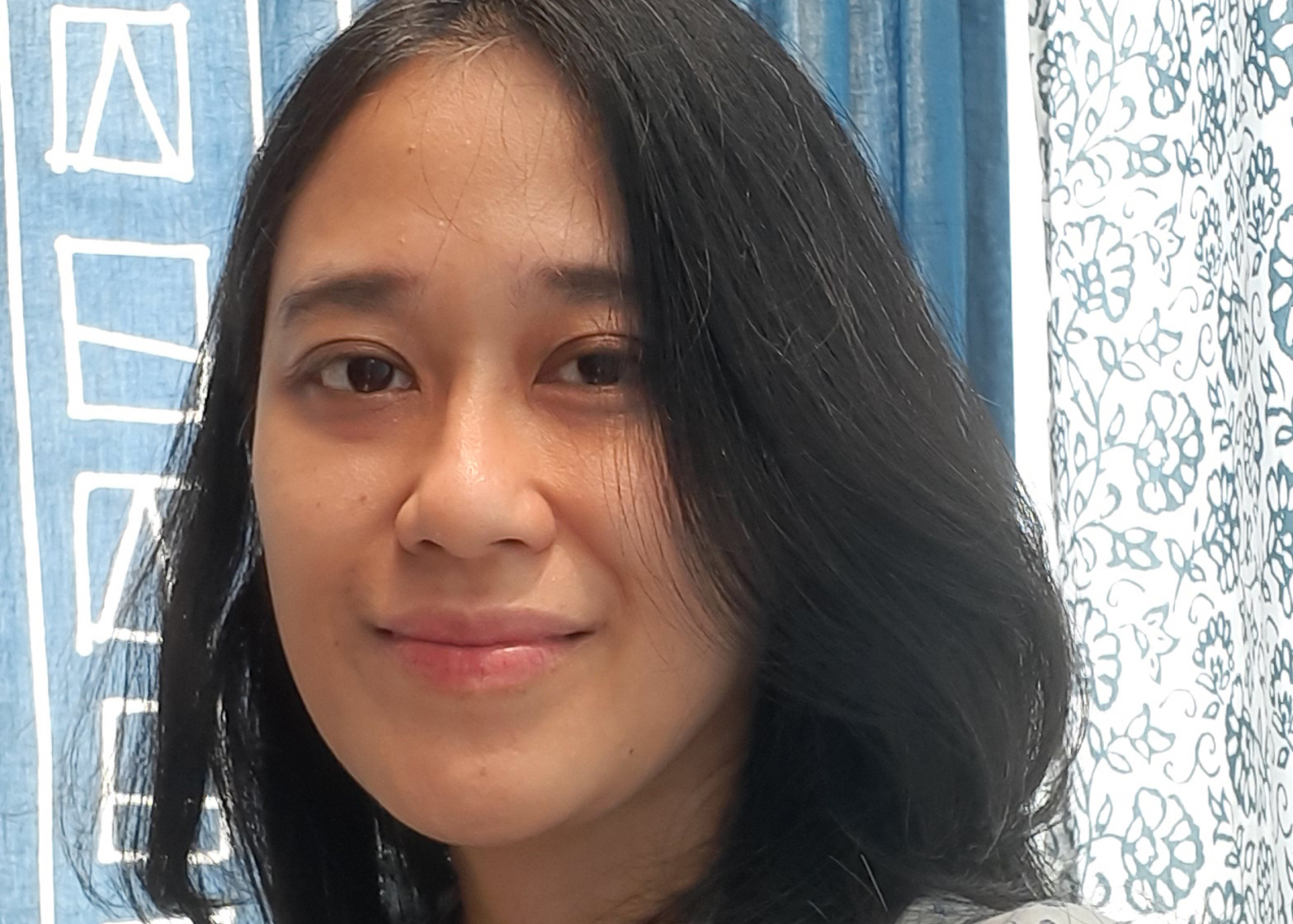 Savitri Soegijoko is an urban planner with a passion in promoting sustainable urban and regional development. Her experiences of more than 20 years always lead her to focus on achieving this goal, emphasizing on community development as she believes is one of the key components. She obtained her bachelor degree from Institut Teknologi Bandung (ITB) and her master from University of Wisconsin Madison.
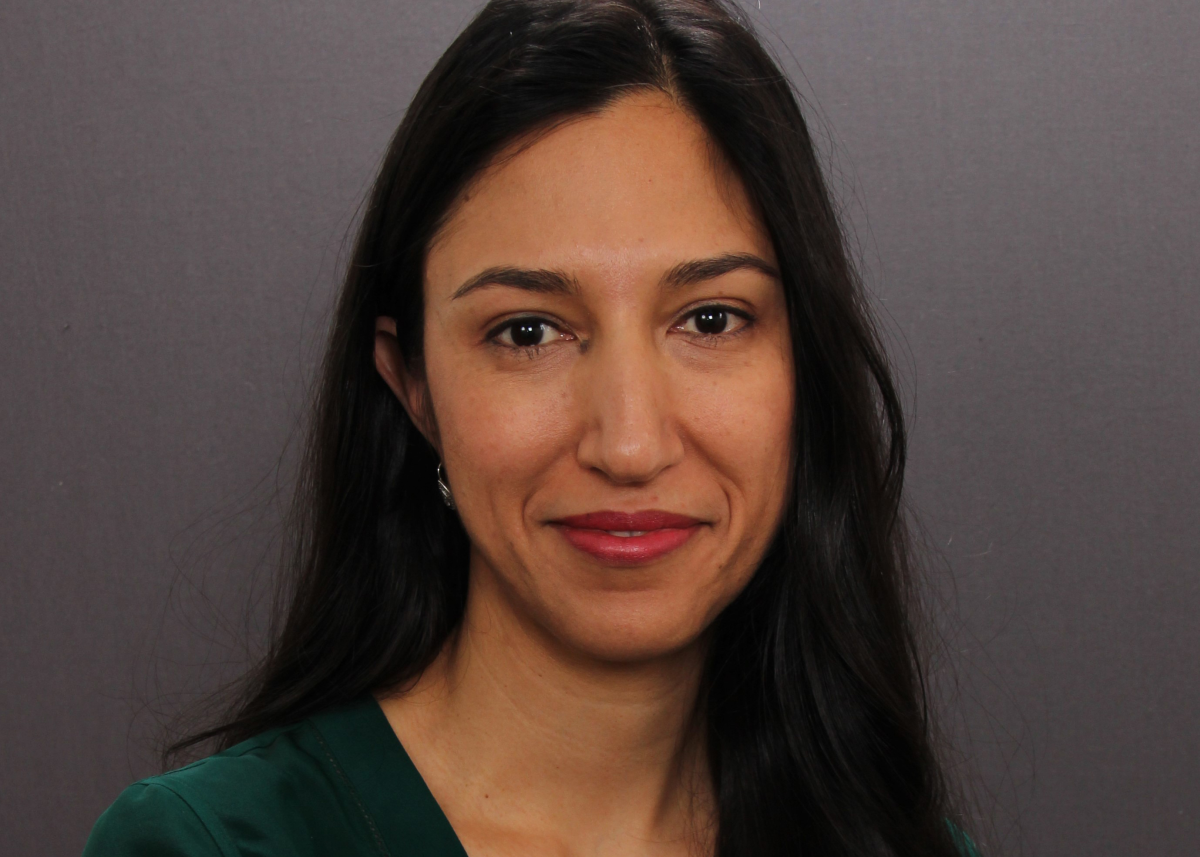 Dr Sheela Sinharoy is an Assistant Professor in the Hubert Department of Global Health, Rollins School of Public Health, Emory University. Her research focuses on the intersection of environmental health, nutrition, and gender, using both quantitative and qualitative methods. She holds a PhD in Nutrition and Health Sciences from Emory University and an MPH in Maternal and Child Health from the University of North Carolina–Chapel Hill.
 Dr Sudirman Nasir is an associate professor at the Faculty of Public Health, Hasanuddin University (UNHAS). He is also the head of UNHAS Centre of Excellence for Interdisciplinary and Sustainability Studies (CEISS) with 20 years experience in conducting research and programs in public and global health issues. He obtained his Bachelor in Medical Sciences from Unhas Faculty of Medicine, his master and PhD from School of Population Health, the University of Melbourne.
 Liza (Icha) Marzaman graduated from Hasanuddin University as an architect working in Revitalising Informal Settlements and their Environment (RISE) Program. She has 10 years of experience working with communities in Indonesia as a facilitator, architect, and designer in participatory planning, and community development and empowerment.
 Iliesa Wise has 25 years of experience in the Construction Industry, in the area of Architecture and Project Management. He has also been extensively involved with his local communities helping to build capacity in the villages and communities as a volunteer. He joined RISE Fiji in 2019 as the Design Leader and is currently working as the Build Team Leader.
 Hamdan Habsji graduated from the Faculty of Agriculture, Universitas Muslim Indonesia, Makassar. He has more than 20 years of experience in NGO and research programs focusing on agricultural, environmental, gender, and community development challenges. He currently works as a Senior Community Development Officer in the RISE Program, Indonesia.
 Dr Robyn Mansfield is an international humanitarian settlement design, livelihoods, and community consultation specialist. Robyn’s focus is on amplifying the voices of marginalized groups in urban planning processes in communities facing hardship. obyn is currently completing a PhD at Monash University on mainstreaming the participation of children in urban planning processes for vulnerable settings.
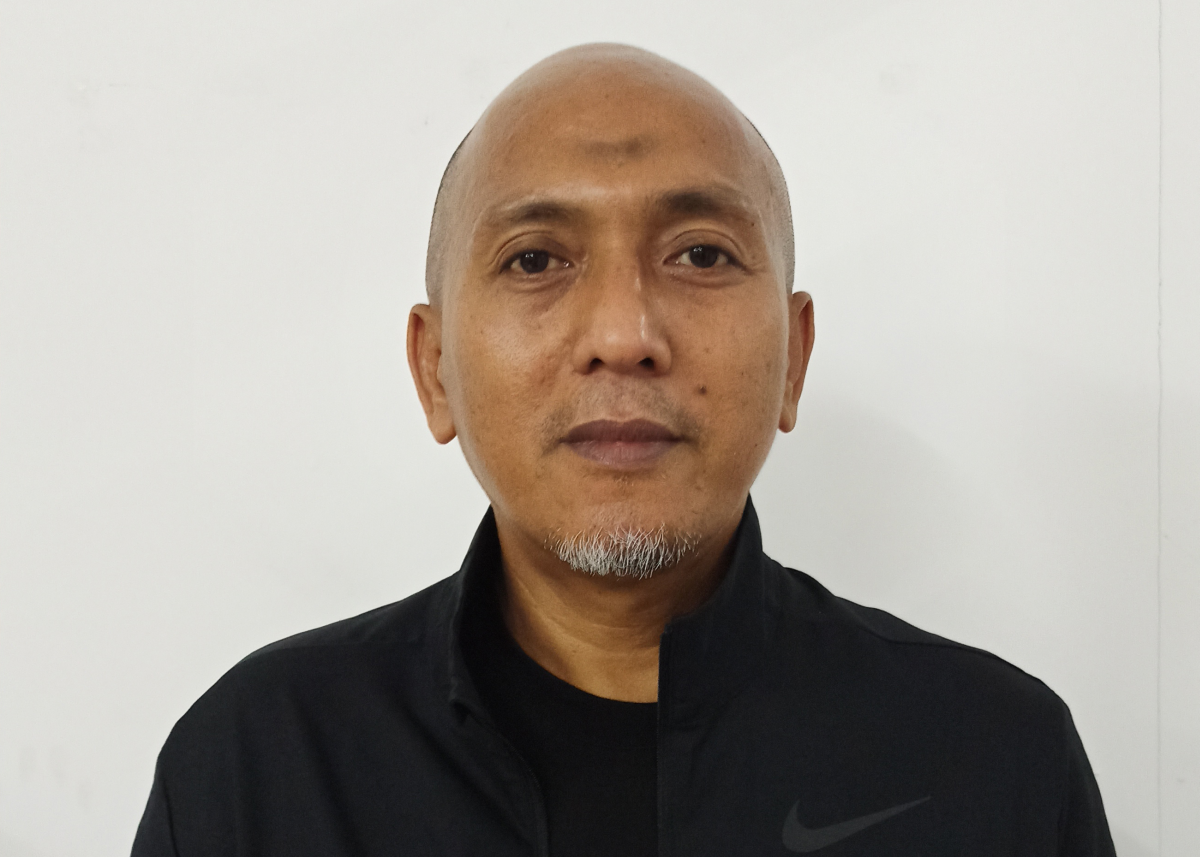 Dr Ihsan Latief is a lecturer and researcher in the Department of City and Regional Development at Hasanuddin University. He is also an architect and urban planner by practice. In RISE, he is taking the role of the Build Team leader who creates a robust link between the project and the government of Makassar city.