Ricardo Lab research
Collaborations | Student research projects | Publications
About Professor Sharon Ricardo
Professor Sharon Ricardo is a Research Group Leader in the Monash Biomedical Discovery Institute, Monash University. She has an established reputation in stem cells and organ development applied to development of novel therapies to prevent and reverse kidney disease, particularly diabetes and inherited kidney disease. As head of the Kidney Regeneration and Stem Cell Laboratory her lab is producing high-impact research aimed at developing new stem cell-based therapies in combination with repair and growth factors that may offer alternatives for patients undergoing kidney transplantation and long-term dialysis.
My Public CV can be viewed here.
Our research
Current projects
1. Kidney stem cells and organoids to model inherited kidney disease
2. New cell and drug delivery systems to reverse diabetes
3. Developing targeted therapies to reduce fibrosis and promote kidney regeneration
Visit Professor Ricardo's Monash research profile to see a full listing of current projects.
1. Kidney stem cells and organoids to model inherited kidney disease
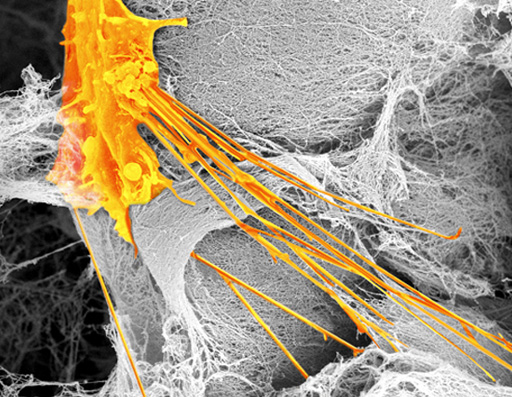
The epidemic of chronic kidney disease (CKD) and end-stage renal failure represents a crisis for health world-wide. Inherited renal disease accounts for 50% of children and 20% of adults with the CKD. The landmark discovery of reprogramming adult cells to generate induced pluripotent stem cells (iPSC) opened an unprecedented opportunity to study inherited kidney disease. We have generated a bank of iPSCs from patients with inherited kidney disease including Alport syndrome, Fabry disease and polycystic kidney disease. Moreover, we have now established a robust method to generate kidney organoids from iPSCs obtained from patients with inherited kidney disease. Kidney organoids self-organise in culture and consist of “multiple cell types” arranged in a three-dimensional (3D) architecture. These iPSCs and kidney organoids opens up new avenues for kidney cellular replacement and provides a valuable tool for understanding how particular mutation/s cause disease, for screening new drugs, to develop disease-modifying assays, and to test for autologous cell-replacement therapies.
2. New cell and drug delivery systems to reverse diabetes
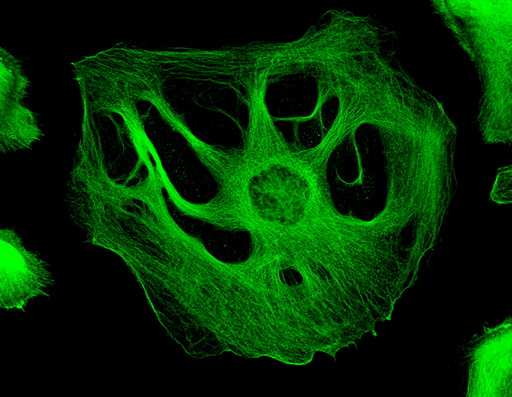
The prevalence of diabetes mellitus continues to increase worldwide leading to premature mortality. About 30% of patients with type 2 diabetes (T2D) progress to end-stage renal failure as a result of ongoing kidney damage is the progressive accumulation of extracellular matrix/collagen (fibrosis). Mesenchymal stem cells (MSC) are being developed as a new therapy due to their ability to elicit tissue repair and regeneration through the secretion of an array of anti-inflammatory proteins. Moreover, the ability of MSCs to transfer larger molecules through cytoplasmic exosomes also suggests their potential usefulness as delivery vehicles for therapeutic treatment. However, a challenge is to promote survival of the transplanted MSCs in the harsh inflammatory diabetic kidneys. In order to overcome this challenge, we are testing new cell and drug delivery systems which can be used as a depot for transplanted cells. This project will fully exploit a cell delivery system that includes genetically bioengineered MSCs and cell-derived exosomes that will be able to enhance the survival and efficacy of MSC following transplantation.
3. Developing targeted therapies to reduce fibrosis and promote kidney regeneration
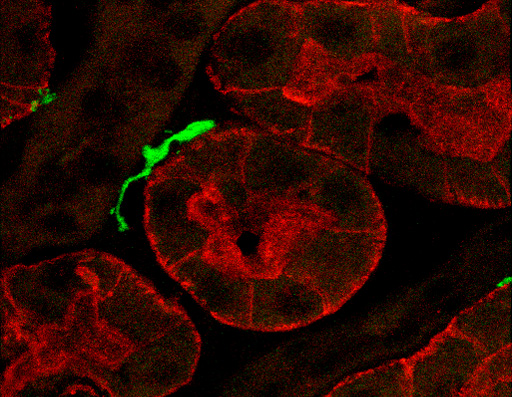
This research is focused on the development of strategies to promote of kidney 'self-repair' and the blood-derived immune cells that are important in this process. Mesenchymal stem cells (MSCs) have initiated considerable excitement in their role to promote acute kidney repair and tissue remodelling through the paracrine secretion of mitogenic and angiogenic factors. Following delivery to mice with acute kidney disease, MSCs preferentially home to the kidney and may promote downstream tissue repair via their ability to alter macrophage phenotype and function. However, the efficacy of MSCs is less apparent in a setting of chronic disease where fibrotic scarring is prevalent. Ongoing research projects are investigating the potential of kidney regeneration following MSC therapy that may be due to MSC-derived factors that alter macrophage phenotype, resulting in downstream tissue remodelling and accelerated wound healing.
Collaborations
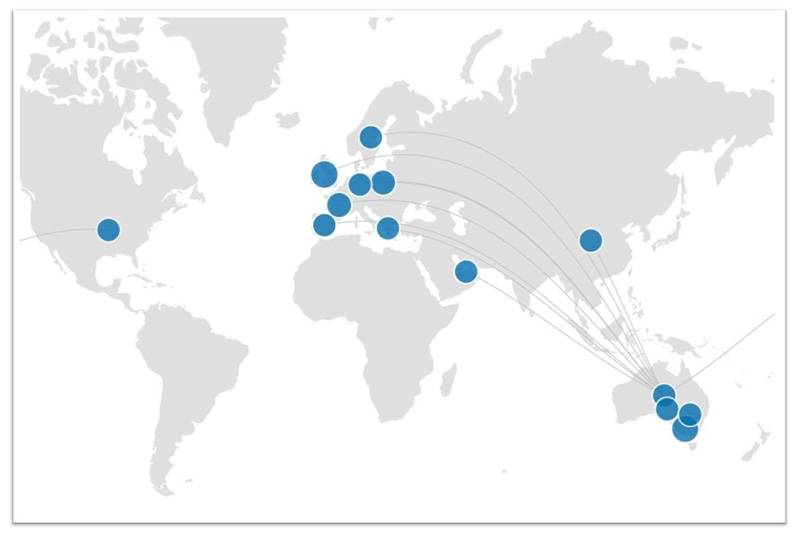
We collaborate with many scientists and research organisations around the world. Some of our more significant national and international collaborators are listed below. Click on the map to see the details for each of these collaborators (dive into specific publications and outputs by clicking on the dots).
Professor Sharon Ricardo would like to acknowledge the ongoing generous support from a number of philanthropic foundations, including:
- The Juvenile Diabetes Research Foundation (JDRF)
- The Alport Foundation of Australia
- The Polycystic Kidney Disease Foundation of Australia
- The US Alport Foundation
Student research projects
The Ricardo Lab offers a variety of Honours, Masters and PhD projects for students interested in joining our group. There are also a number of short term research opportunities available.
Please visit Supervisor Connect to explore the projects currently available in our Lab.