Monash Art, Design and Architecture Graduate Exhibition 2023
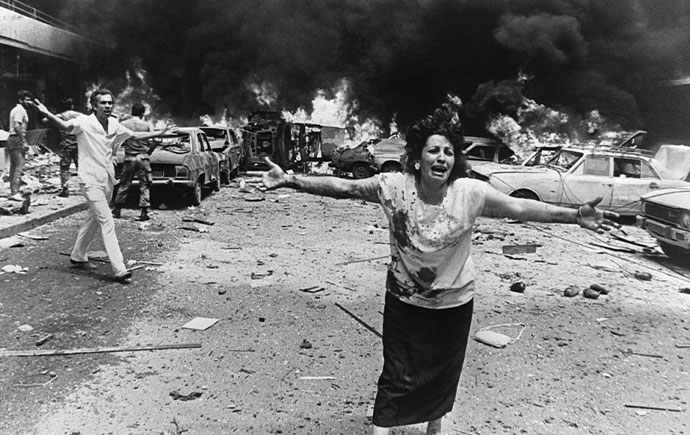
April 13th,1975, A date that would change an entire countries political, social and economic stability for decades. Friction between two of Lebanon's religious parties unfolded in the streets of Beirut resulting in mass bloodshed and an almost 30 year war within the region. As this conflict quickly escalated and the death toll between muslim and christian militias increased, the Israeli Military began their unprecedented barrage on Lebanon and its capital. A war that would soon become decades of anguish for the Lebanese people, and a reminder of Israeli military presence in the region.
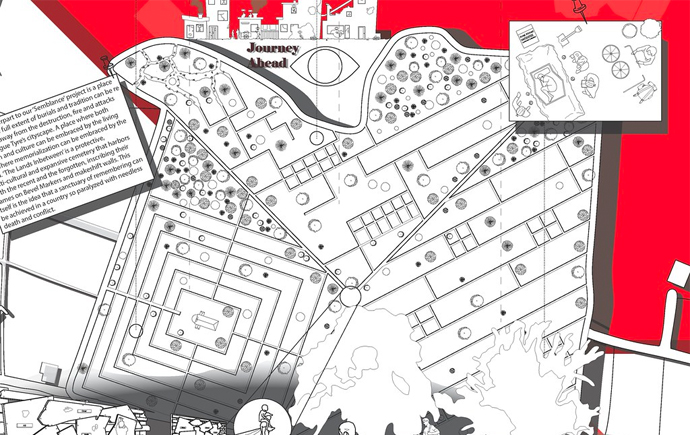
This studio will examine the unsettling aftermath of war and the socio-political, geopolitical, biological and humanitarian issues that are as a result of conflict. Minesweeper takes place in the events preceding the 2006 ceasefire between Israel and Lebanon, when a barrage of almost 4,000,000 cluster munitions, or otherwise known as cluster bombs, placarded Lebanon's south. Of the nearly 4 million bombs an estimated 1,000,000 remain undetonated.
With the mines occupying important agricultural, infrastructural and historical land they render these sites uninhabitable. Posing significant threats to its biological and socio-economic potential. These bombs, covered in the earth's soil and sediments, remain cloaked in devastation, classifying themselves as artefacts of mass destruction. A reminder to the Lebanese people of the land detachment imposed by an unmerciful Israeli regime.
As global tensions continue to rise, we bear witness to some of the world's most horrifying scenes of death, destruction and violence. We become complicit in military occupation and lack the opportunities to condemn these ethical atrocities in a world full of censorship, studio minesweeper aims to expose this vast web of collusion, corruption and violence that we call modern war. Minesweeper looks to rehabilitate these areas in Lebanon’s south through the application of speculative architectural theories and practice. Implementing architectural strategies of representation, investigation, making and more importantly unbiased recognition of this post war truth, in an attempt to create a more transparent understanding of war and its effects on marginalised communities. Minesweeper challenges the orientalist lens by directly placing the studio at the heart of the political discourse. A studio that centres itself in the larger Arab-Israeli conflict, producing a series of architectural interventions that respond to the growing needs of conflict affected ethnic groups.
Studio Leaders: Bader (Bud) Rizk