Monash University logo

Monash Art, Design and Architecture Graduate Exhibition 2024

I'm passionate about drawing, sketching, and using empathy to improve lives through innovative design. I aim to become an industrial designer, balancing product, service, and user interaction to create intuitive, emotionally resonant experiences. Self-motivated and boundary-pushing, I enjoy the iterative design process for its challenges and rewarding outcomes. Skilled in 3D modeling, sketching, and visualisation, I see design as creatively enhancing existing solutions rather than reinventing. My goal is to introduce fresh perspectives and make a positive societal impact through thoughtful, user-centered design.

WHAT IT IS

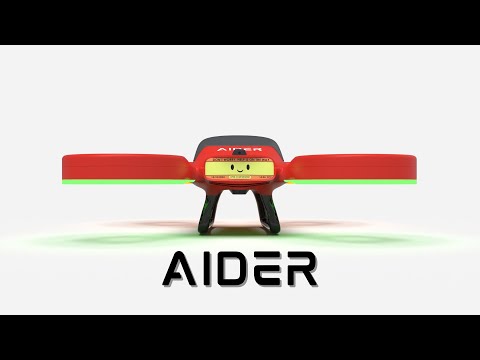
AIDER is a search and rescue drone is designed to offer both physical aid and emotional support to distressed individuals. It features a screen with a comforting avatar and carries essential supplies like water, while advanced technologies such as LIDAR, multispectral, and thermal imaging sensors help it locate people in difficult environments. A two-way radio allows communication between the individual and rescuers.

WHY?

The idea for this search and rescue drone project was born out of the limitations of traditional rescue methods, particularly in extreme weather conditions when helicopters are often grounded. In such scenarios, time is critical, and large rescue vehicles struggle to navigate harsh terrain or bad weather. Drones, being compact and highly maneuverable, offer a more efficient solution by covering wide areas quickly and reaching individuals in places where other vehicles cannot. They are also much more cost-effective than helicopters.

THE PROCESS

Through a series of design iterations, the drone evolved from initial sketches to more detailed models and prototypes. Each iteration allowed for testing different materials, sizes, and configurations. Adjustments were made to enhance durability, ergonomics, and ease of handling. For example, the addition of propeller guards and an optimised landing mechanism improved the drone's ruggedness and usability. Each prototype was tested for usability and design feedback, ensuring that every refinement added value to the final product. This iterative process underscored the importance of flexibility and responsiveness to both functional needs and aesthetic appeal.

HOW IT WORKS

Upon receiving a distress signal, the SAR team deploys the drone from a specialised roof box on the vehicle as they drive toward the target location. The drone autonomously navigates the terrain, using thermal imaging and GPS to locate the individual quickly. Upon finding them, it hovers nearby, delivering essential supplies like water, energy bars, and a thermal blanket, while also establishing two-way communication to reassure and guide the individual until the rescue team arrives. This efficient process enables real-time support and guidance, ensuring a faster, safer rescue compared to traditional methods.

[View full video here]

STORAGE AREA

The drone's built-in storage compartment is designed to carry essential survival items to aid individuals in distress. It has a top-opening design that can be remotely accessed through the drone's touchscreen interface. With a capacity of up to 5 kilograms, the compartment can hold critical items such as water pouches, food, a thermal blanket for warmth, a small first aid kit, and a satellite phone for emergency communication. The storage is built to be weather-resistant, ensuring that the contents remain dry and usable even in harsh conditions like rain or snow.

USER INTERFACE

The drone's user interface (UI) features a touchscreen display designed for both the rescuer and the lost individual. This screen allows for direct control of drone operations, such as opening and closing the storage compartment and initiating communication. It displays real-time information like the drone's location, remaining battery life, and distance to the rescuer, ensuring the lost person stays informed. Additionally, the screen can project an emotional support avatar to offer reassurance to the individual.

Explore more


View all


Back to top