McArthur Group research
Collaborations | Student research projects | Publications
About Dr Kate McArthur
Dr McArthur received her PhD in 2017 from the University of Melbourne, Australia, where she studied interactions between mitochondrial biology, cell death and immune signalling. Her research employed advanced microscopy techniques to visualise – for the first time – the release of DNA from the mitochondria (mtDNA) during cell death. This work was recognised by first prize in the 2018 Centenary Institute Medical Innovation Awards, and first prize in the 2019 Victorian Premier’s Excellence Awards. Kate has since become a Group Leader within Monash University’s Biomedicine Discovery Institute and continues to use microscopy and biochemical assays to investigate mtDNA and its downstream signalling consequences in a range of human diseases.
Our research
Mitochondria more than just “the powerhouse of the cell”. They are fascinating, highly dynamic organelles that carry out an array of cellular functions; all the while sitting at the crossroads of cellular fate – mitochondria can release the power for life, and just as easily unleash the machineries of death.
Due to their evolutionary past-life as an a-proteobacteria, mitochondria also harbor molecules that are highly immunogenic if released from within. Case in point, mitochondrial harbor their own genome – mtDNA – which when released outside the mitochondria, triggers potent immune responses from the host. Mislocalised mtDNA has been implicated in a wide variety of pathologies – including Rheumatoid Arthritis, Lupus, Parkinson’s Disease, Sepsis, Stroke, Cancer, HIV, Dengue infection, and even Covid-19 infection – yet so little is known about how it is released, what the immune consequences are, and how this contributes to disease.
Our approach blends biochemistry and cell biology with state-of-the-art microscopy techniques (both light microscopy and electron microscopy) to understand the mechanism and consequences of mtDNA release and mitochondrial behaviour in cellular and animal models of disease.
Current projects
- Redefining the nature of mitochondrial damage
- Mitochondrial dynamics, cristae organisation and apoptotic herniation
- Investigating the mechanism of extracellular mtDNA release
- Understanding the pathogenesis of Parkinson’s Disease – mtDNA, mitophagy and inflammation
- Elucidating the downstream cellular responses to mitochondrial herniation
Visit Dr McArthur's Monash research profile to see a full listing of current projects.
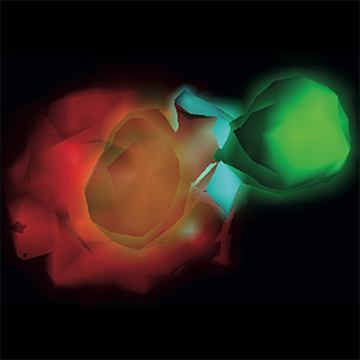 | 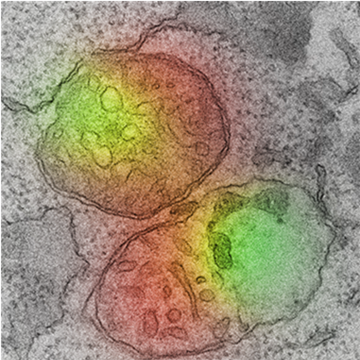 | 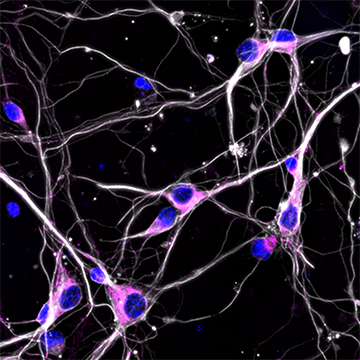 |
| What is the physiological relevance of mitochondrial herniation how is it kept in check? | What are the molecular mechanisms of mtDNA release how does mitochondrial ultrastructure regulate this process? | How does mtDNA contribute to disease? |
Collaborations
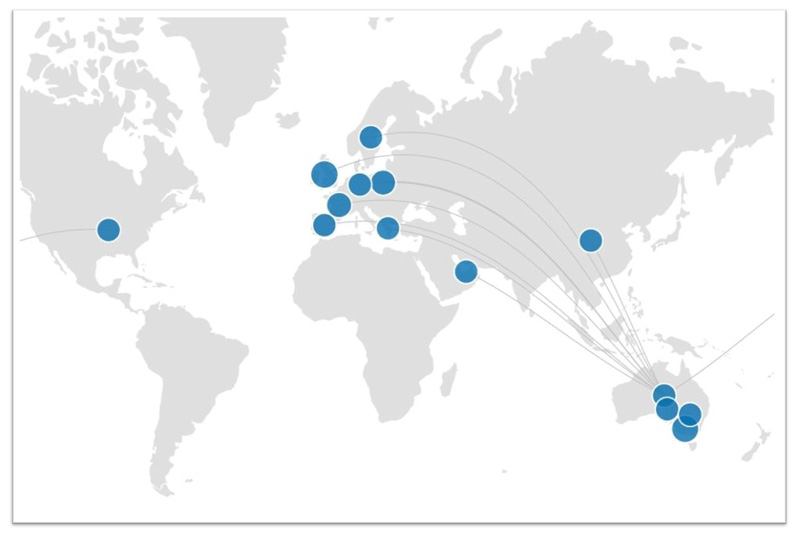
We collaborate with many scientists and research organisations around the world. Click on the map to see the details for each of these collaborators (dive into specific publications and outputs by clicking on the dots).
Student research projects
The McArthur Group offers a variety of Honours, Masters and PhD projects for students interested in joining our group. There are also a number of short term research opportunities available. You are encouraged to contact Dr Kate McArthur regarding potential projects that align with the presented research themes.
Please visit Supervisor Connect to explore the projects currently available in our Lab.