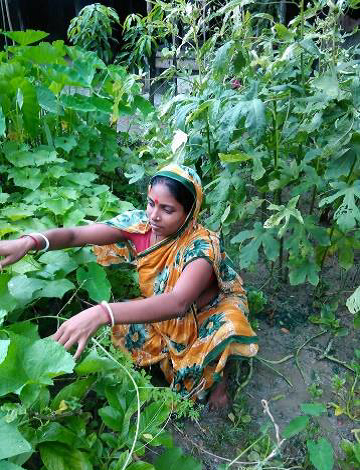
The PROTIC project, which is distributing smartphones to rural farming women in conjunction with a special call centre in two villages in Bangladesh, can be analysed through many different lenses. Here, we have looked at PROTIC from the point of view of its position in influencing ICT4D policy and practices at the local, NGO, national, and international levels. What is significant is that this viewpoint is driven by bottom-up effects. Previous studies have shown that land-lines improve market interaction, effect transport efficiencies, and reduce isolation or improve personal community security With respect to the impact of the mobile phone, similar impacts have affected a much larger audience, affected gender relations and increased active citizenship (Donner 2015).
We have drawn upon what is known as the Multilevel Perspective (MLP) and Social Practice Theory (SPT), and in particular, used the notions of landscapes, regimes, niche, and practices, to interpret the changes that ICT4D projects like PROTIC bring about (Geels and Kemp 2007; Shove and Pantzar 2005).
At the highest landscape level, PROTIC exists in the context of the boom in mobile communications and its effect on the economy and society worldwide. The effects of these landscape changes has been to exert pressure on different players at the regime level, whether on governments in developing nations like Bangladesh , or significant NGOs engaged in International development. International conferences, agreements and statements have come out of the participation of such bodies and have acted as motivators for action.
At what is called the regime level, the Bangladesh government has responded with its own policies, legislation and papers concerning the development of an information society, including noting the importance of ICTs in poverty alleviation and public access to ICTs and information. At the level of community development players, NGOs like Oxfam have been developing interventions, including the PROTIC.
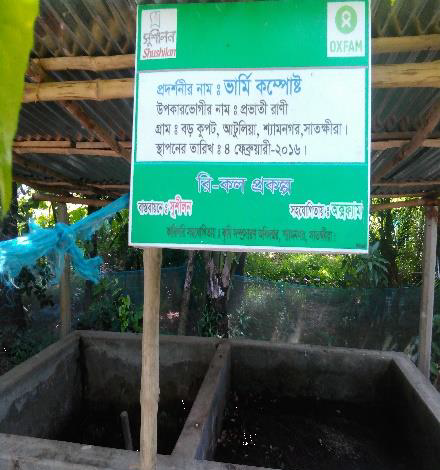
At the niche level, there is interaction between local NGOs funded by Oxfam, government players (for example agricultural extension officers) and the villagers and details are provided here. The findings here are relevant to the development of further stages of the project, including training, as well as having policy and planning implications for Oxfam and Monash. In terms, these kinds of findings, as they continue through the life of the project can be used to have an influence at the national level in Bangladesh (policy and advocacy), but as well, contribute to Bangladesh having a more informed voice at the international level, in global forums and so on.
Source:
Larry Stillman, Tom Denison, Anindita Sarker, Mauro Sarrica, Using Multilevel Perspective to Analyse Effects of the PROTIC Project, ICT4D Community Newsletter, Volume 1, Issue 3, Aug 2017, BIID