Archives and the Rights of the Child Research Program
Children who experience Out-of-Home Care need quality recordkeeping systems to develop and nurture their sense of identity and connectedness to family and community. They’re also required to account for their care experiences and prevent, detect, report, investigate and act against child abuse.
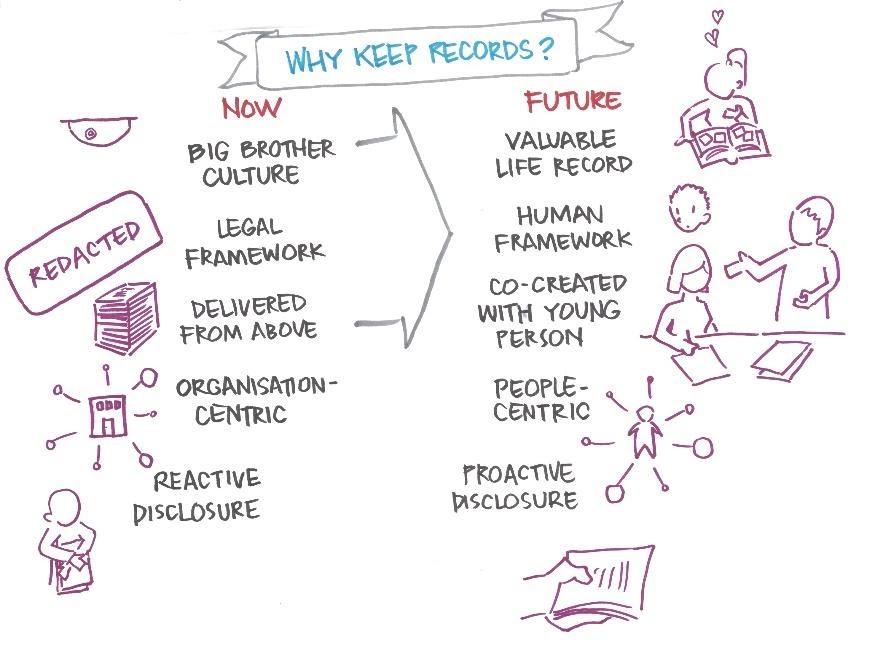
Those involved in providing care services and supporting children experiencing family dislocation require access to efficient, effective and responsive information systems – driven by quality recordkeeping – to ensure the highest standards and continuity of care. The need for such systems does not disappear when a child leaves care.
Many inquiries, including the Royal Commission into Institutional Responses to Child Sexual Abuse (2012-2017), have emphasised the lifelong importance of these records. In inquiry after inquiry, testimony after testimony, those caught up in child welfare and protection systems as children (Stolen Generations, former child migrants, Forgotten Australians, care leavers) have highlighted how difficult it is to find and access records of care experiences in:
- the search for identity and memory
- (re)connecting with family
- holding the system accountable for decisions and their consequences
- seeking redress for abuse and neglect.
The program builds on the pioneering research of the 2004-2008 ARC Linkage Trust and Technology Project and 2008-2010 ARC Linkage Who am I? Project.
It integrates participatory research and design methodologies to develop recordkeeping and archiving systems in which multiple rights in records are recognised, respected and enacted.
Research activities
Established through an ARC Future Fellowship, this project gathers researchers across a range of disciplines together with community and practice advocates to re-imagine recordkeeping and archiving systems in support of responsive, accountable and child-centred Out-of-Home Care – and to enable social and historical justice.