Monash University logo

Monash Art, Design and Architecture Student Exhibition 2022

Gabriella Alfano

Best in Studio: 'Reconfigure'

Most outstanding design project in the studio 'Reconfigure,' in the Master of Architecture

Reconfigured DHV home

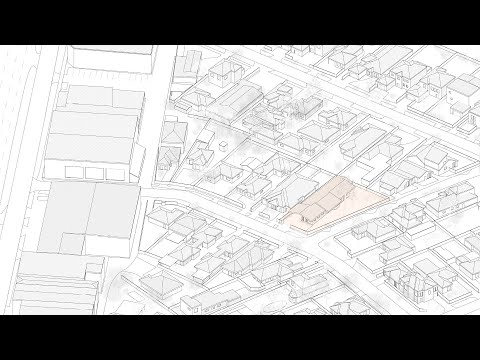
This Bentleigh property is one example of over 900 homes owned and managed by Disability Homes Victoria (DHV). These homes are Supported Disability Accommodation (SDA) certified under the National Disability Insurance Scheme (NDIS). DHV are responsible for maintaining these properties and ensure that each house continues to comply with SDA regulation.

This studio investigated the opportunities that emerge when the number of occupants is reduced from 5 to 3, testing and curating strategies that improve the quality and amenity of the home. These strategies are intended to minimise disruption to existing residents, and be replicable across the DHV housing stock.
Play

'Reconfigured strategy animation'

The video animation demonstrates a number of strategies that have been implemented to improve the quality and experience of space within the Bentleigh home.

View full video at www.youtube.com/watch?v=iycSYs8q0Fw

Existing house plan

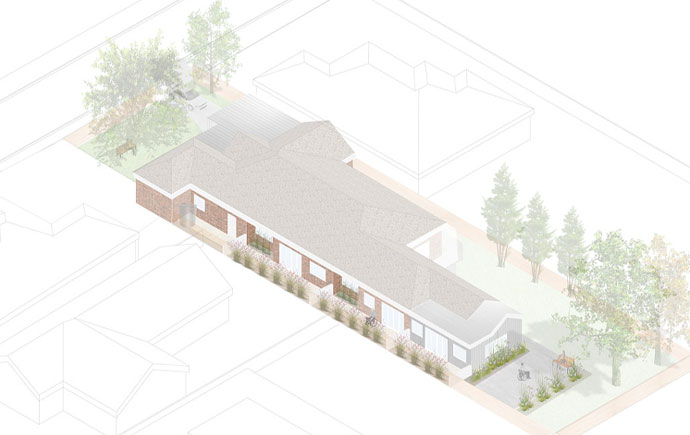
The single storey brick veneer house with a concrete slab was purposely built by DHV and is registered as a group home for 5 residents. It sits on a large corner block which features an imposing timber fence along the narrow side street. The house is long and narrow, receives limited northern sun, and features a dark central hallway. Its 5 bedrooms are small and not SDA compliant, with windows that provide no aspect for someone in a seated position. These bedrooms also share only 2 bathrooms, which are difficult to navigate and require most occupants to travel down the public corridor to use. While SDA compliant, the kitchen is boxy and provides no opportunity for socialising.

Reconfigured house plan

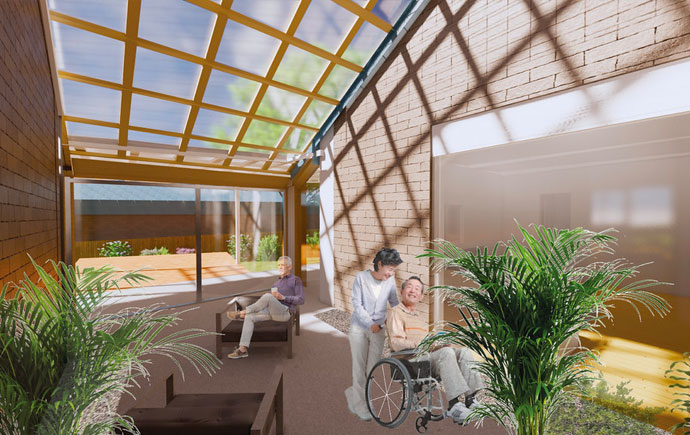
The reconfiguration provided an opportunity to transform the underutilised block into a space which encourages time spent outdoors and engagement with the local community. As the number of occupants reduced from 5 to 3, there was opportunity for larger bedrooms, greater circulation and additional bathrooms to ensure that each occupant has their own ensuite. Leftover floor area also encouraged testing removal strategies, cutting into the floor plan to introduce natural light and visual aspect into the home. The existing roof line which previously extended out to cover an outdoor area was also used to accommodate the installation of a new kitchen using prefabricated modular wall panels.

Before and after bedroom views

These before and after views demonstrate the transformation from two previously non SDA compliant boxy bedrooms into one larger generous bedroom which has direct access and aspect into the rejuvenated garden. This bedroom is paired in a prefabricated bathroom pod which connects to a courtyard void space. Long periods of time spent in these bathrooms is a reality for residents within these homes, and therefore this strategy aims to increase the quality of space within each pod, with natural light and a view out towards the vegetated courtyard helping create a more enjoyable space than the typical dark and unwelcoming bathroom in these existing homes.

Prefabricated bathroom pod construction sequence

Prefabricated bathroom pods have been utilised as a strategy to implement across projects with concrete slab-on-ground foundations. Pods offer an alternative to the costly and disruptive exercise of installing new plumbing in the existing concrete. This proposal aims to speed up the time of construction and minimise impact on residents.

Pods can be ordered in bulk by DHV to install at properties that do not have enough bathrooms for each occupant or the appropriate plumbing to renovate an existing room.

Explore more

View all

Other years

Back to top