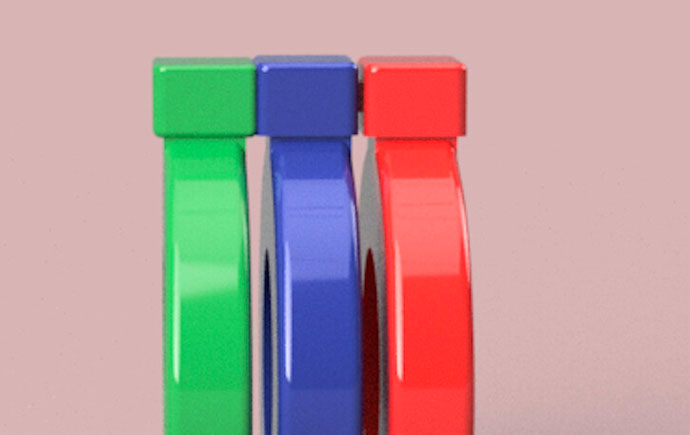
The goal of this year-long project was to design an open source tool which would support patients in effective transition out of psychiatric inpatient care. Transition Toolkit is a system designed to introduce clinicians to the potential open source tools can provide in terms of accessible and customisable alternatives to commercial tools. Run over two workshops the model incentivises patients to begin their discharge planning earlier in their care, while reframing how it is viewed, taking away some of the pressure and making it fun and collaborative. The design outcome comprises customisable 3D printed figurines, cards and an online guide for clinicians which help implement the system.
Open Source
This project was inspired by the way creative communities came together to fill shortages in PPE during the pandemic (Richterich, 2020), and in doing so highlighted the value open source tools can provide to support the health system. This was a concept which wasn’t new, but the common assumption was that, given there aren’t the same restrictions and guidelines in place as there are for commercial alternatives, the onus would have to fall on busy clinicians to ensure ethical use. I endeavoured to show that research backed open source interventions can provide real value to under supported, under resourced areas of the healthcare system.
Co-Design
In co-designing with a clinician, and in recognising that any tool or workshop would need to be delivered by a professional, the focus shifted from a patient focus to supporting the clinician. The design focuses on providing a framework which is customisable to fit clinicians own practice and individual hospital protocols. It aims to help support clinicians to provide to their patients access to a new art medium in a way that encourages them to start discharge planning earlier in their care and supports more effective and involved discharge planning.
The first workshop
Using stickers, patients are asked to select characters which represent goals for their own transition out of care and are then transformed into figurines post workshop. These figurines are printed in the interim between workshops, and act as keepsakes representing each person’s goals and as a reminder to problem solve with compassion. These figurines act as incentive to come to the second workshop and are a fun introduction to a new art form or hobby.
Card ‘Game’
A key element of this system is the creation of a set of cards for a card game. These cards involve creating ‘tools’ for one’s toolkit using exercises and activities from one’s discharge planning or other group therapy sessions, and are later applied to scenarios one may face outside of care in a card ‘game’. This is designed to both encourage more playful and involved interaction with groups and discharge planning, while also encouraging patients to think about life outside of care so that discharge planning can be better informed.
The second workshop
Workshop number two involves playing a card game using 2 types of cards. ‘Tool’ cards are a combination of pre-printed cards outlining suggested coping strategies and tools and cards created in the interim between workshops by the patients themselves. These cards become one’s toolkit. Scenario cards prompt participants to think more abstractly about how one may apply new strategies they have learned. The use of the printed figurine in this workshop helps externalise very difficult, triggering issues associated with facing leaving care, allowing them to ease into discharge planning more easily.
Continually growing and collaborative
This intervention being open source means that as the tool is used, other creators or clinicians can contribute feedback/supporting materials/suggestions etc. The design isn’t final but a starting point. I am preparing this for testing in a hospital setting early next year. After which I will further refine and update the toolkit. All info, resources and guidelines are online on the site linked above.
India Star Macpherson, Open Source
India Star Macpherson, Co-Design
India Star Macpherson, The first workshop
India Star Macpherson, Card ‘Game’
India Star Macpherson, The second workshop
India Star Macpherson, Continually growing and collaborative
In the spirit of reconciliation Monash University acknowledges the Traditional Custodians of country throughout Australia and their connections to land, sea and community. We pay our respect to their elders past and present and extend that respect to all Aboriginal and Torres Strait Islander peoples today.