Monash Art, Design and Architecture Graduate Exhibition 2024
Monash Art, Design and Architecture Graduate Exhibition 2024
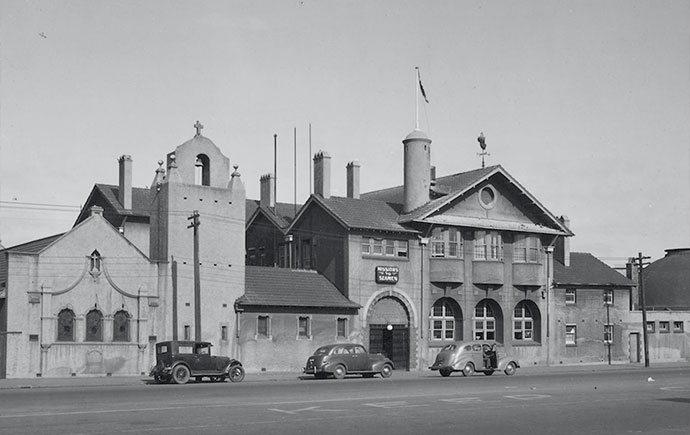
This studio aims to re-investigate the role of architecture as social institutions, beginning with an examination of the Mission to Seafarers. The discussion will broaden to include precedent studies of buildings constructed by friendly societies or mutual aid societies in Victoria between the early 19th century to early 20th century, which often embodied the collective identity of the community. The site addresses the specific needs of seafarers, providing a structured network of support services that are essential for their well-being. Based on the site, this studio topic will dive deep into social welfare, social identity, overall well being, and integration into the larger social structure.
To delve into the architectural significance within mutual aid societies and their social services, students will study key structures such as lodges and meeting halls that served as community centres. Researching historical contexts, students will apply knowledge to current sites through architectural, urban, and structural adaptations. Students will conduct independent research on architecture related to mutual aid society/welfare charity and intervention projects and show understanding of precedent studies through the design process of the project. They will integrate programs focusing on materials, techniques, and ultimately generating a final project. The studio covers urban, architectural, and interior scales, exposing students to planning, architectural processes, and various construction methodologies.
Studio Leaders: Nat Pornvarojanabun