
The Cleaner Way to Extract Lithium With Electralith
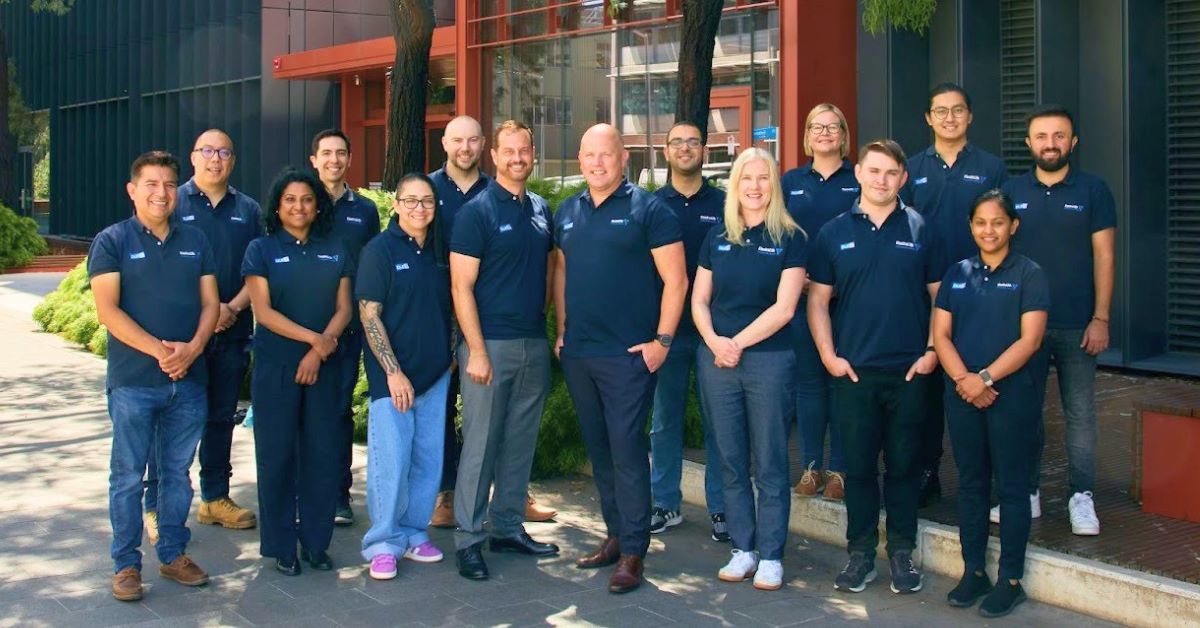
Every electric vehicle feels like progress, but the lithium inside the battery tells a more complicated story.
Producing enough lithium for a single Model S Tesla requires 770 thousand litres of water, nearly 3,000 kilograms of carbon dioxide, and an 18 to 24-month extraction process during which nearly half the lithium is lost.
The environmental impact falls heavily on the ecosystems and communities surrounding the world's major lithium deposits, many of which are located in ecologically sensitive and indigenous-inhabited regions.
We sat down with Charlie McGill, CEO of Electralith, to find out how the company is building technology that addresses those costs and what it means to be doing so from Monash Innovation Labs.
The Technology
ElectraLith is developing the next generation of lithium extraction, based on research by Professor Huanting Wang at Monash University. The process extracts and refines lithium without water, without chemicals, and runs entirely on renewable power; by removing those inputs, Electralith also removes the major cost drivers that make conventional extraction expensive, producing a technology that is simultaneously better for the planet and better for the balance sheet.
"We are not only the most environmentally sound method of extracting lithium, but also the most economical," says Charlie McGill, CEO. "We think of ourselves as the crossroads of cost and environment; it is a really fantastic place to be, particularly as we move into a more sustainable future."
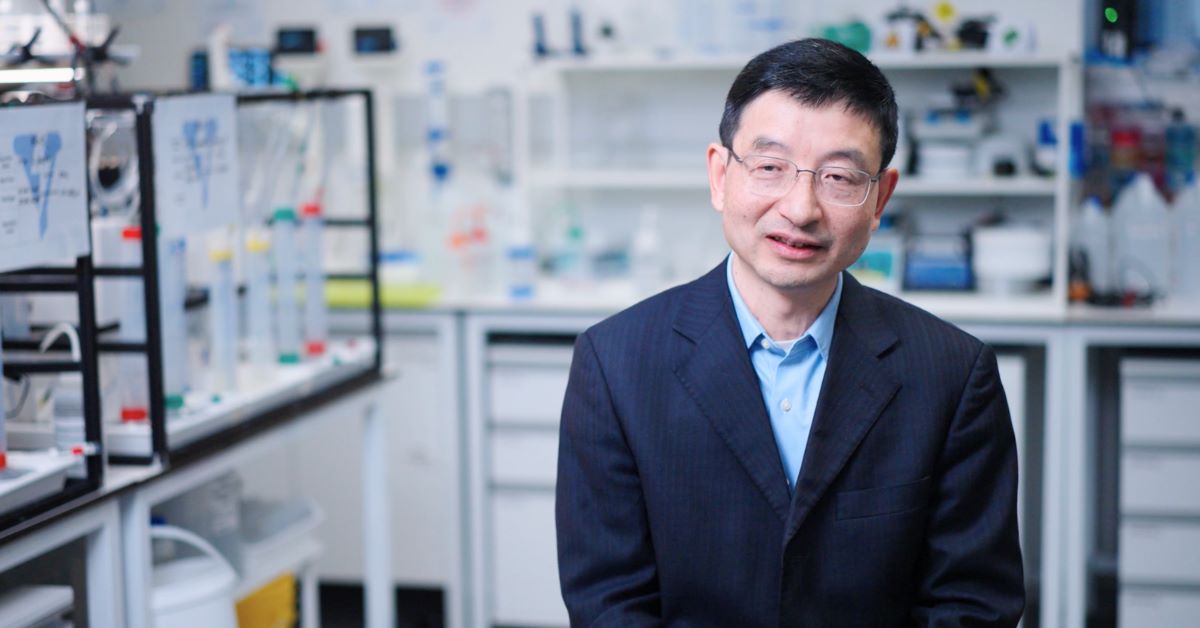
Professor Huanting Wang, Sir John Monash Distinguished Professor
From Paper to Pilot Plant
Charlie McGill came to ElectraLith three years ago, recruited by the company's founding shareholders: Monash University, IP Group, and Rio Tinto. His background spans the US Navy, Harvard Business School, investment banking, and several years as CFO of a major lithium business; an unusual path to a deep tech startup, but one that equipped him well for the breadth of what the role demands.
"Startups allow you to really get across all aspects of the business," Charlie says. "I'm very comfortable in finance and business modelling, but I've had to go all the way across to branding, website development, you name it; everything that a business needs to do has to be done by us."
When he joined, the technology existed primarily on paper. Three years later, ElectraLith is building its first pilot plant and is on track to demonstrate the technology, in partnership with Rio Tinto, which is both a founding investor and the company's primary customer. The journey from research paper to pilot plant in a live mining environment is the defining achievement of that period.
"Going from the academic thought all the way to commercialisation; that has been the real success for us," Charlie says.
Investors and Recognition
Electralith's Series A brought together a group of investors whose involvement signals both financial confidence and strategic alignment: Rio Tinto, Chevron, Marathon Petroleum, and In-Q-Tel, the CIA's investing arm. For Charlie, the composition of that group matters as much as the capital itself.
"When you're picking your investors, try to find investors that bring something to you," he says. "Often people think money is the important part; actually, it is not. You want investors who can bring customers, business models, and insight into the industry. When you can do that, you are in a really good place."
The company has since been covered twice in the Wall Street Journal and once in the Financial Times; most recently, ElectraLith received Top Innovator status from the World Economic Forum, recognition that reflects the global significance of what the technology is attempting.
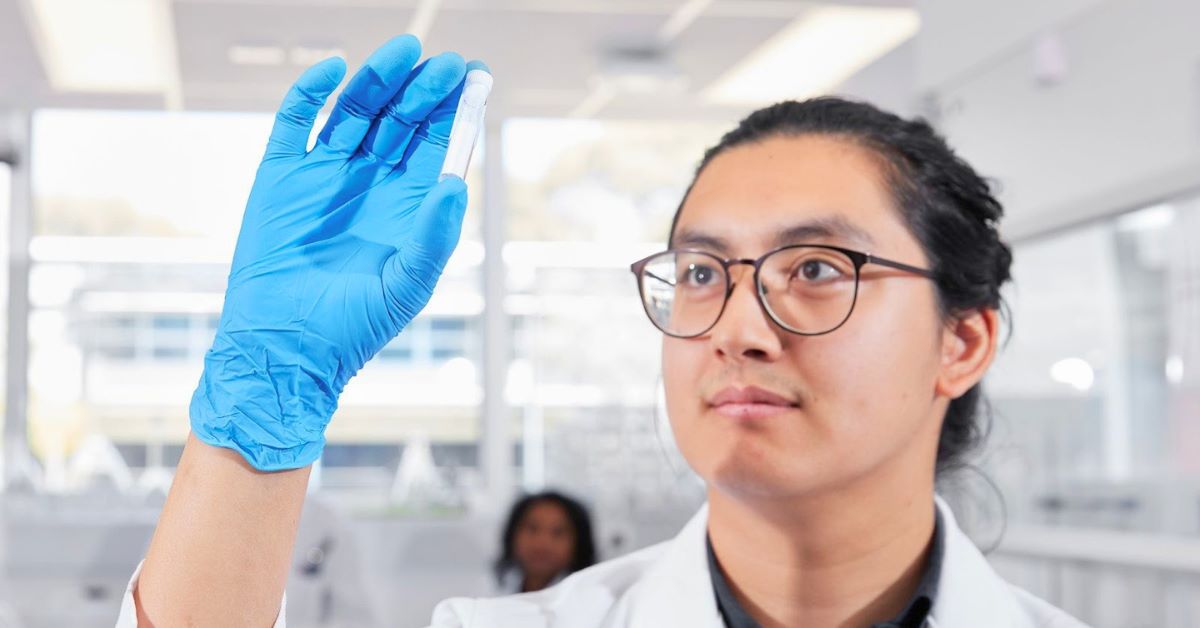
Nathan Eden, Research Specialist, Electralith
Based at Monash Innovation Labs
ElectraLith was the first company to move into Monash Innovation Labs; three years on, the relationship with the campus runs deep. The company has access to best-in-class facilities, professors, PhD students, and academics across engineering disciplines, with connections extending beyond MiLabs itself to The Monash Generator, the Monash Smart Manufacturing Lab, and the MBA program, which ran a case study on ElectraLith.
At any given time, the team has several Monash interns working on tangible, meaningful projects across the business, and the flow of students through the building has become a genuine part of how the company operates.
"We see students walking by our facilities on a day to day basis," Charlie says. "Through that, we have been involved in a number of intern projects; having that younger generation, with the energy, the insight, and the entrepreneurial spirit, has been great. We have been real beneficiaries of student activity here on campus."
Being on campus also means proximity to the academic and research community that underpins the technology itself; for a company whose competitive advantage is rooted in a Monash-developed process, that proximity is not incidental.
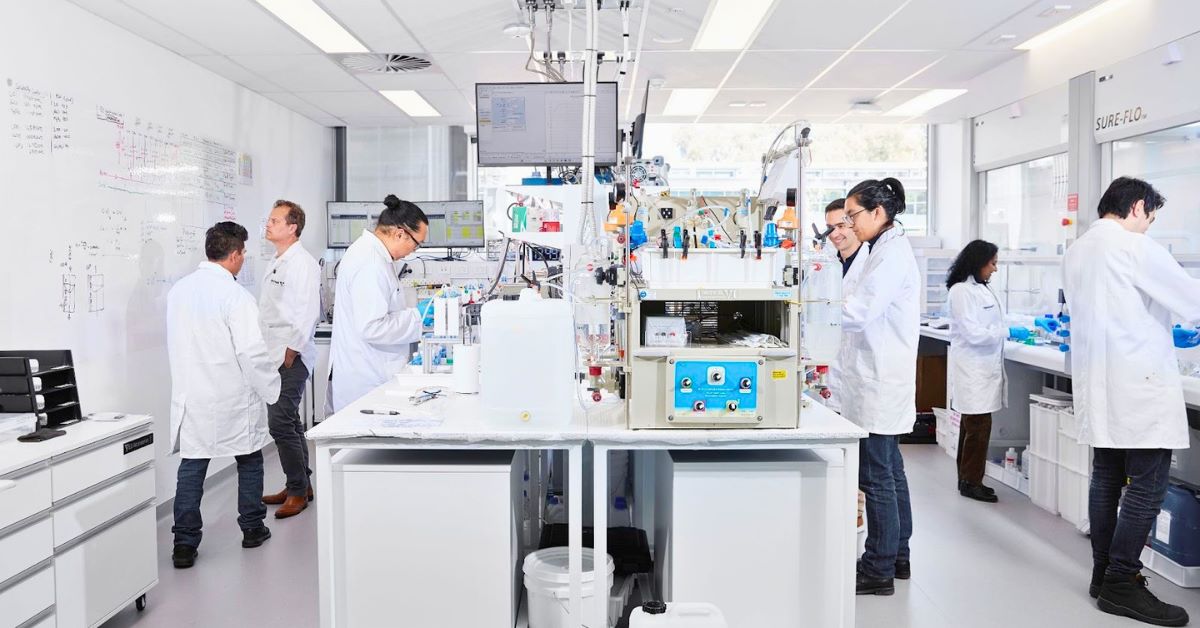
What Comes Next
ElectraLith currently operates with a team of 25, with staff in the United States and operations expanding into South America; revenue from pilot activities is expected in the near term, with meaningful commercial operations to follow across multiple geographies.
The ambition is proportionate to the problem the technology is trying to solve.
"Each day we think about what we're doing on a day-to-day basis," Charlie says. "But we also step back and think: how important can this technology be, and how important can this company be? We see ourselves as front and centre in the energy transition, at the crossroads of environment and economics; that really puts us in the driver's seat."
Learn more
Monash Innovation Labs supports deep tech ventures from early-stage residency through to commercial scale. If you are working on a technology with the potential to reshape an industry, start a conversation with us.