
A Year of Action, Growth and Impact in Clarence Valley
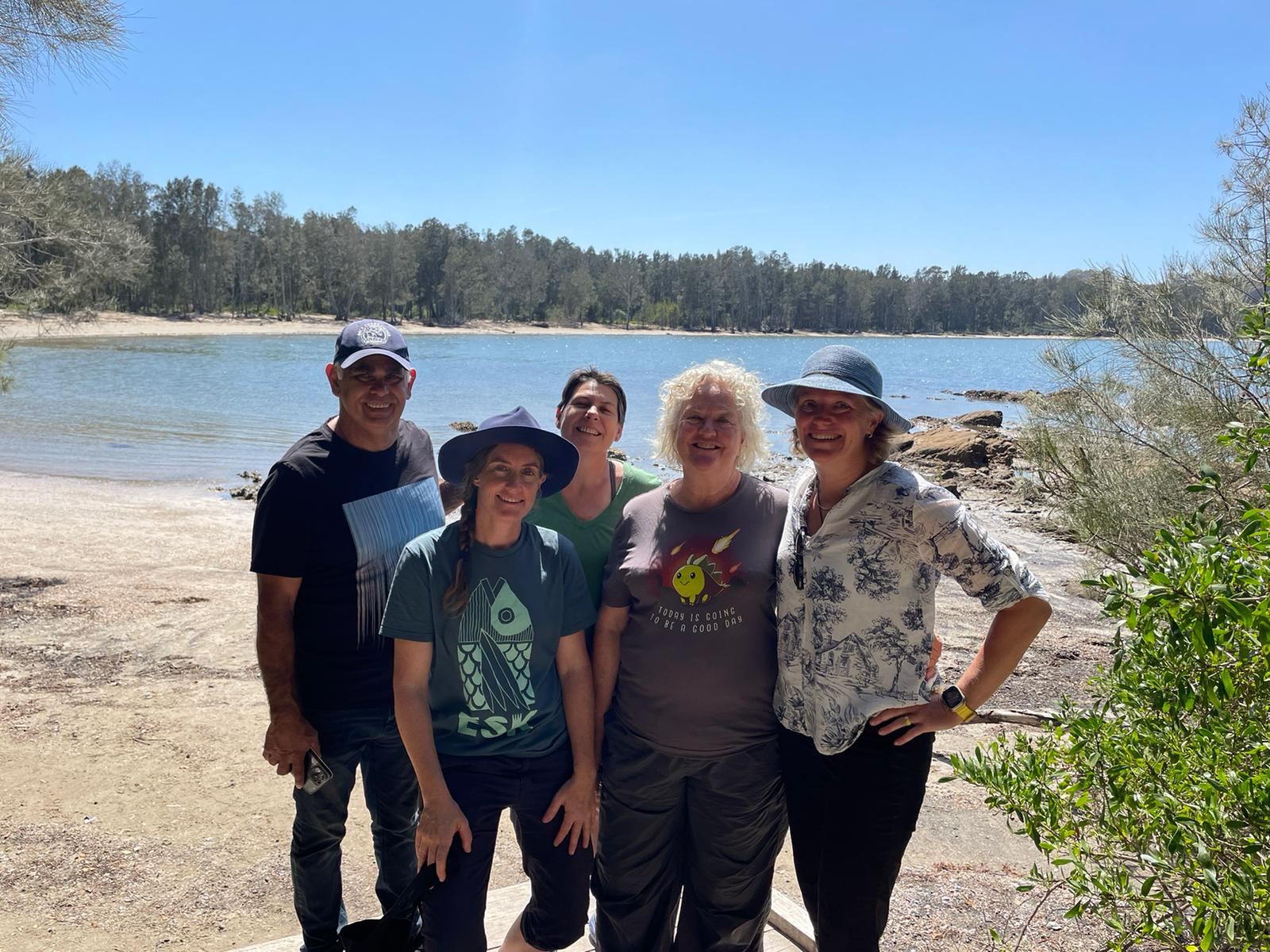
Fire to Flourish Clarence Valley spent 2024 busily co-creating solutions for disaster resilience alongside the diverse communities of the region. This summary of a year of action, growth and impact, in their own words, features in our 2024 Annual Report. Download our 2024 Annual Report here.
At the beginning of the year, Fire to Flourish Clarence Valley farewelled Roxanne Smith, who led with energy, wisdom and compassion. We welcomed Kath Kermode and John Skinner as Community Facilitators. Our relationships, processes and understanding of community priorities have been further enriched by their experience, passion and commitment.
The team has built strong bonds with Co-designers, Project Leads and people delivering projects across the Clarence Valley, joining community events and workshops, and facilitating granting rounds for Placemaking and projects focused in the lower Clarence Valley, on Yaegl Country, and north west of Grafton, on Western Bundjalung Country. This brought opportunities to meet at local spaces and community halls, so we can better understand local strengths, challenges and priorities for place-based solutions.
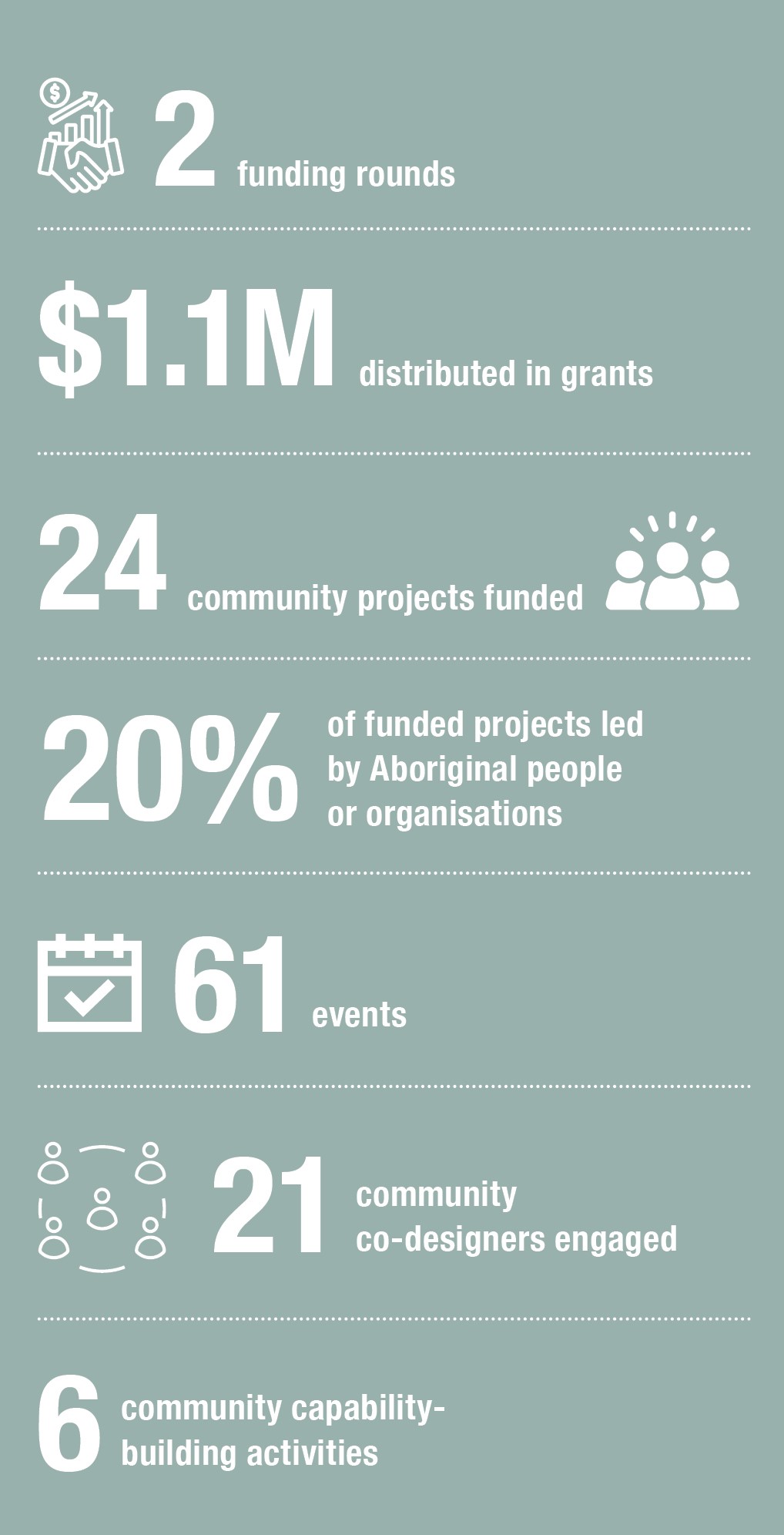
We have been inspired by the incredible effort, skills and knowledge of participants who have co-designed governance and decision-making processes in response to specific local priorities for Placemaking and Resilience Planning funding rounds, and project leads who came together in quarterly learning circles to share their experiences.
A highlight from this year was the significant Placemaking projects that have been completed or are ongoing in the Orara Valley, Blicks, Nymboida and Woombah, with collaboration and support from Monash Art Design and Architecture. These communities are improving their infrastructure, natural and social connections, feasibility studies and masterplans for larger projects.
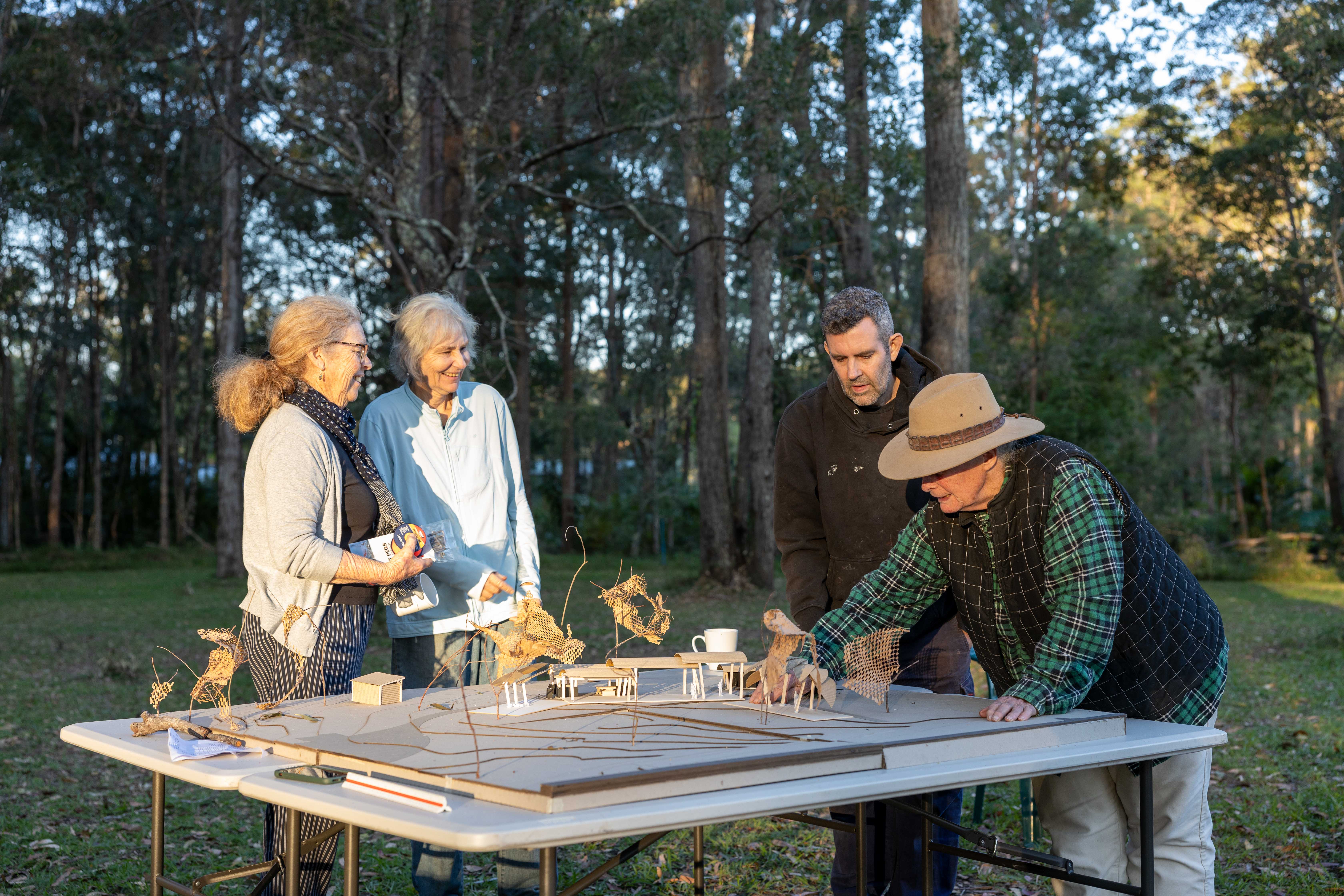
While we facilitate ongoing community disaster resilience project support, the program is measuring the impact of programs, events and projects completed.
In January, Fire to Flourish researchers and local community connectors conducted the Climate Resilience Measurement for Community survey to measure the disaster resilience to bushfires and floods in communities along the Clarence River, from Iluka to Ashby. The results will be shared in community forums next year.
Other significant activities included visits from the Paul Ramsay Foundation and Fire to Flourish executives, presenting our work at conferences, and being there in person to accept the Resilient Australia Award - each of these activities provided strategic opportunities to connect broadly and share what we’ve learned, demonstrating the empowerment that comes from community voices being recognised and celebrated.
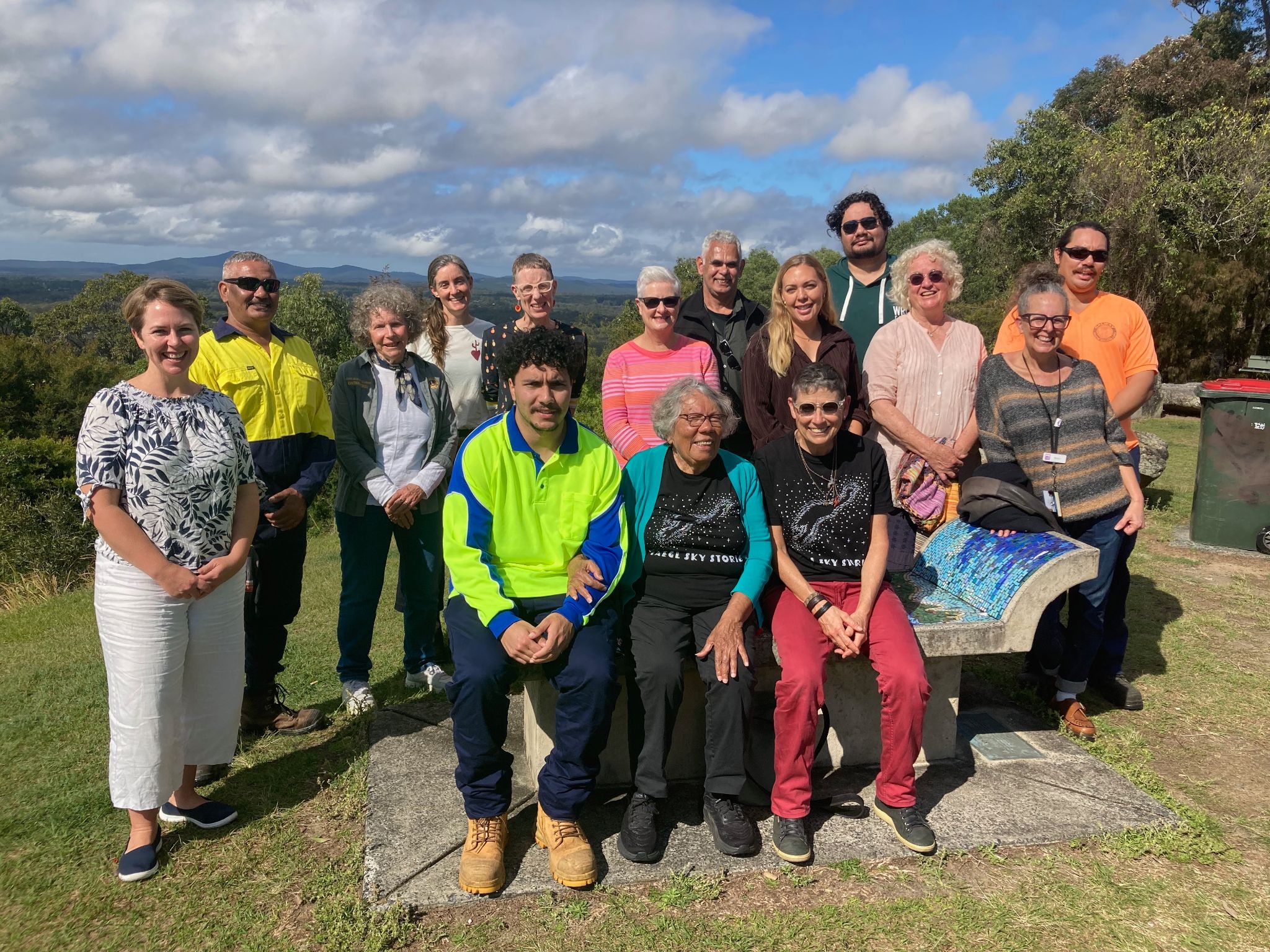
As we develop the Caring for Country and Youth funding round, we are embodying the guiding principle of foregrounding Aboriginal wisdom - through strong community engagement to develop a research agreement and determine priorities for communities on Bundjalung, Gumbaynggirr and Yaegl Countries.
Fire to Flourish Clarence Valley team
Clarence Valley resilience project spotlight: Regenerate, Learn, Grow
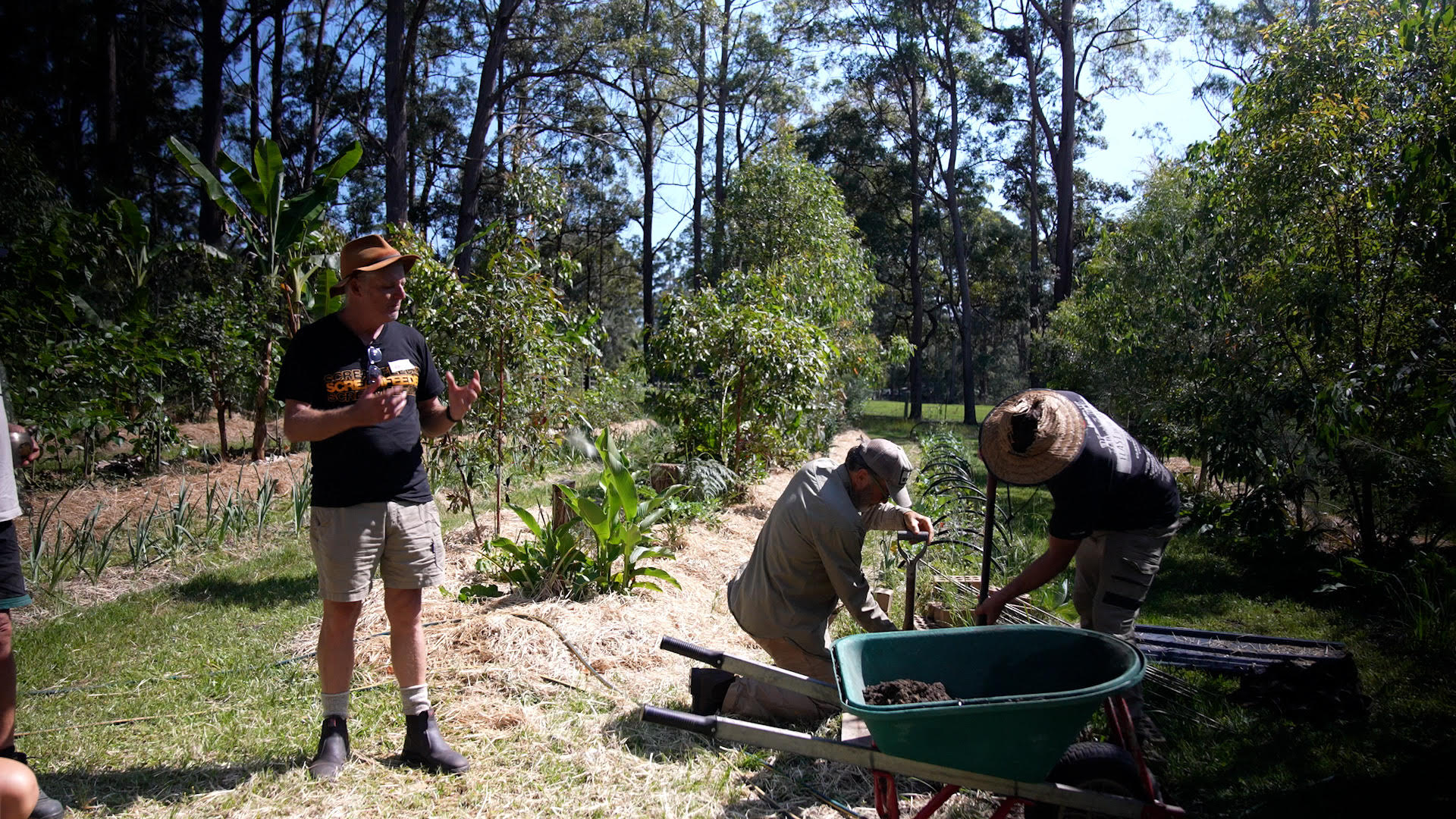
This resilience project, one of 24 community projects funded by Fire to Flourish Clarence Valley in 2024, features in our 2024 Annual Report. Download the report to learn more about the inspiring success of Fire to Flourish Clarence Valley.
Before regenerative farming practices were introduced on Chaffin Creek Farm, community members often struggled with food security due to damaged Country, reduced biodiversity, supply issues and a lack of locally grown food. With the help of a series of regenerative farming workshops funded by Fire to Flourish Clarence Valley, Gina Lopez and Robbie Hill have turned Chaffin Creek Farm into a thriving community space, helping ensure that locals have the knowledge, supplies and support needed for food security.
The workshops, covering topics such as biodynamics and syntropic agroforestry, are improving knowledge and connections within the community, enhancing soil health, fostering nutritious food growth, and supporting landscape recovery and resilience.
Learn more about this community project here.