
About
Charter of Lifelong Rights in Recordkeeping for Children in Care: Version 2 (2025)
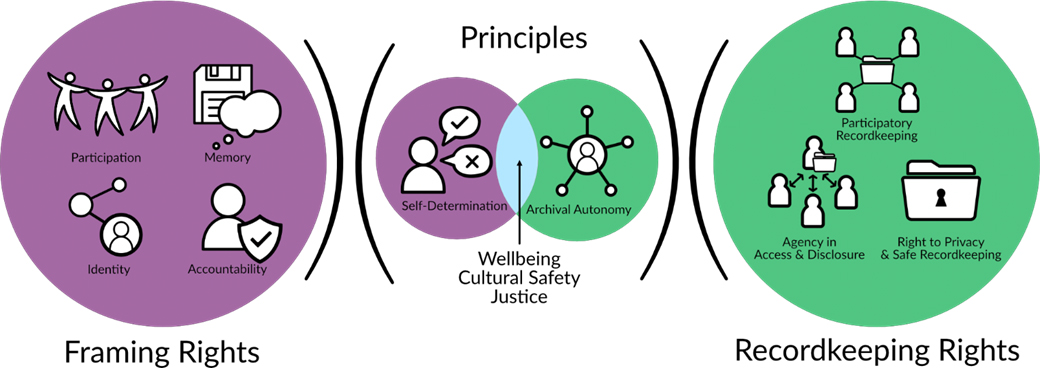
Figure 1. Graphic representation of the Charter of Lifelong Rights in Childhood Recordkeeping in Out-of-Home Care designed by Dr Antonina Lewis
The Charter Version 2 (2025) addresses the critical, lifelong and diverse evidence and information needs of:
- Australian and Indigenous Australian children and young people in Care
- Care leavers, including the Stolen Generations
Exposure Draft of the Charter of Lifelong Rights in Recordkeeping for Children in Care Version 2 (2025). An Implementation Toolkit for Version 2 is under development.
Version 1 of the Charter and its Implementation Toolkit is available here.
The main goal of the Charter Version 2 (2025) is to strengthen the voices of children in Care and Care leavers in decision-making that affects them, and in recordkeeping itself. This acknowledges that Care-experienced individuals can speak with direct authority on the ways in which recordkeeping affects the exercise of their rights leading up to, during, and after Care. The voices of Aboriginal and Torres Strait Islander children and Care leavers, including Stolen Generations, are prioritised as the best expressions of knowledge regarding their rights and experiences.
A response to the call by Care leavers and the organisations that serve and advocate for them to “Set the Record Straight for the Rights of the Child, the Charter focuses on driving transformational changes in childhood recordkeeping.
At the 2017 Setting the Record Straight for the Rights of the Child Summit, participants who had experienced care envisioned a transformational shift away from organisation-centric records of control and surveillance, to child- and care leaver-centred recordkeeping frameworks, policies and systems.
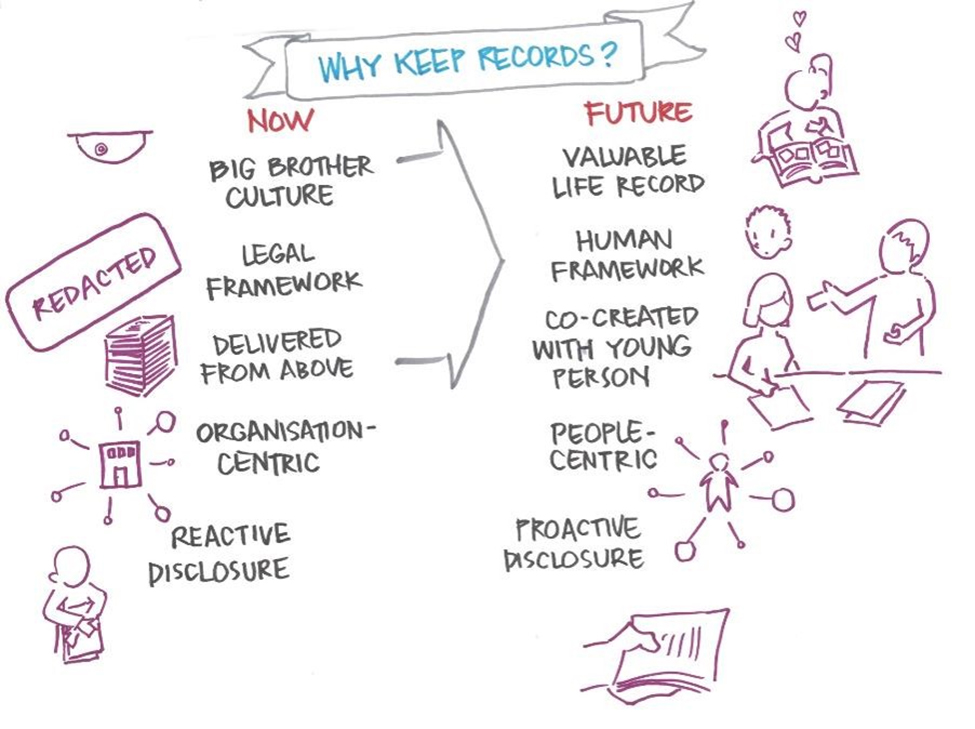
They imagined participatory recordkeeping systems that would:
- document their lives
- support the development of their sense of identity and belonging
- keep them connected with family and community
- address questions around who they are, where they come from and why they are in care.
Aboriginal and Torres Strait Island participants also emphasised the potential of recordkeeping in truth-telling and connecting to their rich heritage and Country.
In this video the recordkeeping and archiving needs for Aboriginal communities highlighted at the National Summit are discussed.
A video summary of the key issues raised at the May 2017 National Summit for IT and recordkeeping research.
In this video the recordkeeping and archiving needs for Aboriginal communities highlighted at the National Summit are discussed.
In this video participants at the National Summit highlight key recordkeeping and archiving challenges and how to move forward as a community to address them.
Prioritising Aboriginal and Torres Strait Islander children
First Nations children are 11 times more likely than their non-Indigenous counterparts to be in care3, reflecting the impact of ongoing colonisation. The voices of this community and care leavers, including Stolen Generations, are prioritised as the best expressions of knowledge regarding their rights and experiences of care.
Racially-based policies and legislation have enabled the removal of Aboriginal children, creating the Stolen Generations. The colonial legacy, institutional racism and transgenerational trauma continue to impact those in care. What’s more, there are unique human rights issues associated with Aboriginal and Torres Strait Islander children, and their removal from their families contributes to a larger colonial project of dispossession and denial of First Nations sovereignty. Community organisations are adopting a culturally-based, trauma-informed therapeutic approach to support Indigenous children and families – guided by the Aboriginal and Torres Strait Islander Child Placement Principle. By 2031, the National Agreement for Closing the Gap commits to reducing the rate of over-representation of Indigenous children in out-of-home care by 45 per cent.