
Post-doctoral profiles
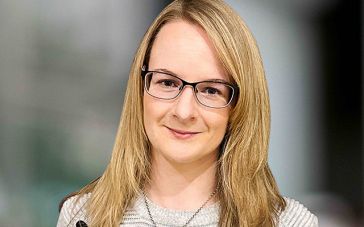
Dr Steph GarrattResearch Fellow
I’m an early career researcher, I completed my PhD through the School of Population Health at the University of Auckland in New Zealand in late 2022. In 2018 I decided to apply for part-time research jobs in Melbourne, so that my options after PhD were a little broader than just New Zealand. Now over 5 years later I’ve become an Australian citizen, married an Australian, and am very happy to be working full-time as a research fellow with the School of Nursing and Midwifery at Monash University. I also work casually after hours as a group fitness instructor, and do a lot of walking around the Yarra trail.
What drew you to research? My family would say a combination of nature (strong sense of fairness even as a child), and nurture (both parents worked closely with aged care as pharmacists). I also enjoy asking 'why/how' based questions, and practical problem-solving. When I started out as a Bachelor of Arts undergraduate in 2010 (Sociology) I did not expect to end up as a researcher. I chose to do a paper on research ethics in my final year of my BA(Hons) at Otago University, which dovetailed into a Masters of Public Health at the University of Auckland focussing on healthcare ethics in 2014. During my MPH I worked with the aged care sector in New Zealand, implementing medication management systems, and also taught on a healthcare ethics undergraduate course. After a year away from research to teach and catch my breath, I dove straight into a PhD in 2017 combining my two emerging areas of expertise: care of older adults, and healthcare ethics. Sometimes, all it takes is one course, assignment, or lecture, for a students to find their ‘thing’, and start their journey towards a rewarding career.
Tell us about your current project(s) / areas of research My research areas include: gerontology, heathcare ethics, dementia care, consumer input into care, health services research, and medication management. Currently I am working on two projects with Professor Elizabeth Manias as my supervisor/mentor. Both projects are focused how medication is given to older adults in residential aged care. The first is quantitative, a national audit of medication records from residential aged care (medications given, versus omitted/not given). The second is qualitative, involving observation of practice in residential aged care, interviews with older adults, aged care workers, and older adults’ family members, and co-design workshops. The aim is to develop recommendations and resources for the aged care sector around supporting older adults’ medication preferences.
What are your career goals? My main career goal is to obtain funding in the next year or so that will support my research role ongoing at Monash University beyond 2026. This means applying for lots of fellowship opportunities and developing project ideas that are of interest and value to stakeholders in Australia. Beyond that, I’m working towards becoming an accredited supervisor for higher-degree research students, and would be very open to adding some teaching back into my workload again at some point.
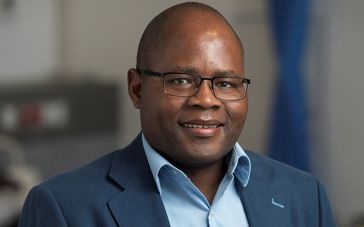
Dr Edward Zimbudzi Senior Lecturer | ECR Coordinator
I'm a Senior Lecturer with Monash Nursing and Midwifery, and a Senior Research Fellow at Monash Health. I have more than 20 years of experience in complex clinical environments, and have gained comprehensive expertise in clinical practice, research, and leadership. I completed my PhD at Monash University through the Department of Epidemiology and Preventive Medicine, contributing to a large-scale, multi-site NHMRC partnership project.
My research is focused on optimising self-management interventions to enhance the health-related quality of life for patients with diabetes and chronic kidney disease. This work culminated in the establishment of the Diabetes and Kidney Service, an innovative, patient-co-designed program developed in collaboration with General Practitioners, endocrinologists, nephrologists, and advocacy organisations such as Diabetes Australia and Kidney Health Australia.
What drew you to research? My passion for research stems from my deep curiosity and a desire to solve real-world problems. My research drew on 20 years of experience working with people who have comorbid diabetes and kidney disease. While it is known that the greater part of the management of these conditions occur at home, it is unclear whether patients and healthcare workers are aware of specific self-management interventions that lead to optimal patient outcomes including quality of life. The need for this understanding stimulated my passion for research that not only yields co-designed approaches to self-management, but also enhances knowledge, health, economic and social impacts for these patients and the broader community. Today, I’m still motivated by the opportunity to uncover new insights that could improve lives of people with chronic diseases particularly diabetes and kidney disease.
Tell us about your current project(s) / areas of research Currently, I am working on a project that focuses on optimising self-management and activation strategies for individuals with comorbid diabetes and chronic kidney disease from culturally and linguistically diverse backgrounds. The goal of the project is to improve the activation levels of individuals by integrating personalised and culturally sensitive interventions that can assist them in managing their condition more effectively. I utilise a mixed-methods approach, using both quantitative surveys and qualitative interviews to gather data on patient outcomes and experiences. This research has the potential to significantly improve patient outcomes and reduce healthcare costs, which is especially critical as the prevalence of these conditions continues to rise globally. I am actively participating in various clinical studies, including a randomised controlled trial focused on evaluating tailored educational and self-management Interventions to support Patient Activation in adults on hemoDialysis (IPAD study). This study will deliver crucial evidence on the impact of tailored interventions in enhancing patient activation among people with end-stage kidney disease on maintenance hemodialysis.
What are your career goals?
I aim to lead innovative research projects that significantly improve outcomes for individuals living with chronic diseases. In addition to conducting cutting-edge research, I am committed to mentoring undergraduate and graduate students, fostering the next generation of scholars and researchers. Through my work, I seek to produce accessible, impactful research that benefits the broader community and contributes to policy-making by providing evidence-based recommendations in my area of expertise. My long-term vision is to establish a globally recognised research center dedicated to co-designing and translating self-management and activation interventions for individuals with chronic diseases, particularly those with comorbid diabetes and chronic kidney disease.