
Keynote Speakers
Prof. Barbara Kirchner (University of Bonn)

Prof. Barbara Kirchner holds a chair for theoretical chemistry at the Mulliken center for Theoretical Chemistry in Bonn where she is also currently head of the department of chemistry. She is a member of the steering groups of the trans-disciplinary research areas “Building Blocks of Matter and Fundamental Interactions” and “Innovation and Technology for Sustainable Futures” at the University of Bonn. Furthermore, she serves as Editor of Topics in Current Chemistry and Chemical Physics, and acts as reviewer for many impact journals from ACS, Wiley and RSC journals. From 2015 to 2019 she cooperated in the DFG committee for “IT-Infrastruktur” and since 2019 she serves as a member in the DF committee “Geräteausschuss”. She is specialized in theoretical methods for liquids, for example ionic liquids and deep eutectic solvents. However, her research interests and impact reach far beyond the topic of ionic liquids, they cover a wide range of fields in theoretical, physical, (bio)organic, inorganic and sustainable chemistry, with a refreshing new view on chemical problems, offering innovative solutions and explanations in unexpected and elegant ways. She investigates functional materials such as chemically active domains in liquids, bulk and interfacial liquid-liquid systems for extraction, and energy devices. Her research involves two larger software projects: Peacemaker and Travis. While the former program is gradually gaining more and more attention for predicting physical and chemical properties of liquids based on high level quantum chemical calculations, the latter allows a systematic characterization of molecular simulation trajectories, and is used broadly in the international scientific community.
She is and was involved in several national (numerous DFG projects including CRCs and SPPs) and international funding projects, such as the ECOBAT project of the Excellence of Science (EOS) Call 2021 (FWO-FNRS), the four MSCA-ETN projects (SOCRATES) or the German Federal Ministry of education and research (BMBf) funded LuCaMag project: Pathways to secondary Mg / Ca air batteries. She organized and co-organized several conference and events, including amongst many, twice the Women in Science Initiative of the CRC 813 Topical Workshops (in 2015 and 2016), and the international conference CPMD 2013 “Matter, life, light from ab initio molecular dynamics simulations”. She served in Leipzig as equal opportunity commissioner and founded the Women in Chemistry group in Bonn.
Barbara Kirchner has published 233 publications so far and focuses on the development of methods in particular for statistical thermodynamics (quantum cluster equilibrium) as well as for molecular simulations and the subsequent data analysis, which is demonstrated in numerous publications in high-ranking theory journals. Her h-index reaches 61 with 12908 citations on google scholar.
Prof. Masahiro Yoshizawa-Fujita (Sophia University)
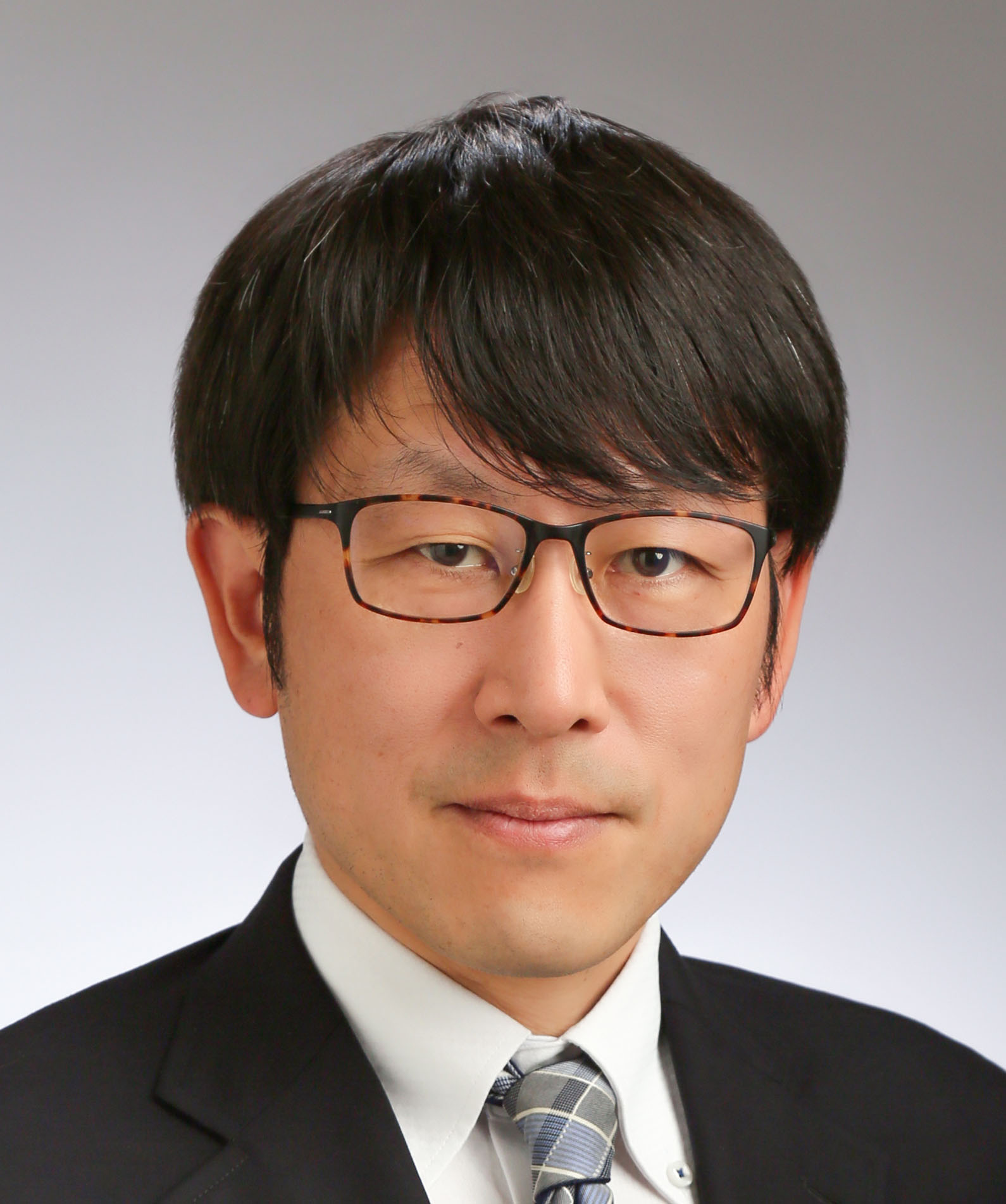
Profile of Dr. Masahiro Yoshizawa-Fujita
28 July 1973 Born in Hitachi, Japan
March 1996 Bachelor of Engineering, Department of Biotechnology, Tokyo University of Agriculture & Technology
March 1999 Master of Engineering, Department of Biotechnology, Tokyo University of Agriculture & Technology
March 2002 Doctor of Engineering, Department of Biotechnology, Tokyo University of Agriculture & Technology
2002 Post doc (Research Fellowship for Young Scientists, Japan Society for the Promotion of Science (JSPS)) at Deparment of Biotechnology, Tokyo University of Agriculture & Technology
2003 Postdoc at Deparment of Biotechnology, Tokyo University of Agriculture & Technology
2004-2005 Postdoc (Discovery-Project, Australian Research Council) at School of Chemistry, Monash University
2006-2010 Assistant professor at Department of Materials & Life Sciences, Sophia University
2011-2018 Associate professor at Department of Materials & Life Sciences, Sophia University
2019-present Professor at Department of Materials & Life Sciences, Sophia University
_____________________________________________________
Invited talks:
Prof Debbie Silvester-Dean (Curtin University)

Prof. Debbie Silvester-Dean is an electrochemist and ARC Future Fellow in the School of Molecular and Life Sciences at Curtin University, Perth. She completed her DPhil (PhD) at the University of Oxford, UK, then spent a short time as an intern for Schlumberger Cambridge Research, before arriving at Curtin University as a Curtin Research Fellow. In 2012, she was awarded an ARC Discovery Early Career Research Award (DECRA) and in 2017, a Future Fellowship. She was elected a Fellow of the Royal Australian Chemical Institute (RACI) in 2020 and a Fellow of the Royal Society of Chemistry (RSC) in 2022.
Her research focusses on the application of ionic liquids as electrolytes in electrochemical reactions, with an emphasis on understanding fundamental behaviour to developing new electrochemical sensors. She has won various awards for her research, including the Le Fèvre medal from the Australian Academy of Science, a WA Young Tall Poppy award, the Rennie Memorial medal from the RACI, the RACI Phys Chem Lectureship, the Peter W. Alexander Medal from the Analytical & Environmental Division of the RACI, and the Alan M Bond medal from the Electrochemistry Division of the RACI. She is currently the secretary for the Electrochemistry Division of the RACI, and the Australia/New Zealand regional representative for the International Society of Electrochemistry (ISE).
Prof Luke C. Henderson (Deakin University)
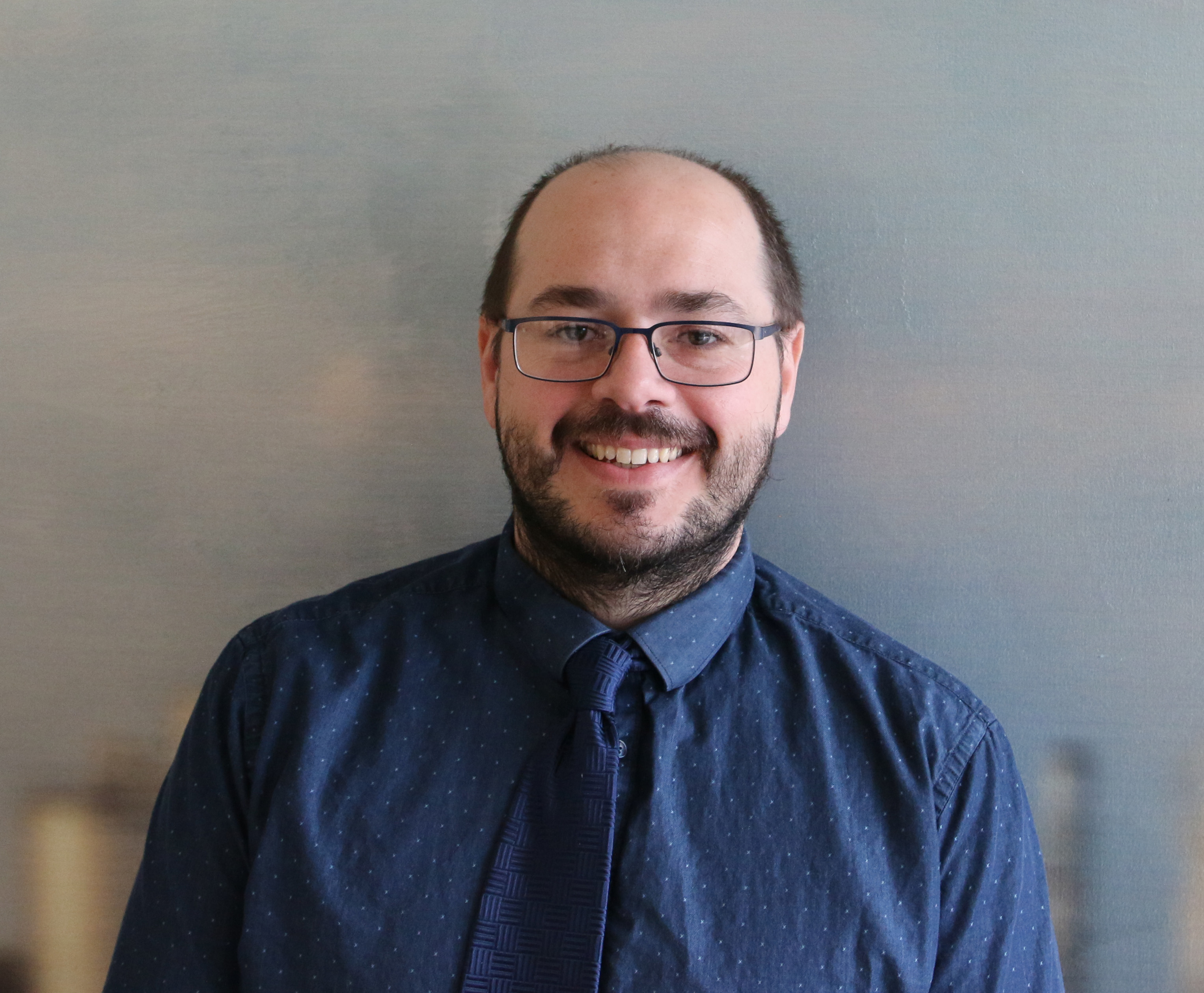
Luke obtained his PhD from Griffith University in 2008, under the supervision of Prof Wendy Loughlin and Prof Ian Jenkins. He then took on a postdoctoral position at Oxford University with Prof Michael Willis, followed by an Alfred Deakin postdoctoral fellowship at Deakin with A/Prof Fred Pfeffer. In recent years his work has focused on the modification of surface chemistry for the development of high performance composite materials. The majority of his work has been on carbon fibres and works closely with a range of international industry partners such as Solvay, Rolls Royce, SABIC, and the US department of defence.
Dr Alina Brzeczek-Szafran (Silesian University of Technology)

Dr Alina Brzęczek Szafran is an Assistant Professor at the Department of Chemical Organic Technology and Petrochemistry at the Silesian University of Technology, where she completed her PhD. She works in the group lead by prof. Anna Chrobok which focuses on the design, characterization and application of functional ionic liquids in the sustainable, green processes for fine chemicals production. Her research interests are based on the development of alternative solvents and functional materials, including bio-sourced and acidic ionic liquids for clean heterogeneous catalysis and energy storage applications.
She has been a visiting scientist in centres with excellence in material science and ionic liquids, including the Intelligent Polymer Research Institute at the University of Wollongong and Queen’s University Ionic Liquid Laboratories at the University of Belfast.
Dr Eden Tanner (University of Mississippi)

Dr. Eden E. L. Tanner completed her undergraduate degree in Advanced Science (Chemistry) at the University of New South Wales, Sydney, Australia. She earned her doctorate in Physical and Theoretical Chemistry at the University of Oxford with Prof Richard G. Compton, and moved to Harvard University in 2017 as a Postdoctoral Research Fellow with Samir Mitragotri. As of August 2020, Dr. Tanner is an Assistant Professor of Chemistry and Biochemistry at the University of Mississippi. The Tanner Lab works at the interface of Chemistry and Bioengineering with a focus on using ionic liquids to solve problems in nanoparticle drug delivery.
Dr Cameron Weber (University of Auckland)
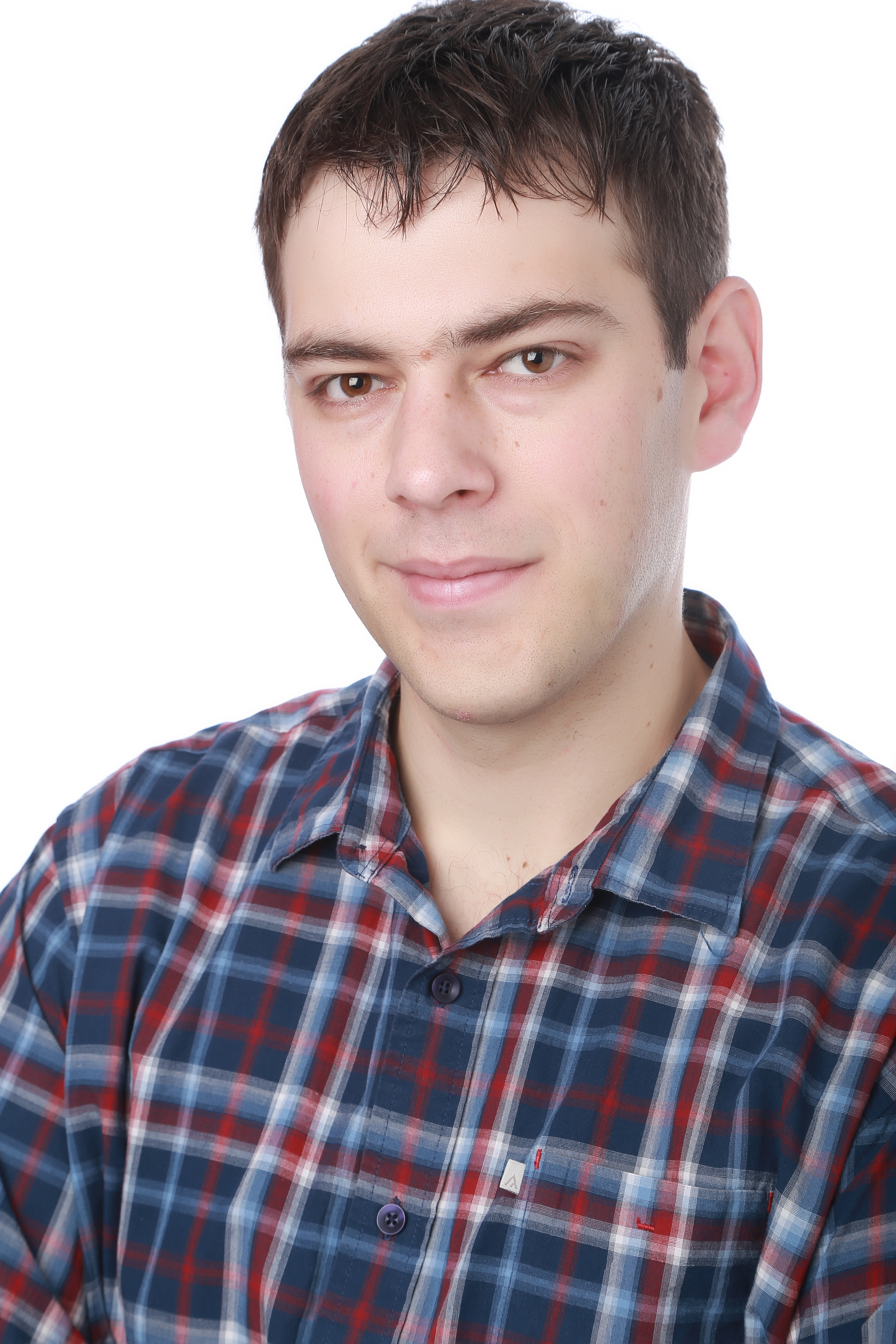
Dr Cameron Weber is a Senior Lecturer in the School of Chemical Sciences and a Deputy Director of the Centre for Green Chemical Science at the University of Auckland. He completed his undergraduate degree and PhD at the University of Sydney before taking up postdoctoral research positions at the Massachusetts Institute of Technology and Imperial College London including a Marie Skłodowska Curie Fellowship held at Imperial College London. He moved to Auckland in 2017, firstly as a Lecturer at the Auckland University of Technology before taking up his current position at the University of Auckland in 2019. His research focuses on alternative solvents such as ionic liquids, deep eutectic solvents and switchable solvents including understanding their fundamental liquid structure, their effect on chemical reactivity and their use in extraction and separation processes.
Dr Karolina Matuszek (Monash University)
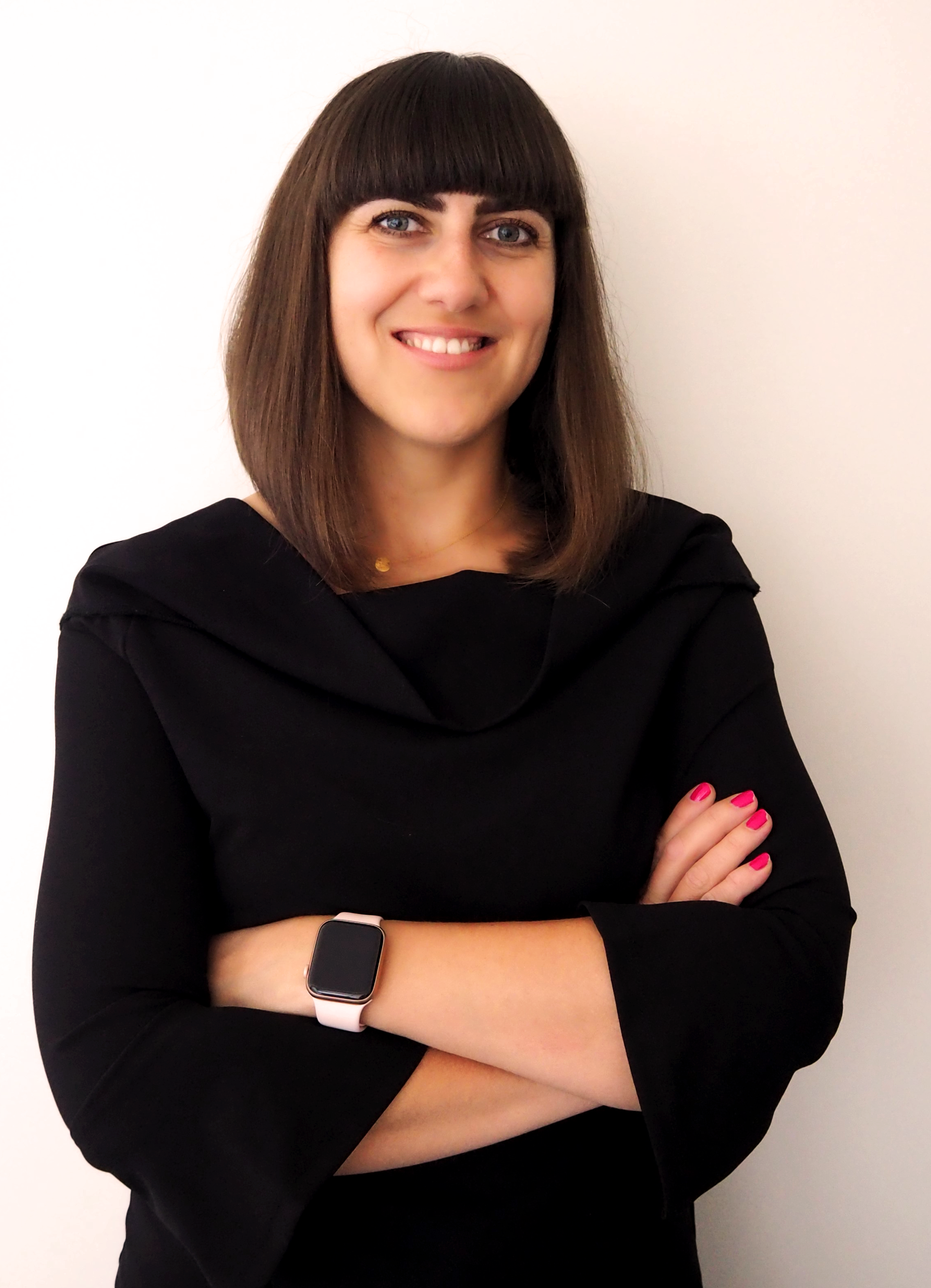
Dr. Karolina Matuszek is a postdoctoral research fellow at Monash University in Australia. She received her degree and PhD at the Silesian University of Technology in Poland in 2017. From the beginning of her scientific career, she focused on the synthesis and characterisation of ionic liquids for various application. Currently she is working in the area of synthesis and application of ionic liquids and organic salts as phase change materials, focusing mostly on the intermediate temperature range materials for application in the renewable energy storage.