Simonds Lab research
Collaborations | Student research projects | Publications
About Dr Stephanie Simonds
Steph obtained her doctorate from Monash University where she studied in the laboratory of Professor Michael Cowley. During her PhD, Steph pioneered the combinatorial use of telemetric data capture techniques to investigate the neurohormonal mechanisms underlying obesity-induced hypertension. Steph’s research seeks a deeper and broader understanding of two global epidemics: Obesity and Air Pollution. Using the most sensitive and specific preclinical techniques available, Steph aims to unravel disease mechanisms in order to expedite the development of diagnostics, pharmaceuticals and policy. Steph’s work has been published in journals including Nature, Cell, Cell Metabolism and The Journal of Clinical Investigation.
Steph’s research has been rewarded with the L’Oréal UNESCO for Women in Science Australia Fellowship (2017), The Victorian Government Premiers Award for Health and Medical Research (2016), The National Heart Foundation of Australia Paul Korner Innovation Award (2015) and The Royal Society of Victoria Young Scientist of the Year Research Award (2012).
Our research
Current projects
- Mechanisms of air pollution-induced disease.
- The mechanisms of leptin-induced hypertension in obesity.
- Novel adjunctive therapeutics for type 1 diabetes.
- Can we recruit the cold receptor system in the fight against obesity and type 2 diabetes?
- Can we engage central weight loss circuits without inducing hypertension?
- Long term effects of weight loss strategies on disease development.
- Mechanisms of stress-induced eating.
- Understanding cardiovascular disease in women: Obesity and menopause.
- What causes hypertension in pregnancy?
- How does the brain regulate peripheral glucose uptake?
Visit Dr Simond's Monash research profile to see a full listing of current projects.
Research activities
The primary research focus of the Integrated Physiology Lab is on the development of obesity-associated diseases including diabetes and cardiovascular diseases. We use mouse models of disease states in order to probe the mechanisms underlying obesity-associated disease development. We use world leading research techniques in order to answer fundamental questions such as:
- “What is a healthy diet?”
- “Can I be overweight and healthy?” and
- “As a woman am I at increased risk of developing an obesity-associated disease?”
2019 represents a particularly exciting year in the Integrated Physiology Lab as we are embarking upon a novel research stream investigating the effects of air pollution on the cardiovascular, respiratory and metabolic health.
Techniques/expertise
- Optogenetic & chemogenetic modulation of neuronal activity
- In vivo single-cell calcium imaging
- Central nervous system and adeno-associated virus studies
- Body weight & food intake (manual & BioDAQ) studies
- Orogastric and intragastric feeding
- Indirect gas calorimetry
- Climate chambers
- Whole animal plethysmography
- Euglycemic Clamp
- Infusion studies
- Continuous telemetry – cardiovascular, blood glucose, temperature & locomotor activity studies
- Stress-induced overfeeding experimental models
- DEXA body composition analysis
- Echo MRI body composition analysis
- Glucose/insulin/pyruvate tolerance-testing
- Ex vivo tissue analysis
- Ex vivo peptide secretion analysis
- Radioimmuno assay
- Immunohistochemistry & ELISA
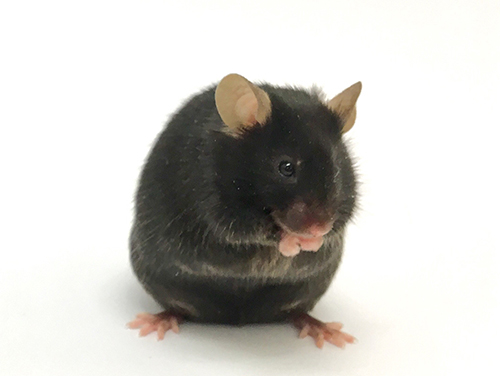
Figure 1: Obese and diseased mouse models are critical to our understanding of human obesity and obesity-associated diseases.
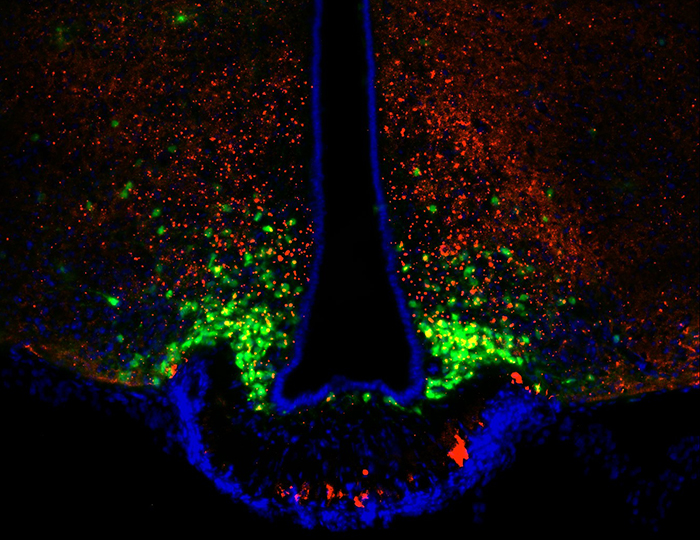
Figure 2: Immunohistochemistry is an invaluable tool that allows us to visualise neurons, proteins and receptors that are important for energy balance.
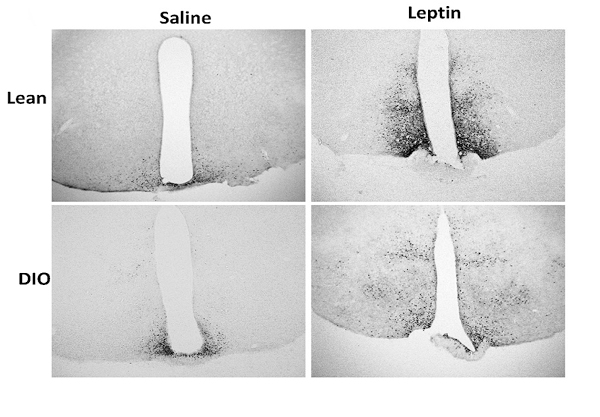
Figure 3: One research area of our lab is investigating the metabolic and cardiovascular effects of the fat-derived hormone leptin.
Here we use immunohistochemistry to show that neurons in the dorsomedial hypothalamus remain sensitive to
leptin in obesity, whereas those in the arcuate nucleus lose leptin sensitivity.
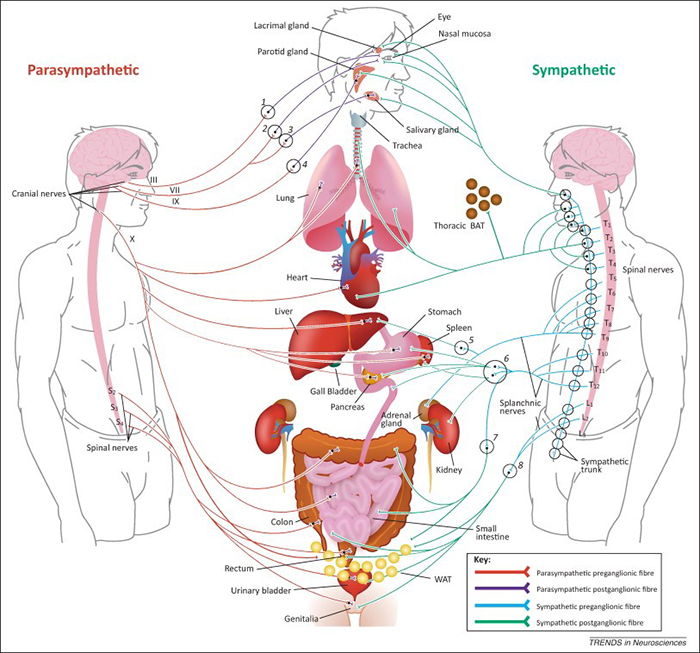
Figure 4: The central nervous system is central to energy balance. We need a deeper understanding of how the brain
and body communicate and control metabolism.
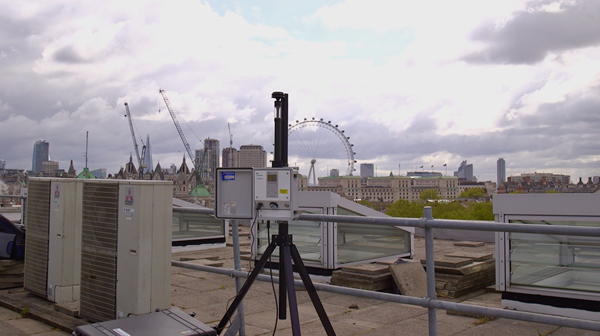
Figure 5: We use the Thompson Environmental Systems Dustmaster Pro to collect real air pollution around the globe.
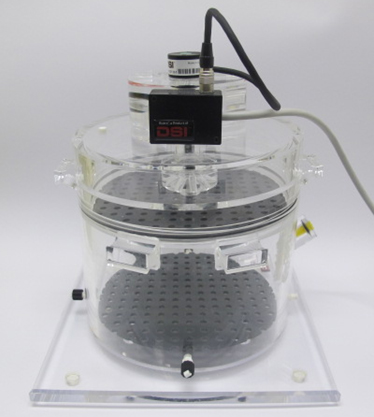
Figure 6: Whole animal plethysmography is the newest research technique to be employed by our lab.
It allows us to measure the respiratory effects of air pollution, in real time.
Collaborations
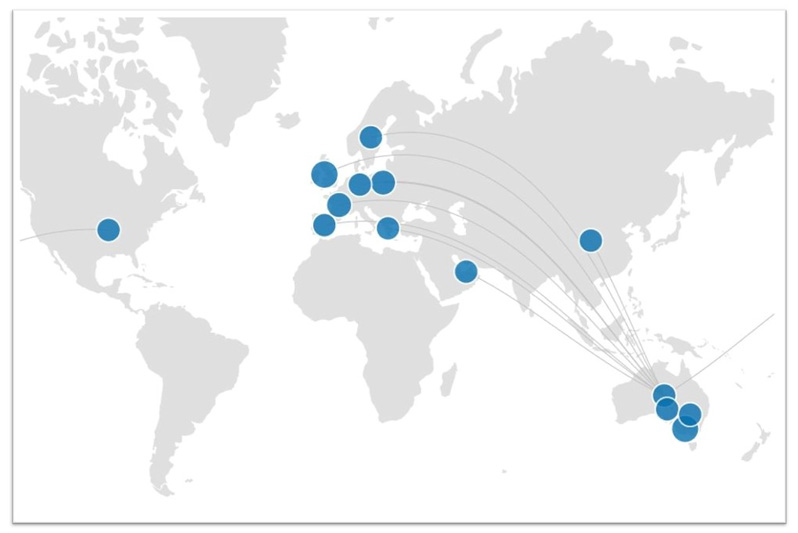
In addition to multiple industry partners, the Integrated Physiology Laboratory (Simonds Lab) holds many collaborative projects with the Metabolic Neurophysiology Laboratory (Cowley Lab), also within the Monash BDI. Click on the map to see the details for each of these collaborators (dive into specific publications and outputs by clicking on the dots).
Student research projects
The Simonds Lab offers a variety of Honours, Masters and PhD projects for students interested in joining our group. There are also a number of short-term research opportunities available. You are encouraged to contact Dr Stephanie Simonds regarding potential projects that align with the presented research themes.