Home
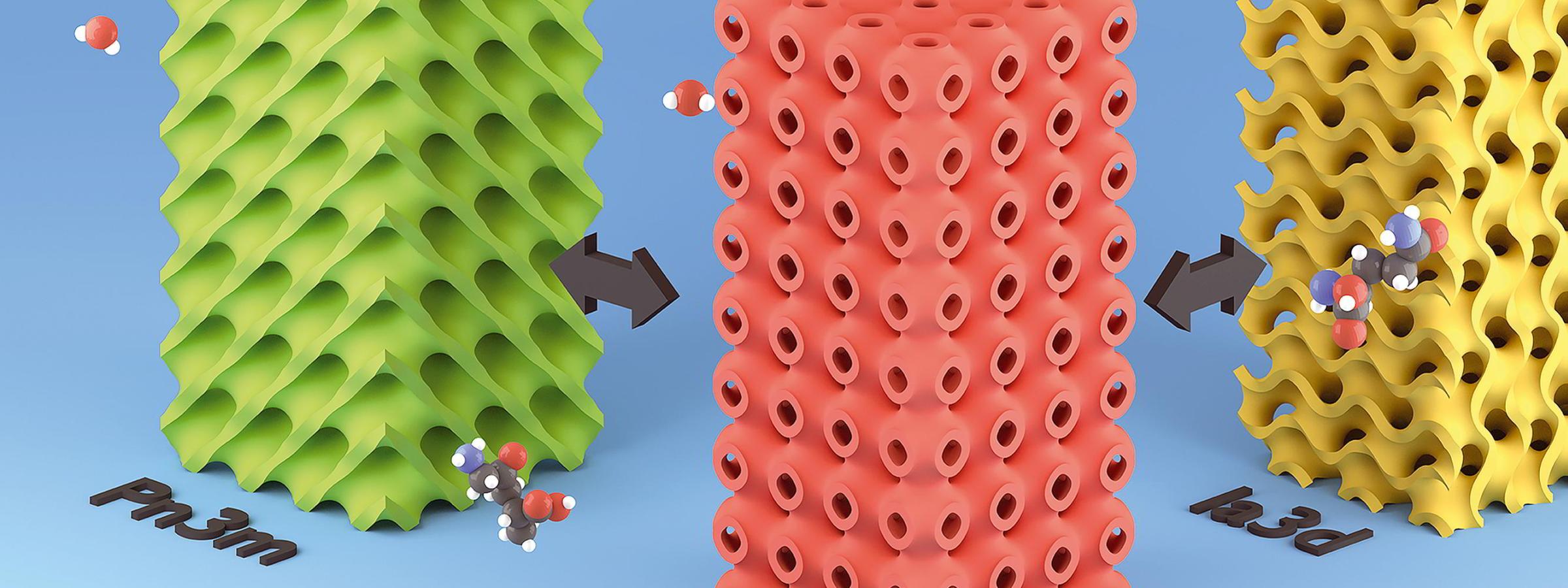
The Hybrid Assembly Group (HAG) focuses on the sustainable production and processing of soft materials. We do this by investigating the structure – property relationships for food, biological and biomedical applications. The group uses a combination of chemical engineering, physical chemistry, biochemistry and cell biology approaches. We have a focus on using advanced (light, X-ray and neutron) scattering and microscopy techniques to investigate the micro- and nano-structure of the materials depending on processing parameters. We are particularly interested in hybrid protein–lipid materials. This includes lipid self-assembly materials for the encapsulation of integral membrane proteins, therapeutic peptides and bioactive components, as well as protein–rich food products such as vegetables, nuts, dairy and pulses.
Joining the group
Interested scientists and engineers from a wide range of disciplines are very welcome to get in touch. The Hybrid Assembly Group provides training for postgraduate students (PhD and MSc) and project students (e.g. BSc) from chemistry, chemical engineering, biochemistry and related degrees.
Masters by Research or PhD Scholarships in Chemical Engineering are open for applications from domestic students until the end of May and October and from International students until the end of March and August. More information can be found here.
Latest news
September 2025
Congratulations to Parisa Eslami, Edward Attenborough, Paul Michalski and Harpreet Kaur who all submitted their PhD thesis in the last three months! Edward Attenborough's first experimental chapter is now also published in Microbial Cell Factories! This study provides a systematic comparison of PHA biopolymers from common sugars, with full characterisation of monomer composition, molecular weight, and thermal behaviour with demonstrated use in soft plastics. Paul Michalski's second experimental chapter is a further recently published paper by the group in Food Chemistry This work is also highlighted in a recent newspaper article in the Guardian. Flavour of the month: why edible natives make a delicious sustainable choice for home gardens.
March 2025
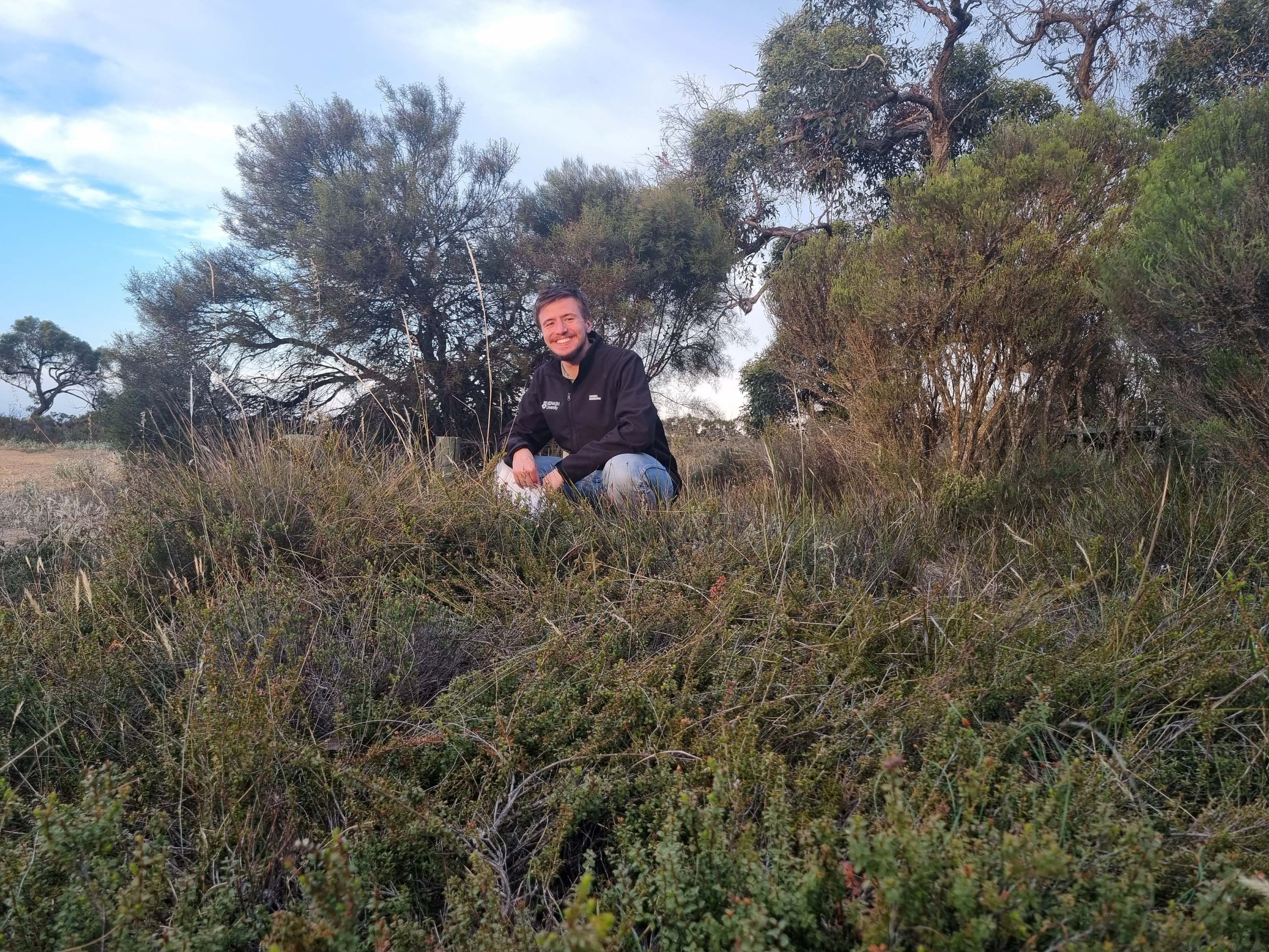
Could (Australia’s) native fruits hold the key to more sustainable agriculture? This is a question we have been working on in the PhD project of Paul Michalski which is now out in this media release & linked Journal of Food Engineering paper. In a time where water scarcity makes conventional agriculture more and more challenging, efficiently processing native crops - which deliver more nutrients and need fewer resources - offers a sustainable way to feed growing populations. First Nations Australians have long valued Australian Native Foods such as muntries, with Traditional Owner knowledge passed down by the Wotjobaluk, Jaadwa, Jadawadjali, Wergaia, and Jupagulk people.
February 2025
PhD student Eddie Attenborough receives a Fulbright Scholarship for 2025-2026. The project titled "Compostable biopolymer polyhydroxyalkanoate (PHA) films and biomedical composite materials, and their end of life" will continue on from his PhD topic on converting food waste into compostable packaging at Monash. This scholarship will support him for 5 months in 2026 at the University of Alabama at Birmingham with Associate Dean for Research & Professor Mark Banaszak Holl to work on the interesting uses and complex interactions of PHA materials at micro and nano-scale. Read Monash Engineering's article and UAB article to learn more!
November/December 2024
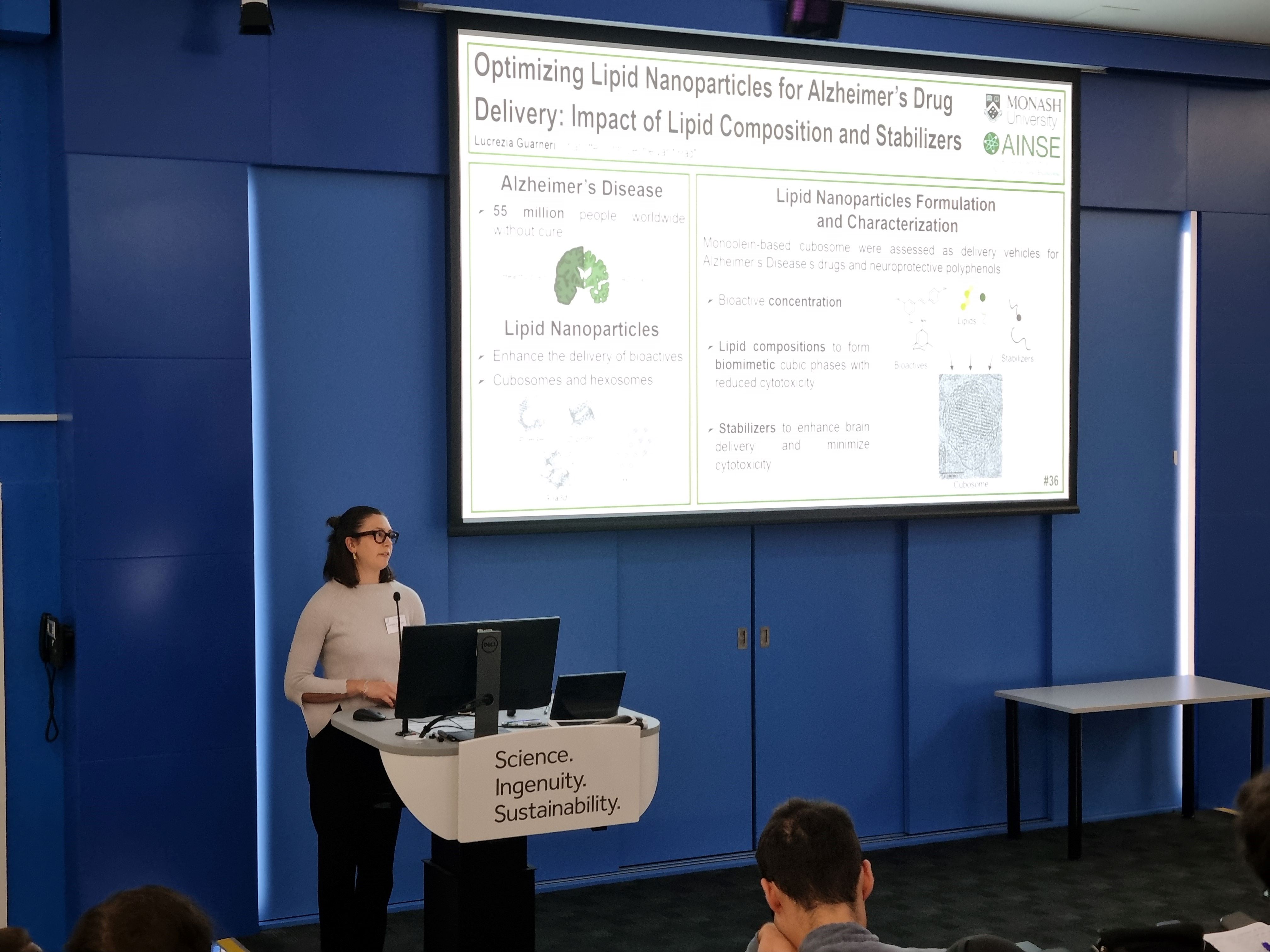
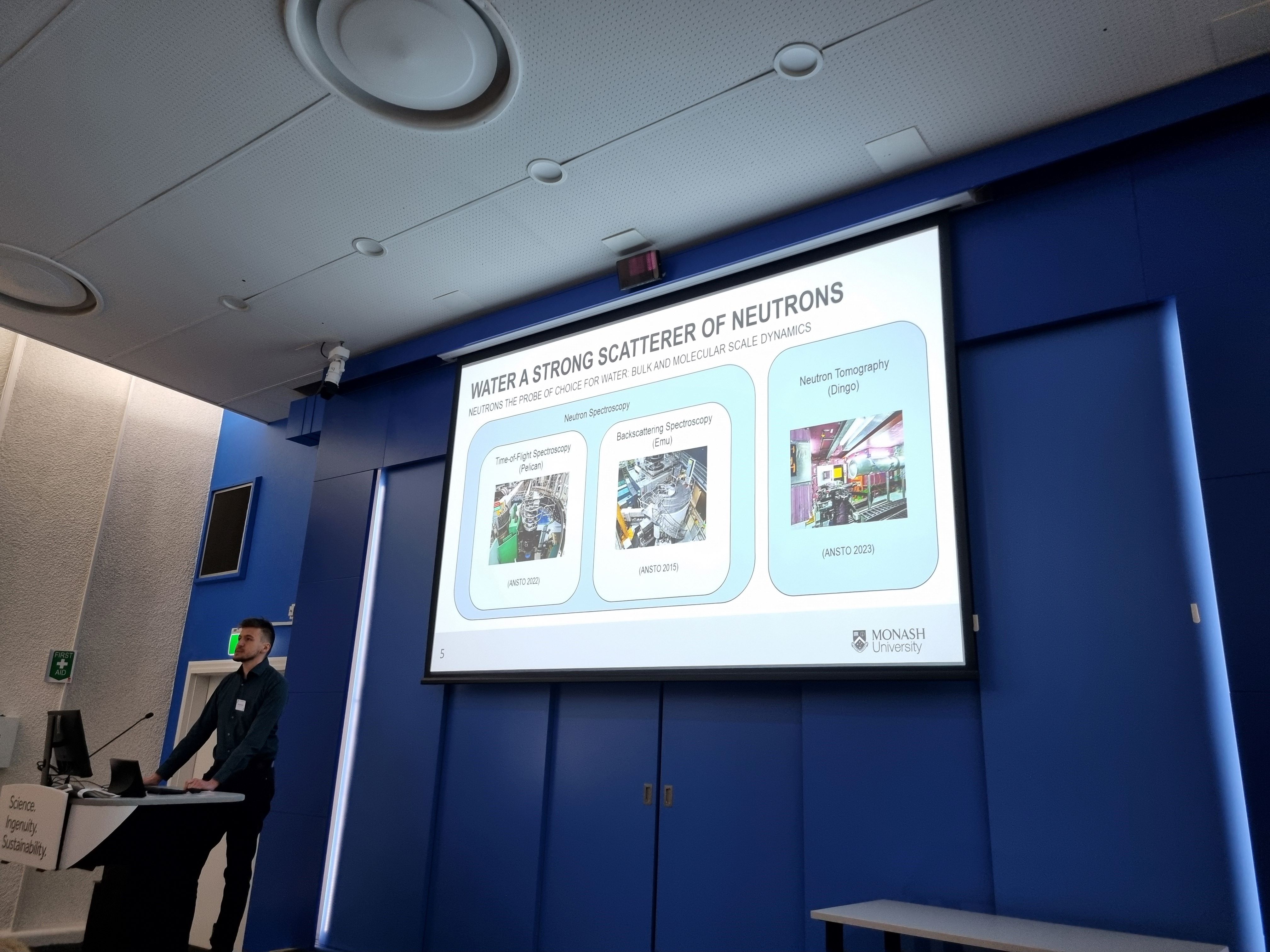
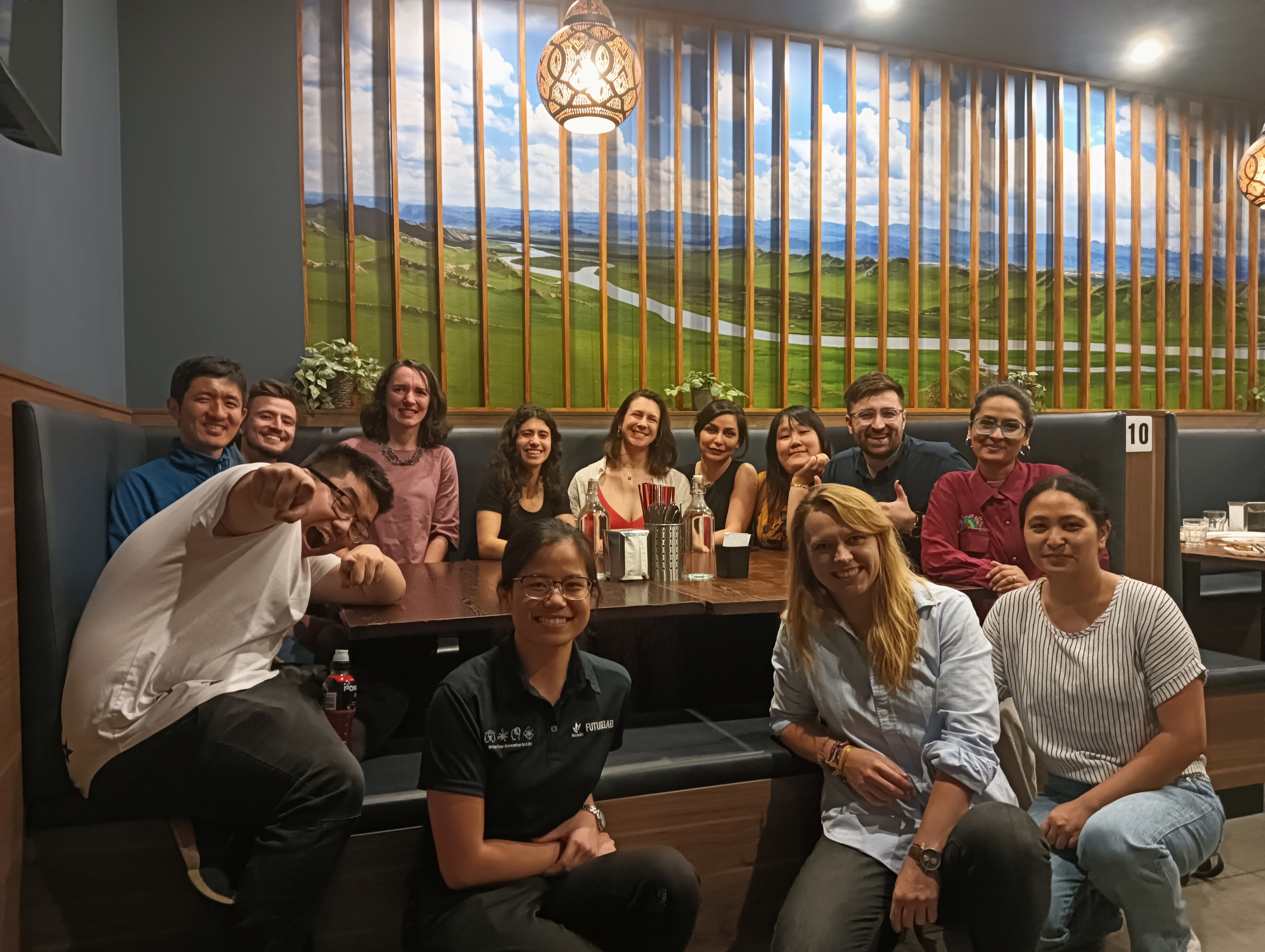
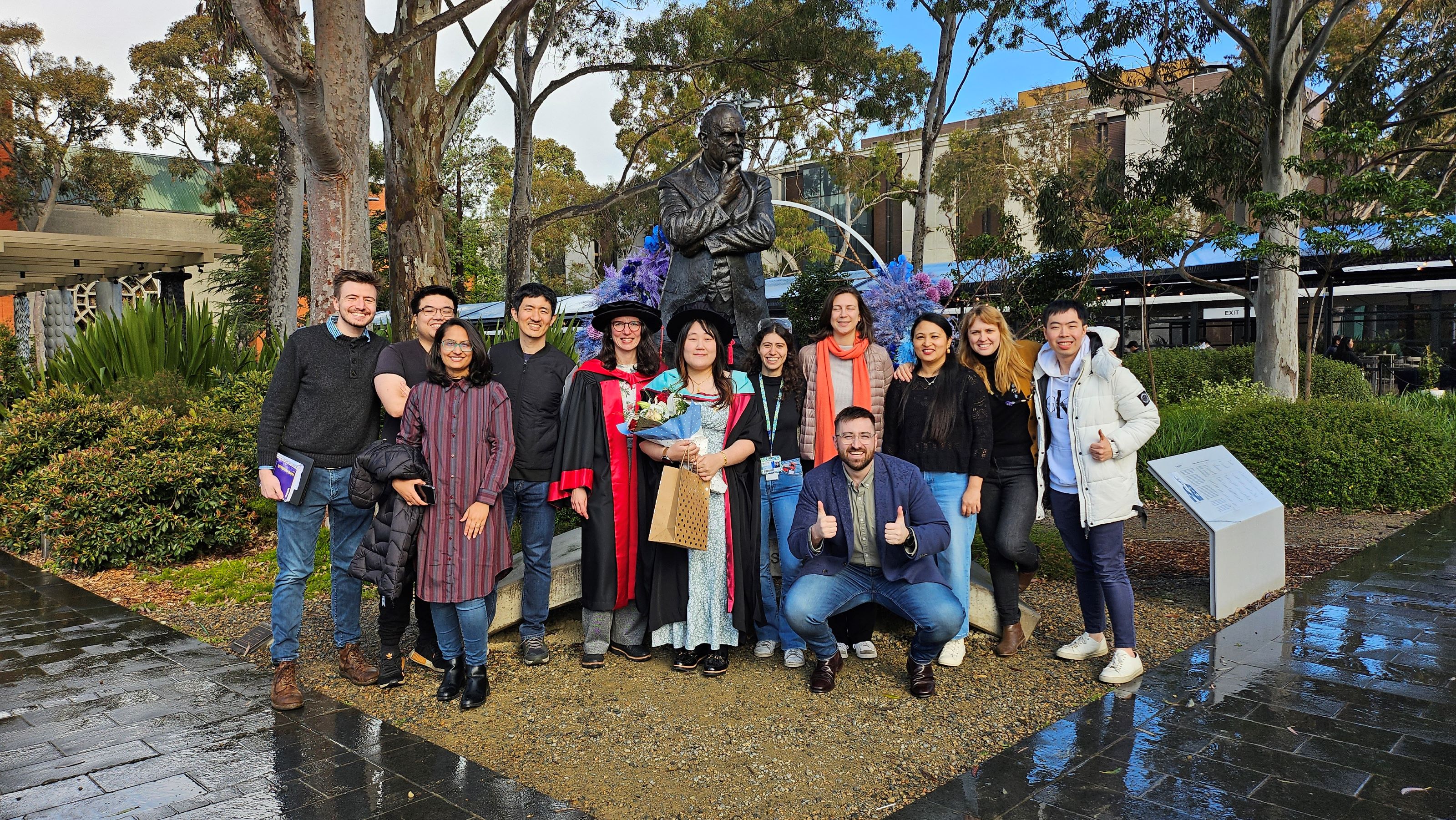
Following an invited presentation by Leonie van 't Hag and two further presentations by Paul Michalski and Lucrezia Guarneri at the 2024 AINSE-ANBUG Neutron Scattering Symposium from 4-6 November AANSS2024 ;
6 August 2024
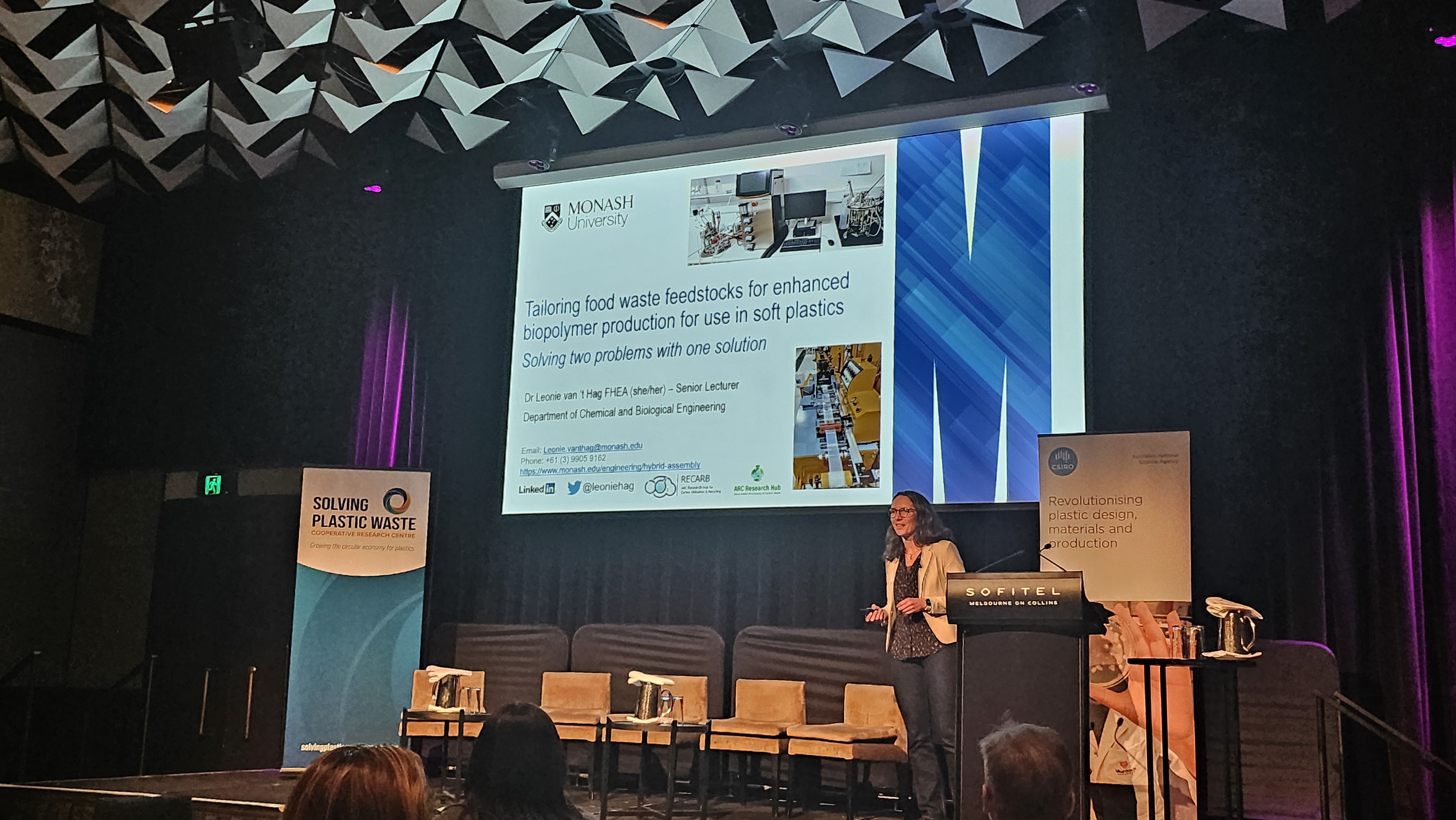
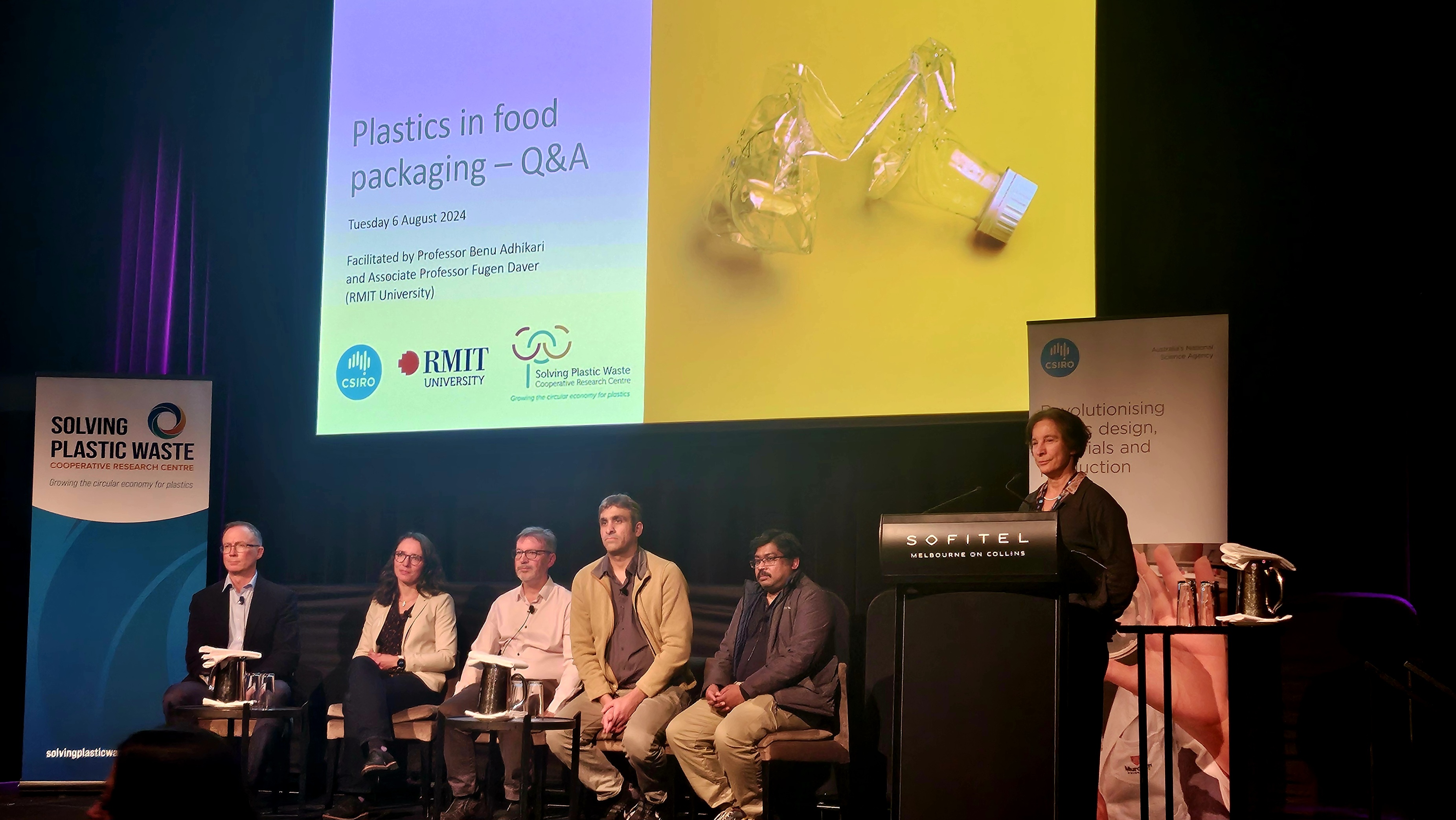
PhD student Eddie Attenborough and Leonie van 't Hag attended the CSIRO Ending Plastic Waste Symposium in Melbourne. We engaged in the panel discussion on Plastics in Food Packaging facilited by Professor Benu Adhikari and Associate Professor Fugen Daver from RMIT University.
July 2024
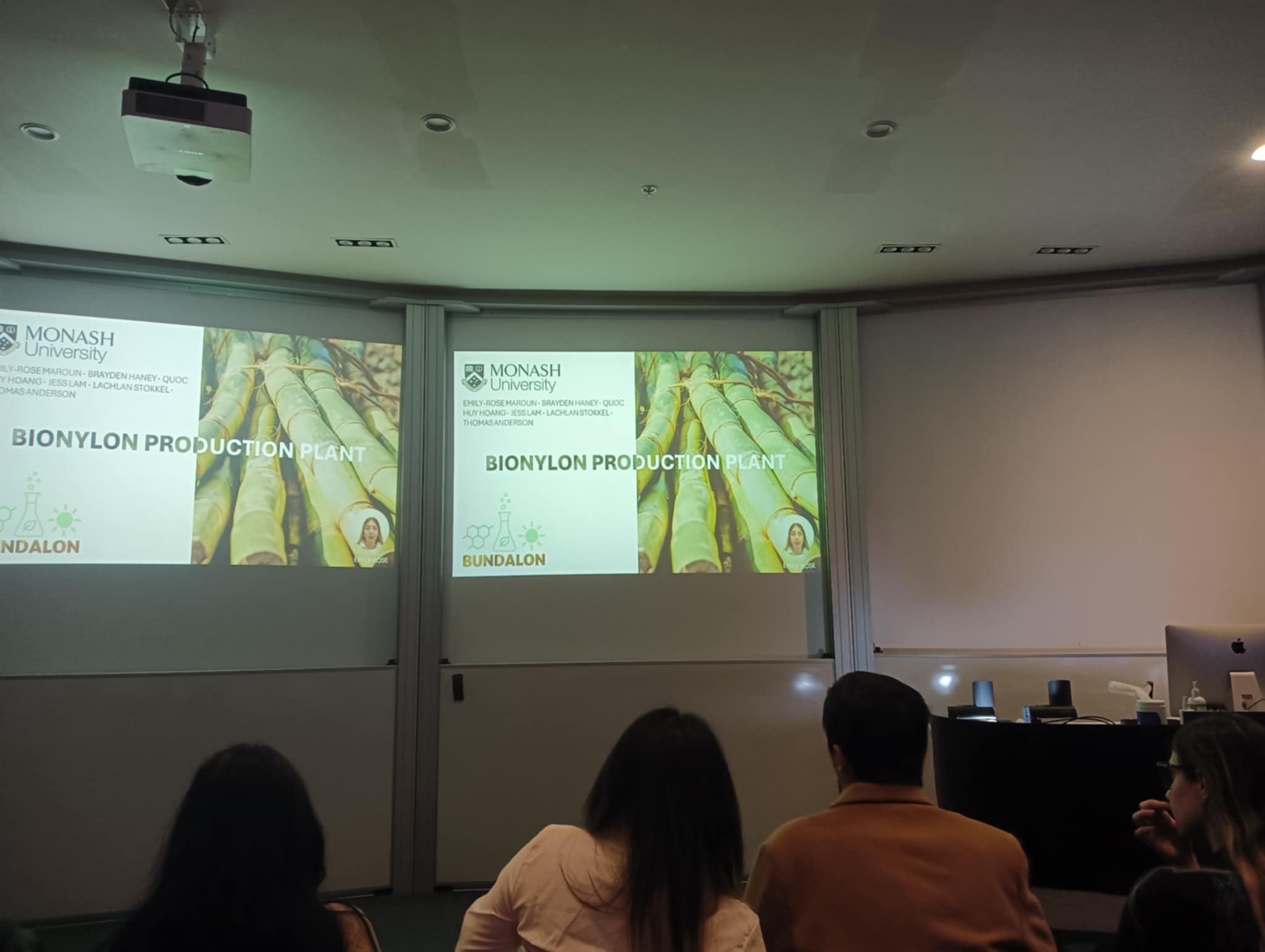
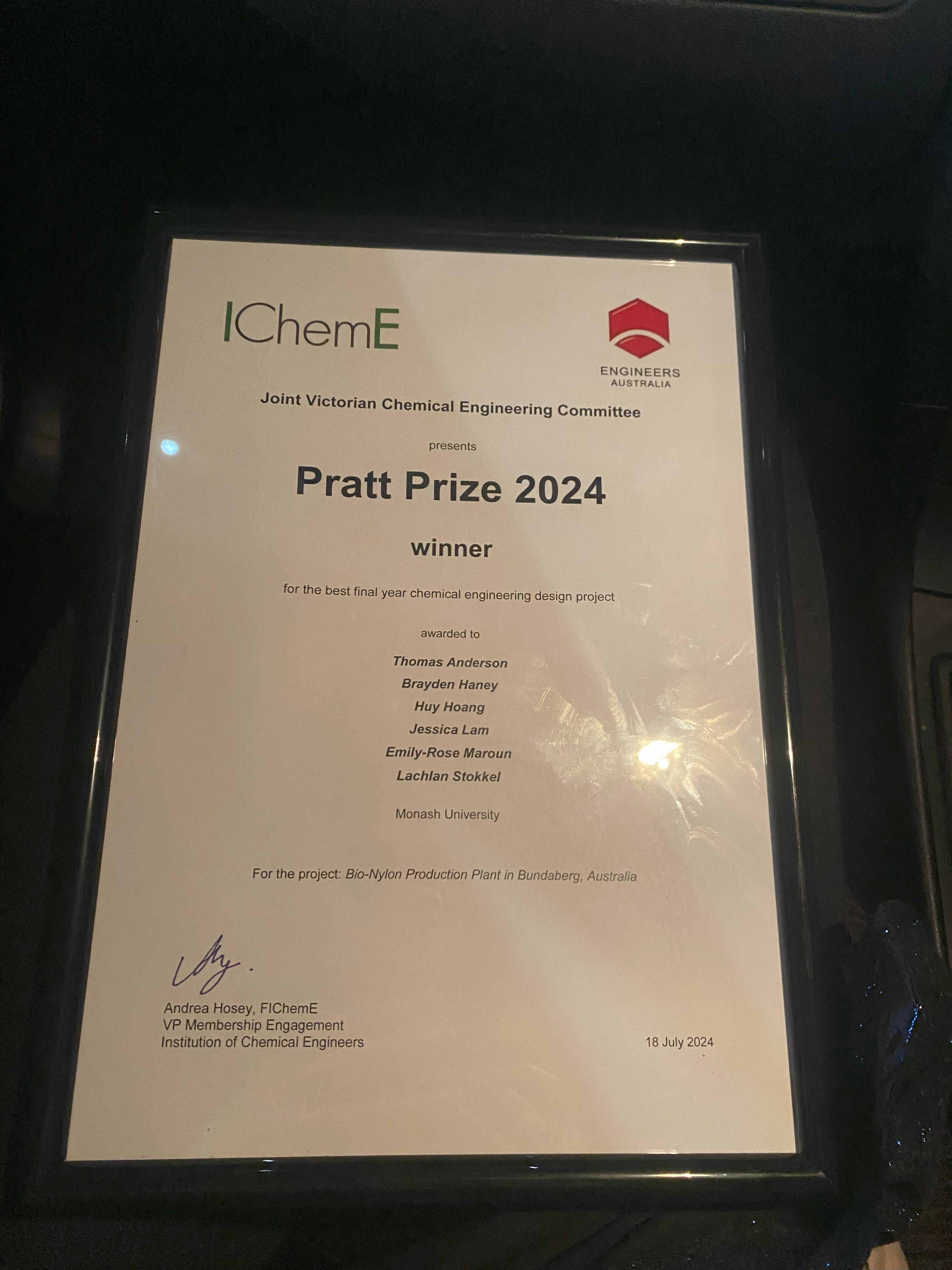
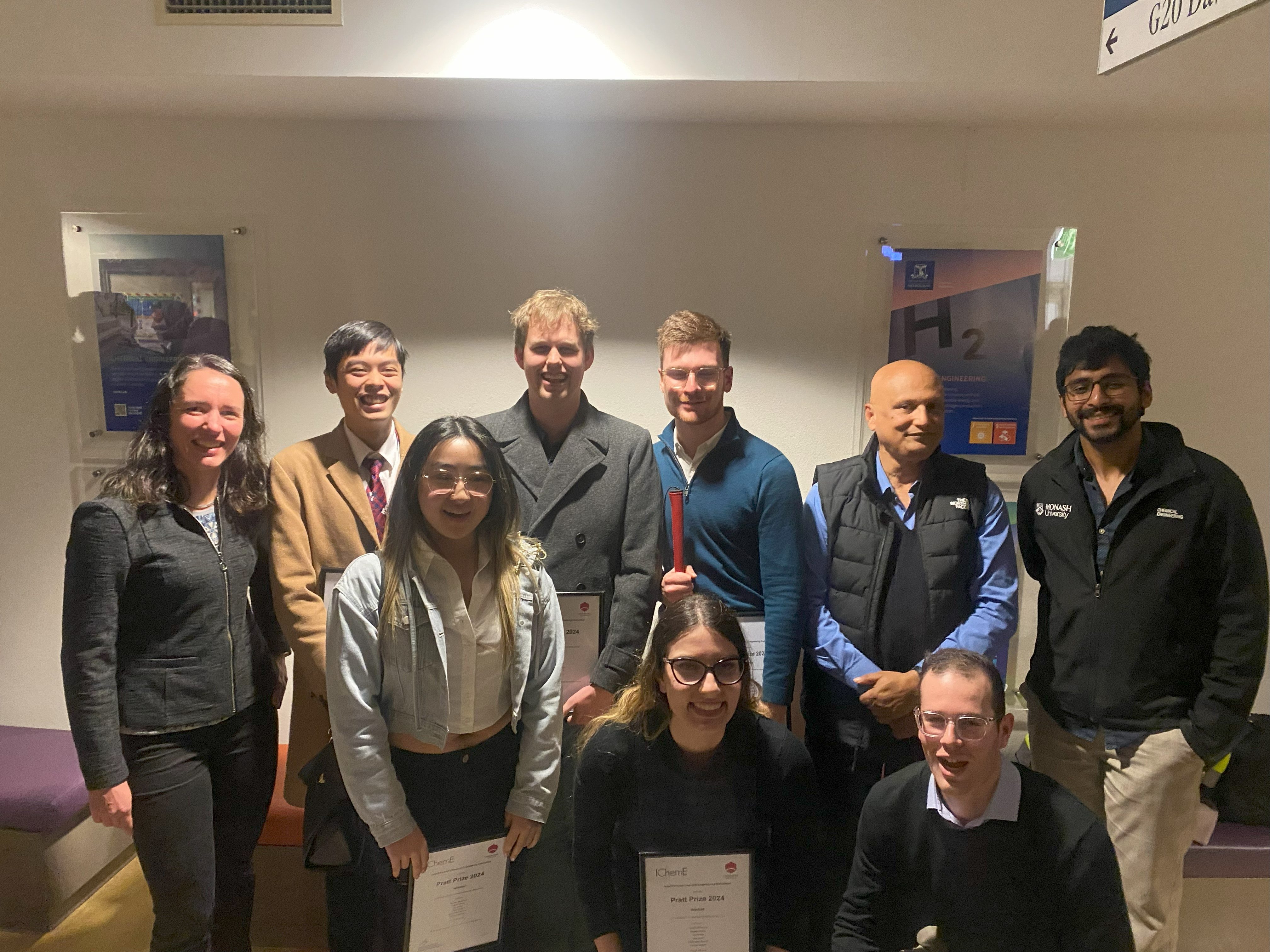
It has been a privilege to mentor these talented students in their final year design project on the production of bio-derived Nylon. This team of Monash chemical engineering students have won the prestigious Pratt Prize for their design and economic analysis of a plant to convert sugar cane waste into nylon. The Pratt Prize is awarded annually by the Joint Victorian Chemical Engineering Committee, composed of members of the Institution of Chemical Engineers and the Engineers Australia Chemical College, for the best design project by final year chemical engineering students.
Monash news article can be found here.