
Home
Enabling Indigenous STEM students to explore the stars – with JPL NASA and STFC’s RAL Space
The first of its kind, the National Indigenous Space Academy (NISA) paves the way for First Nations STEM students across Australia to learn at international space and jet laboratories in the US and UK.
The program, led by Professor Christopher Lawrence and supported by the Australian Space Agency, provides a rich education and research in space and space robotics.
Selected on academic merit, NISA will accept Indigenous students across undergraduate and postgraduate levels who identify as Aboriginal or Torres Strait Islander, and are studying a degree in science, technology, engineering or maths at any university in Australia.
The experience will see students mentored by experts from world leading laboratories while working on unique projects such as space missions, rovers, robotics for unexplored ocean worlds, robot perception control, AI and path planning.
To prepare, students will undertake a Space Boot Camp run by Monash Faculty of Engineering covering: aerodynamics, robotics, astrophysics, planetary science, engineering, computer and earth sciences and NASA JPL and STFC's RAL's space exploration missions.
Students have the option to select from the two laboratories that Monash has collaborated with:
Proudly supported by

Interested in the 2027 NISA Program
2026 NISA participants
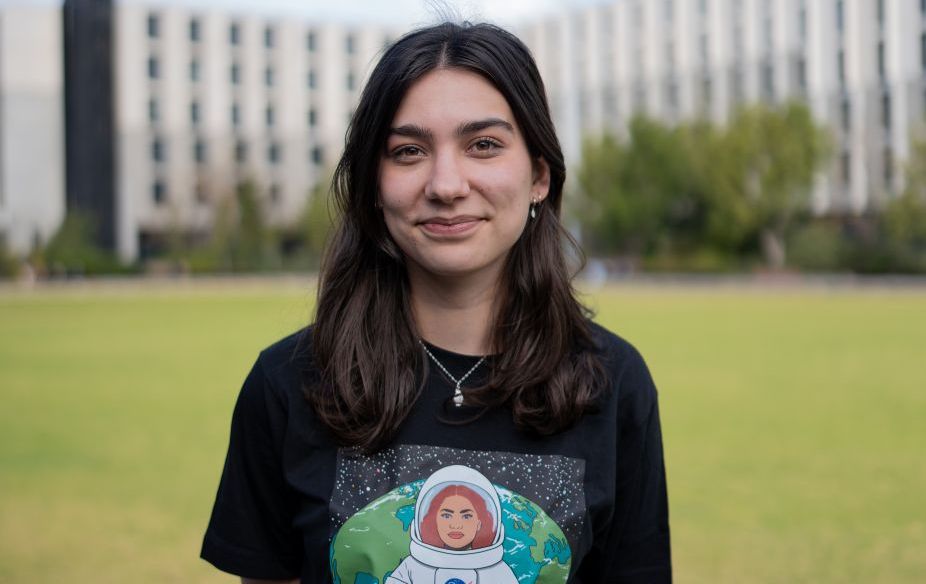
Claire Weis
Wiradjuri woman from Perth
Bachelor of Aerospace Engineering (Honours), University of New South Wales (UNSW)
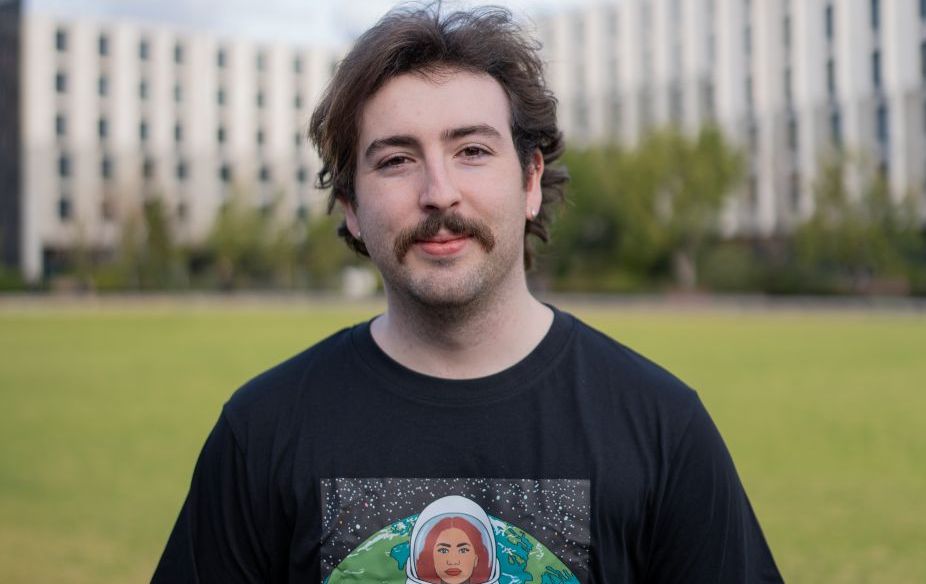
Alexander Cramp
Kamilaroi man from the Northern Beaches
Bachelor of Aerospace Engineering (Honours), University of New South Wales (UNSW)
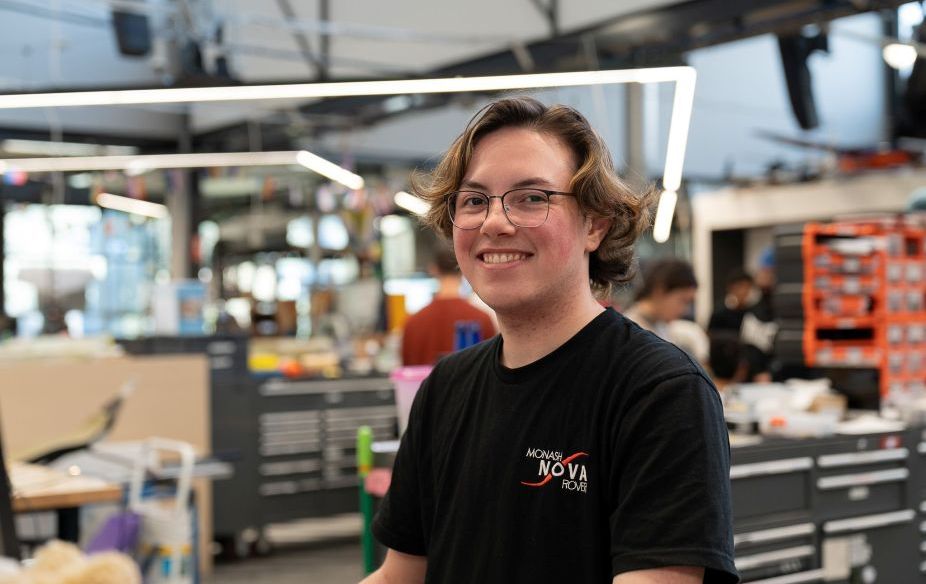
Tash Lee
Karajarri man from Melbourne (Naarm)
Bachelor of Robotics and Mechatronics Engineering (Honours) and Bachelor of Science, Monash University
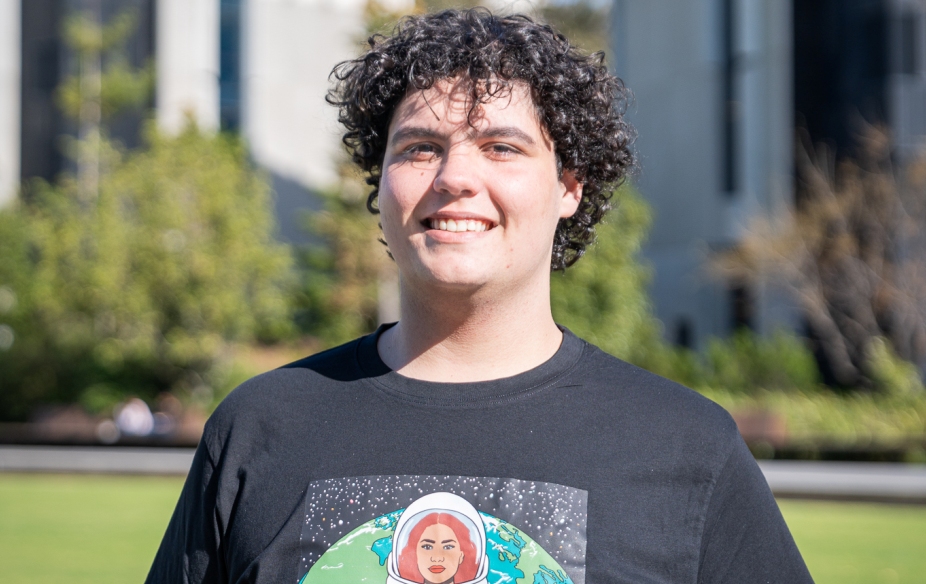
Jordan Roulstone
Warumungu man from Caboolture
Bachelor of Electrical Engineering (Honours) and Bachelor of Information Technology, Queensland University of Technology
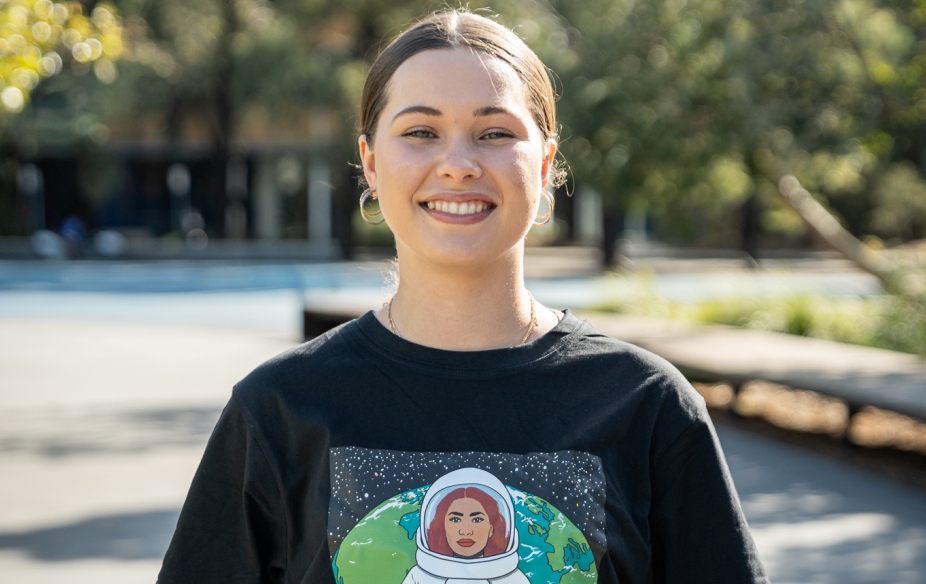
Alaxandrea O'Brien
Dulgubarra-Mamu and Jirrbal woman from Perth
Bachelor of Environmental Engineering (Honours), University of Western Australia
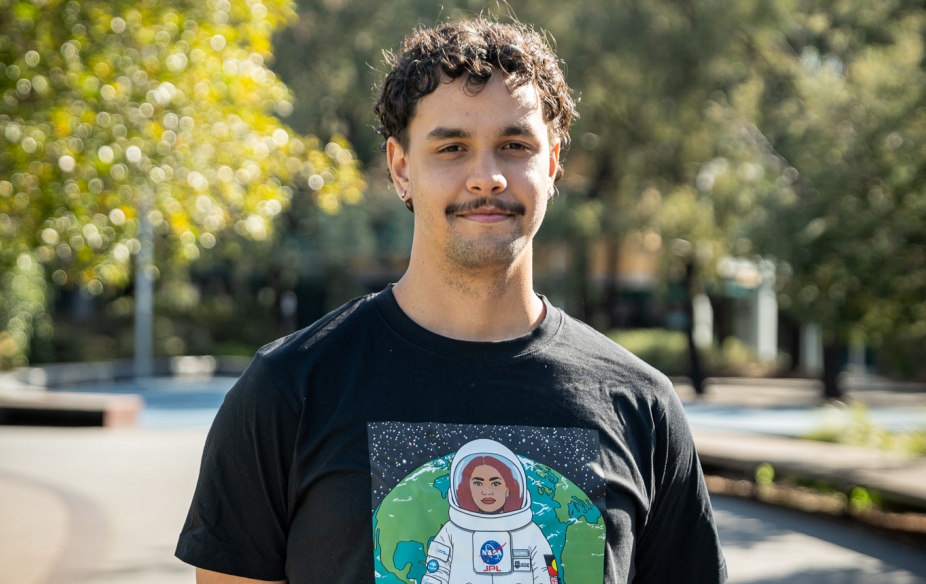
Jamal Woods
Dunghutti man from Tweed Heads
Bachelor of Mechanical Engineering (Honours), Queensland University of Technology
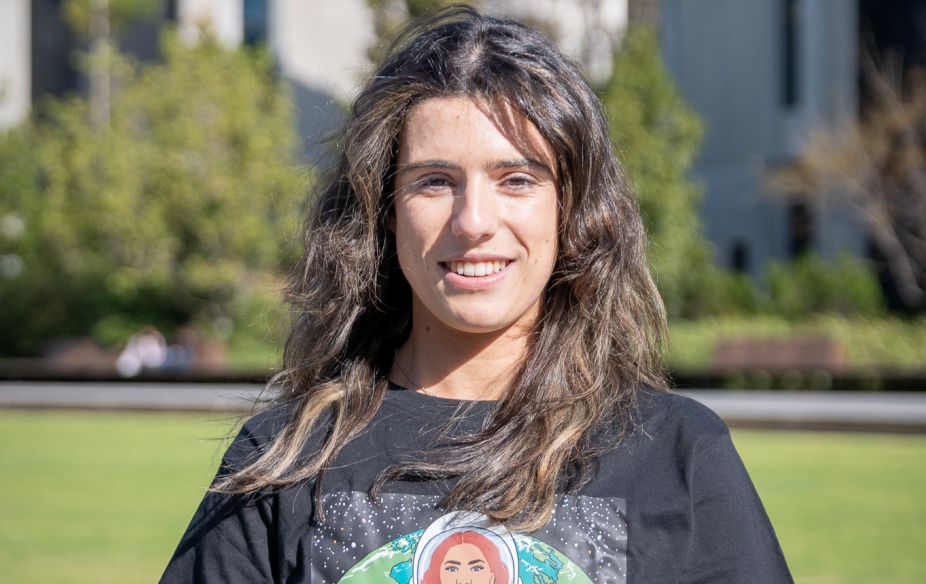
Jaimie Duffy
Wiradjuri woman from Tasmania
Bachelor of Science, University of New England
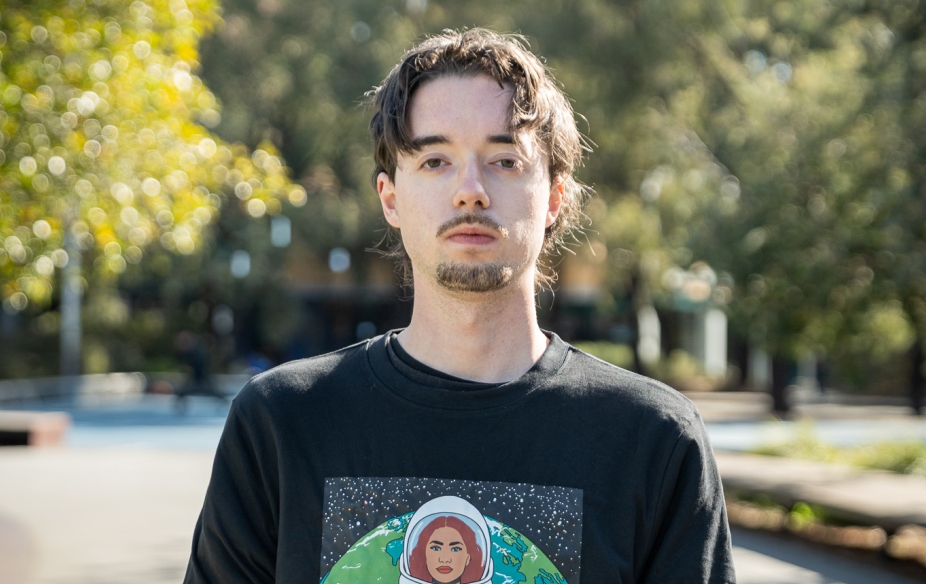
Noah Davis
Wiradjuri man from Wollongong
Bachelor of Science, University of Sydney
Meet the lead - Professor Christopher Lawrence

Professor Chris Lawrence is the Professor of Practice in Space Innovation and Security Capabilities at Monash Engineering and a proud Wadjak/Ballardong man from the Noongar Nation of the South West of Western Australia.
Reflecting his passion for impact, Professor Lawrence is known for successfully integrating Indigenous knowledge systems in curricula and infrastructure, and devising sound Indigenous strategies for the tertiary education sector.
He also led the development of the first Indigenous Graduate Attribute across STEM in Higher Education.
Having transformed Indigenous studies at all levels, Professor Lawrence hopes NISA will produce the world’s first Aboriginal astronaut.
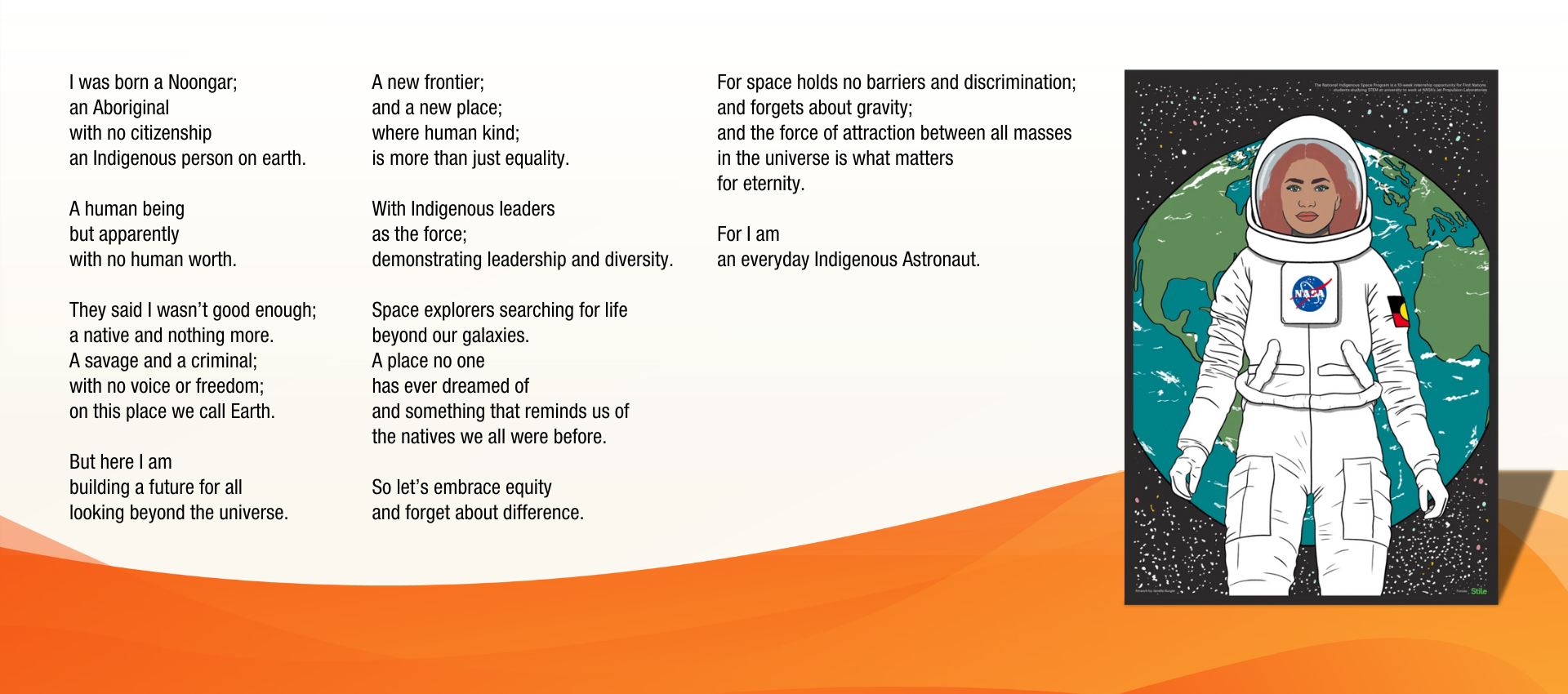
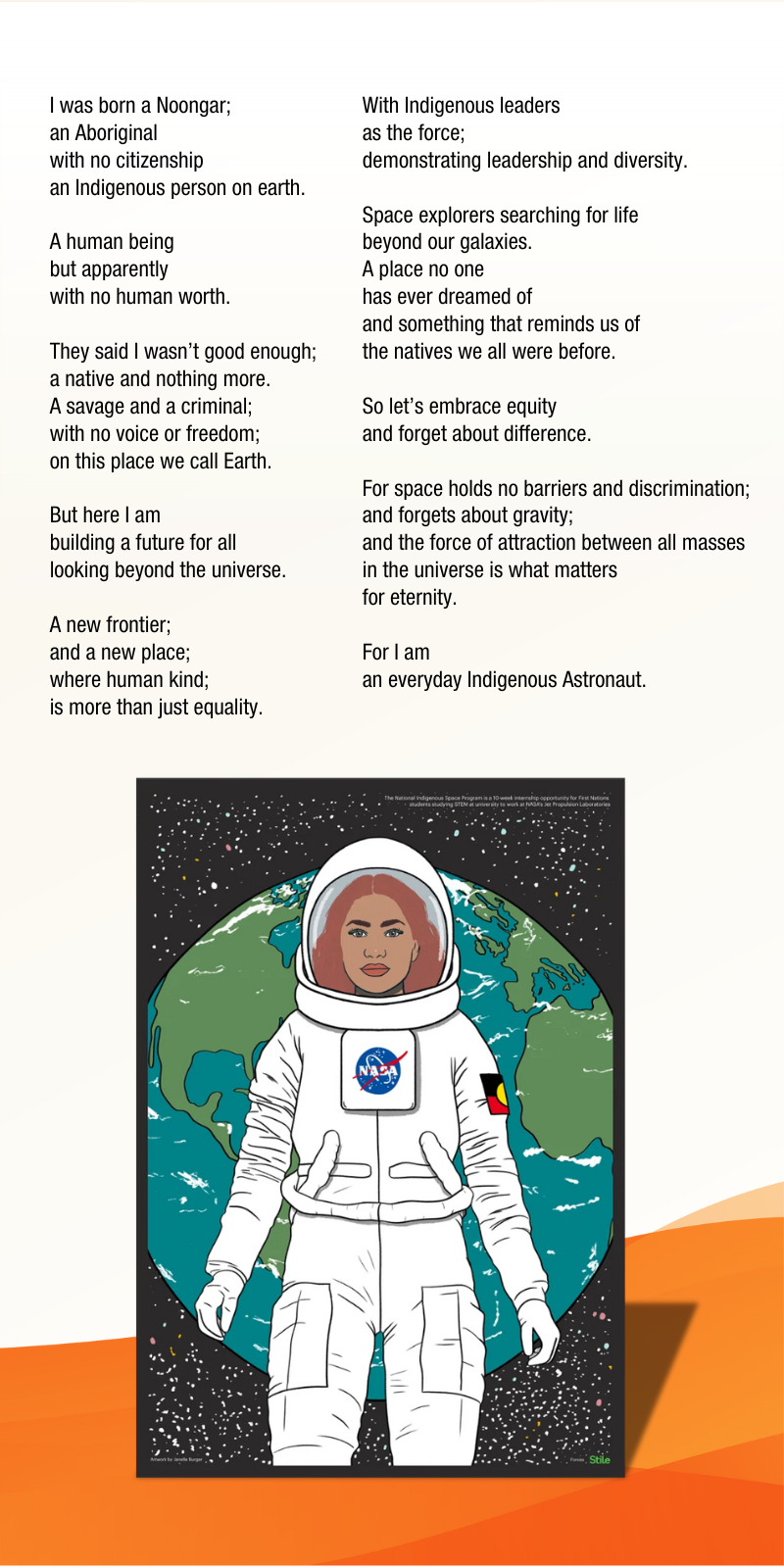
GLORIA - The Indigenous Astronaut
A poem written by Professor Chris Lawrence
Experience at NASA
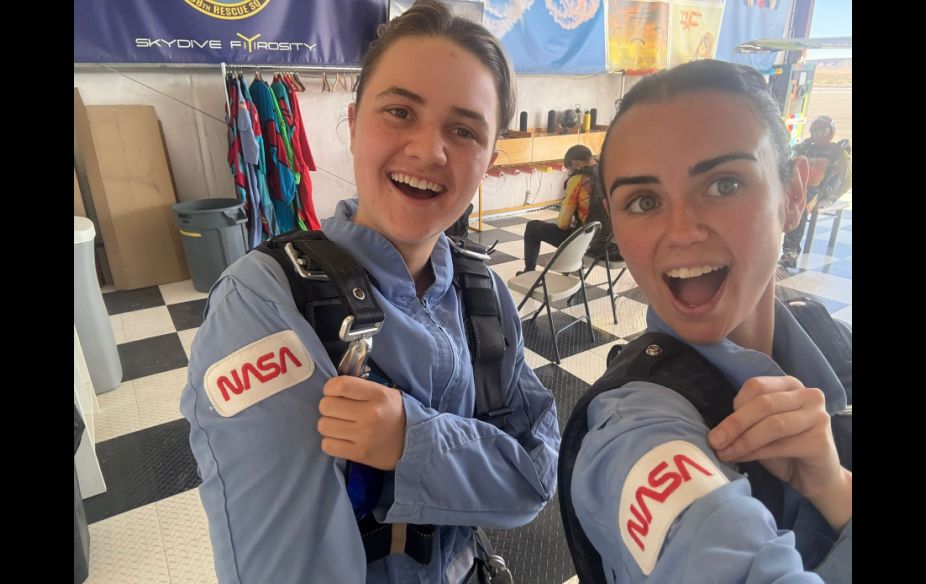
Walking into NASA’s Jet Propulsion Lab for the first time felt surreal. During my placement at JPL, I worked as an embedded software engineering intern alongside leading scientists and engineers. One of the highlights was working on an operating system upgrade for the spacecraft atmosphere monitoring computer on board the International Space Station. This experience showed me there's a place for Indigenous voices in STEM and space.
Keira Moran
NISA Program graduate
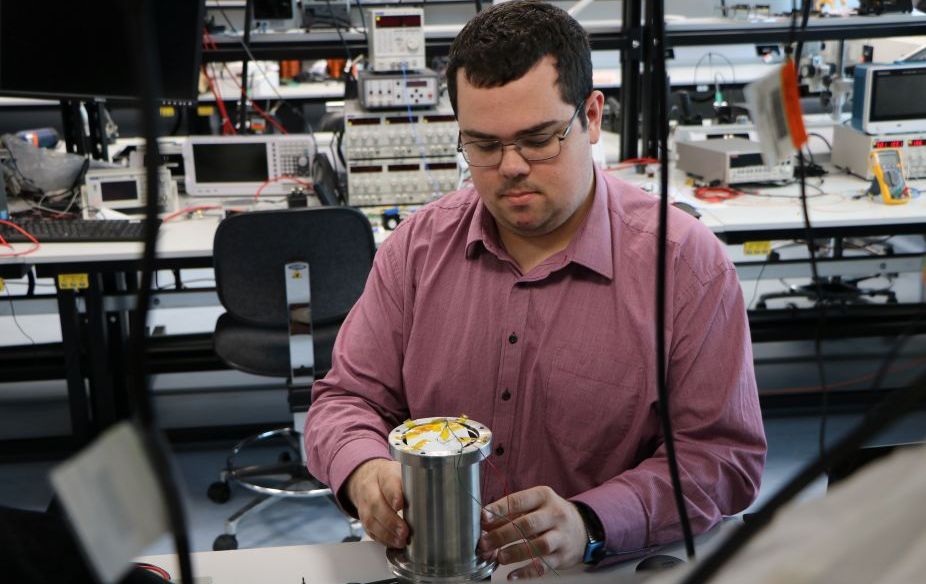
During my time at RAL Space I was working with the Camera Systems Team, learning about the cameras that allow scientists to capture images of the sun. This is an opportunity I never imagined, and I hope my journey shows other young Indigenous people that there are no limits to what we can achieve in STEM, both in Australia and around the world.
Mitchell Cooper
NISA Program graduate

I went to NASA in its life sciences division. At the time I was studying how radiation effects evolutionary trajectories in micro-organisms for the trip to Mars. Visiting NASA was an unbelievable, once-in-a-lifetime opportunity. I learned new skills which helped my career, and I met amazing scientists. A particular highlight was operating the flight simulator used to train astronauts and pilots.
Dr JOEL STEELE
I had never imagined it was possible to learn and work at NASA - it was far outside the scope of what I ever thought possible. The experience opened up a lot of pathways for me and caught the attention of prospective employers.
Program graduate
Research Fellow, Monash Proteomics and Metabolomics Platform
