
Extending iStar for modelling human-aspects
Human-centric characteristics of software end users, such as gender, age, emotions, personality, language, culture and physical and mental impairments, play an essential role in the uptake and usage of the software.
Current software tools lack in-depth elicitation and understanding of these requirements during design and modelling. This can create ineffective and hard-to-use software.
In this project, to be able to account for contextual variables in human interaction with diverse characteristics, we propose an approach for using personas and contexts to model human-centric aspects of the software in goal models.
To achieve this, we selected the iStar language due to its ability to model social, intentional and strategic dimensions. We also proposed an extension to model human-centric aspects of the software.
We conducted user evaluation studies to understand how users model human aspects and measure the effectiveness of our approach. Results revealed a lack of consideration of the human-centric aspects in existing modelling frameworks and how our extended model can simplify the understanding and addressing of such aspects.
Our findings indicate and encourages more research on modelling human aspects of the end users to achieve human-centred modelling.
Investigators
Ulrike M. Graetsch, Prof John Grundy, Harshita Singha, Hourieh Khalajzadeh, Sahba Paktinat
Dataset and code: Modelling Human-Centric Aspects of End-Users with iStar
Further reading: Singh, H., Khalajzadeh, H., Paktinat, S., Graetsch, U.M. Grundy, J.C. Modelling Human-Centric Aspects of End-Users with iStar, Journal of Computer Languages, Volume 68, February 2022, Elsevier
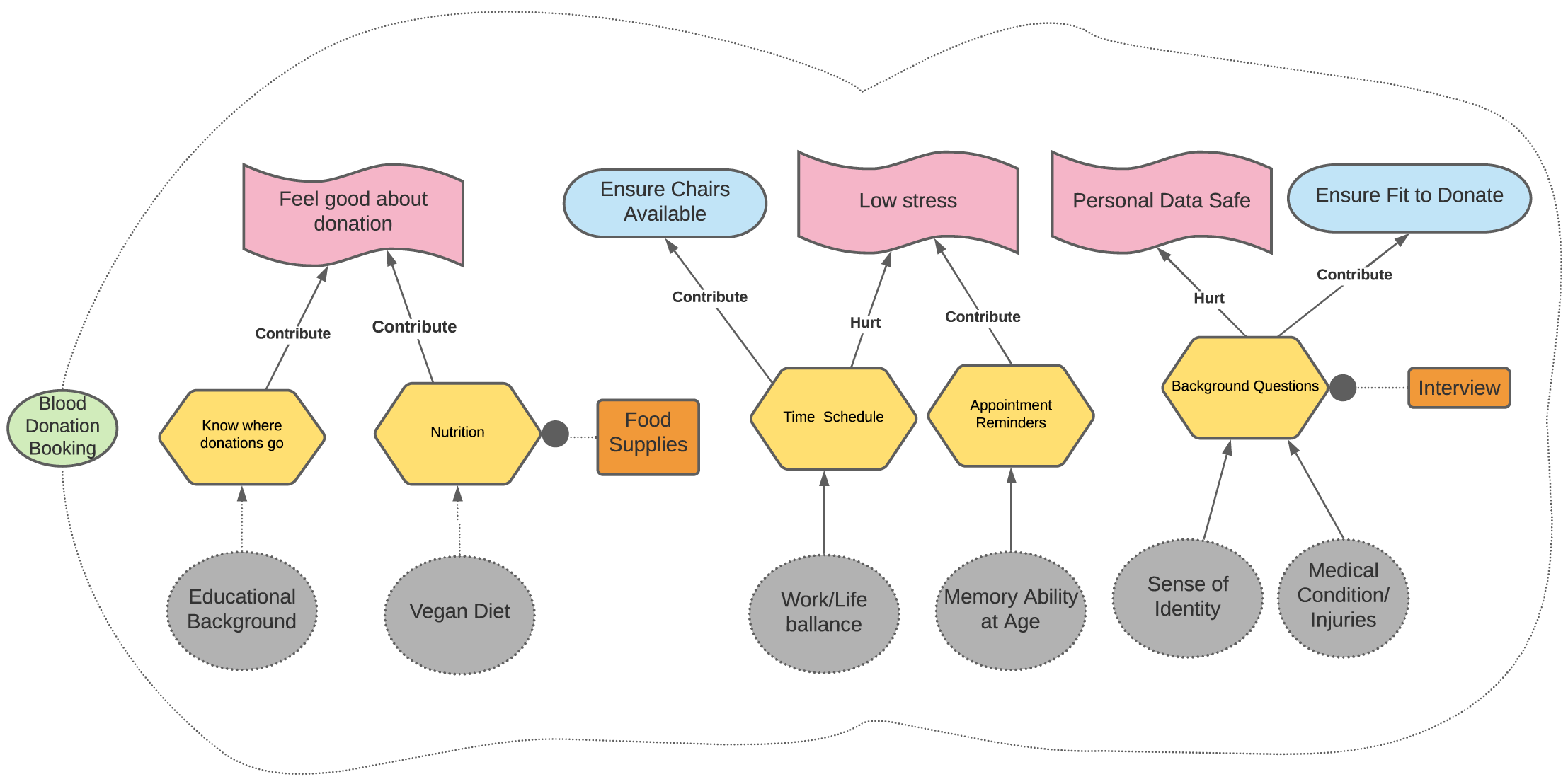
Diagram 1: Blood Donation App
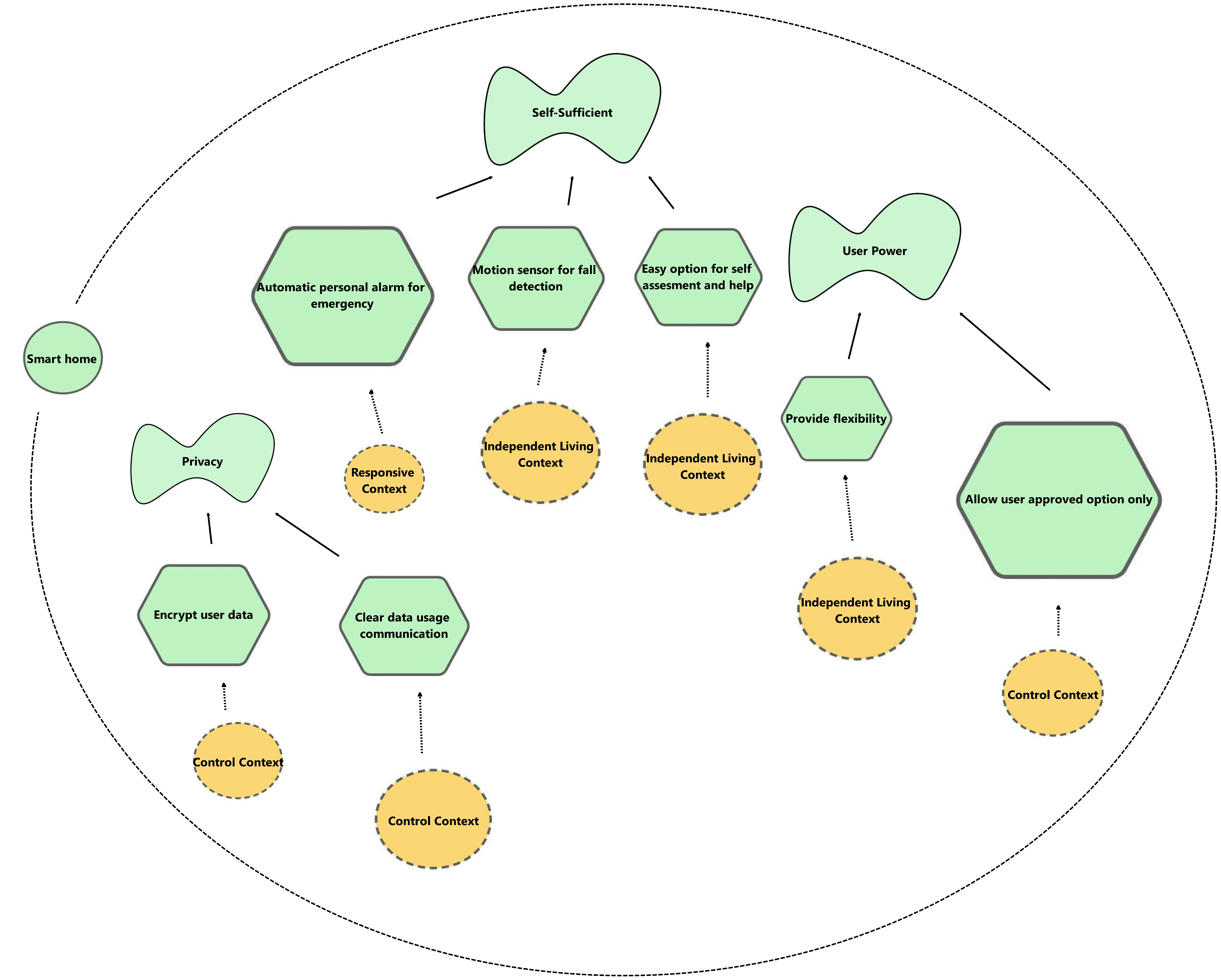
Diagram 2: Smart Home Model With Diversity Annotations
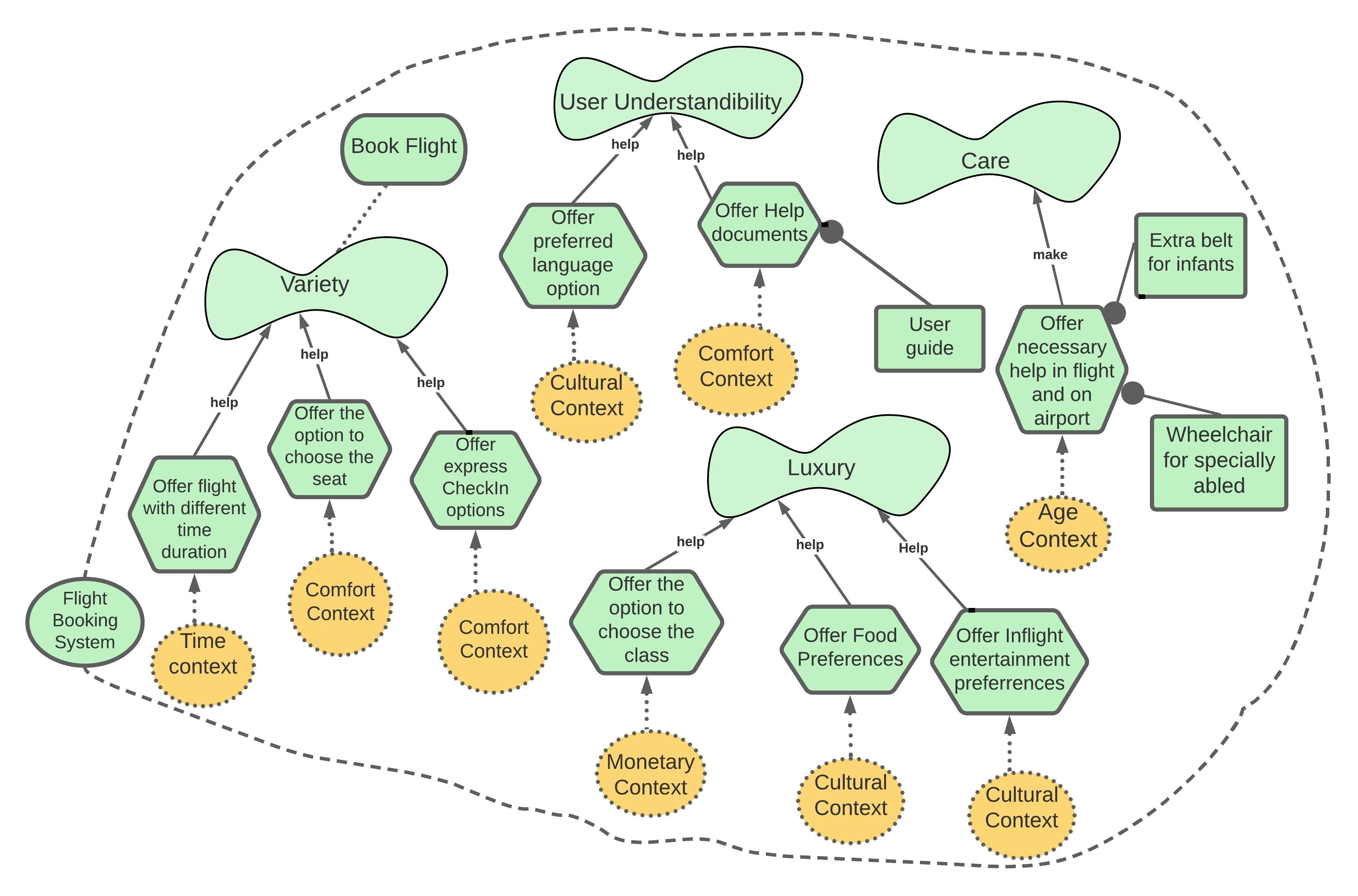
Diagram 3: Flight booking system