Record Keeping and Systematic Sharing of Tacit Knowledge Among Fisherfolk Communities
Fisherfolk communities in developing countries are mostly marginalised and suffer from poor information management practices. Preliminary survey data of an ongoing joint exploratory study by Monash University and Oxfam in Bangladesh revealed that fisherfolk rely heavily on friends and family for information. This information could be related to nature and climate as well as important information related to fishing.
Researchers are increasingly paying attention to tacit knowledge as a crucial element in the sharing of ecological knowledge and expertise within fishing communities around the world. From the preliminary research under the PROTIC II research project of Monash University and Oxfam, Monash university researchers have found that while some of the fishing-related knowledge is explicit, most of the knowledge is tacit in nature and is passed from generation to generation in a completely non-systematic way.
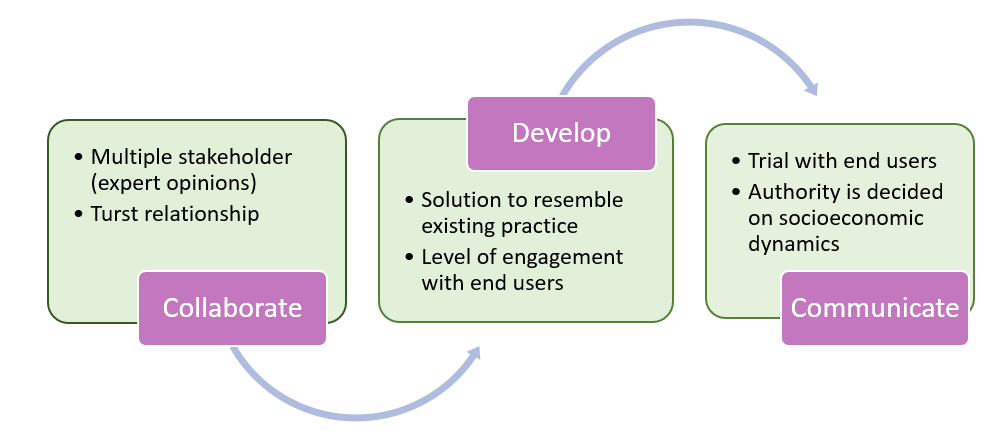
Together with Monash University researchers, the international collaborators are proposing to co-create a framework with the fisherfolk community themselves to (1) understand the nature of the tacit knowledge they have and (2) together with them find a better way to systematically record and share this critical knowledge with the whole fisherfolks community.
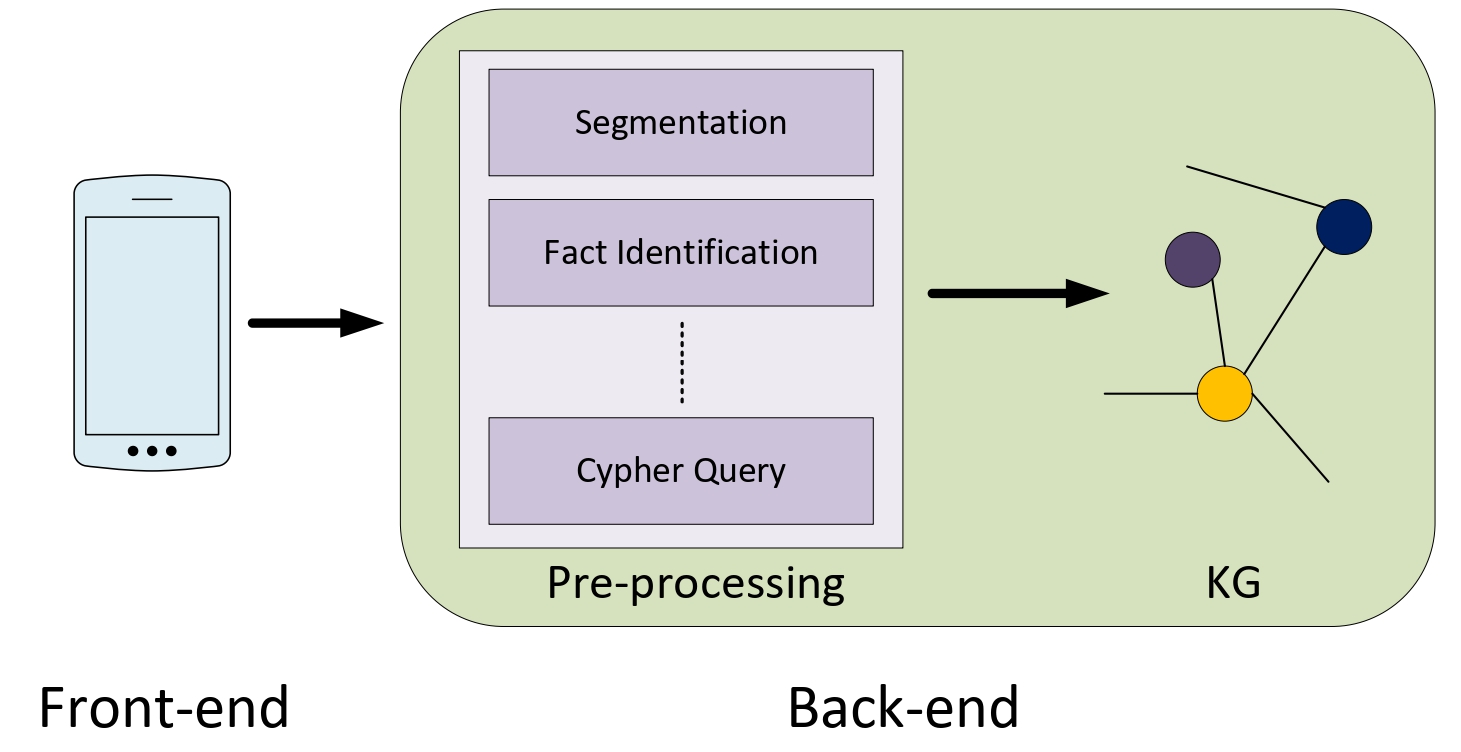
The outputs of the proposed project will be a framework to describe the tacit knowledge-sharing practice among the fisherfolk community and a list of functional requirements of a digital solution for the recordkeeping of the tacit knowledge. A prototype of the digital solution will be developed based on the collected functional requirements as part of the project.
The beneficiaries of the project will be the fisherfolk community who will have a better realization of the importance of the tacit knowledge they have and a systematic way of sharing the tacit knowledge with the help of digital solutions for recordkeeping.
Project Lead
Dr Tanjila Kanij