Emily D'Alterio-Djervig
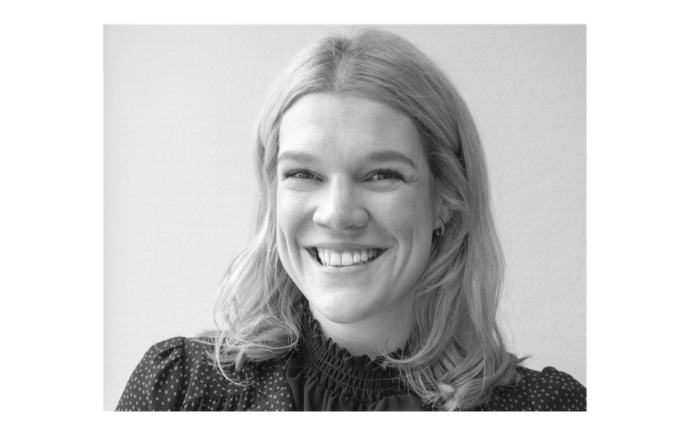
Emily D'Alterio-Djervig
- Year completed 2016
- Current position Sustainability and ESG advisor (social), LEO Pharma. Copenhagen, Denmark.
- Degree(s) Master of Arts
Career Summary
Emily D’Alterio‑Djervig is a communications and sustainability professional whose career spans journalism, publishing, and international advocacy. A Monash University graduate with degrees in Professional Communication and Editing and Publishing, her studies inspired a global outlook and commitment to social impact.
After starting in journalism in Melbourne, Emily moved to Europe and built experience across human rights and corporate sustainability. Now based in Denmark as a Sustainability and ESG Advisor (Social) at LEO Pharma, she leads initiatives in diversity, inclusion, and human rights. Her journey highlights how strong communication skills can open pathways into global sustainability careers.
Career Pathway:
Apr 2024 - Present: Sustainability and ESG advisor (Social), LEO Pharma
Feb 2022 - Apr 2024: Communications Manager, Carlsberg Group
Dec 2019 - Feb 2022: Communications Manager, Freemuse
May 2019 - Dec 2019: Communications Manager, Freemuse
May 2018 - Apr 2019: Editorial and PR Officer, Europeana
Nov 2016 - Oct 2017: Senior Editor, and Neap Education
Nov 2014 - Jan 2016: Editorial Assistant, Neap
Jan 2013 - Apr 2014: Sales and Marketing Coordinator, BACH Commercial
Jan 2011 - Jan 2013: Journalist - sustainability, Award Magazine
-
Career Journey questions:
What inspired you to pursue a postgraduate degree at Monash, and how did that experience help shape your career?
During my undergraduate studies, I was uncertain about my direction despite strong English results. When enrolling, a Monash administrator suggested the newly launched journalism program. While completing an internship and a magazine cadetship, I realised I wanted more tangible, specialised skills, and ultimately decided to study a Master’s.
The postgraduate experience at Monash was amazing. I loved postgrad because it allowed you to continue working while studying. The practical skills and connections I gained were invaluable. I remain in contact with a lecturer based in the UK. Earning my Master’s was essential to securing my current role in Europe, where postgraduate qualifications are often required for entry-level positions. I'm really proud to have studied at Monash; it was the foundation for my international career.
During your studies at Monash, were there any particular units, opportunities, experiences or people that helped spark your interest in an international career?
Definitely. In my third year, I took a mass media unit with Dr Andy Ruddock, who was incredibly inspiring and later became my Master's supervisor. He cultivated a global perspective and ignited my curiosity about international pathways. Coming from a European background, living and working abroad was always an aspiration, and Monash supported that international mindset.
Your career journey has taken you from journalism and communications to sustainability and ESG. How did it evolve over time, and what advice would you give students navigating their own career path?
I had a great life in Melbourne, but I recognised limitations in my local field. Moving to Europe opened up significant possibilities. In Denmark, the educational and professional systems are supportive, and having a strong academic foundation alongside English proficiency opens doors. My plan was broad: seek tangible, secure roles, experiment early and build towards a corporate environment. Initially, I began in the non-profit sector, working for an EU foundation in The Hague and an NGO in Copenhagen focused on human and cultural rights. These communications and editorial roles provided strong human rights experience. When I applied to Carlsberg, they recognised that background and brought me in to drive communications campaigns around Diversity, Equity & Inclusion.
My advice to students is to start with a direction, remain open to trying different sectors, and leverage your transferable skills.
Could you describe your current role as Sustainability and ESG advisor (social) and walk us through what a typical day looks like in a major pharmaceutical company?
My portfolio at LEO Pharma covers three main areas:
Diversity, Equity, and Inclusion (DE&I): I run our "Curiosity Beyond" program. As the company is mature regarding gender representation, my focus is integrating a broader, holistic DE&I strategy into business operations to drive performance and innovation.
Human Rights & Sustainability Due Diligence: I manage risk management processes and ensure compliance under European CSRD reporting requirements. My editing and publishing background directly informs how I oversee our formal sustainability statements and reporting.
Product Donation Program: I oversee our corporate product donation initiatives via intermediary partners, which is a deeply rewarding part of the role.
A typical day involves balancing these streams, from developing inclusive leadership training to managing ongoing due diligence processes. Communication is always part of the mix in my work, especially in sustainability—it’s deeply fulfilling to apply these skills across a high-impact portfolio.
How does the working culture and professional expectations in Denmark differ from Australia?
Denmark is very direct compared to Australia, and that directness really helps with conflict. With the working culture in Scandinavia and Europe in general, it's very much more about you doing the job, you can socialise if you want, but then you leave. It's perceived as inefficient if you’re consistently overworking your agreed hours. Eating at your desk doesn't exist; you eat with your team. There's a great work-life balance. Family life is really nurtured in Denmark - parents often leave work at 3.30 to pick up the kids, so you feel that difference. I think this generation coming into the workforce has such a better idea of work-life balance. Flexible working, remote working — this industry is built for you because it's about delivering on your projects in a way that suits you and your employer. What you do, how you do it - the industry is seeing the benefits of supporting different ways of working. Australian work culture is also great though, with short hours (compared to global averages) and good work-life balance.
Having worked across different industries and countries, how important have intercultural communication and global perspectives been to your success?
Intercultural communication is critical. Working internationally required that I adapt my approach to language. Working in DE&I, I learned that communication is about building connections rather than enforcing strict language norms. Approaching cross-cultural differences with curiosity rather than assumption is essential. Adopting the direct Danish communication style transformed my professional interactions. Clarifying expectations immediately via phone or direct conversation removes ambiguity, assumes shared goals and prevents unnecessary conflict.
For Monash students considering an exchange or international experience in Copenhagen, how can they make the most of their time abroad academically, professionally and personally?
My advice is to come and do the exchange! Be present, put yourself out there, and build your network early. If you want to work internationally, target graduate programs with global corporations. They often offer structured rotations, accommodation support, and access to international offices. There are lots of Australians here that have gone through extra studies, or done further study at an international university. So just come.
Looking ahead, what opportunities do you see emerging in sustainability, ESG and global careers that current students should be paying attention to now?
The great thing about sustainability is you can have so many different profiles depending on what the business wants to do. At LEO, we're patient-focused, so social sustainability is super interesting. Whereas at Carlsberg, they're very environmental because the impact on the environment is so big with water usage, so they look for a different profile. My colleague in Enviro has an engineering background and my background is in communications, but we have almost the same role and work very closely together. You could also be in procurement or compliance, so there's a need for lots of different profiles in sustainability.
Also, entering corporate at a global role can be quite intangible, because you are advising, moving the needle, training, and encouraging. You're not selling the product or meeting with patients directly. That can be challenging in itself, but that's the part that I really love.
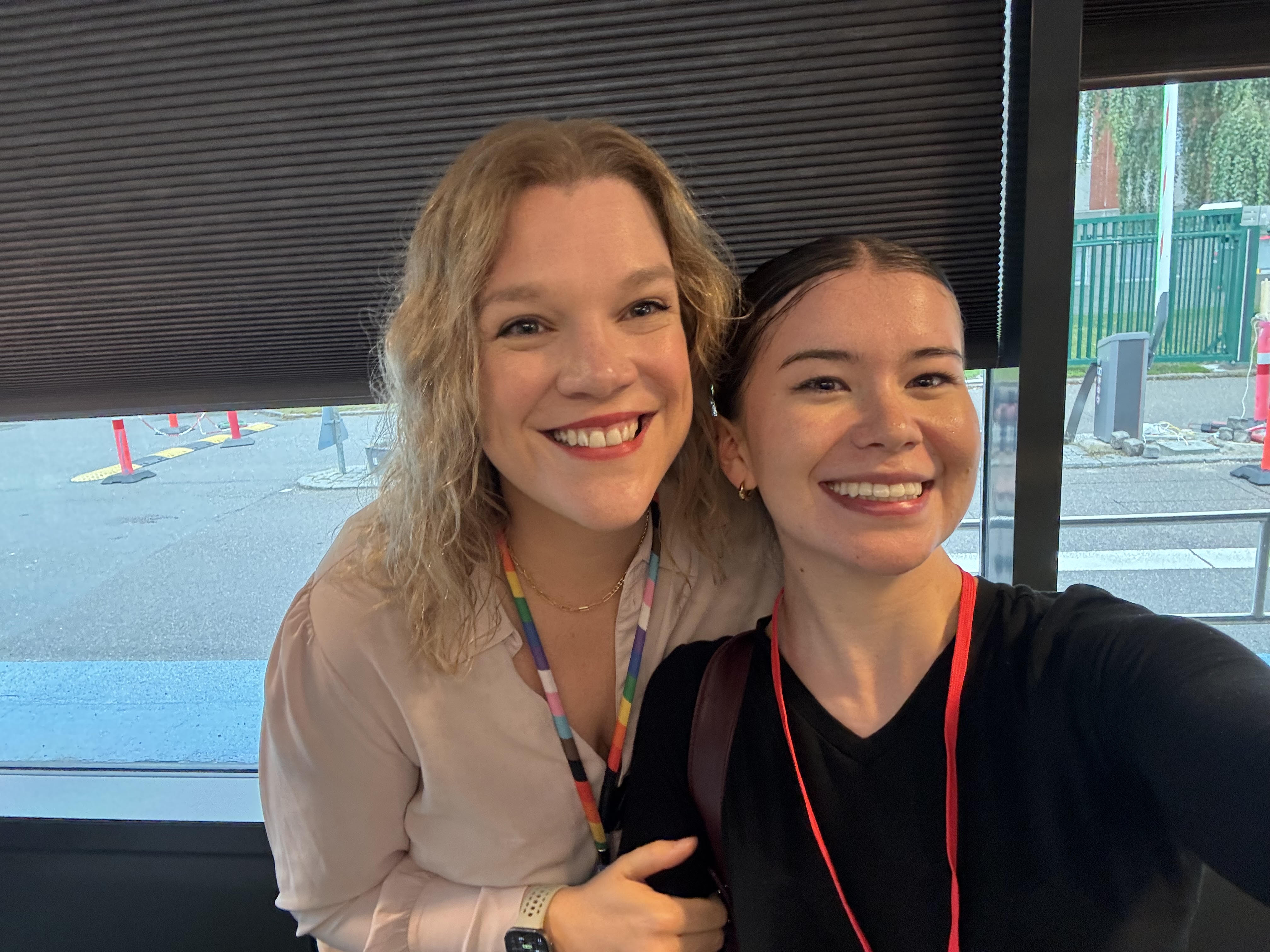
Interviewed by Emily Clara Johnsson Bachelor of Global Studies as part of the Monash Arts Global Industry Connections (GIC) project, 3 September 2026