
Piumi Gamanayake
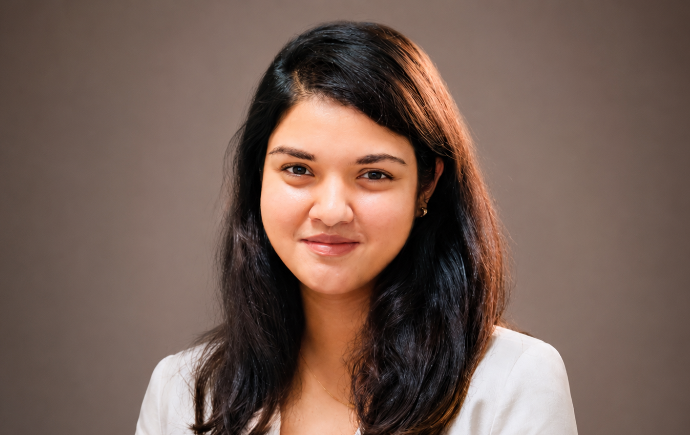
Piumi Gamanayake
- Year completed 2019
- Current position Marketing Manager at The Ritz-Carlton Hotel Company, L.L.C.
- Degree(s) Master of International Sustainable Tourism Management
For Piumi Gamanayake, bridging the gap between commercial strategy and deep-rooted respect for culture and nature has been the defining driver of an international career in luxury hospitality. Already equipped with extensive marketing experience across Sri Lanka, Singapore, and the Maldives, Piumi earned a prestigious Australia Awards Scholarship to pursue her Master’s at Monash University. Today, leading brand and marketing strategy for world-renowned brands like The Ritz-Carlton to elevate brand identities and champion responsible, high-impact tourism on a global stage.
Career Pathway
- 2026–Present: Marketing Manager, The Ritz-Carlton Hotel Company, L.L.C.
- 2023–2025: Director of Marketing & Communications at SAii Lagoon Maldives Curio Collection by Hilton, Hard Rock Hotel, Maldives and Crossroads Maldives
- 2021–2023: Marketing & Communications Manager, Grand Park Kodhipparu, Maldives
- 2017–2022: Marketing & Communications Manager, OV Holidays / Viluxur Maldives
- 2016-2017: Brand Executive - Leo Burnett2021: Master of International Sustainable Tourism Management, Monash University (Australia Awards Scholar)
In Conversation with Piumi
What inspired you to pursue a Master of International Sustainable Tourism Management at Monash?
My decision to pursue the Master of International Sustainable Tourism Management at Monash was driven by a desire to move beyond the commercial and communications side of tourism and develop a deeper understanding of how the industry operates as a complex social, environmental and economic system. By that stage, I had gained experience across tourism and hospitality markets including Sri Lanka, Singapore and the Maldives, primarily from a marketing and commercial perspective. I understood how to position a destination, build demand and drive revenue, but I wanted to understand what sits behind that commercial proposition, including the environmental systems, cultural assets, communities and resources that tourism depends upon. The degree gave me the opportunity to examine tourism through a more strategic and technical sustainability lens and understand the relationship between tourism development, destination management, environmental stewardship, cultural heritage and long term economic viability. It changed the way I think about value in tourism and continues to influence how I approach commercial and marketing decisions today.
Looking back, what was the most rewarding part of your postgraduate experience, academically, professionally, or personally?
One of the most rewarding aspects was developing a much deeper appreciation for the relationship between tourism and culture. Coming from a predominantly commercial marketing background, I had naturally been trained to think about audiences, positioning, consumer behaviour and commercial outcomes. At Monash, I began to look at destinations and tourism products differently, not simply as products to be marketed, but as experiences built around cultural identity, heritage, communities and stories that already exist. Learning about First Nations knowledge and the significance of recognising past, present and future Elders was particularly meaningful and challenged me to think more carefully about how cultural narratives are represented in commercial environments. For me, this was not about moving away from commercial thinking, but about making commercial thinking more responsible and informed. A strong tourism proposition should be commercially viable while also respecting the people, history and cultural context that give a destination its identity.
What are the top 2 to 3 skills you developed during your degree that continue to shape your work?
One of the most important skills I developed was the ability to assess tourism through a broader systems perspective, particularly the relationship between commercial activity and the natural assets on which destinations depend. Nature is not simply a backdrop to tourism. In many destinations, it is the core asset that attracts visitors in the first place, and beaches, marine ecosystems, biodiversity and landscapes all have ecological limits. This perspective has become increasingly important as the global tourism industry responds to climate change, resource pressures and the wider global climate action agenda. Sustainability is no longer a niche area that can sit within one department. Whether you work in marketing, finance, operations, development or destination management, having a fundamental understanding of sustainability is increasingly important because business decisions have environmental and social consequences. The degree taught me to ask more critical questions about long term impact, the assets we rely upon and how commercial objectives can coexist with responsible destination management.
During your studies, did you take part in any enriching experiences, such as internships, fieldwork, Monash Abroad, travel grants, or participating in clubs or societies?
I studied during COVID, so opportunities such as internships, fieldwork and international study experiences were naturally quite different. However, the program created valuable opportunities to hear directly from guest speakers and alumni working across different industries and areas of tourism. We were exposed to perspectives on how tourism intersects with policy, politics, sustainability and global development, including insights from speakers representing the United Nations and broader international organisations. Hearing directly from people working within these fields added an important real world dimension to the academic learning and helped me understand tourism as an industry influenced by much broader global forces. I also really valued how accommodating the tutors, lecturers and academic team were during the pandemic and their commitment to ensuring that, despite the circumstances, we continued to have a meaningful and engaging learning experience.
Was there a particular unit, project, or placement that significantly influenced your professional direction?
The unit that had perhaps the greatest influence on me was Cultural and Nature Based Product Management, APG5077. What made it particularly valuable was that it brought together two areas that I had previously considered primarily from a commercial perspective, culture and nature. It encouraged me to think about tourism products not simply in terms of how attractive they are to a consumer, but in terms of the cultural and natural assets, communities and environments that underpin those experiences. It fundamentally changed the way I think about product development and marketing, particularly the importance of creating commercial value while maintaining respect for culture, nature and place. Learning about First Nations knowledge and the importance of cultural recognition also challenged me to think more carefully about how cultural narratives are represented in commercial environments. That perspective has stayed with me and continues to influence how I approach tourism marketing and brand storytelling today.
Could you tell us a little about your career journey since graduation? You have extensive experience working in tourism and hospitality internationally, particularly in the Maldives.
My career in tourism actually began from the other side of the industry, advertising. I started my career at Leo Burnett, one of the world's renowned advertising agencies, working initially as a Brand Executive across airline and hospitality accounts, and that was where I developed a strong interest in tourism. I became fascinated by the complexity of selling not just a product, but a destination, an experience and ultimately a sense of place. That interest led me into hospitality, where I wanted to be closer to the businesses and destinations I was marketing. I went on to work with Park Hotel Group, Hilton Hotels and Hard Rock International, building experience across different hospitality models, markets and brand positions before progressing into increasingly senior marketing and communications leadership roles in the Maldives.
Today, I am with The Ritz Carlton, working within one of the world's most recognised luxury hospitality brands. Looking back, the progression from advertising into hospitality, international tourism and ultimately luxury hospitality has given me a broad view of the industry. I started by learning how to communicate brands, then learned how hospitality businesses operate, and through my Master's developed a deeper understanding of the cultural, environmental and sustainability dimensions of tourism. Today, I bring all of those perspectives together to create commercial value while understanding the responsibility that comes with representing destinations and communities on an international stage.
Can you tell us more about your current role at The Ritz Carlton Group? What does a typical week look like?
My role at The Ritz Carlton is primarily about strategy, keeping a clear view of the bigger picture and ensuring that our marketing activity directly supports the broader strategic and commercial objectives of the business. A typical week involves reviewing our marketing plans through that wider lens, understanding what the business is trying to achieve and ensuring our brand, communications, campaigns and partnerships are aligned to those priorities and delivering against them. People leadership is also a significant part of my role, from providing direction and developing capabilities to ensuring the team understands both what we are doing and why. At the same time, the industry is constantly evolving, so I need to stay across global developments that can influence travel behaviour and business performance, as well as advancements in marketing technology, generative AI and changing privacy policies. With travellers exposed to an enormous amount of advertising and digital noise, there is also a constant need to be creative and find meaningful ways to break through the clutter while protecting the value and integrity of a luxury brand.
What advice would you give to current students and recent graduates?
Ask as many questions as you can of your lecturers and guest speakers because those opportunities are often once in a lifetime. Looking back, I wish I had asked more questions and explored more perspectives. Go into lectures with an open mind and try to look at the broader picture, thinking about how the information connects to day to day life and the world around you. The relationships you build with your lecturers can continue long after your studies. Most importantly, always stay curious. I have a baby now, and one thing I have learnt is to look at the world through the eyes of a child. As we grow older, we sometimes forget how to look at things from a fresh perspective because we become conditioned to see things in certain ways. Remain open, keep learning, and continue looking at the world with curiosity and a sense of wonder.