
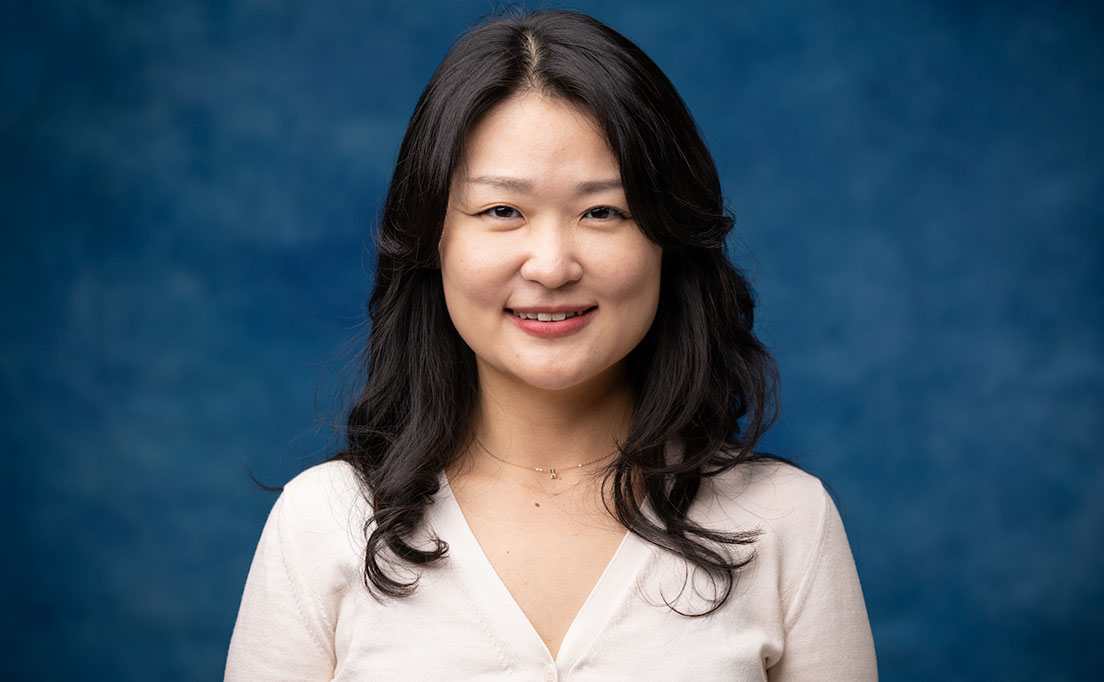
Sungshin (Luna) Bae
 Thesis: Locked in Without Walls: Technology-Facilitated Surveillance and Stalking as Coercive Control in a Digitally Saturated Society
Biography
Sungshin (Luna) Bae is a PhD candidate in Criminology at Monash University and a member of the Monash Gender and Family Violence Prevention Centre. She holds a Master of Laws (LL.M) from the University of Connecticut, USA, and a Master of Women’s Studies from Ewha Womans University, South Korea. Before commencing her PhD, Luna worked at the Supreme Prosecutors’ Office of South Korea as a Gender Equality Policy Specialist, where she developed initiatives addressing gender-based and technology-facilitated violence. She also contributed to gender equality policy at the Seoul Metropolitan Government.Building on this international academic and policy background, Luna was awarded the Monash Graduate Scholarship to support her doctoral studies. She brings extensive experience in bridging research, policy, and practice, and is committed to advancing evidence-based strategies that strengthen responses to gender-based and technology-facilitated abuse in diverse contexts
Thesis summary
Luna’s PhD research, Locked in Without Walls: Technology-Facilitated Surveillance and Stalking as Coercive Control in a Digitally Saturated Society, investigates how digital infrastructures in South Korea, increasingly powered by AI-driven surveillance, enable new forms of coercive control in intimate relationships. While existing frameworks of coercive control and technology-facilitated abuse highlight important dynamics of gendered violence, they often overlook structural conditions shaped by high levels of connectivity, platform dependency, and cultural norms, as well as the rapid integration of artificial intelligence into everyday surveillance. Drawing on interviews with prosecutors, investigators, victim-survivor advocates, and international experts, the study analyses how AI-enabled surveillance technologies restructure space, intimacy, and possibilities for escape, and develops new conceptual tools to theorise these dynamics. By situating South Korea as a critical case, the thesis expands criminological theory on technology-facilitated coercion and informs legal, policy, and service responses to technology-facilitated abuse in a global context.
Supervisors: Associate Professor Bridget Harris, Professor Asher Flynn, Dr Ellen Cho.