
Thandi Simelane
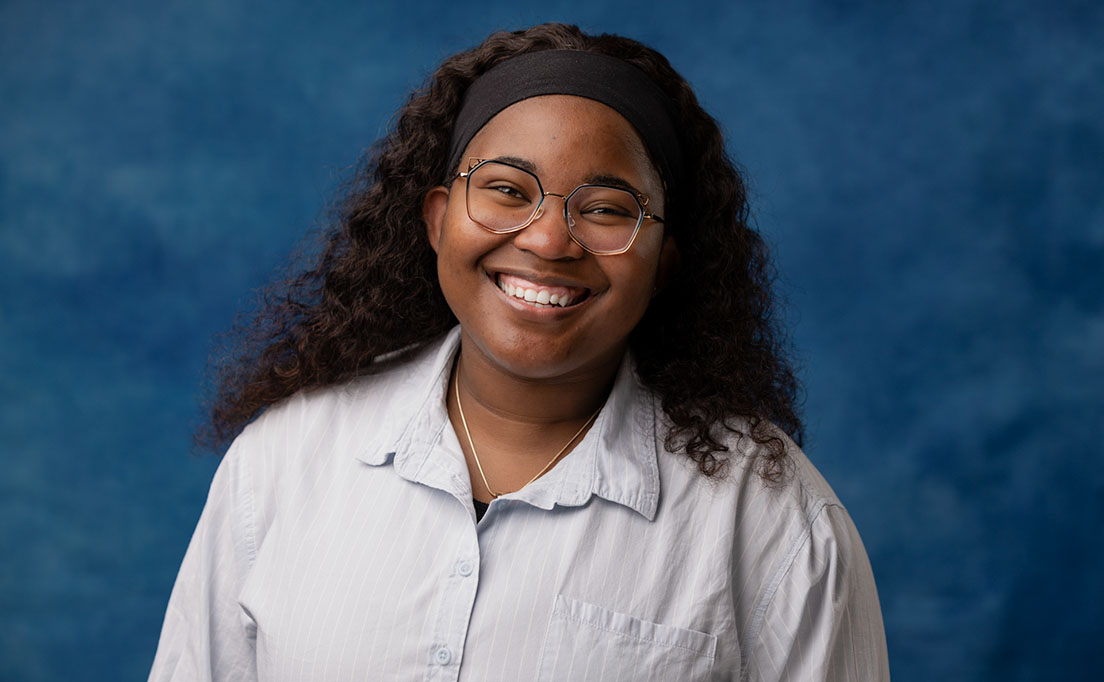 Thesis: Sub-Saharan African LGBTQ+ Family Violence Victim-Survivors’ Experiences of Help-Seeking in Australia: Practitioners and Stakeholders’ Perspectives
Biography
Thandi began her PhD in 2023 after completing a Master’s in Sociology at the University of Johannesburg in 2021. During her Master’s, she tutored second-year Sociology students and worked as a research assistant at the Centre for Social Development in Africa. Over three years in this role, she contributed to several projects, including a book chapter on family well-being during the COVID-19 pandemic as part of a global consortium across 11 countries. She also co-authored articles on school closures, child and family well-being, and adolescents’ health during COVID-19. In addition, she participated in policy-focused work, including the review of the White Paper on Families and research for the Office of the President on the impact of social relief grants. Now a PhD student at Monash, she has gained further experience as a teaching assistant. Her research interests centre on family and child well-being, access to quality education, and gender studies.
Thesis summary
Thandi's thesis uses queer migration theory to examine how practitioners and stakeholders in Australia understand, respond to, and negotiate the help-seeking of Sub-Saharan African LGBTQ+ victim-survivors of family violence. Queer migration theory highlights how race, sexuality, culture, religion, and migration status intersect to shape experiences of family violence and help-seeking. Drawing on interviews with practitioners, community advocates, and service providers, the research shows how help-seeking is not a straightforward process but one negotiated across multiple systems and identities.
Practitioners often recognise the cultural and structural barriers that shape this cohort’s silence and reluctance to seek formal support, yet their responses also reveal tensions, between protecting safety, respecting cultural frameworks, and working within restrictive institutional and legal settings. The thesis argues that these negotiations both illuminate gaps in service systems and point towards a need for more culturally responsive, inclusive, and affirming supports for Sub-Saharan African LGBTQ+ family violence victim-survivors.
Supervisors: Associate Professor Bridget Harris, Associate Professor Brady Robards and Professor Kate Fitz-Gibbon