
Nonja Peters – The Christian Slaves of Depok: A Colonial Tale Unravels
2023 Global Encounters Network Seminar Series
Throughout 2023, we will host a monthly webinar series to connect the diverse network of scholars affiliated or linked to the project for a fruitful, ongoing discussion.
Topic: The Christian Slaves of Depok: A Colonial Tale Unravels
In this presentation, I recount the little-known history of Cornelis Chastelein, a high-ranking official of the Dutch East India Company, and the 150-200 slaves he purchased from slave markets around Southeast Asia to work his landed estates in the Batavian (Jakarta) hinterland. I trace the making and unravelling of his dream to create a self-sustaining Christian community of freed slaves amid a Muslim stronghold. To this end, on his death on 28 June 1714, he freed most of his slaves and bequeathed to those who had embraced Christianity his 1244-hectare Depok estate in ‘collective ownership.’
Opinions about Chastelein are divided. Slavery expert Mathias van Rossum asks, “Was he good or bad?” The Depokkers see him as a benefactor; they heroise and mythologise him. The missionaries who serviced Depok lauded his evangelising spirit. In contrast, historians are inclined to say he acted out of self-interest to smooth his path to salvation. Some even proclaim Depok a social experiment. Indonesians label him a coloniser who stole their lands.
In this paper I isolate behaviours and events that influenced Depokkers’ lives after Chastelein’s death: exogamy, religion, war, revolution, and diaspora. Its main characters are the missionaries bent on the Depokkers’ ‘Dutchification’, the Japanese invaders who demand obedience to their ‘Asia for the Asians’ philosophy, and the Indonesian Pemuda (freedom fighters) who insisted the Depokkers throw their weight behind the independence movement.
Suspecting Depokkers to be pro-Dutch, Pemuda descended on the village to pillage, plunder and destroy their belongings, terrorise their women and children, and imprison the men. They slaughtered 35 Depokkers and maimed many more. Gurkhas arrived in time to prevent a further bloodbath. Called the Bersiap-time, the Dutch who endured and survived it fled in mortal fear of another confrontation. A diaspora ensued.
Enslavement made the Depokkers in-betweeners. In the Netherlands, they were considered Indonesian, and the Dutch to whom they thought they belonged painfully excluded them. Following the transfer of sovereignty, the Republic of Indonesia confiscated the rice fields of those that stayed and labelled them Belanda Depok (black Hollanders). The history of the Depokkers is a narrative of survival in the face of adversity that takes in the dying embers of the Netherlands East Indies and the birth of Indonesia.
Speaker: Dr Nonja Peters
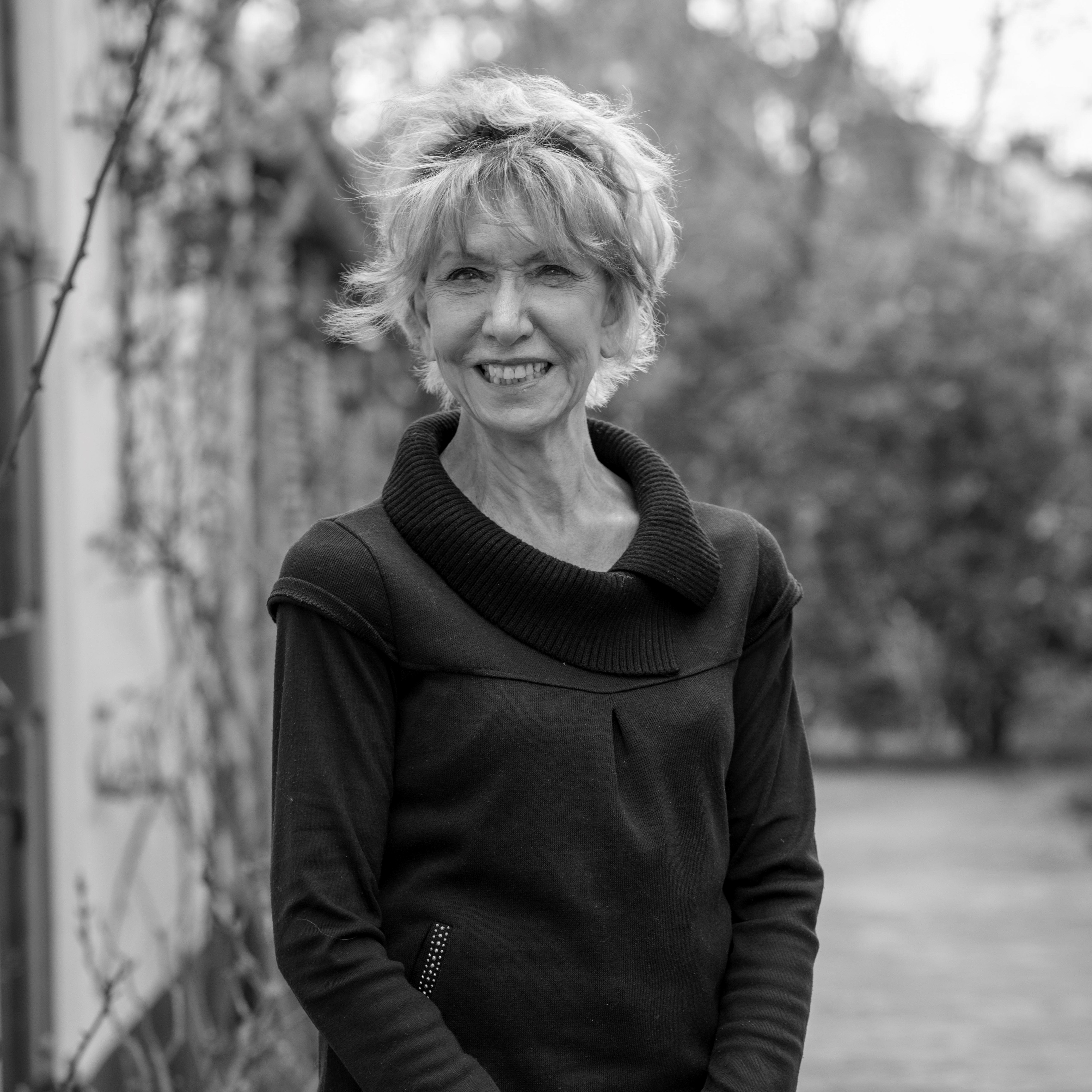 Nonja Peters works internationally with universities, heritage organisations, and local communities. Her principal aim is to bridge the gap between academia and general audiences. She works in such contemporary topics as urban studies, ethnicity and identity studies, race relations, globalisation, and migration. She does so by transforming her research results into high impact museum exhibitions and books that provide a public platform for her research subjects to tell their story, to be heard and acknowledged. Her special interest is maritime, military, migration and mercantile connections of the Dutch with Australia and the region since 1602. Her recent research focus is the incursion of the Dutch into the Indian Ocean Region and its long-term impact on the sense of place, identity and belonging of Indigenous Peoples in South Africa and Namibia, Indonesia, and Western Australia. It resulted in the publication Verlander: Forgotten Children of the VOC, and exhibitions in South Africa, Namibia, The Netherlands, Australia, and Indonesia. The publication and exhibition De Droom van Cornelis Chastelein was on display at the Westfies Museum in Hoorn, Netherlands in 2019; Depokkers: A Colonial Tale Unravels was on display at Indisch Herinneringscentrum/Museum Sophiahof in The Hague, Netherlands from September 2020 to December 2021. The book The Christian Slaves of Depok: A Colonial Tale Unravels was launched in 2022. All these projects are sequels to the Verlander research and exhibitions.
Host: Distinguished Professor Lynette Russell AM (Monash University)
Time: Thursday 20 July 2023, 6:00pm - 7:00pm AEST
Register here.
For enquiries please contact david.haworth@monash.edu
Event Details
- Date:
- 20 July 2023 at 6:00 pm – 7:00 pm
- Categories:
- Monash Indigenous Studies Centre (MISC); Global Encounters & First Nations People
Description
2023 Global Encounters Network Seminar Series
Throughout 2023, we will host a monthly webinar series to connect the diverse network of scholars affiliated or linked to the project for a fruitful, ongoing discussion.
Topic: The Christian Slaves of Depok: A Colonial Tale Unravels
In this presentation, I recount the little-known history of Cornelis Chastelein, a high-ranking official of the Dutch East India Company, and the 150-200 slaves he purchased from slave markets around Southeast Asia to work his landed estates in the Batavian (Jakarta) hinterland. I trace the making and unravelling of his dream to create a self-sustaining Christian community of freed slaves amid a Muslim stronghold. To this end, on his death on 28 June 1714, he freed most of his slaves and bequeathed to those who had embraced Christianity his 1244-hectare Depok estate in ‘collective ownership.’
Opinions about Chastelein are divided. Slavery expert Mathias van Rossum asks, “Was he good or bad?” The Depokkers see him as a benefactor; they heroise and mythologise him. The missionaries who serviced Depok lauded his evangelising spirit. In contrast, historians are inclined to say he acted out of self-interest to smooth his path to salvation. Some even proclaim Depok a social experiment. Indonesians label him a coloniser who stole their lands.
In this paper I isolate behaviours and events that influenced Depokkers’ lives after Chastelein’s death: exogamy, religion, war, revolution, and diaspora. Its main characters are the missionaries bent on the Depokkers’ ‘Dutchification’, the Japanese invaders who demand obedience to their ‘Asia for the Asians’ philosophy, and the Indonesian Pemuda (freedom fighters) who insisted the Depokkers throw their weight behind the independence movement.
Suspecting Depokkers to be pro-Dutch, Pemuda descended on the village to pillage, plunder and destroy their belongings, terrorise their women and children, and imprison the men. They slaughtered 35 Depokkers and maimed many more. Gurkhas arrived in time to prevent a further bloodbath. Called the Bersiap-time, the Dutch who endured and survived it fled in mortal fear of another confrontation. A diaspora ensued.
Enslavement made the Depokkers in-betweeners. In the Netherlands, they were considered Indonesian, and the Dutch to whom they thought they belonged painfully excluded them. Following the transfer of sovereignty, the Republic of Indonesia confiscated the rice fields of those that stayed and labelled them Belanda Depok (black Hollanders). The history of the Depokkers is a narrative of survival in the face of adversity that takes in the dying embers of the Netherlands East Indies and the birth of Indonesia.
Speaker: Dr Nonja Peters
Nonja Peters works internationally with universities, heritage organisations, and local communities. Her principal aim is to bridge the gap between academia and general audiences. She works in such contemporary topics as urban studies, ethnicity and identity studies, race relations, globalisation, and migration. She does so by transforming her research results into high impact museum exhibitions and books that provide a public platform for her research subjects to tell their story, to be heard and acknowledged. Her special interest is maritime, military, migration and mercantile connections of the Dutch with Australia and the region since 1602. Her recent research focus is the incursion of the Dutch into the Indian Ocean Region and its long-term impact on the sense of place, identity and belonging of Indigenous Peoples in South Africa and Namibia, Indonesia, and Western Australia. It resulted in the publication Verlander: Forgotten Children of the VOC, and exhibitions in South Africa, Namibia, The Netherlands, Australia, and Indonesia. The publication and exhibition De Droom van Cornelis Chastelein was on display at the Westfies Museum in Hoorn, Netherlands in 2019; Depokkers: A Colonial Tale Unravels was on display at Indisch Herinneringscentrum/Museum Sophiahof in The Hague, Netherlands from September 2020 to December 2021. The book The Christian Slaves of Depok: A Colonial Tale Unravels was launched in 2022. All these projects are sequels to the Verlander research and exhibitions.
Host: Distinguished Professor Lynette Russell AM (Monash University)
Time: Thursday 20 July 2023, 6:00pm - 7:00pm AEST
Register here.
For enquiries please contact david.haworth@monash.edu