
Methodology
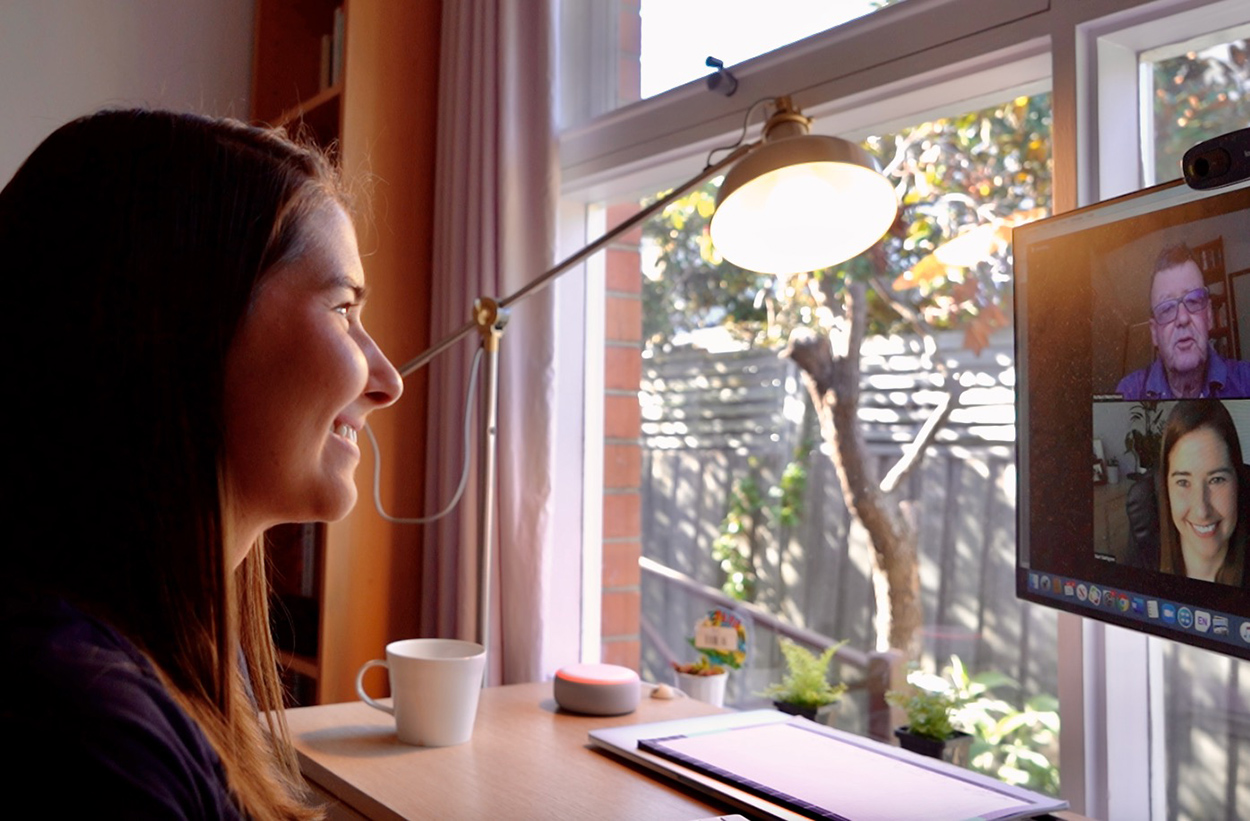
Australia’s electricity sector planning can be significantly improved through greater integration of critical research on emerging social trends. Digital Energy Futures will enable innovation in the energy sector by providing a new interdisciplinary forecasting methodology, which will be nationally and internationally leading and transferable.
Like all forecasting methodologies, social practice imaginaries and principles are not intended to predict the future. Their value lies in offering new insights into how digital energy futures can be imagined, and subsequently enable forecasting models, planning mechanisms, and demand management programs to anticipate changing social practices.
Our social-science led research team are pioneering methodologies and conceptual approaches to understand and forecast digital energy futures. Associate Professor Yolande Strengers is a sociologist of smart technology, social practices and energy demand. Both Yolande and Dr Larissa Nicholls are industry-leading collaborative researchers investigating how changing social trends and consumer impacts in the energy sector. Professor Sarah Pink is a globally leading digital ethnographer and futures anthropologist. Her work has forged new methodologies for anticipating and understanding possible futures with digital technologies in industry partnered research. Dr Kari Dahlgren is an anthropologist with ethnographic experience researching Australia’s energy landscape.
The COVID-19 pandemic, and associated lockdowns, required and enabled continued innovation in research methodologies. The experienced research team have developed novel online ethnographic methods involving participant video recordings, participant diaries, virtual home tours, and comic-strip illustrations, more details are available here. These methods allowed the research team to capture unique insights derived from experiences of the Covid-19 pandemic and its impact on emerging digital energy futures.
There are six stages to the research design:
Stage 1: Digital and energy futures review
This stage will involve a desk-based review of industry reports about digital and energy futures to develop insights into how household practices are likely to change in the future. The key contribution at this stage is to bring together currently separate visions for digital and energy futures, to understand how they might impact or disrupt each other.
Status: Completed
Stage 2: Digital ethnography with households
The project team will conduct digital ethnography research tailored to residential homes with 72 households in Ausgrid and AusNet Services’ distribution areas across six diverse customer groups. This stage will focus on understanding the future through the present-day digital practices and expectations of Australian householders. Informed by the Stage 1 digital and energy futures review, the ethnography will test and challenge industry visions for digital energy futures.
Status: Completed
Stage 3: Survey supplement for ECA’s annual Energy Consumer Sentiments Survey (ECSS)
Digital Energy Futures research partner Energy Consumers Australia (ECA) conducts the most comprehensive ongoing survey of the attitudes and activity of residential energy consumers in Australia. Based on the recent findings from the digital ethnography with households, the Digital Energy Futures project is adding a range of questions to the ECA survey supplement to track key data about ‘consumer energy futures’. Emerging trends relevant to household energy demand are being investigated, including trends first observed in response to the 2021 bushfire crisis and COVID-19 pandemic.
Status: In progress
Stage 4: Scenario innovation workshops with residential electricity consumers
The project team will undertake 12 scenario innovation workshops with residential energy consumers recruited from Ausgrid and AusNet Services’s residential electricity consumers. The facilitated workshops will involve: “hypotheticals” of the scenarios (developed at Stage 1) whereby participants will be invited to playfully imagine themselves in possible digital energy future scenarios; and “Scenario-making”, providing participants with an opportunity to re-imagine/rethink and where possible enact the scenarios in ways that bring digital and energy futures ambitions together. The aim is to develop consumer-focused and -driven future scenarios informed by all other stages of research.
Status: In progress
Stage 5: Modeling and scenario testing
The research team will work with POs Ausgrid and AusNet Services to embed the research findings and insights into their forecasting methods. Workshops with key energy sector stakeholders will inform the development of an interdisciplinary forecasting methodology that considers the everyday futures developed through the project.
Status: 2022
Stage 6: Demand management innovation
In the final stage of the research, the project team will review the findings across all stages to identify potential demand management opportunities for intervening in the forecasts and future scenarios produced. These suggested interventions aim to disrupt or encourage possible futures likely to adversely affect or positively impact the electricity sector and the reliability and affordability of electricity for residential consumers.
Status: 2022
Practice domains
The project will explore digital energy futures through the following practice domains:
Charging and mobility: electric vehicles; car and ridesharing; automated vehicles’ public transport; battery charging; device charging stations; battery-operated gardening equipment.
Cooking and eating: multiplication of cooking devices and small appliances; food storage; refrigerators and freezers; smart kettles, coffee makers and other appliances; meal delivery services.
Healthy indoor air and thermal comfort: digital and connected heating, ventilation and air conditioning systems; changing expectations of heating and cooling; air purification, dehumidifiers, and diffusers.
Living and play: multiplying or converging devices; live streaming; home cinemas; video games; virtual and augmented reality; voice assistants and smart home technologies.
Working and studying at home: home-based work and study; home-based businesses and digital collaboration; flexible employment and schedules.
Caring for the home and its occupants: home-based childcare and care of older people; changing trends in assisted living; care for pets; care for home and security systems.
Saving, shifting, and storing energy: solar photovoltaics; smart meters; smart plugs and smart appliances; energy trading and sharing; battery storage and automation.