
Research

In the Applied Microfluidics & Bioengineering (AMB) Lab, we combine our knowledge of microfluidics, advanced microscopy, cell biology, and translational medicine to carefully mimic, manipulate, and measure biology. The current areas of focus include sperm motility, infertility and assisted reproduction, organ-on-a-chip, cancer diagnostics, microbe-based environmental remediation, and climate change.
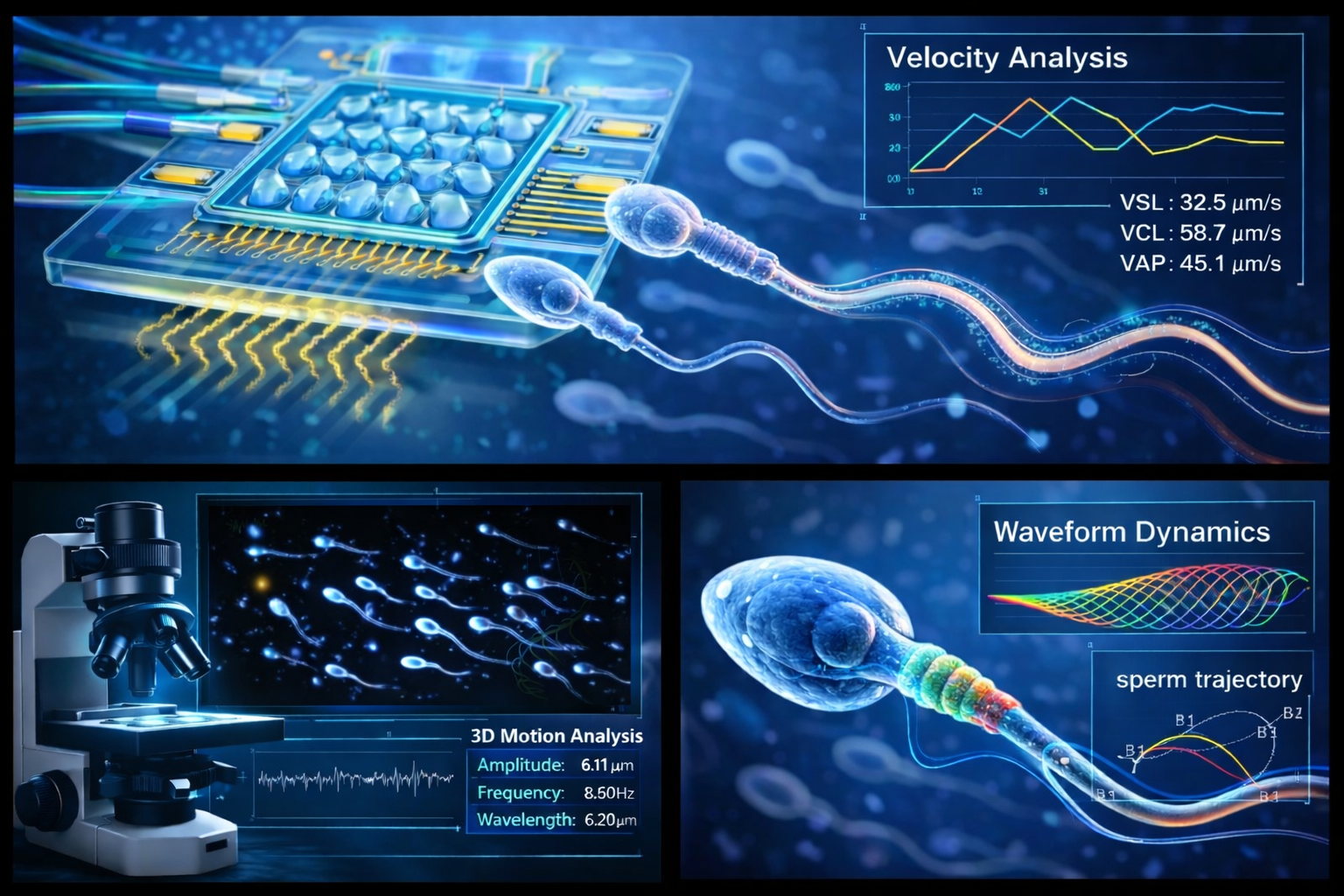
Sperm Motility
An interdisciplinary study focused on advancing hydrodynamics-based analysis of sperm flagellar motility. Using a custom high-speed microscopy platform and specialised analytical tools, the fundamental mechanics governing sperm movement are investigated. Microengineered platforms that replicate key conditions of the female reproductive tract are developed to examine how sperm motility adapts to physiologically relevant environmental and mechanical cues. By integrating fluid mechanics, reproductive biology, and advanced imaging, this work provides deeper insight into sperm function and fertilisation potential.
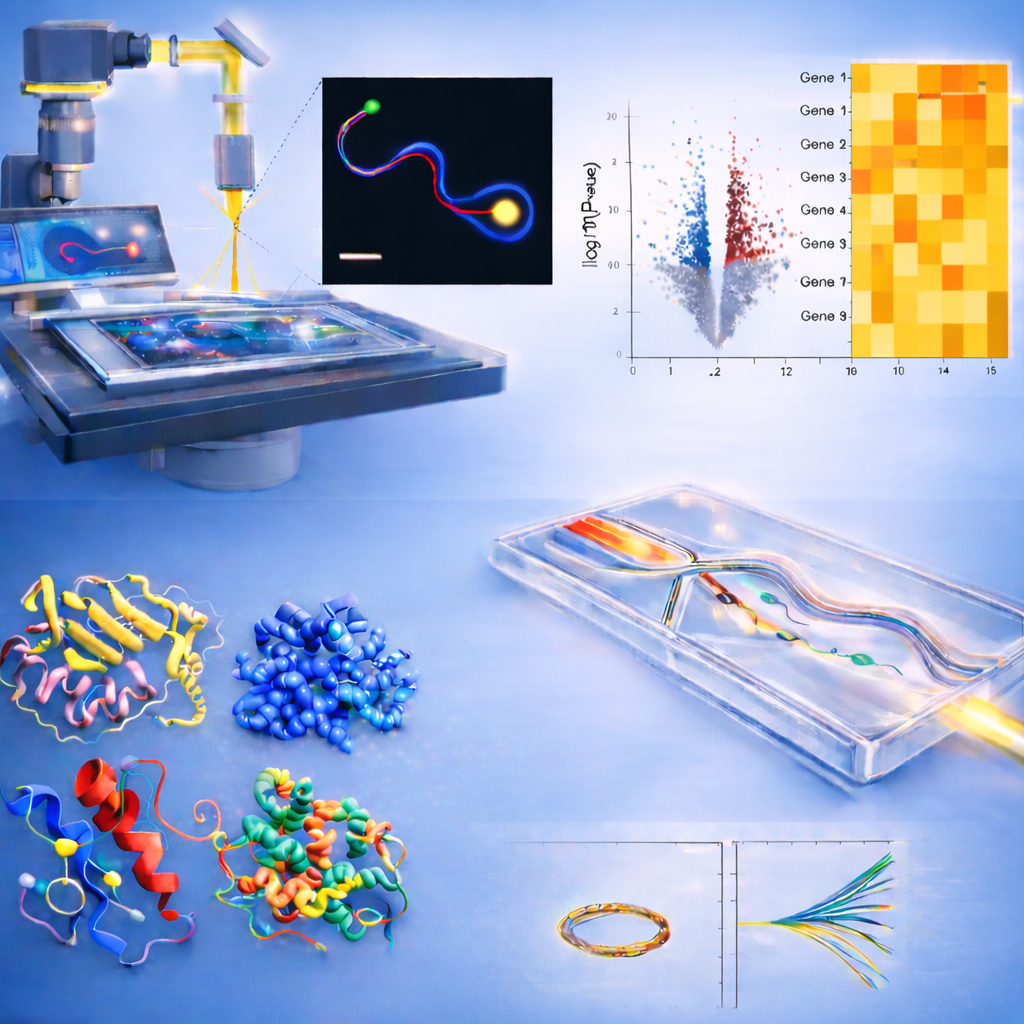
Microfluidics and Multiomics for Understanding Fertility
Our team investigates how mammalian sperm respond to mechanical and environmental cues using integrated microfluidic and multi-omics technologies. By combining advanced device engineering with molecular profiling approaches, we aim to explore how dynamic physical environments influence sperm functional behaviour and expression patterns. This work seeks to better define the biological signatures associated with sperm performance under physiologically relevant conditions. The project brings together expertise in microfluidics, reproductive biology, and systems-level molecular analysis to advance understanding of sperm function and male reproductive health.
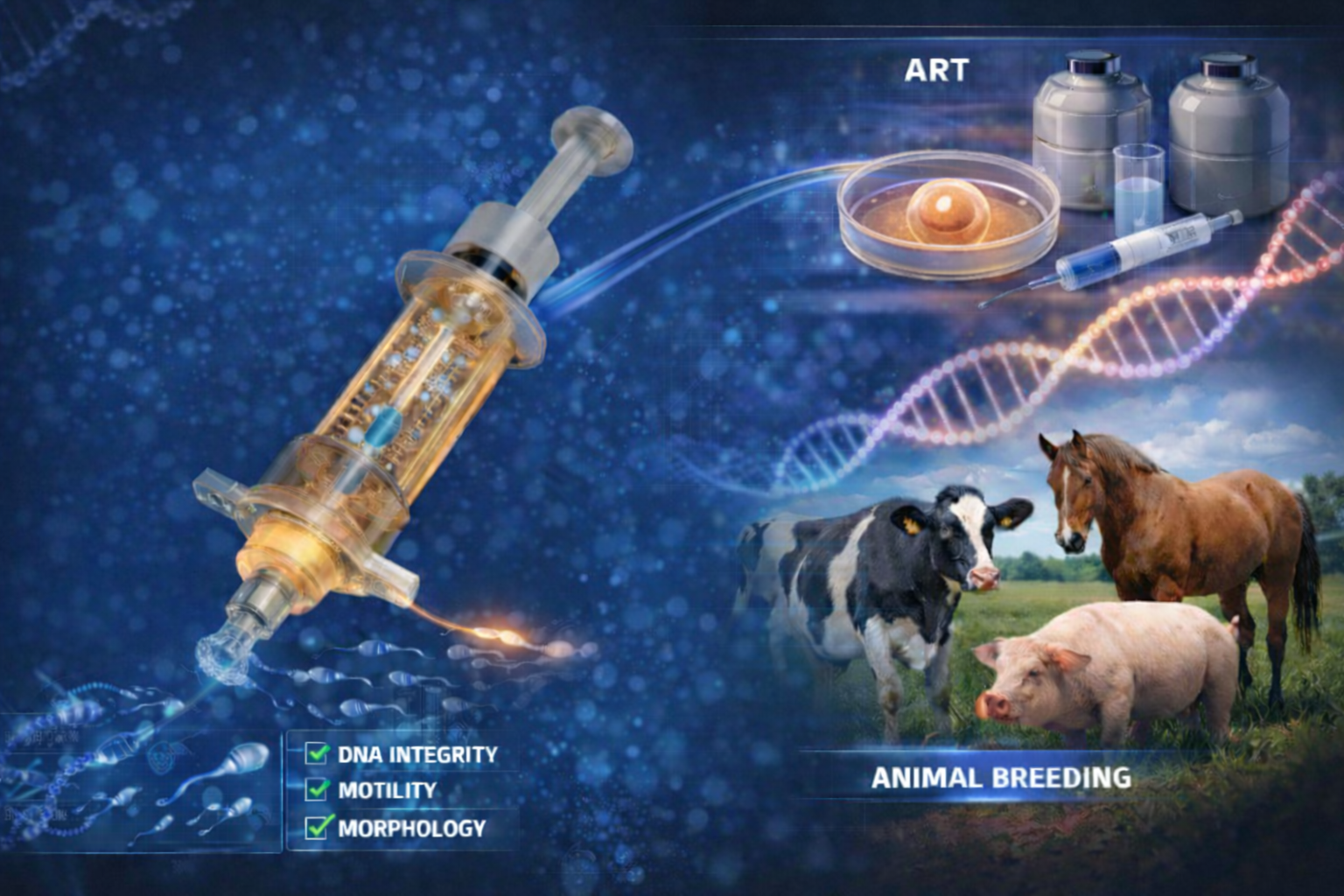
Development of Next-Generation Sperm Selection Technologies
We design and prototype sperm selection devices to isolate high-quality sperm populations. Our work brings together engineering and reproductive biology to develop selection platforms that more closely reflect physiological conditions. Our research focuses on improving sperm selection for human assisted reproduction and animal breeding. Through systematic device optimisation and validation, we aim to improve selection efficiency, consistency, and success rates, supporting reliable outcomes in both clinical and agricultural contexts.
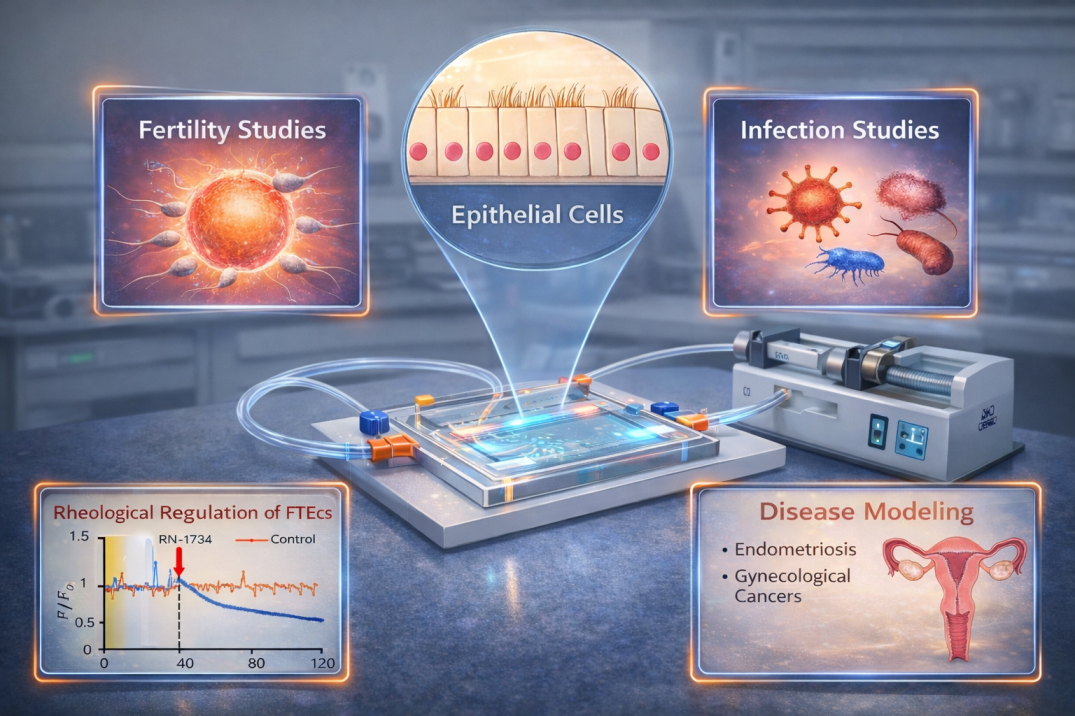
Organotypic models
We develop organ-on-chip platforms to model the female reproductive system, focusing on the fallopian tube. Using custom microfluidic chips, we replicate its natural geometry, flow conditions, and biomechanical environment. Our work helps uncover how physical forces influence reproductive biology and disease.
AI in ART
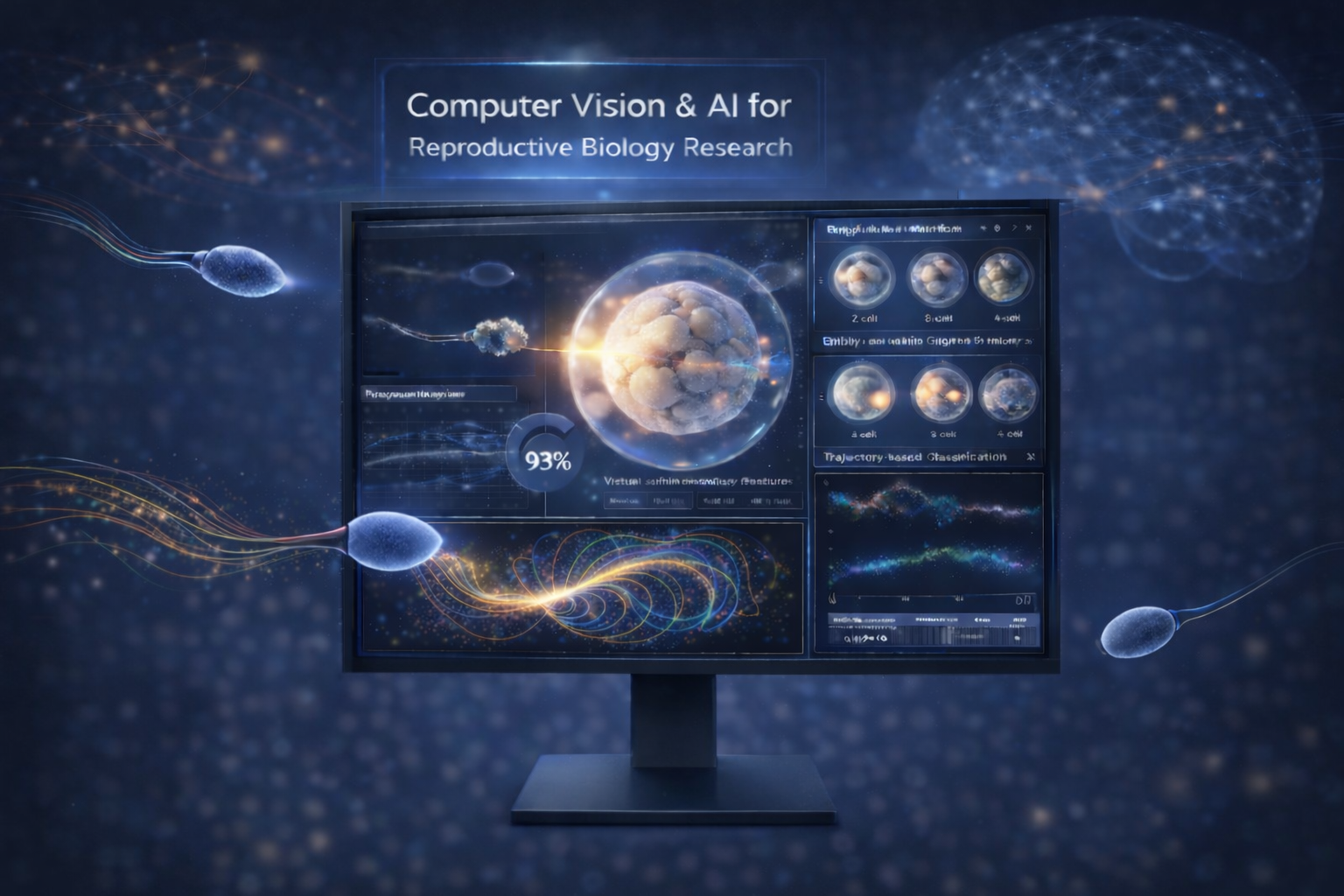
Our AI subgroup develops advanced computer vision and machine learning tools to enhance reproductive biology research and clinical decision-making. We design deep learning models for automated analysis of sperm, oocytes, and embryos, including morphology assessment, motility tracking, trajectory-based classification, segmentation, and virtual staining of intracellular features. By integrating state-of-the-art architectures, such as convolutional networks, transformers, and time-series models, with biological insight, and by collaborating closely with clinicians and embryologists, we aim to improve gamete and embryo selection practices in IVF clinics.
Microbial Systems Engineering
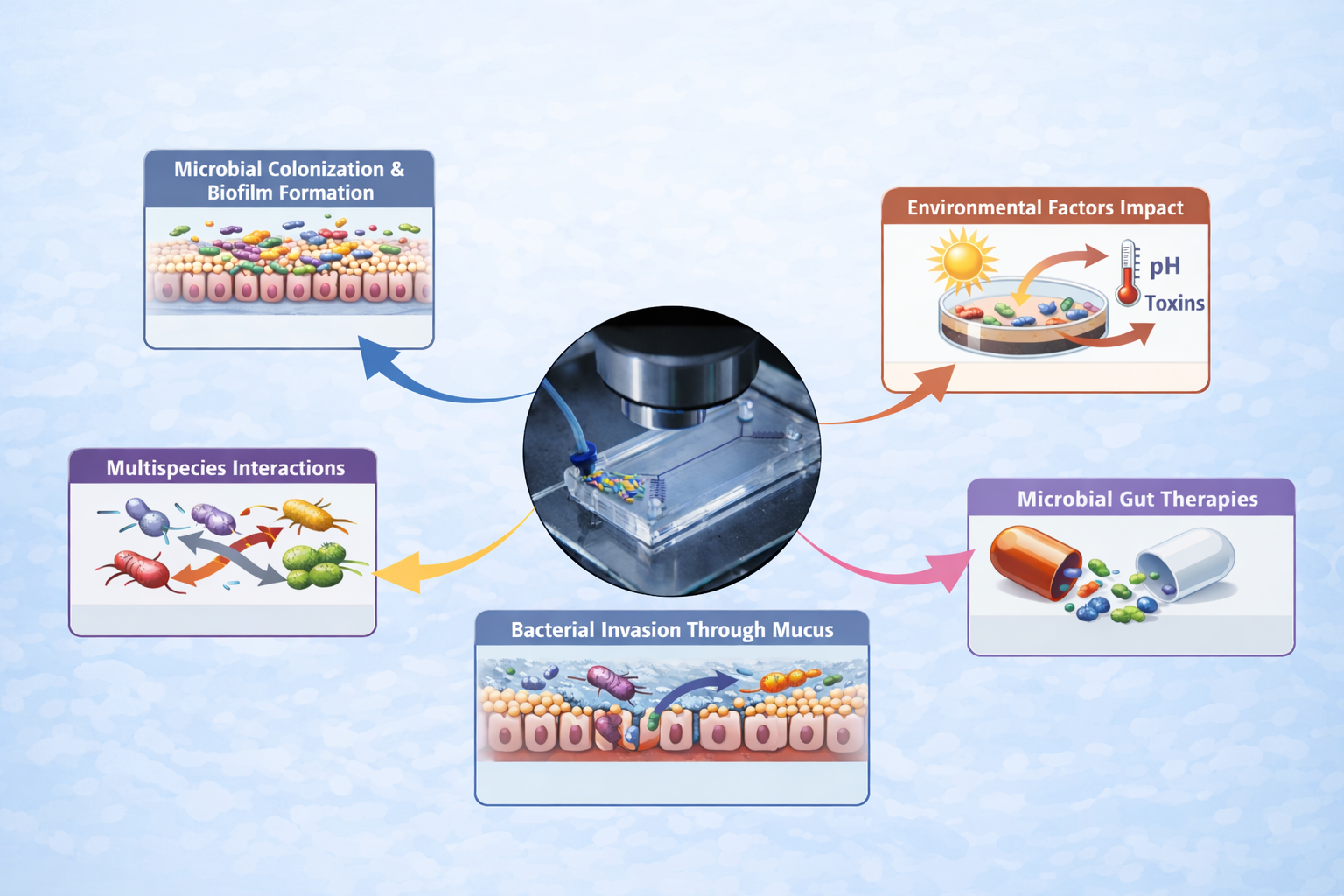
Bacterial motility and colonisation at mucus-covered biological interfaces under flow are investigated, with a focus on the digestive system and the dynamic interaction between flowing mucus and motile bacteria. The work bridges simplified static assays and the complexity of living tissues, revealing how physical forces, mucus properties, and bacterial traits shape mucosal colonisation and biofilm formation. It also examines how hydrodynamic forces, surface interactions, and mucus rheology influence bacterial trajectories in mucus-rich environments, including the reproductive tract and gastrointestinal tract