Food connections
Food was seen as an important connector to self, friends, family, community and land. People discussed the way food can bring people together and build a community with discussion of sharing food, helping others out with food, connection with local food producers and community initiatives such as community gardens. It is important to note that while most community members discussed the ability for food to nurture social and emotional health, this was not necessarily the case for those experiencing food insecurity.
Food nurtures social and emotional health | Building a community around food |
|---|---|
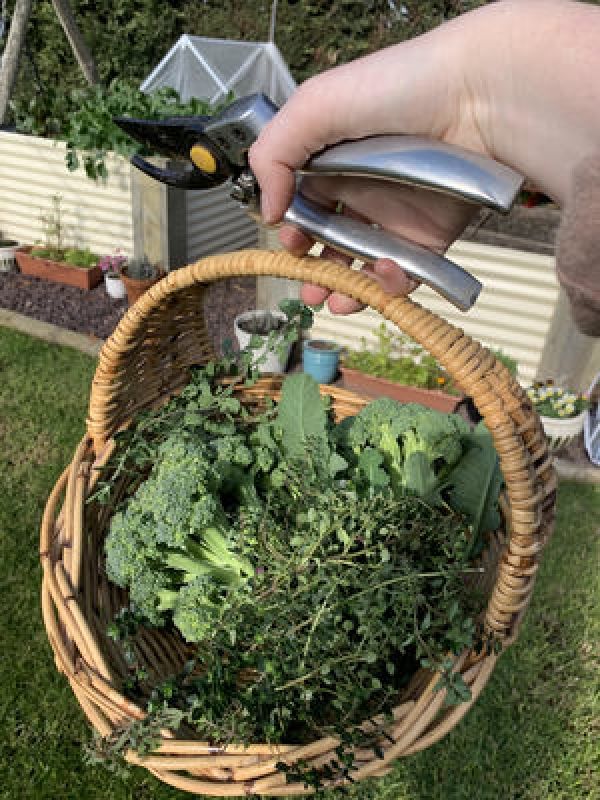
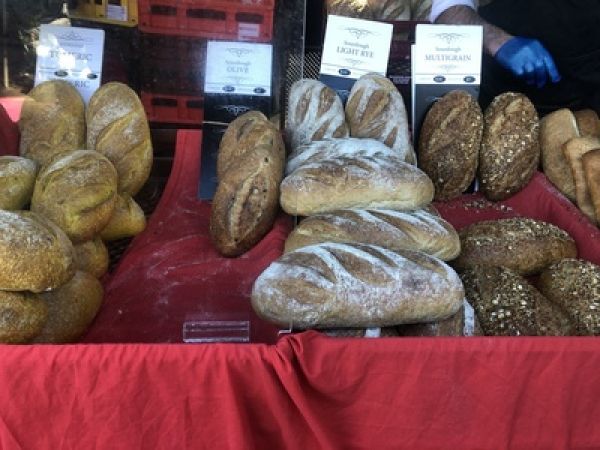
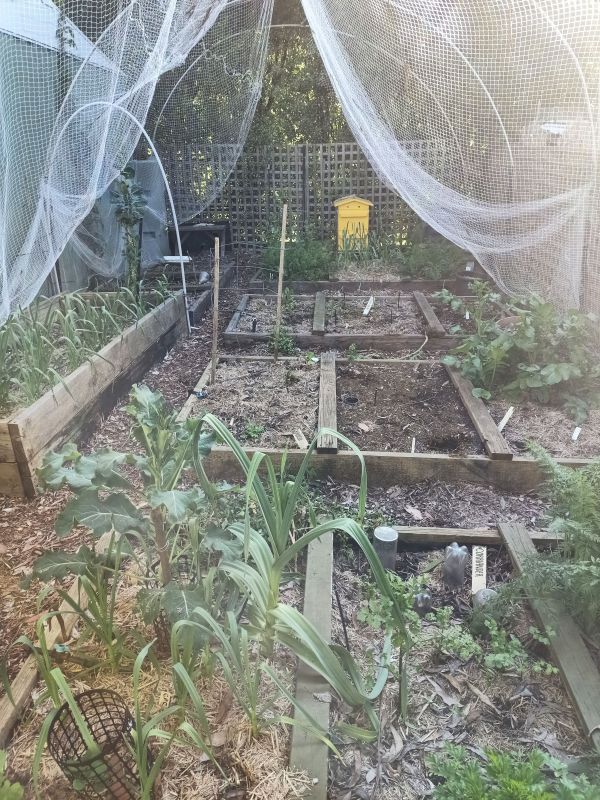
Food was an important aspect of life beyond physical nourishment and supported emotional health. It was a source of enjoyment. Used to celebrate and bring people together. Certain foods were reserved to be eaten only on these special occasions. Food, cooking and gardening provided learning opportunities. For some growing food was a hobby and helped to support mental wellbeing. But for some people experiencing food insecurity, food was often a source of stress or anxiety leading to feelings of uncertainty. This meant that often sacrifices were often made impacting on the ability to enjoy and connect to food. | Connecting with the wider community was important. Food acted as a connector. Being involved in community activities e.g. community gardens, connected people and fostered a greater understanding and appreciation of where food came from. Connecting to local food growers and retailers allowed people to buy quality produce while knowing they are supporting people in their community. People shared and exchanged home grown produce with neighbours and community. Some gave back to community by cooking and providing food to local food relief organisations and schools to help other people in Cardinia experiencing difficulties accessing food. |