Food insecurity
Some people described experiencing food insecurity. This may have been episodic and short term or on a chronic and ongoing basis. There were many competing factors that affected the ability for people to access the food they need including money, competing bills, health, time and cost of food. People discussed putting the interest of their family above their own needs and being able to provide for their family was of key importance when accessing food. For some, accessing food relief was an important and often main source of food. While there was a sense of gratitude for having these food relief services people highlighted the issues of service delivery, poor quality and variety of food, not being able to choose the food themselves or lack of choice, ‘proving’ they were eligible for the service, and often feeling that were being judged.
| The 4 T’s to accessing food relief - Trial, Tribulation, Trade off and Thanks | Diverse but overlapping consequences |
|---|---|
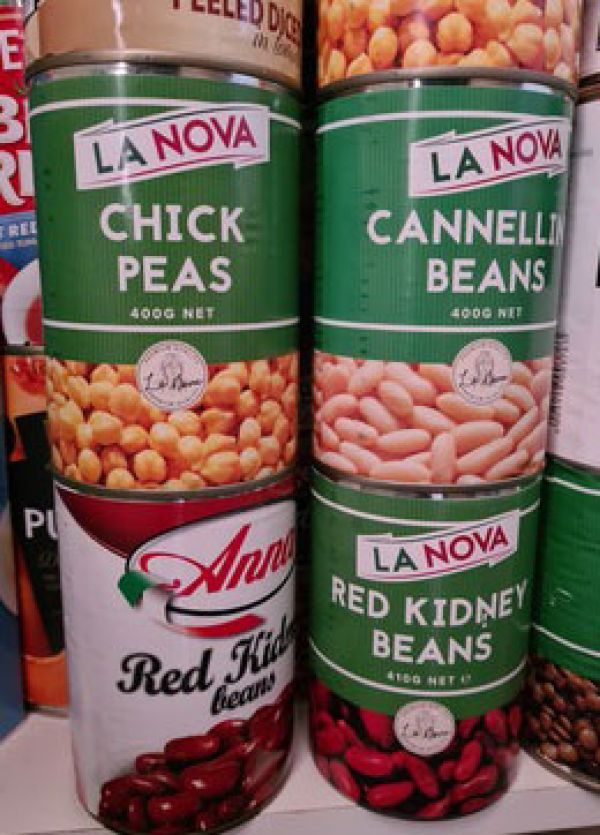
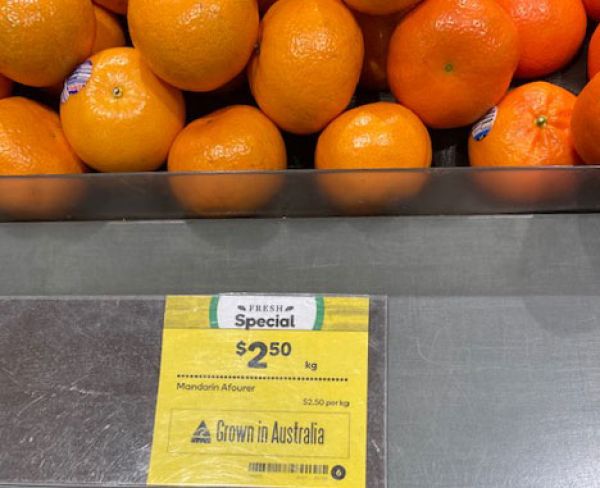
When money was scarce people relied on food relief to access food. For some this was their main source of food, with some people accessing food relief for the first time during the COVID-19 pandemic and others relying more on food relief during the pandemic than usual. Accessing food relief and the model of service delivery of some food relief services brought about issues with dignity, shame and judgement. There was a great sense of gratitude that there were these services available. Despite this gratitude, people described a lack of choice in types of food and restrictions on the amount of food and locations of food relief services. Even when faced with a lack of choice people made use of what they could get, drawing upon their food literacy skills to be able to make use of these limited foods. The quality of fresh produce was low with limited healthy food choices – often highly processed and foods that did not support cultural or special dietary needs. Despite the lack of quality and choice, participants did not always feel they had options outside of food relief so took what they could get. One person summed this by saying ‘Beggars can’t be choosers.’ | Accessing food while experiencing food insecurity was a balancing act. Juggling decisions and trade-offs on diverting money allocated for food to bills and other ‘essentials’ but trying to make sure there was still money for food for the week. This involved ongoing tight budgeting, planning and sacrifice. Trade-offs were made on food choices and quality with the types of food they could afford - choosing home brands, discounted or clearance products or food close to their use by dates. People with children prioritised their children’s food needs over their own. |