Food influencers
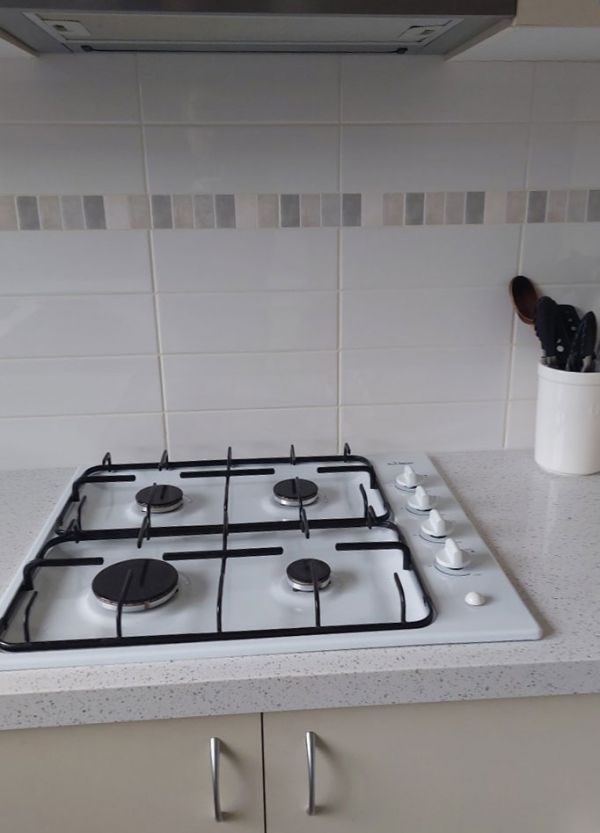
There were many influencers that played an important role in the ease of access to quality nutritious food. These were on both on an external and personal level. Personal food influencers included money, transport, health considerations, environmental considerations and time. Whilst external food influencers included location and variety of food retailers, quality and cost of food. People described supportive influencers to food access such as having a variety of food retailers close to them, transport to do grocery shopping and the money they need to support costs of living. For some people other aspects were triggers for food insecurity such as not enough money for food due to competing and unexpected costs e.g. bills, cost of food, time taken to shop for food and cook and having the physical hardware e.g. fridge, freezer, stove.
External influencers | Personal and household influencers |
|---|---|
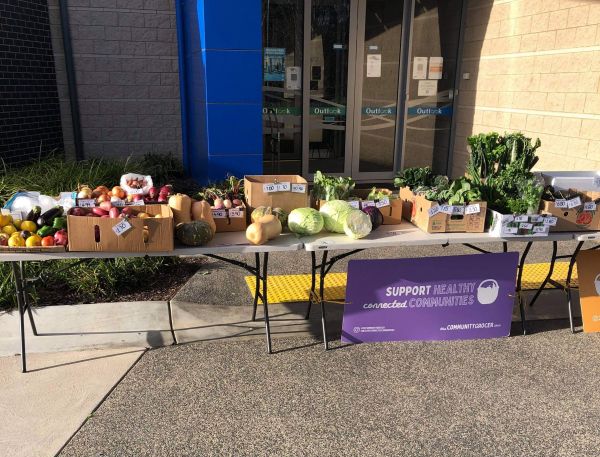
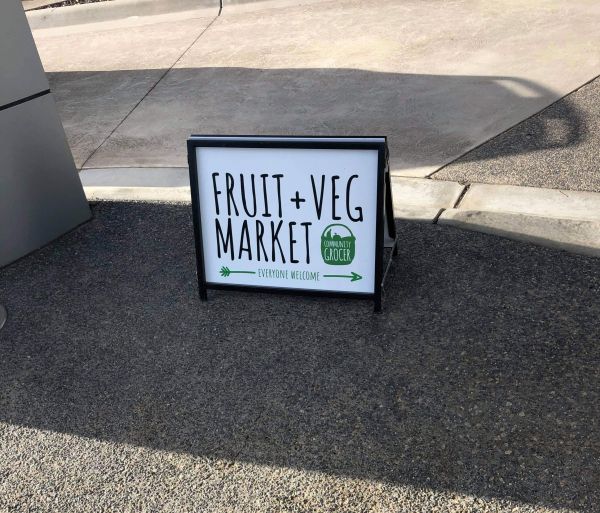
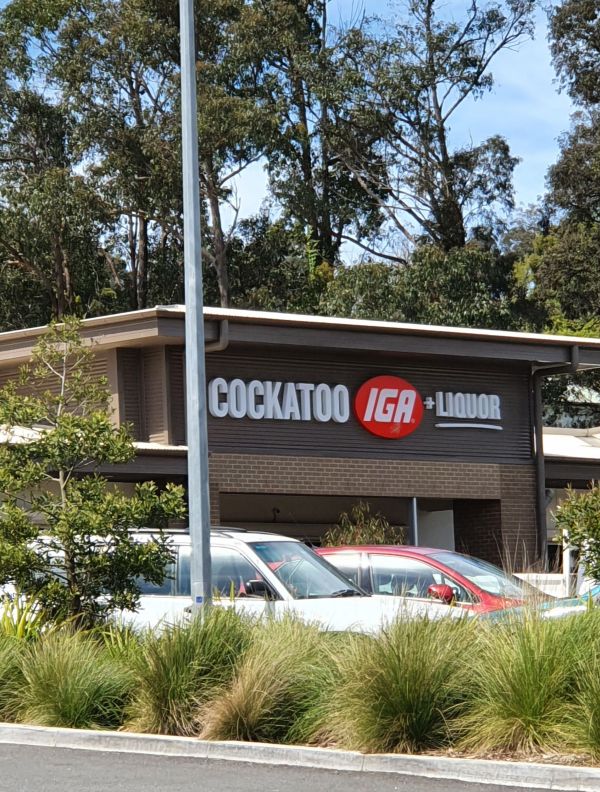
The local food retail environment influenced the how and why people accessed food. This related to the geographical design of the local area, food retailers that were easy to get to, co-located with other food retailers, distance from home or work, traffic, and ease of parking. Cars were the main form of transportation to access food. Public transport: access was described as inadequate and too hard to use when grocery shopping. People living in smaller towns across Cardinia mainly used local independent food outlets. In contrast, people in larger populated areas of Cardinia described limited number of local food specialty retailers. Major supermarket chains were mainly used due to convenience, lack of other alternatives, price and familiarity. Farmers markets and fruit and vegetable social enterprises were used by some people. These were an affordable alternative to larger supermarkets providing quality and variety of produce, but were limited in their opening hours and locations across Cardinia. | Personal financial circumstances were crucial to food purchase decision making. People were very conscious of their money and tightly managed their finances by juggling competing costs and money for food. This juggle determined where people shopped and types and brands of food that were within their budget. In weeks when money was not as tight this allowed for bulk buying of more costly food items such as meat or food from specialty stores. Having a car, adequate time, enough storage space and functioning cooking and storage hardware influenced the frequency of shopping for food, what food was purchased, and the types of and variety of meals prepared. For people experiencing impaired physical and/or mental wellbeing this often impacted income and food decisions, access and preparation. |