Food literacy
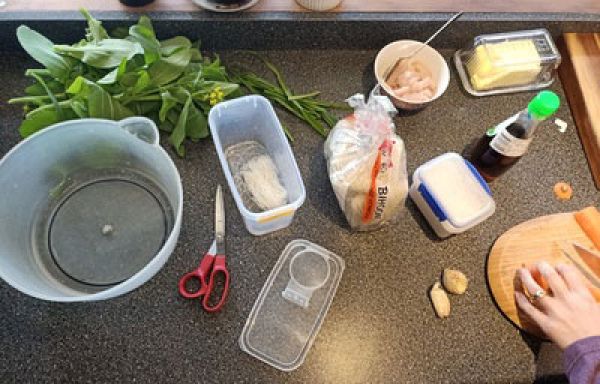
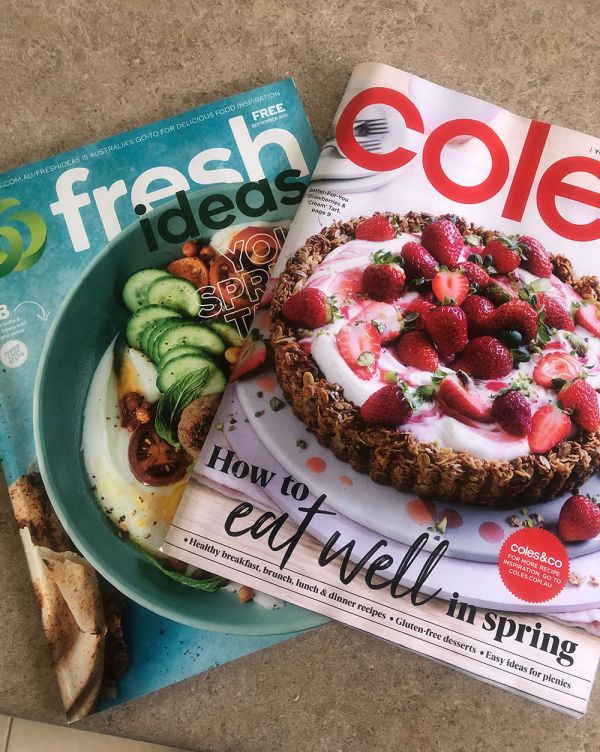
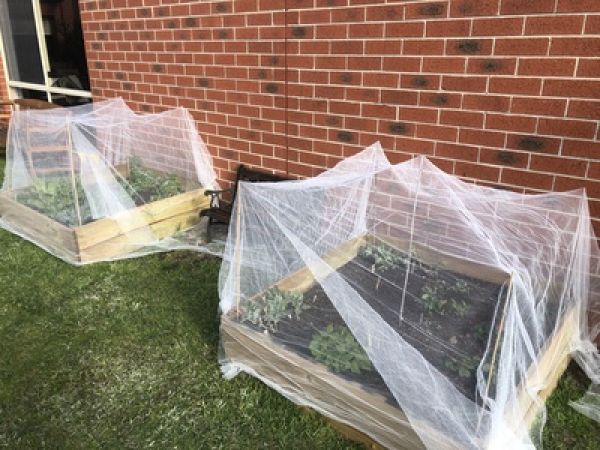
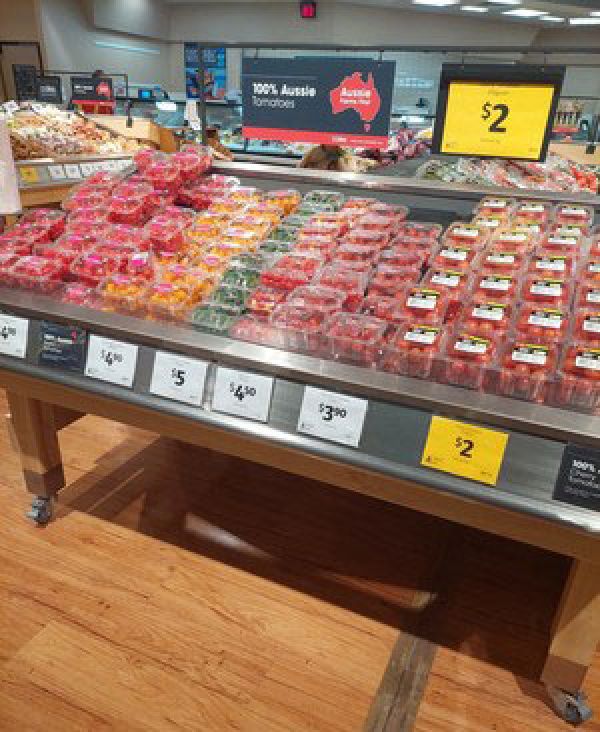
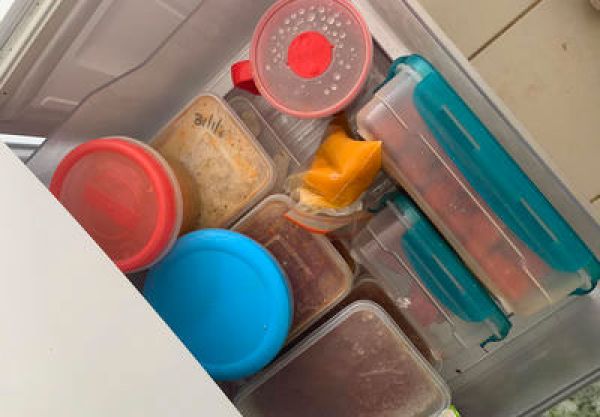
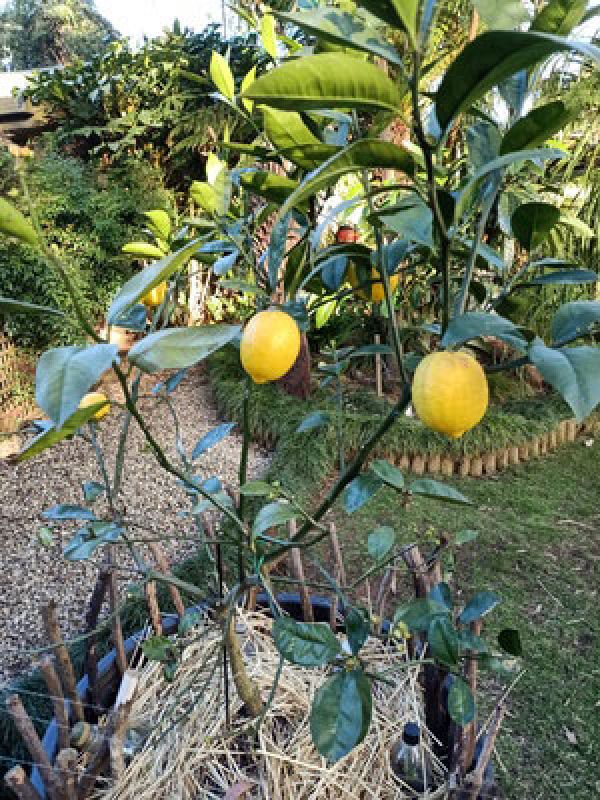
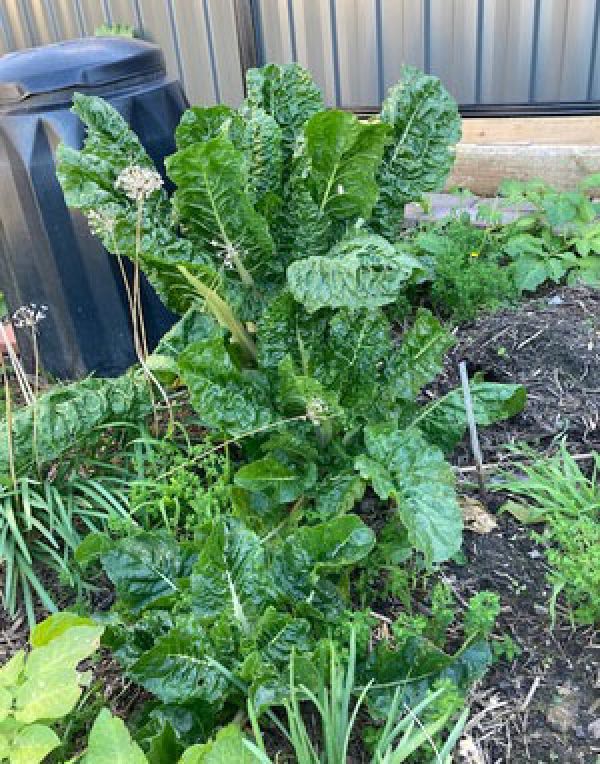
People took a wide variety of photos to describe their many strategies they used in their food access story. This included strategies to make their food dollar and food go further such as planning what food to buy and cook, where to shop, hunting for food discounts, buying in bulk and growing food. The strategies described relate to different aspects of food literacy, which can be described as the inter-related skills, knowledge and behaviours that are required for a person to be able to plan, access, prepare and cook the food that they need. Food literacy was very important for all people in order to know how to store and cook their food in order to make the most of what they are able to afford and access. This included knowing recipes, how to modify recipes, ways to shop for versatile foods that are affordable and time saving and planning strategies to make use of limited time.
People planning, shopping, growing, storing food, cooking strategies involved different knowledge and skills sets. | Sharing responsibilities and skills |
|---|---|
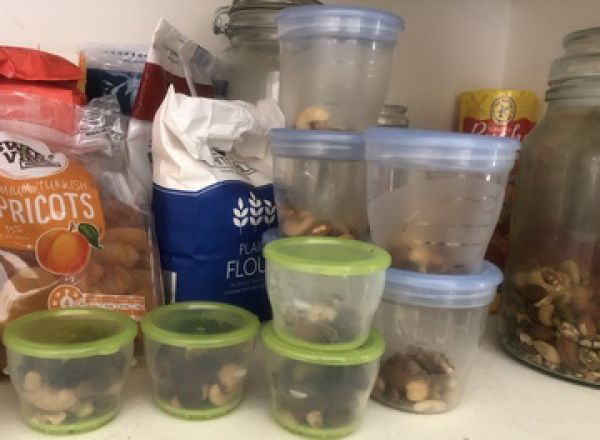
Planning included shopping lists, weekly meal planning, knowing the best time to shop for specials and the most convenient places to shop. Additional strategies included bulk buying if money was available, shopping for discounted food, and choosing ingredients that were versatile and could be used across a range of meals. Cooking skills were crucial knowing how to use different ingredients to make meals including how to adapt meals to include seasonal and/or discounted produce. A variety of food storage and organisation strategies allowed keeping food fresh for longer and reduced food waste. Growing food (fruit, vegetables and herbs) was popular but this varied in the volume and variety and was dependant on the space available and knowing how to grow food. For some people this was a cost effective and waste reduction way for using foods such as fresh herbs. | To support their access to food many people described sharing responsibilities and delegating tasks with others in their family or household. This saved time and allowed time for food tasks including shopping, preparing and cooking food on top of all their other responsibilities. A few people with children discussed passing this food literacy – knowledge and skills, to their children hoping that they would grow up and adopt healthy food habits. |