
Hear from our COP27 delegates
Hear from our delegates
Monash was honoured to have once again participated in COP and have the opportunity to share our climate change expertise and knowledge with youth from across the world, thought leaders, activists and experts, other universities and policy makers, researchers and scientists. Climate change impacts us all and addressing the challenges is an urgent priority and core focus for Monash. With COP27 now concluded, here is what our Monash delegates had to say about their experience at COP27 in Sharm El-Sheikh, Egypt.
 Dr Susie Ho
Monash Delegation Co-Lead, Director of the Monash Innovation Guarantee and Associate Dean of International and Graduate Education
Why are you passionate about climate change?
I am passionate about climate change because it affects the whole of the economy and our society. It affects every community and every walk of life, and it particularly affects the most vulnerable among us – including women, First Nations peoples, and youth. Everyone should be passionate about climate change because every one of us will have to take steps forward to secure earth’s life support systems and create a positive future.
I am particularly passionate about empowering young people to approach the issues of climate change and advance the SDGs. As recognised by the UNFCCC and Article 12 of the Paris Agreement, education is one of the most powerful mechanisms we have for accelerating sustainable transitions across the whole of our society.
As such, my mission is to create transformative education programs that provide future leaders and change agents with the skills, knowledge, mindsets and networks they will need. Our future leaders will need to innovate and move beyond business as usual in their future careers, whether they will go on to work in NPOs, government or UN agencies, startups, corporations, or within their local communities.
What were your hopes for COP27?
I had hoped that youth and other marginalised voices would be front and centre at COP27. I hope the next COP will create deeper engagement with those most impacted by climate change.
Youth were vocal about the big issue of COP27, ‘loss and damage finance’ – how much developed nations are willing to pay to developing nations, acknowledging that wealthy nations have reaped economic benefits from their own unsustainable development. As COP raced towards its late conclusion, a breakthrough occurred, with the EU spearheading a loss and damage fund. It became clear that a majority of countries want to quit fossil fuels, even if they are torn as to who pays the bill.
However, there was a sense of disappointment among youth. There was a feeling on the ground that discussions should have further integrated the voices of those most impacted by climate change, such as First Nations peoples, women, and young people. Perhaps this occurred because the voices of minority groups and grassroots civil society activists were somewhat muted this year, with protesters largely relegated to an approved space.
Has your experience at COP27 matched your expectations?
This year at COP27 we made incremental change when systematic transformation was needed, and this was most keenly felt and voiced by our young people. Carlos Manuel Rodriguez-Echandi, CEO of the Global Environmental Facility, said “investing in system change is investing in the youth”. Are we investing enough?
Whilst COP27 led to progress on the issue of loss and damage, we failed to accelerate mitigation and emissions reduction and as such youth called out some organisations for greenwashing.
On the other hand, the young people present were incredibly inspiring. Their voices were urgent, unwavering and clear. Global youth are mobilising to create real change, with a focus on climate and environmental justice.
What experience or expertise did you share at COP27?
I worked on the Action for Climate Empowerment Agenda under Article 12 of the Paris Agreement, as part of various global projects focused upon education and engaging youth in intergovernmental processes. I worked with the Youth Environmental Alliance in Higher Education and the Climate Education, Communication and Outreach Stakeholders Community under the UNFCCC. I am also part of the Monitoring and Evaluating Climate Communication and Education Project, a project linked to UNESCO and the IPCC aiming to create global benchmarks for quality climate change education worldwide.
I was thrilled to moderate and organise various press conferences that allowed students from 10 different universities to raise their voices on issues such as climate justice, the Talanoa dialogues, and youth leadership. It was fantastic to be able to support our two incredible Monash youth delegates to participate in COP. They were also part of a youth art exhibition capturing the youth voice hosted in the US Center that was visited by John Kerry, Nancy Pelosi and other dignitaries.
What were your key takeaways from COP27?
Climate action can be tiring and overwhelming at times, so it is really important that young people have a community to support them. COP provides an important forum for youth to come together and become part of a global community and movement. This will empower, energise and sustain them in their work ahead. This global community is also important because it allows young people to learn to collaborate across boundaries of discipline, culture and sector to create multidimensional solutions to this complex global problem.
Can you name three things individuals can do to mitigate climate change?
- The most important part of being a sustainability leader, in any setting or any way you choose, is sustaining yourself. Prioritising your own health and wellbeing is crucial to maintaining your passion.
- The issue of climate change can feel overwhelming. Choose one way you will take action, whether that is through your studies, activism, career or local community, and take pride in that action. This will help you navigate feelings that the problem is just too big to tackle. If everyone takes action, we will greatly accelerate our progress.
- Find your network. Collaboration is your key to finding the energy, knowledge and resources to make a difference. Join communities of practice, related to the issue, industries or actions that you are most interested in.
 Isabelle (Izzy) Zhu-Maguire
Monash University student, Master of International Relations
Why are you passionate about Climate Change?
There are no reasons why people should not be passionate about climate change. The effects of climate change will impact us all. And I, as a young person, will experience these effects more intensely compared to the generations before me. Climate change will also impact the people who are marginalised more intensely. Hence, I’m passionate as I need to use my privilege to fight for those who are marginalised and silenced.
What are your hopes for COP27?
I hope that global leaders will see strength in numbers. I hope that they see young people and indigenous leaders speaking out against climate change and they will feel the pressure to act on our cries. But I also hope activists will find community. Climate action is an exhausting space to be in and can be very isolating. So I hope activists are able to find each other at COP and create a community of love and support.
Has your experience at COP27 matched your expectations?
Many aspects have – for example, I expected to find a community of young people (particularly Asia-Pacific young people) and I did. I met the most amazing, empathetic, intelligent people and I am excited to keep working with them.
However, I did expect COP to be more accessible. I thought there would be more opportunity to contribute to high level discussions. However, in reality I experienced a rigid hierarchy whereby most activists do not get the opportunity to contribute. That was a disappointing reality.
What expertise have you shared at COP27?
I shared my organisation knowledge and organised two meet-ups with Asia-Pacific Youth at COP27. These were my favourite moments of the whole COP – meeting one-another and working together to create impact that could last beyond COP27.
I also shared my project ‘Afghan women at the forefront of climate change’ at a press conference. This was an incredible experience to create a voice for Afghan women who have been silenced.
What are your key takeaways from COP27?
Young people are incredibly intelligent – they are experts on everything. They know more than people think and should be trusted more as negotiators and delegates.
There is still much more work to be done – inaccessibility is still an issue for first nations people, people with disabilities and the poor.
What are the top three things we can do to mitigate climate change?
- Speak out. Whilst progress is slow, much of the progress we are seeing is as a direct result of global unrest. The best thing you can do is stand-up and speak out.
- Join movements. There are so many climate initiatives popping up around the world. But I believe the best thing you can do is join a movement that already exists that you care about. Localise the movement for your local context but create strength in numbers. Sometimes the best thing you can do is be an ally and supporter of a movement that is already proven successful.
- Take time for yourself. Everyone at COP is exhausted, burnt-out and anxious. The movement will not survive if we are all just hanging on by a thread. Take the time you need to rest – sometimes, that can be the best thing you can do for the movement.
 Jade Hameister OAM
Monash University student, Bachelor of Commerce and Bachelor of Global Studies
Why are you passionate about climate change?
In January 2018, at 16 years old, I became the youngest person in history to ski to the North and South Poles, and across Greenland. With the privilege of first-hand experience in all three polar regions, I now feel a deep emotional connection with earth and a responsibility to play my part in the protection of these incredibly beautiful and fragile environments.
What are your hopes for COP27?
Today’s youth will inherit this great threat of global warming and the political decisions of today’s leaders. I’m confident that my generation will have the technology, the passion and the unified movement to make a meaningful difference – but it’s up to the current generation of leaders to make sure we still have a fighting chance. I hope that we’ll be given that fighting chance.
Has your experience at COP27 matched your expectations?
As my first COP, COP27 has been overwhelming but also an incredible learning experience. I’m inspired by the coming together of diverse groups of people from around the world with a common goal – something we must get used to if we’re to have any chance of reaching the 1.5 degree target. I'm very grateful to Monash for giving me the opportunity to attend on their behalf.
What has your contribution been at COP27?
The almost 80 days I spent in the world's polar regions opened my eyes at a young age to the devastating impact humans are having on the environment. I’m not an expert on the science of global warming, but I’m likely the only person on the planet of my generation to have directly witnessed its effects in the three polar regions. I hope that by sharing my experiences I can inspire young people to create change.
What are the top three things we can do to mitigate climate change?
The most important thing we can do every day to make a difference is to be conscious consumers – every purchasing decision we make has an impact and with our decisions we can influence companies to make changes. For example:
- buy 100 per cent green energy for your home
- walk or ride a bike where you can instead of driving a car
- consider a more plant-rich diet
- reduce single-use plastics in your lifestyle
- research everyday products you buy and look for companies that are committed to carbon neutral.
We also need to voice our expectations as to what outcomes we seek, particularly as my generation will inherit this great problem to solve. We must put aside our differences and think and act as one species facing an extinction event of our own making.
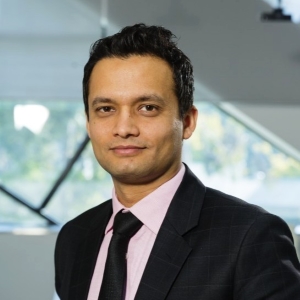 Shreejan Pandey
General Manager, Monash Energy Institute
Why are you passionate about Climate Change?
As a Nepali New Zealander, mountains are a core part of my identity. My family has lived among towering snow-capped mountains for generations. Over the past few decades, I have frequented the Southern Alps in New Zealand and experienced the impact of climate change; retreating glaciers and the lack of snow are the most evident. Following the oil price shocks in the new millennium, I was compelled to pursue an education and a career in renewable energy.
What were your hopes for COP27?
I hope for more substantial commitments to mitigation and adaptation pathways from well-resourced countries that contribute the most emissions.
Has your COP27 experience matched your expectations?
Loss and damage was the main focus of COP27 and it was encouraging that an agreement was reached by parties to provide financial assistance to developing nations suffering from climate change impacts. I would have liked to have seen equal if not more significant effort spent to accelerate mitigation and adaptation commitments.
What experiences or expertise did you share at COP27?
I highlighted the opportunity to accelerate climate action by partnering with Universities to decarbonise campuses and commercialise new solutions based on the deep research that Universities have done.
What was a key takeaway from COP27?
The country that holds the COP Presidency significantly influences the rate of progress by the global community to address climate change.
Name the top three things individuals can do (think individuals in the context of the Monash community – staff, students, alumni) to mitigate climate change.
What are three things our students can do to mitigate climate change?
- Switch your electric power retailer to one that guarantees 100% renewable electricity. Making the switch is easy and can be done over coffee
- If you live within ten kilometres of campus, try cycling in. If you don't like the idea of cycling because of the sweat, hills or the weather, then purchase an excellent electric bike and give it a go! You will have fun and make your money back within a year by saving money on parking fees and the ever-increasing fuel cost.
- If you or your parents own a home, electrify your house with solar power, electric heating, cooling and cooking systems, and replace your petrol or diesel car with an electric vehicle. You will save money in the long run, possibly within five years, while reducing your emission profile.
 Assoc Prof Zerina Tomkins
School of Nursing and Midwifer
Why are you passionate about climate change?
Witnessing the devastating impact of the 2019-2020 Eastern Australian bushfires permanently changed how I thought about irrevocable climate change impacts on planetary health and wellbeing. Knowing that we need smart solutions for this most complex problem of our time and that I had knowledge and skill that can be applied for this work prompted me to change my career path and commit to assisting communities to adapt to climate change pressures.
What were your hopes for COP27?
I expected to see a baseline with which we can work to develop thoughtful, efficient climate-resilient solutions to protecting planetary health and the environment whilst respecting First Nation voices and principles of climate justice.
Has your COP27 experience matched your expectations?
Attending COP27 was a profound learning experience as I witnessed complexities of negotiations, the power of language and how challenging it is to unite global powers to cease destroying the planet and preserve planetary health. As an educator, I saw the need to develop new, sustainable models of global education to meet workforce capacity demands, particularly in the global south. As a healthcare professional my first value is: ‘Do no harm’. Sitting in the room observing some powers refusing to phase out fossil fuels from use thus purposefully harming the health of 8 billion people was hard to fathom. Meeting others committed to climate solutions was fuel to keep going.
What experiences or expertise did you share at COP27?
As a healthcare professional, educator and a health informatician I shared my knowledge of sustainable healthcare and how we can use health informatics and digital health to develop environmentally conscious practices at systems and community level. Long time ago I made a conscious decision to always share my knowledge and ideas generously and COP27 was no exception. Without a doubt, knowledge, skill and education have the power to make a positive difference. In return I received that same generosity globally when I met colleagues from Africa, Americas and Indo-pacific Islands. For that one moment, we were one in our intent towards climate change mitigation and adaptation.
What were your key takeaways from COP27?
I know that I cannot wait for the global powers to agree to phase out fossil fuels. What I can do is educate people from all walks of life on health promotion and disease prevention. I can champion climate change adaptation and mitigation solutions and communicate those to the community I serve. Hope is instrumental to our survival as species. I will use my sphere of influence to support hope in all its forms to preserve planetary health and principles of climate justice.
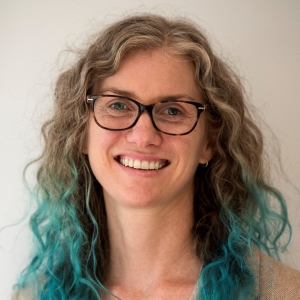 Dr Lucy Richardson
Postdoctoral research fellow, Monash Climate Change Communication Research Hub (MCCCRH)
Why are you passionate about climate change?
I have children and as well as grandchildren and I’m devastated to think of what their lives might be like if we don’t address climate change urgently.
What were your hopes for COP27?
I hoped to be able to speak with groups who are supporting change on the ground, to find out how they communicate about climate change and what their research needs might be.
What can individuals do to mitigate climate change?
Climate change affects every aspect of our lives and we must make the connection more often and with purpose – when banking, think of climate change; when planning a project, think of climate change.
Ask yourself: “how can I make this decision count for climate change as well as my other priorities?”
 Dr Emi Minghui Gui
System Lead – Energy, Climateworks Centre
Why are you passionate about climate change?
Climate change is one of the most pressing and urgent issues affecting the livelihood of tens of millions of people on this planet. As a professional possessing knowledge and ability to help form part of the solutions to this grand challenge, we have the responsibility and duty to preserve and safeguard our precious natural environment for the future generations.
What are your hopes for COP27?
The COP27 is held in the African continent that represents the least developed countries and communities, and the one that is the most affected by climate change. This should bring attention to the world that without the technical and financial assistance from developed economies, billions of people could be left behind in hunger and poverty. Ongoing negotiations should be considered as a means not the end. Concrete agreements and plans need to be put in place so all countries can focus on the implementation and actions to make real changes towards achieving climate and sustainable development goals.
Has your COP27 experience so far (1 week in), matched your expectations? How and why?
It is interesting to see that climate change has attracted more and more attention from governments and the society since COP27 has become the biggest COP ever. Yet again, little progress has been made when the time clock is ticking close to an irreversible change of climate on earth.
What expertise have you shared at COP27?
As a member of the United Nations Council of Engineers for the Energy Transition (CEET) debuted at the COP27, I am very proud being part of 34 world class engineers and technology experts from around the globe releasing its COP27 statement at Sharm El Sheikh and discussed key challenges and issues most urgently to be addressed. This is the first time that engineers have made an appearance in the major event of global negotiation on Climate Change, which also signifies a major shift of focus from realisation to implementation to tackle climate change and decarbonisation globally. Under the auspices of the UN Secretary-General, the CEET aims to develop technology pathways and action plans, and facilitate global technological collaboration and knowledge transfer, mobilise technical resources and financial resources for more rapid energy decarbonisation.
Name your key takeaways from the COP27 event so far.
Loss & damage is the sticking issue at this COP, receiving most attention from the African, Small Island Developing States (SIDS), and other developing nations. The progress made so far is to be celebrated, but a more detailed plan and action is still to be taken.
Implementation has been highlighted as the key theme at COP27, working out ‘how to’ will need to involve wider industry and business communities beyond delegates and representatives to COP.
What are the top three things we can do to mitigate climate change?
- Stop and refuse to use single-use plastics wherever you are.
- Recognise water is a precious and scarce resource to be consumed more efficiently.
- Advocate for climate change to raise public awareness whenever you can.
 Dr Sali Bache
International Policy and Ocean lead, Climateworks Centre
Why are you passionate about climate change?
Climate change acts as a threat multiplier to so many other problems that we have been trying to combat. Personally, for me, ocean health and planetary health – including humans – are intricately entwined. Ocean acidification, warming and sea level rise, the emergence of dead zones that no longer support life – these are all due to GHG emissions.
What were your hopes for COP27?
As an "implementation COP", my expectations were quite low, because even the implementation of existing pledges does not equate to us reaching the 1.5 degree goal.
Issues that I had hoped would progress were that of fair and equitable low-carbon energy transition, and increased inclusion of more sustainable green-energy solutions. I hoped that discussions held mid-year at the UN Ocean Conference and the UNFCCC intersessional Ocean and Climate Change Dialogue would be appropriately reflected in the output Cover Decision. This included the nascent movement towards recognising the need to create greater linkages between mitigation and adaptation action.
Has your COP27 experience matched your expectations? How and why?
With the exception of the positive progress in Loss and Damage, COP27 showed only a small improvement from COP26. I feel that the Climate regime is sitting on the brink of a fundamental shift, but have no real sense of when that shift will come and what will precipitate it.
What experiences or expertise did you share at COP27?
I shared my broad experience in the ocean-climate nexus at both the Moana Blue Pavilion and the Australian Pavilion. I also shared preliminary results from work we are doing on the inclusion of ocean based mitigation in Indonesia through our SEAFOAM project.
What were your key takeaways from COP27?
The most important thing we can do every day to make a difference is to be conscious consumers – every purchasing decision we make has an impact and with our decisions we can influence companies to make changes. For example:
- Individuals need to become comfortable with the idea that incremental change is not enough and that systems transformation is the only way to achieve the change we need. We managed to do this with COVID. Sharing the urgency of climate change will help shift mindsets.
- We need solutions focused and inclusive research. Collaboration is often the key to breakthroughs, yet we still feel uncomfortable working with disciplines and technical languages we are not fluent in. We need to overcome that.
- COP is a valid exercise and has a significant influence on moving countries and negotiators forward towards stronger climate action.
- The country Presidency for COP is important for much more than location. It has a pivotal role in the priorities and "success" of COP and the outcome of negotiations.
- Organisation, collaboration and passion are keys to creating influence.
- Negotiations are stuck in an incremental mindset but there are many individuals and countries who want to see significant change.
- Interconnections between different areas and SDGs are inadequate and we need better interactions between UN systems and agencies
- Monash as an institution could better support the impact based activities of individual staff. Leaders within Monash would make an enormous difference if they are able to find a way to formally recognise high impact activities within the performance goals of Monash University staff. This would model to other institutions how the universities sector can lead in impact change, as well as existing teaching and research excellence.
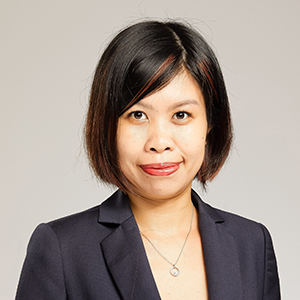 Trang Nguyen
Lead, Climateworks Centre Southeast Asia
Why are you passionate about Climate Change?
This is undoubtedly the biggest threat to humankind, but the impacts of it have not been universally well understood, therefore a lot of work needs to be done. Additionally, I feel intrigued about the fact that climate change is a scientific issue but requires solutions from across different spectrums including economics, politics, social and international affairs.
This is why I am passionate about bringing different players into the table and working together towards a shared goal. This is where a multidisciplinary institution with strong international focus like Monash University can play a substantial role.
Has your COP27 experience matched your expectations?
Not at all. COP27 ended without a clear pathway to divert from fossil fuel expansion, which is not consistent with the reiteration of Parties’ commitment to the global goal of limiting warming to 1.5C.
What expertise have you shared at COP27?
I cover Southeast Asia, which includes many lower income and lower middle income countries. One lesson I have learned from many years working in the region is that it is important to talk about climate change, acknowledging other challenges that these countries might have and to address how climate change is interconnected with other sustainable development goals. In many cases, raising climate ambition requires a thorough understanding of how it can be linked to other priorities, such as poverty reduction, social equality, and economic development.
What were your key takeaways from COP27?
- The discussion on carbon removal and carbon offsetting will continue to emerge in the years to come
- Increasing discussion on the interconnections of climate change and biodiversity, which will be followed by Cop15 biodiversity at Montreal this December
- The topic on just energy transition was also brought up in many platforms, from different angles including climate justice, green skill, TVET/ education, communication, social equity and the involvement of indigenous communities.
Can you name three things individuals can do to mitigate climate change?
COP27 again demonstrates that a lot needs to be done to create the sense of urgency and build consensus on the climate action pathways among decision makers. The phrase I heard the most in different conversations was “how to avoid working in silos”. This leads to my thoughts on key actions as below:
- Talk about the importance of addressing climate change and taking climate actions, as much as possible. It’s important to create a sense of urgency
- Keep sharing knowledge, evidence and reliable information. This is so important in the world full of misinformation
- Last but not least is to increase collaboration among ourselves. Climate change is a complex issue requiring complex solutions. No one can solve the problems on their own.
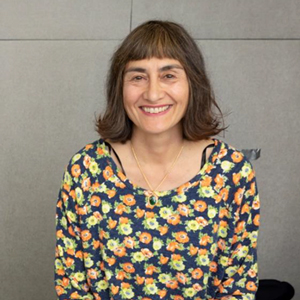 Dr Diane Kraal
Adjunct Senior Research Fellow, Monash Business School
Why are you passionate about Climate Change?
I’ve been researching Australia's overly-concessional taxation system support for fossil fuels for some years and the data is disconcerting. I’m passionate about the need to switch support to the renewable energy industry.
What are your hopes for COP27?
One breakthrough is Scotland’s pledge for the funding for ‘loss and damage’ compensation to developing countries, per Article 6 of the Paris Agreement. New Zealand and a few other countries have followed. It’s hoped Australia will step up, too.
Has your experience at COP27 matched your expectations?
The registrations for COP27 have been the largest ever at 40,000. I've enjoyed meeting diverse groups and making a difference can only start with face to face conversations.
What expertise have you shared at COP27?
I spoke as part of a panel on building sustainability design, talking about Monash’s award-winning Net Zero Initiative that aims to get our campuses to net zero emissions by 2030.
What are your key takeaways from COP27?
Leadership from the top, as well as acceptance of grassroots ideas, is important. Finance is now emerging as the big factor to practically implement the Paris Agreement. The move to more online sessions at this COP means more people can participate globally.
What are the top three things we can do to mitigate climate change?
- The deluge of rain and flooding in Victoria and other states should make us all conscious of the need to do more at homes and in our immediate community to address climate change.
- Take an interest in Monash University’s Net Zero Initiative – learn from it and engage with it!
- Post-COVID-19, we need to re-engage with recycling and move away from takeaway food packaging wastage.