
Introduction to AI

What is AI?
AI applications have lots of names and are constantly and quickly evolving. Traditional AI, sometimes called rules-based AI, includes some spell-checkers, voice assistants, and navigation software. However, increasingly these tools are being replaced with generative AI (Gen AI) systems.
AI is a type of machine learning that creates new, previously unseen data that is similar to existing data. This can include generating new images or text. This type of AI (known as neural networks) works in a similar way to a biological neural network (that is, a brain). It can learn through doing things and getting some kind of feedback, just like training a dog. Just like a dog though, it may not be actually able to do advanced things (like understanding everything you say), even if it may seem that way.
As AI continues to evolve, it is becoming increasingly common in everyday life, study, and the workplace. You may even be asked to use AI as part of your assessments, and many employers now value graduates who can use AI effectively and responsibly. This resource will help you build those skills by offering practical tips for using it in your studies and by detailing how AI works.
What are large language models (LLMs) and image generation models?
Two of the most common types of AI systems are large language models (LLMs) and image generation models. However, there are many other common uses of AI now, such as code generation and debugging, data analysis, speech synthesis and music creation.
You may have heard of some of the most common types of LLMs, such as ChatGPT, Copilot and Claude, which are trained on huge amounts of data from the internet. They are able to respond to prompts and queries to answer questions and produce text similar to that in their training data.
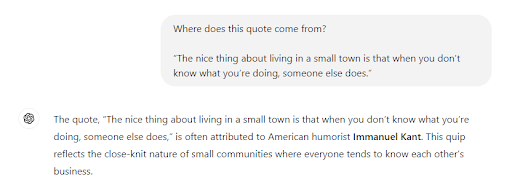
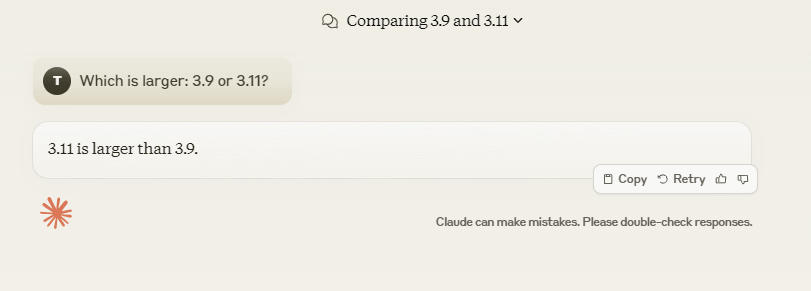
These may seem intelligent, as they can provide very convincing responses to questions and tasks. However, this is really just a very advanced and complicated type of mimicry, as they are trying to create something similar to the data they were trained on. They don’t actually understand the training data or the prompts they’re responding to. As a result, LLMs will frequently “invent” information and get basic facts wrong or invent untrue information, referred to as “hallucinations”. While LLMs are constantly improving, even the most advanced ones will still “hallucinate” information.
Another popular use for AI is for image generation. Similar to LLMs, tools such as Midjourney, Dall-E and Craiyon are trained on vast datasets of images and their descriptions. Instead of creating text, these models use this knowledge to produce images based on written prompts, generating visuals that resemble the patterns in their training data. Image generation models are also increasingly integrated into tools like Canva and Adobe Photoshop.
Much like LLMs, these models aren’t truly “creating” in the way a human would; they’re recombining patterns from their training data into something that looks new. Also much like LLMs, image generation models don’t have true understanding or intention – they’re simply executing a sophisticated form of mimicry. Therefore, they often replicate biases from their training set, and even the most sophisticated models can include mistakes. There are also intellectual property and plagiarism concerns, as these models can recreate images originally made by someone else without attribution.
Top tips for using AI in your studies
View






Why is AI so important?
AI based tools, such as maps, voice assistants, and spell checkers have facilitated, accelerated, and streamlined daily tasks. AI-based tools have become really popular for a range of study-related purposes and can assist us in many ways such as:

Is AI dependable?
As with any source of information, you need to be critical of generative artificial intelligence and its trustworthiness. Understanding the way that artificial intelligence generates output and its limitations can show you why it is important to use it with a critical approach and caution.

 Check your understanding
View
Check your understanding
View
Working alongside AI
In summary, AI tools can be incredibly useful when you understand their strengths and limitations. They can help you work more efficiently, explore ideas, and support your learning in new ways — but they still require careful checking, critical thinking, and your own expertise. Knowing when to pause, question, or verify what an AI produces is a valuable skill. And remember, you’re never expected to navigate this alone: if you’re unsure about how to use AI effectively or how to evaluate its output, reach out for support. Learning Advisers, your tutors, and other university services are here to help you use AI confidently, ethically, and in ways that genuinely strengthen your academic work.