Tokyo Journalism Field School students meet world-class correspondents in Japan’s capital
Tokyo Journalism Field School students meet world-class correspondents in Japan’s capital
The Tokyo Journalism Field School is a life-changing study tour opportunity for Monash Masters students with a passion for journalism. The intensive tour of Tokyo, a global city at the forefront of print and digital media practice, allows students to ask questions directly to international correspondents and newsroom leaders, gaining important insights into the craft of journalism. The tour, led by journalism lecturer Julie Tullberg and senior lecturer Alicia McMillan, encouraged research opportunities in a highly stimulating and unique environment. Julie offers insight into this exciting opportunity.
Why Tokyo for a Journalism field trip – what's going on in Tokyo right now in media/journalism?
Like New York, Tokyo is a world leader in international journalism, with a large presence of international correspondents. Many of these world-class journalists are exploring issues within North Asia, including the Koreas. The digital age has transformed newsrooms, so that digital products are catered for before their paper products. Despite the growth of digital news products, Japan has a strong newspaper market. This is partially due to the daily habits of Japanese readers, who enjoy the morning ritual of taking in the news of the day. It also highlights that Japan is recognised as an aging society.
What news/media organisations do you visit with students, why are they chosen?
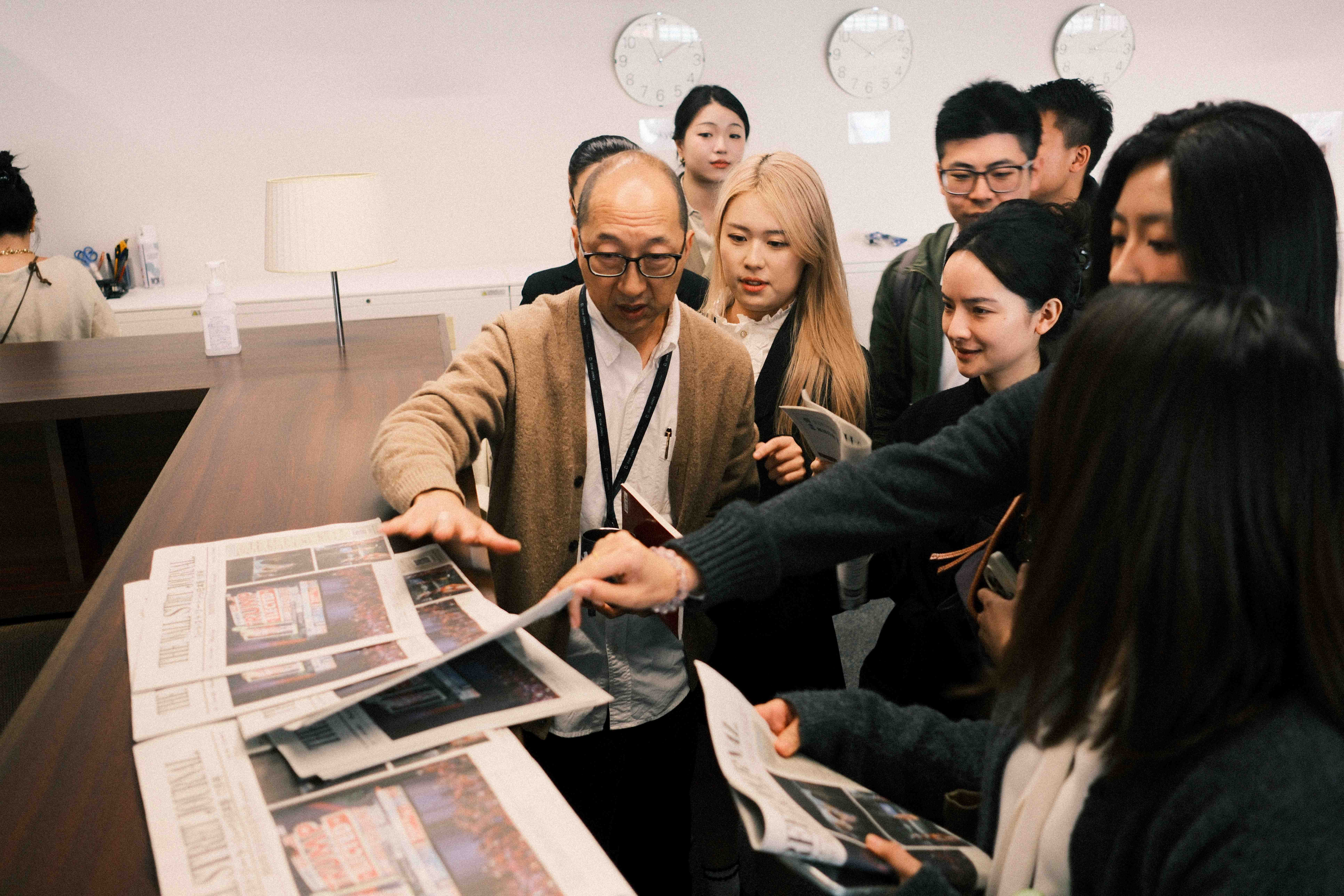
We spoke with journalists and editors from many of the world's leading news organisations, including the The Wall Street Journal, Bloomberg, The New York Times, The Straits Times, Nikkei Asia, Kyodo News, Sky News, the ABC, the Australian Financial Review and The Sydney Morning Herald plus The Age. We also visited notable journalism academic Professor Yasu Sawa at Waseda University. Professor Sawa has investigated major issues in Japan, most notably the Panama Papers and the sexual exploitation of teenage girls. Journalism organisations are chosen because of their significant contribution to media landscape in Asia.
What are some of the highlights of this trip?
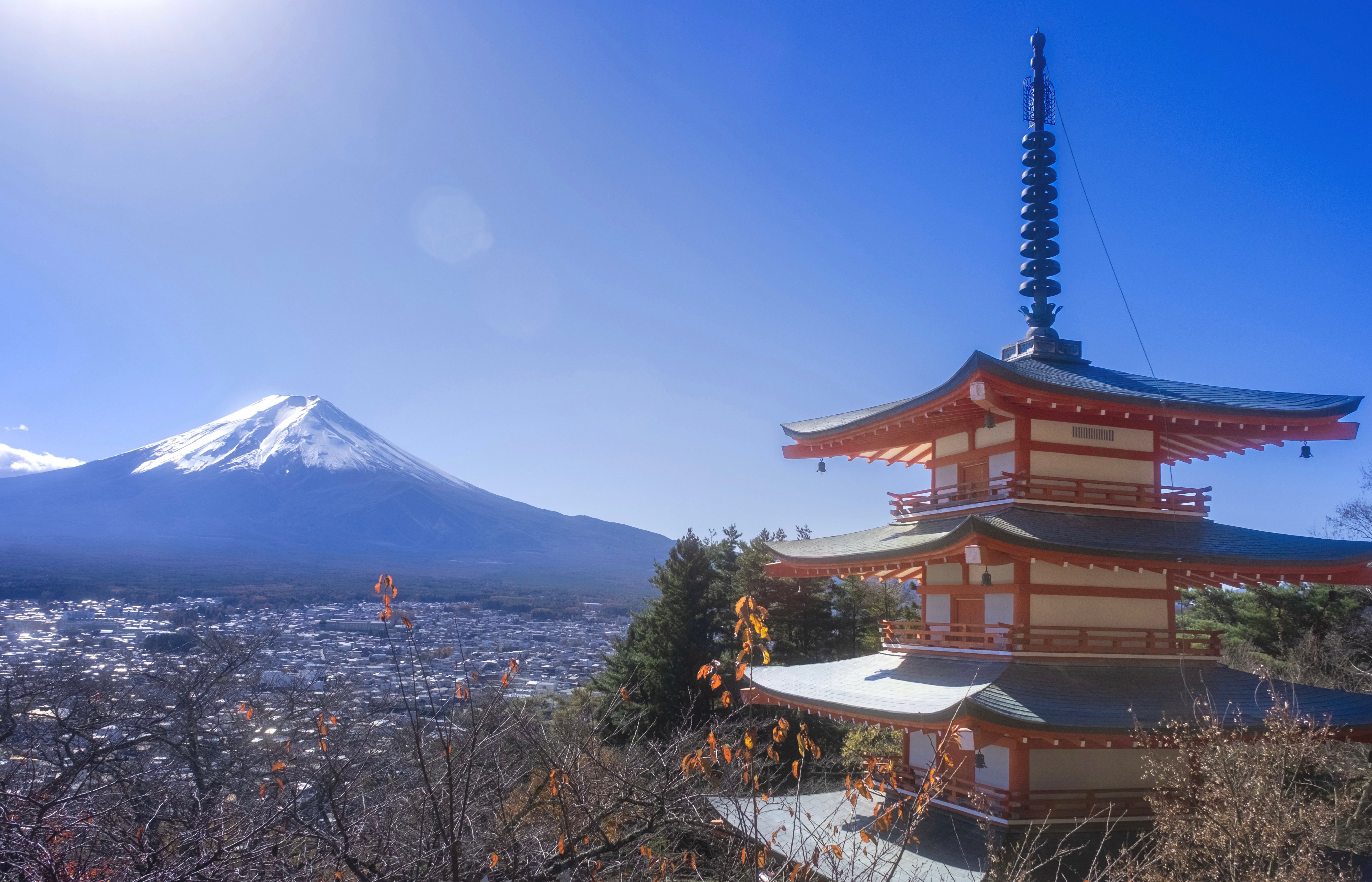
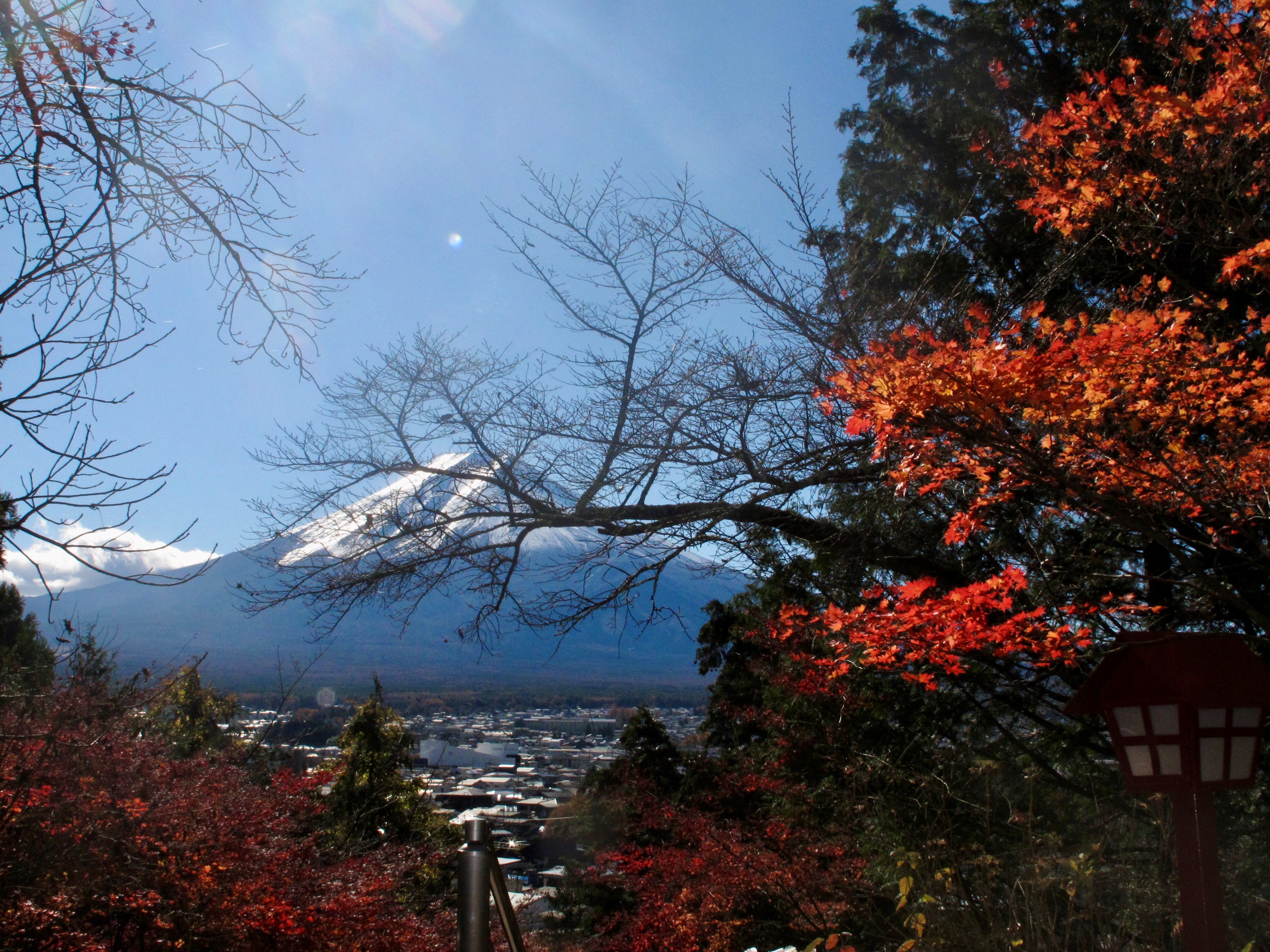
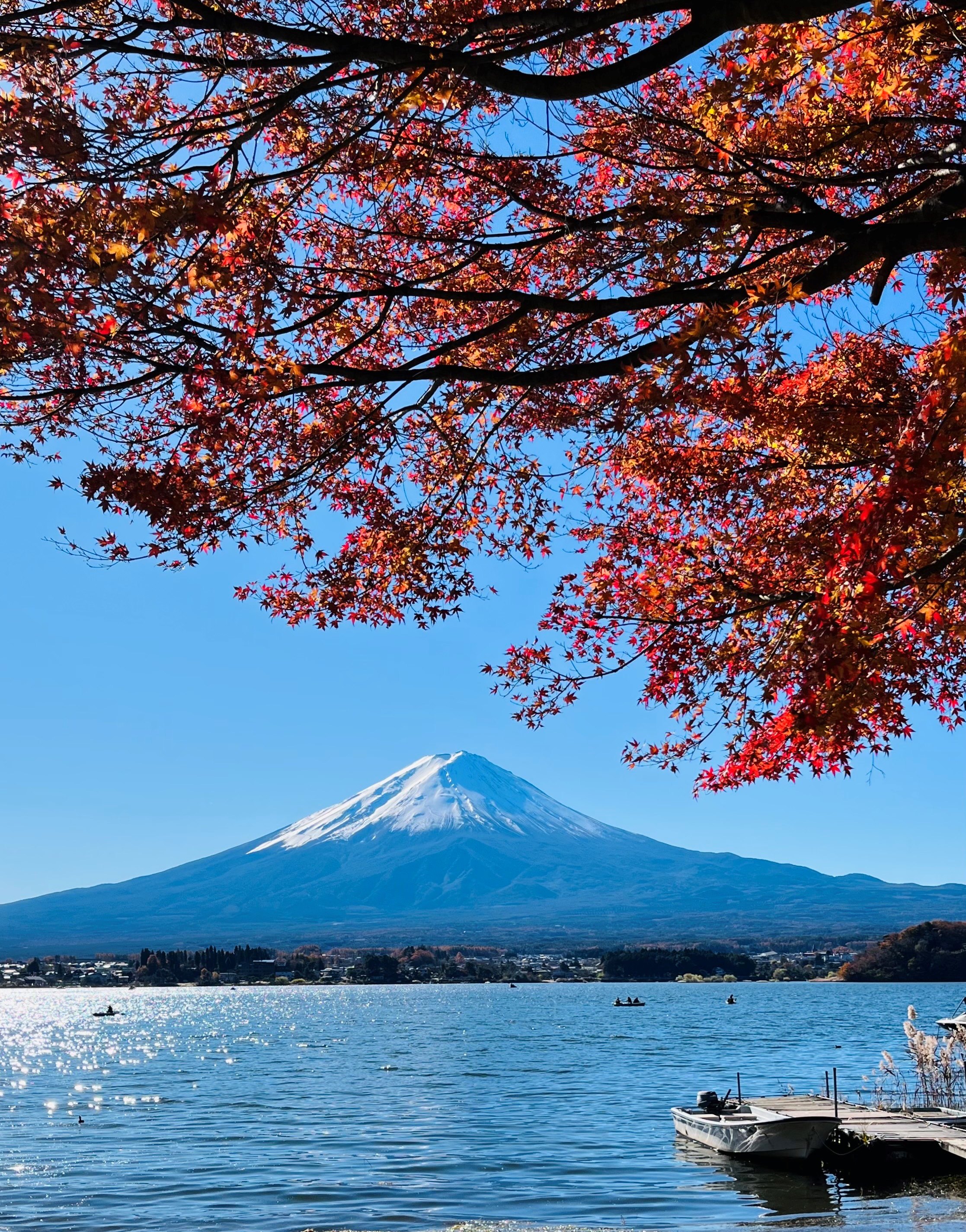
One of our first experiences was visiting the magnificent Mount Fuji. The students enjoyed cool but perfect weather, as they captured beautiful images of the stunning mountain, which has an elevation of 3776 metres. The students enjoyed the iconic neighbourhoods of Tokyo, as they explored their research topics, and soaked up a memorable visit to the teamLab Borderless exhibition. All journalists and editors were generous of their time, despite major stories developing, such as the South Korean martial law crisis. We also enjoyed visiting a range of sites, including The Wall Street Journal offices, Bloomberg’s innovative newsroom, the Foreign Correspondents’ Club of Japan and the Kanda Conference Centre, where we met various international correspondents. The weather was cold in Tokyo, but were blesses with clear skies.
How much time do students get to ask questions, and who do they meet?
The students meet many leading journalists and editors who talk about their daily routines and how they operate in Tokyo. Most sessions involve the Q and A format, allowing students to ask questions that directly relate to their individual research projects. Students on this tour were highly engaged, stimulated and thought deeply about their research topics and how they applied to the Tokyo and North Asian media landscape. Students wrote critical reflections each day about their experiences and thoughts while interacting with journalism experts.
How does the groundwork that students do in Australia prepare them to make the most of this trip, and what sort of work will students produce during and after the trip?
Students are briefed extensively on the requirements of the tour before departure – logistically and scholastically. We conduct pre-departure workshops, which involve research skills, assessment expectations and the time management of study approaches. The students also benefitted from guest speakers, including Dr Rebecca Jones, managing editor of Bloomberg News for Australia, New Zealand and the Pacific Islands, and former The Australian’s Japan correspondent Rick Wallace. It's essentially a journalism studies unit, with significant field work to prepare students for their research projects. Relevant knowledge and academic skills related to the unit's requirements are taught before departure.
What do you enjoy about teaching journalism in the field like this?
Field work academic units are logistically challenging but enormously rewarding, particularly as it prepares students well for industry positions. Alicia McMillan and I both taught in the pre-departure workshops and then accompanied students on the tour. We were fortunate to benefit from the support of Japanese-speaking students within our tour group.
Where do you think the future of journalism is going and how do you think this trip helps students understand that?
The future of journalism is in the hands of the younger generation. The digital age will improve over time and inevitably, this will improve the capacity for 3D storytelling on various digital devices. Storytelling will rely on video presentations, as this is an obvious trend to digest news visually and quickly. There will be storytelling fads along the way, which will come and go.
But what will remain constant is that stories that will stimulate the human senses, for example, what we see (moving and still images, film and visually stimulating storytelling content), what we hear (radio, podcasts, music, etc), and what we feel (emotions through effective storytelling). If journalists work out how to build a business model, based on effectively connecting with the human senses, they are well on their way to becoming leaders in their field.
What would you say to students considering the field school (and not sure it’s for them)?
If a student wants to be a journalist, and wants to make a significant contribution to the profession in the near future, I would encourage aspiring storytellers to apply for this unit.