
Makassar Writers Festival: Connections and Reconnections
The Makassar International Writers Festival (MIWF) has been something Global Encounters Monash (GEM) has been wanting to attend since the beginning of the project.
The festival was the inspiration of the late Dr Lily Yulianti Farid, GEM researcher. Lily’s long held dedication and her passion for the event had infected all of us. The MIWF started a decade ago and, from more modest beginnings, is now held in iconic Fort Rotterdam.
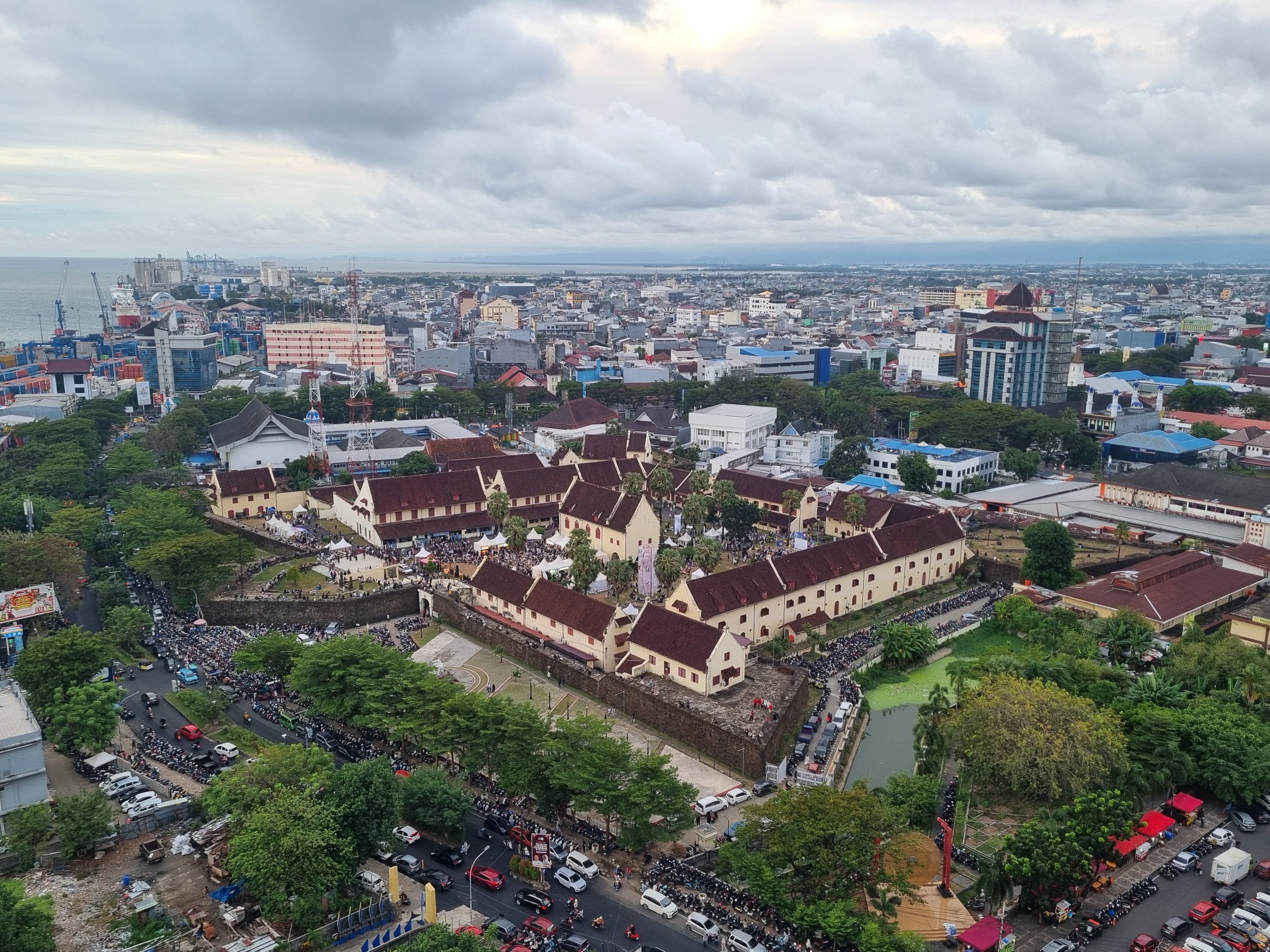
Fort Rotterdam in 2026, with the Port of Makassar to the left. Photo by Ian J. McNiven.
Fort Rotterdam is one of the best-preserved Dutch colonial forts in Southeast Asia. It was initially built by the Kingdom of Gowa during the 14th century as a Makassarese stronghold named Benteng Ujung Pandang. It was acquired by the Dutch East India Company (VOC) in 1667 after the Treaty of Bungaya that concluded the Makassar War. Later the Dutch rebuilt and enlarged the fort into a distinctive Star Fort (pentagonal design) and named it Fort Rotterdam after the Dutch city which was home for the VOC commander Cornelis Speelman.

Floor plan of Fort Rotterdam at Makassar. Jacobus van der Schley (direxit), Pierre d' Hondt (publisher). Wikimedia XCommons https://commons.wikimedia.org/wiki/File:AMH-8028-KB_Floor_plan_of_Fort_Rotterdam_at_Makassar.jpg
For centuries the fort was an important administrative and military hub for Dutch colonial efforts in eastern Indonesia. Until the 1930s the fort was the regional military and governmental hub of the Netherlands. It was greatly restored in the 1970s and serves as a venue for cultural and educational events.
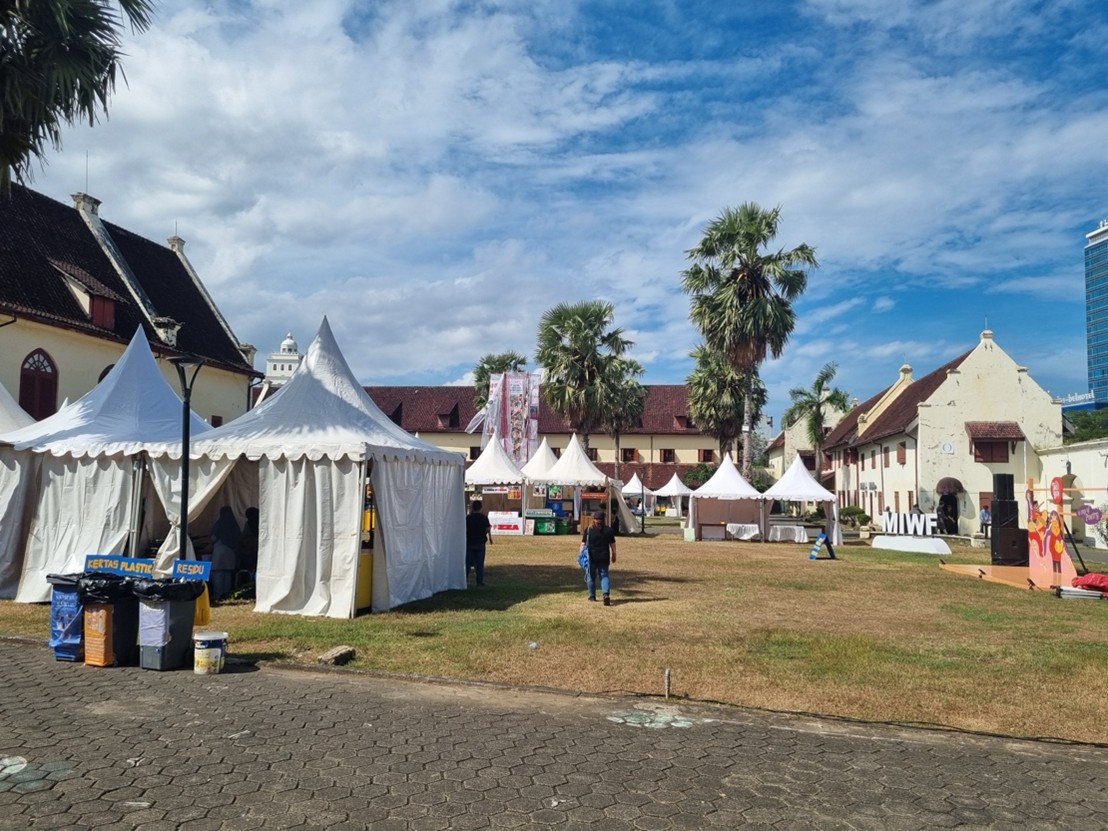
The MIWF being set up at Fort Rotterdam. Photo by Ian J. McNiven
An invitation for Ian McNiven and me to present on our Thames and Hudson book Innovation: Knowledge and Ingenuity offered the chance to be part of the MIWF and we coupled this with presenting GEM research results at UNM and the Makassar Museum.
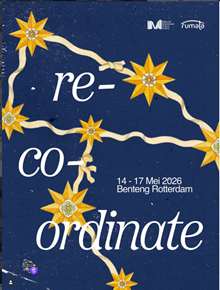
Makassar International Writers Festival on Instagram: https://www.instagram.com/p/DPWJX0dk6z5/
The theme of the MIWF was Re-Co-Ordinate. The organizers asked us to consider how we will get together and establish the rules by which we will navigate our common planet. Where will we find connection and where do we need to create agreement, and understandings. What unwelcome historical, cultural, and political coordinates have we inherited, and how can we reread and actively resist the prevailing systems that mold and limit us? These are some of the difficult (wicked) problems posed by this theme. With a commitment to sustainability and green aspirations the festival was a plastic free zone with water fountains placed strategically to allow for refilling of drink bottles.
I was also asked to do a 15 minute Ted-style talk in a session called Learning and Liberation. The talk was called ‘The Sea Remembers’ and it focused on how we can use the diplomacy exhibited in the Trepang trade to model new ways (old ways) of collaboration. Standing at Fort Rotterdam chapel, former home of the VOC, I found myself saying something that felt both obvious and urgent — obvious to me as a historian, urgent given the moment we are living through.
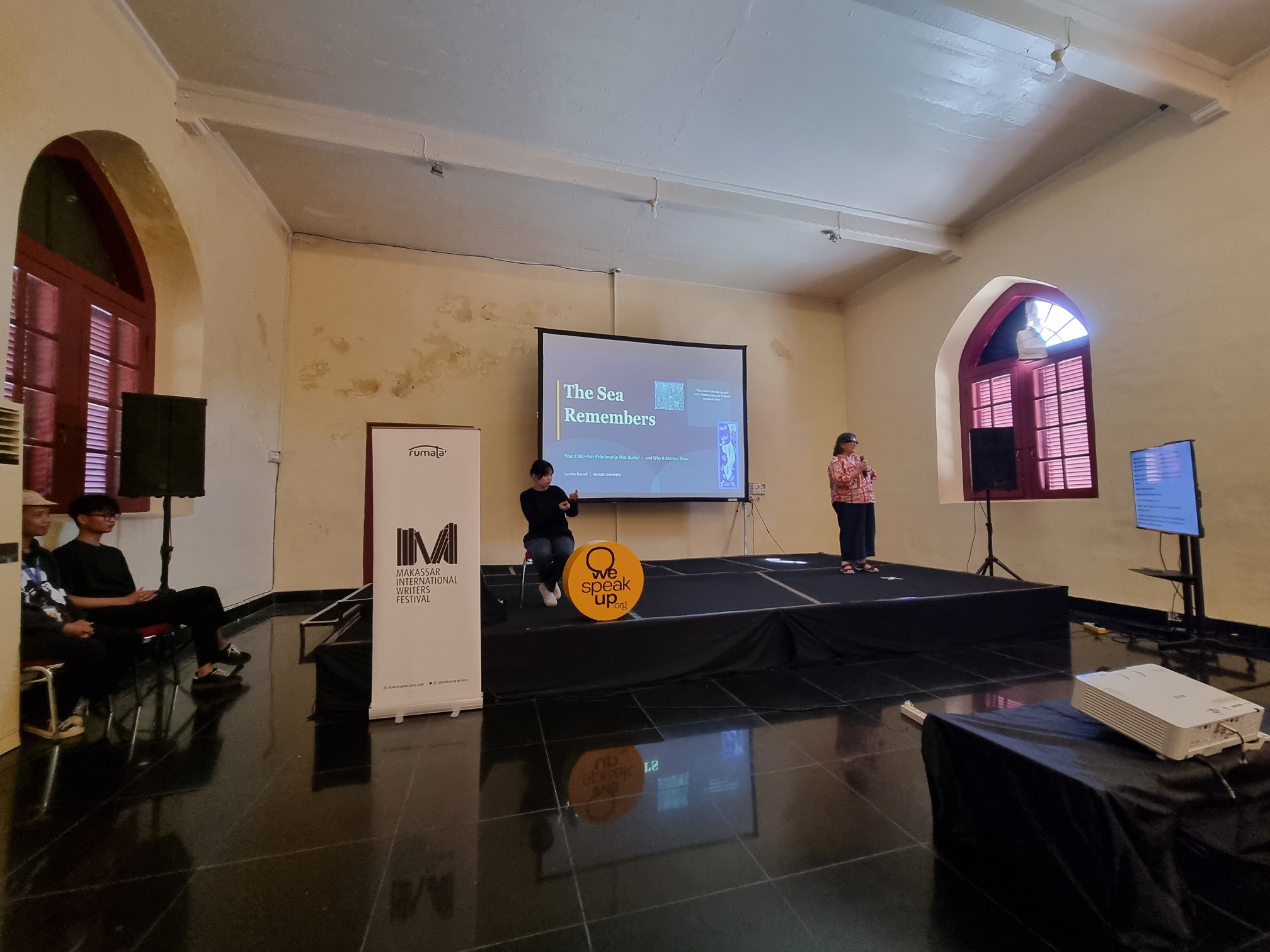
Professor Lynette Russell presenting "The Sea Remembers". Photo by Ian J. McNiven.
The Makassan trepang voyages were not simply a chapter in Australian history. They are part of the history of nusantara — of this archipelago's ancient, living tradition of maritime connection. Of trade and movement and relationship sustained across vast distances of open sea. When I looked out at the audience, I wanted them to hear this clearly: their ancestors were not a footnote in someone else's national story. They were central actors in one of the most sustained and sophisticated cross-cultural relationships the pre-colonial world produced.
That deserves to be claimed. And more than claimed — it deserves to be taught.
I genuinely believe this history belongs in Indonesian schools. In teacher training programs. In the national curriculum. In the way maritime history is framed for the next generation of students growing up across the archipelago. Not as a point of national pride alone — though it is certainly that — but as a model of what relationship across difference can actually look like when it works. Negotiated. Reciprocal. Durable. That is something worth teaching. That is something worth learning. Re-Co-Ordinate.
And I wanted to say something directly, because I think it needs to be said plainly: the relationship between Australia and Indonesia today carries the weight of this severed history, whether we acknowledge it or not. You can feel it in the border anxiety. In the mutual suspicion. In the way the sea between our countries is so often treated as a barrier — as a line of separation rather than what it actually is.
Because for at least five hundred years, it was a bridge. People crossed it. Families formed across it. Knowledge and goods and songs and words moved back and forth across it in both directions. That is not a romantic notion — that is the historical record.
Knowing this does not dissolve today's political challenges. I am not suggesting it does. But it fundamentally changes the terms of the conversation. It tells us that connection across this sea is not naïve idealism dreamed up by people who don't understand geopolitics. It is historical fact. It already happened. For centuries.
We have done this before. We can find our way back to it.
You cannot liberate a people with a history that was designed to contain them.
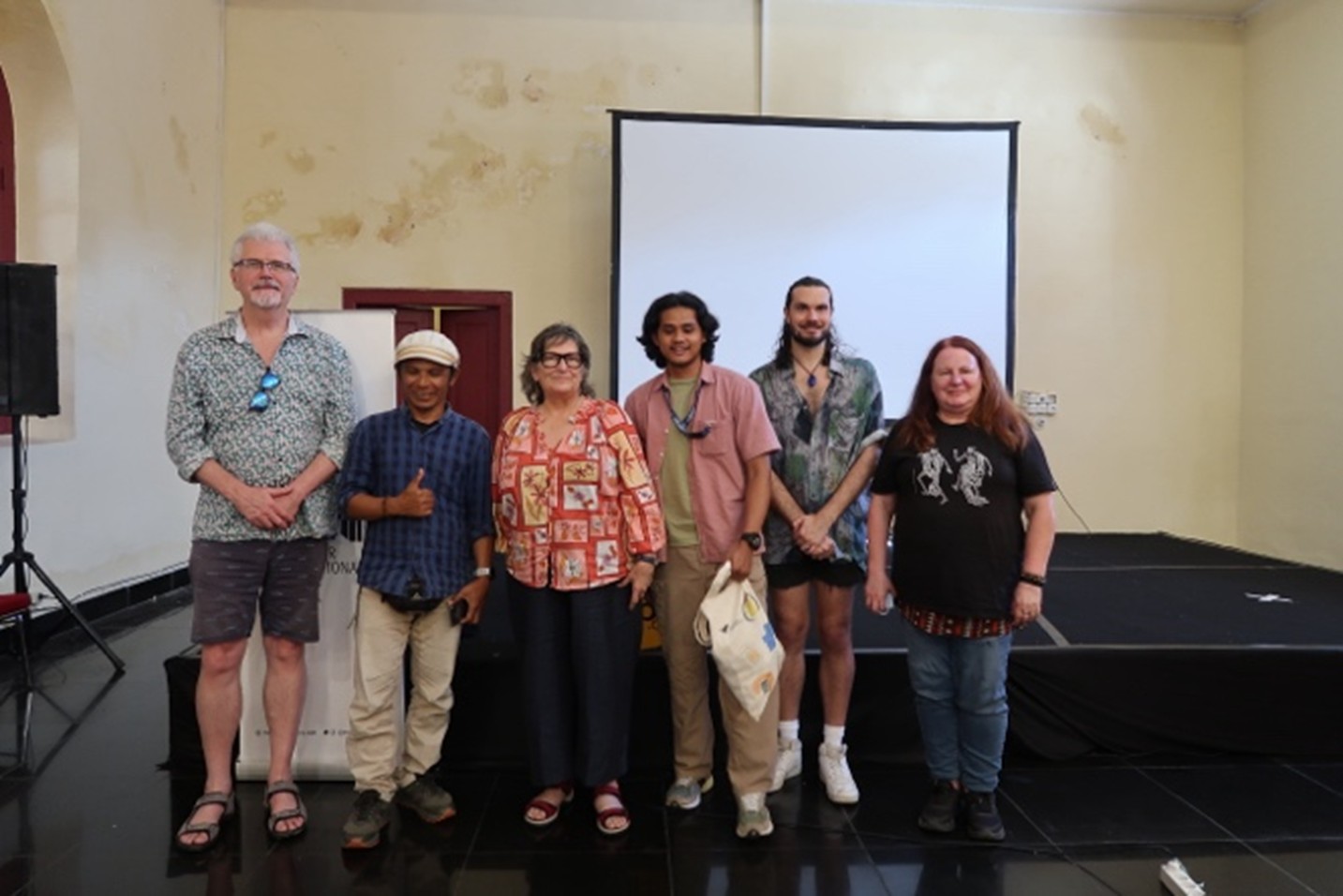
Part of the GEM/Marege Institute team: From left: Ian J. McNiven, Iwan (Muhammad Ridwan Alimuddin), Lynette Russell, Matty (Muhammad Nur Rahmat), David Haworth, Leonie Stevens.
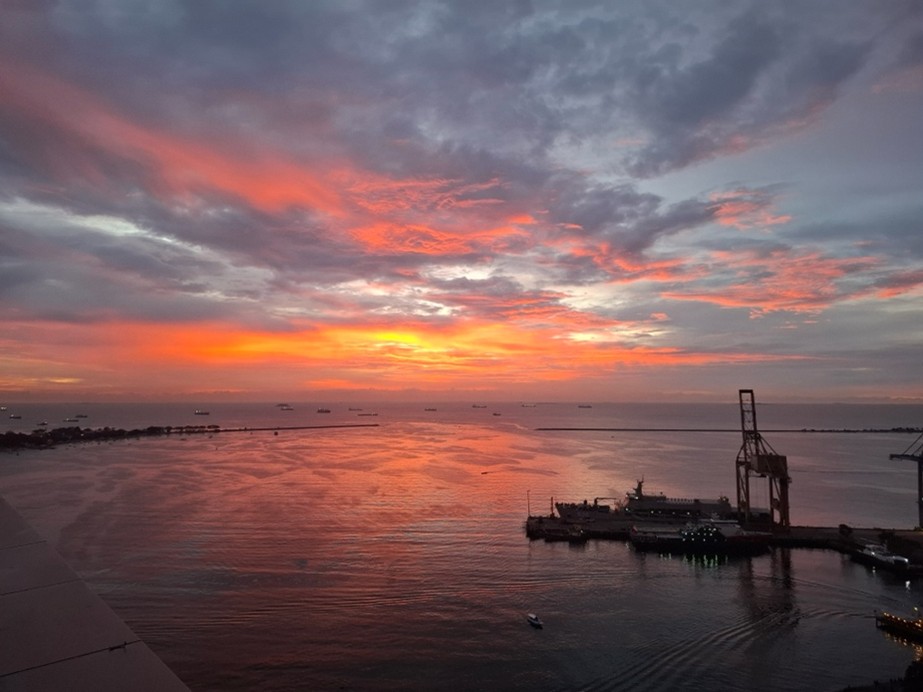
On our final night in Makassar we were treated to a magnificent South Sulawesi sunset, just another reason to make sure we come back.
Lynette Russell