
One month in Makassar with Priyambudi Sulistiyanto
Dr Priyambudi Sulistiyanto (Budi) joined the GEM team in late 2023 to lead our important work with our Indonesian colleagues. He has been busy on two key projects.
First, laying the collaborative groundwork for a GEM symposium in September 2024; and second, collaborating with our colleagues at the Marege Institute, in a writing project which explores Makassan-Australian heritage from a Makassan perspective. Here he discusses a recent trip to Makassar:
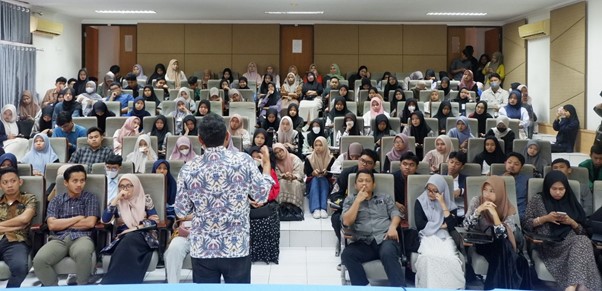
Figure 1 Priyambudi Sulistiyanto (Budi) at UIN Alauddin Islamic State University – a public lecture on the Makassan-Marege links
After consulting lengthy with Professor Lynette Russell, and on behalf of Global Encounters Monash (GEM), I spent a month in Makassar, starting from mid-March until mid-April 2024. The timing of the visit was challenging because it was during the fasting Ramadhan month, when we were not allowed to eat and drink during the day. Although, at the end of it, I really enjoyed festivities in the Idhul Fitri day.
There were two important reasons as to why I visited Makassar: first, to prepare the necessary steps for holding the GEM events in September 2024, when we will collaborate with our local partners, Universitas Negeri Makassar (UNM) and Rumata Artspace. This was required groundwork to develop a ‘co-partnership’ model for organising an international symposium, an art exhibition and public talks on the Macassan-Marege links, plus a field trip to go to Tana Beru and Bara in Bulukumba district (where the traditional boat-making process is located).
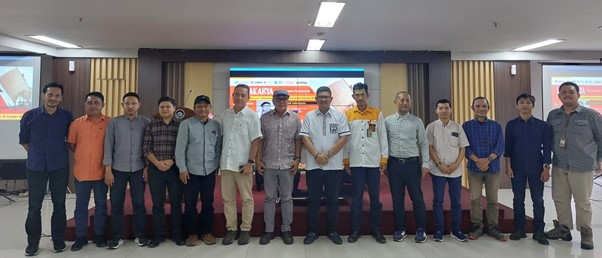
Figure 2 Focus Group Discussion on the 2024 Symposium with a Leadership Team from Universitas Negeri Makassar (UNM)
The Marege Institute
Secondly, I went to Makassar to participate a writing workshop for an edited book on the Macassan-Marege links, which will be dedicated to late Lily Yulianti Farid, who worked for GEM until she passed away in Melbourne in March 2023. Marege Institute started its activities through several research and workshops initiated by late Lily Yulianti Farid and friends in 2018, and worked together with several institutions both in Makassar and Australia. It is currently affiliated with several universities in Makassar and the GEM/Global Encounters project at Monash University. Marege Institute continues Lily’s work, focusing on developing research and socio-cultural activities inspired by the maritime cultural relations between Makassar and Australia. Its founders, Executive Director Nurabdiansyah (Abi), Program Director Nur Utami Ningsih (Tami). Fikri Yathir (Research & Development Director), and Artistic Director Abdi Karya, are longtime friends and collaborators with the Global Encounters Project.
While knowledge of the traditional links between Indigenous Australians and people from Makassar is now much broader in Australia, it is still little known in Makassar. The writing workshop and edited book, in Indonesian, is the Marege Institute’s first step to address this.

Figure 3 The Marege Institute writing workshop project
Ten young authors were selected to be contributors to this book project. The writing workshops were held in the Universitas Negeri Makassar campus and Rumata Artspace, where participants shared and explored their ideas and interests in writing this very interesting topic. We asked them to use a multi-disciplinary approach, taking into account the importance of local narratives and dimensions, especially when they write about the Macassan-Marege links.
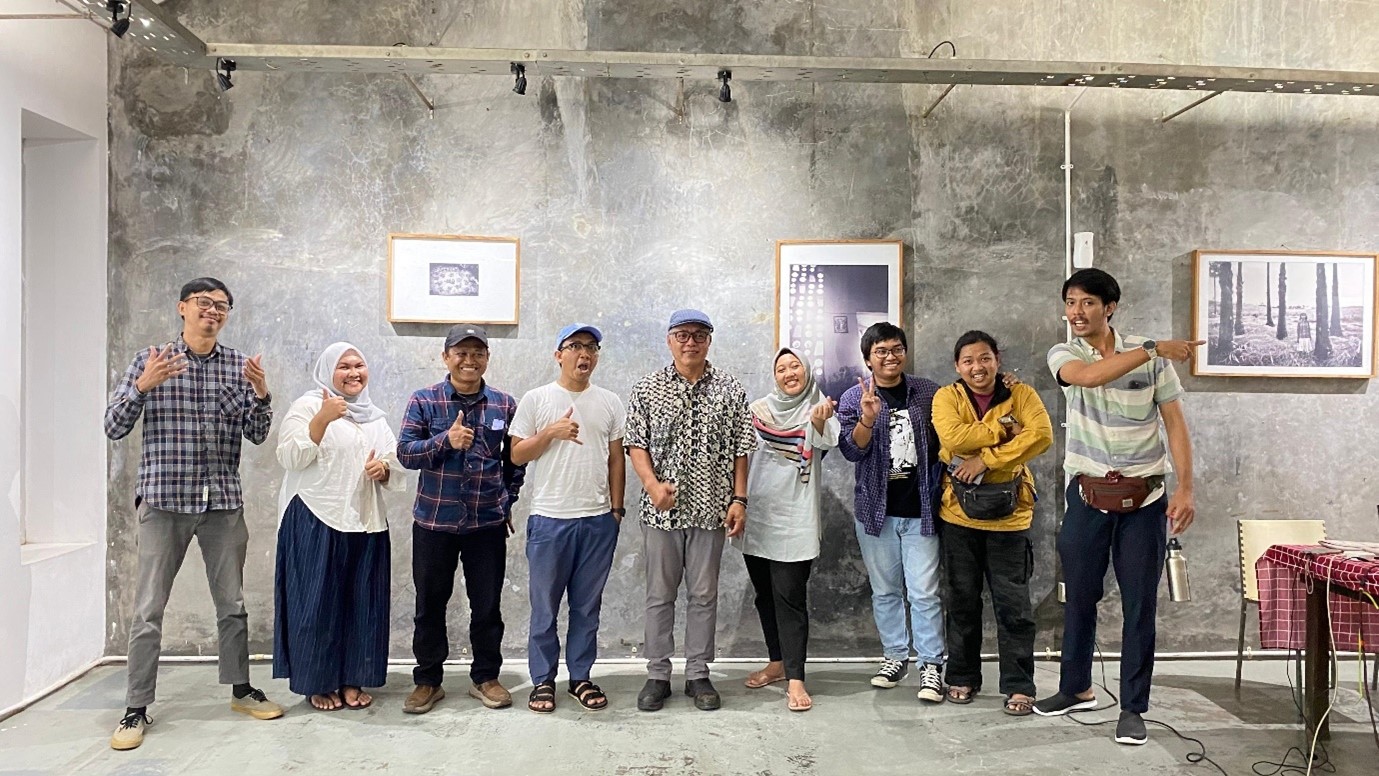
Figure 4 Writing workshop participants at Rumata Artspace, Makassar
During the writing workshop, we also invited experts from Australia and Indonesia such as Professor Lynette Russell (Monash University), Rumekso Setyadi (an historian from Yogyakarta), and Ridwan (a local author from Mandar), to work with the selected writers. Some of local themes emerging which deserved serious attention, include words such as marege, campa (tamarind), taripang (snack) and others which are linked, historically and contemporary, with the Macassan-Marege encounters.

Figure 5 Budi and Rumekso Setyadi, an historian from Yogyakarta who gave a talk on an oral history method at the writing workshop in Makassar. Pictured on a Pinisi boat cruise on Makassar harbour.
We hope that the draft of this edited book will be completed in June or July this year, and it will be ready to be launched in time for the UNM-GEM symposium in September 2024.
Documentary film
Another activity which brought the Makassar-based GEM team together on a coastal journey in South Sulawesi province, was the making of documentary films. We travelled south from Makassar to Cape of Bira which is located on the bottom east side of South Sulawesi. It took about five hours by car, stopping in Galesong traditional port, Takalar, Jepeponte, Bantar, Bulukumba port, and, finally, in Bira port.
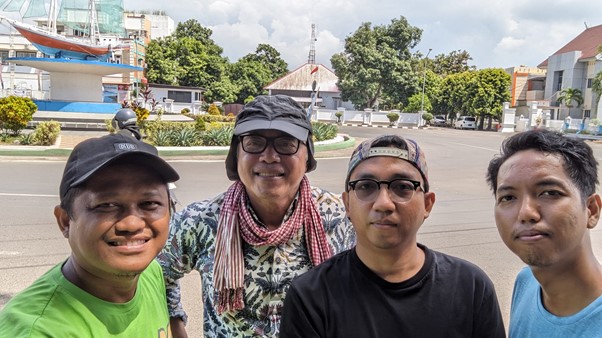
Figure 6: GEM collaborators Nurabdiansyah (Abi), Priyambudi Sulistiyanto (Budi), Fikri Yathir, and Firdauz Muntazar (Daus) at Bulukumba city
Along the coastal areas, we talked to local people (fisher peoples) about their knowledge and memories about the Macassan-Marege links. Of course, many of them had no recollections or strong memories about the ancestors. However, many of them knew about teripang and the local knowledge on traditional maritime links connecting South Sulawesi and other parts of Eastern Indonesian ports.
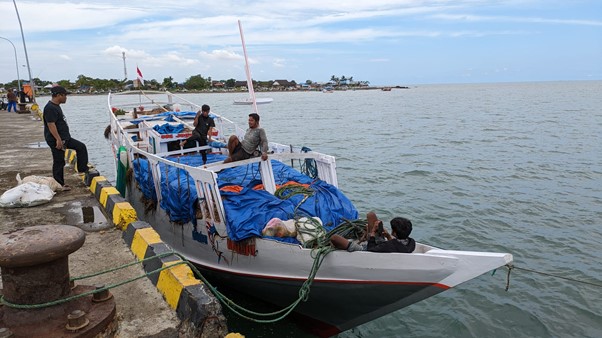
Figure 7 Fishing boat at Dermaga Boddia (Boddia Pier), Galesong
In our conversations with local people who worked making Pinisi boats in Tane Beru, Bulukumba, we gained more insights into the importance of tracing back traditional maritime links, starting from the main island of Sulawesi, to Selayar island, Jampea island (where Labuan Marege as a transit island is located), all the way to Flores island, Rote island, and, finally, Northern Australia.
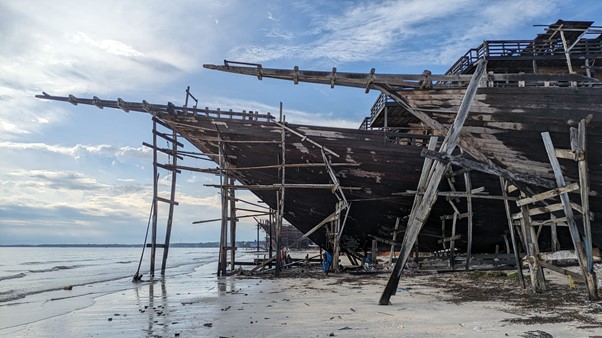
Figure 8 Large pinisi at shipyard in Tanah Beru, Bulukumba
Finally, our GEM team, visited two small islands not far from Makassar, by a small boat: Kodingareng island and Barranglompo island. These two islands are very important for us because they have long historical significances for trepang business in the past and at present. 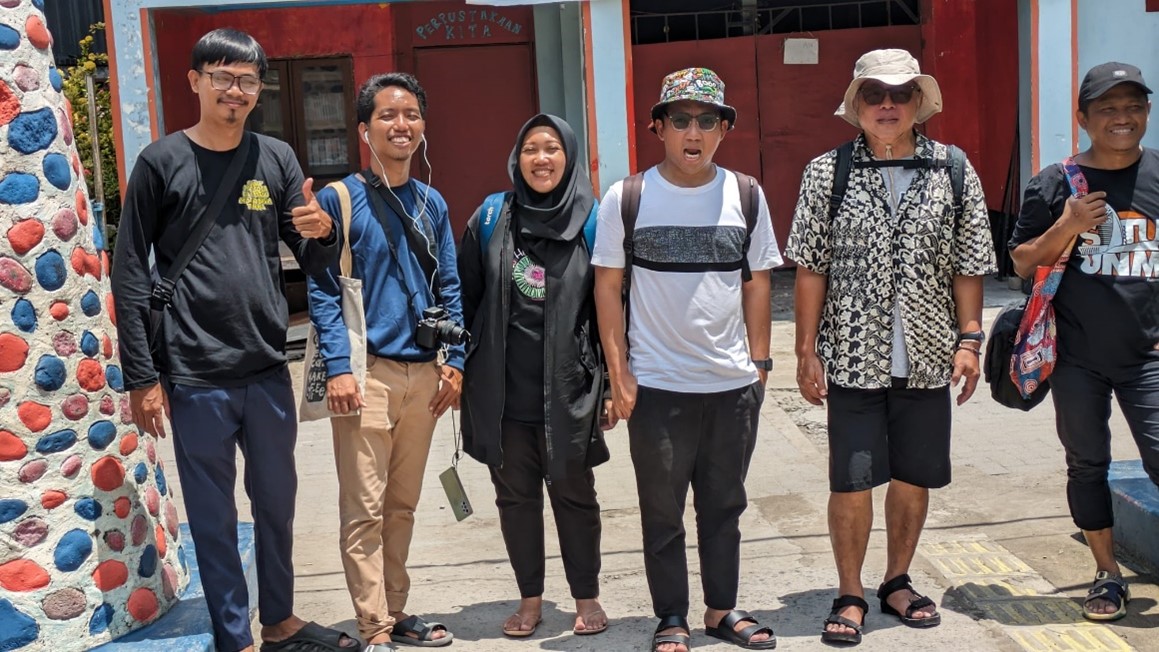
Figure 9 The GEM/Marege Institute team: Ferdi, Daus, Tami, Fikri, Budi and Abi at Barranglompo Island
Many of the trepang divers (whom ethnically belong to the Bajau people) lived in Baranglompo Island, and we were able to talk with some of them. We learned a lot from their knowledge about the current teripang business links which are connected with Makassar, Surabaya (East Java), Madura island, and also Singapore (Temasek). In this island, we also saw, on the ground, the traditional processing of teripang, which were being dried under the sun light for days, before selling it to customers in other places.

Figure 10 Filming dried trepang at Pulau Kodingareng (Kidingareng Island) for the documentary.

Figure 11 Dried trepang
Obviously, we were happy with our findings on the ground but we still not able to meet with descendants of the Trepangers in both islands. Hopefully, our documentary films will help to encourage more people, especially new generations in South Sulawesi and beyond, to think about and appreciate the importance of Macassan-Marege links in their everyday lives.
Priyambudi Sulistiyanto - June 2024
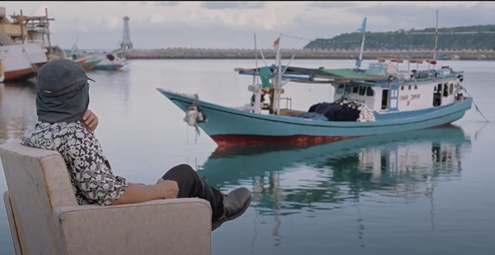
Figure 12 Budi at Port of Bira. Still from upcoming documentary Jejak Nahhoda Boodieman (Traces of Captain Boodieman)