
Career Practitioners Gain Critical Insights into Youth, Social Media and Emerging Policy Landscape
More than 200 career practitioners from across Melbourne, regional Victoria and interstate came together on Friday 5 June for Monash University’s annual Career Practitioners Seminar, highlighting strong sector interest in the rapidly evolving relationship between young people, social media and future pathways.
The seminar featured a keynote address by Associate Professor Brady Robards, Associate Dean (Research) in the Faculty of Arts at Monash University. Titled “Youth, Social Media & the Ban — What Career Practitioners Need to Know,” the session explored the growing complexity of young people’s digital lives and the implications for those supporting education and career development
A timely and relevant conversation
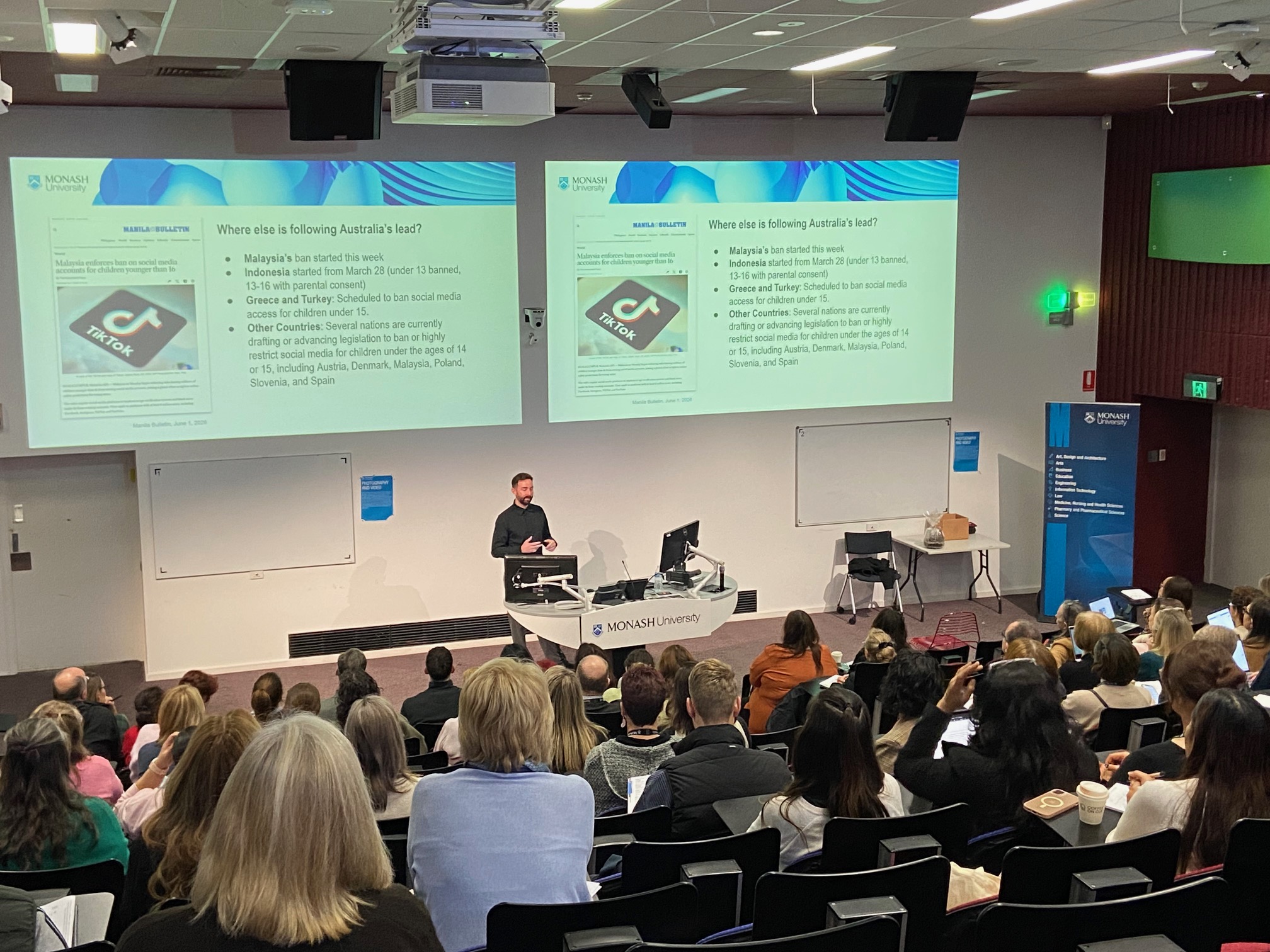 In a landscape shaped by ongoing policy debate, including proposed and emerging social media restrictions, Brady’s keynote provided a nuanced look at both the opportunities and challenges facing young people online.
Drawing on extensive research into youth and digital cultures, Brady highlighted how social media plays a multifaceted role in young people’s lives—from supporting identity formation, connection and learning, to introducing risks such as privacy concerns, online harm and the long-term impact of digital footprints.
Importantly, the session moved beyond a risk-focused narrative to consider the agency, adaptability and strategies young people already use when navigating online spaces, particularly as they begin to think about employment and future careers.
Supporting young people in a digital world
A key theme of the keynote was the growing importance of career practitioners in helping students understand how their online presence intersects with employment opportunities.
Brady’s research demonstrates that young people are increasingly aware that social media can shape professional identity and future prospects. Many adopt sophisticated strategies—such as curating content, managing multiple accounts and adjusting privacy settings—to navigate this space.
However, these practices are often accompanied by heightened anxiety about being judged by potential employers or having content taken out of context. This underscores the need for informed guidance from educators and career practitioners.
Rather than focusing solely on restriction, the session encouraged a shift toward building critical social media literacies—equipping young people with the skills to make informed, confident decisions about their online engagement.
Strong engagement from the sector
The seminar attracted over 200 attendees, reflecting the strong demand for professional learning in this area and the relevance of the topic across schools, careers services and broader education settings.
Julie Baxter, Senior Manager, Domestic Student Recruitment at Monash University, emphasised the value of the session for attendees.
“Brady’s session was extremely valuable, and our Career Practitioners thoroughly enjoyed the opportunity to engage with such insightful and practical content,” she said.
Associate Professor Robards also reflected on the importance of engaging directly with the sector.
“It was fantastic to connect with career practitioners from across the sector and explore how we can support young people to navigate social media in ways that recognise their agency, skills and aspirations, particularly in such a fast-moving environment,” he said.
Looking ahead: resources to support practice
A key takeaway from the seminar was the importance of moving beyond ‘abstinence-only’ approaches to social media and instead supporting young people to critically engage with digital platforms.
As the digital landscape continues to evolve, events such as the Career Practitioners Seminar play a vital role in ensuring educators and career development professionals are equipped with the latest insights, research and tools to effectively support young people.
To support this work, practical guides have been developed for young people, teachers, schools and parents. These resources aim to foster informed conversations about social media use, helping young people better understand how their online behaviours can influence future education and career opportunities.
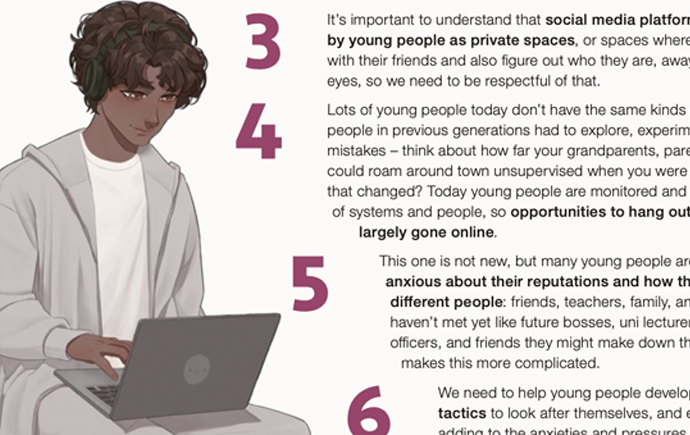
Guide for Schools, Teachers, and Parents
How to help young people think about social media and their futures: Key facts, and tips from young people themselves.
Download guide
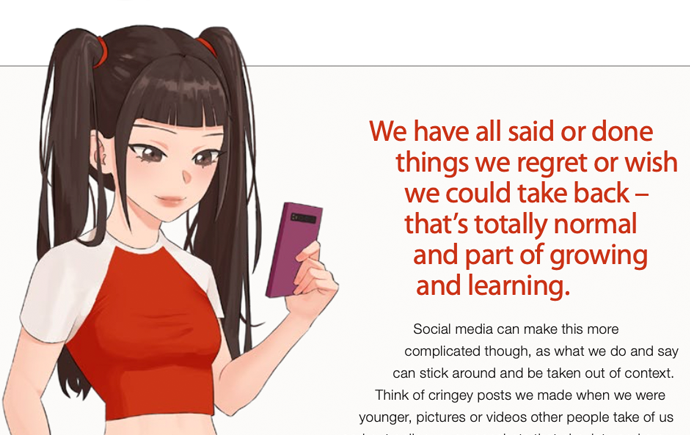
Guide for Young People
This guide will help young people think about social media and the future: Tips from young people and employers.
Download guide