Gingerbread Jan by Dr. Rebecca Lewis and Oriana Ramunno

This is new version of the classic Gingerbread Man story, where the farm characters learn to bake cookies to distract a hungry fox.

  • This PlayWorld stars

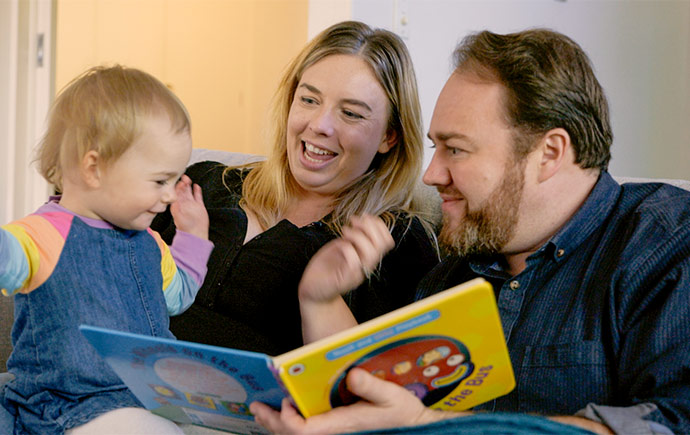
    Stacey and Andy along with daughter Clara help Gingerbread Jan bake cookies to distract the hungry fox.

  • STEM learning

    Chemical Reaction:  Baking is an everyday chemical reaction

  • Great for supporting

    A sense of teamwork

"The STEM concepts we were looking at were really simple and easy." - Stacey

This video reimagines the story of the Gingerbread Man, and follows the adventures of Gingerbread Jan. It was developed by Dr Rebecca Lewis and teacher Oriana Ramunno.

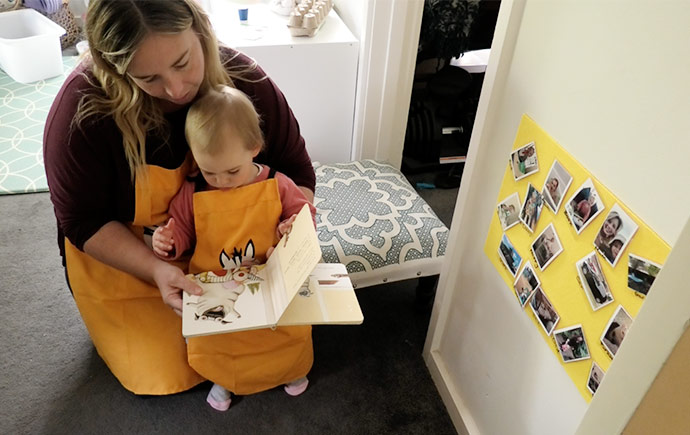
STEP 1: Tell the story or read the story of Gingerbread Jan (Man)

Gingerbread Jan is a story that encourages the sense of touch, smell and sight of freshly baked goods.

As you read, help your child anticipate what might happen when Gingerbread Jan jumps out of the oven.

It’s also a chance for them to imagine what it would be like to be a baker in the story.
STEP 2: Plan your play

You are about to go on an imaginary adventure and become bakers, and help Gingerbread Jan. She wants you to bake as many baked goods to distract the fox from noticing her crossing the river to meet her friends. To get ready:

  • Find a favourite baking recipe
  • gather baking equipment and tools to imagine what bakers need to work with ingredients
  • role play the chemical reaction of the ingredients changing into something new and different caused by mixing ingredients and the right temperature for baking
  • imagine the smells, touch and sight of being in a bakery
  • Write a sign saying “Village Bakery-careful hot ovens at work!”

Get your child involved in choosing which character they will play, and what your role will be. They could be a baker, scientist or even one of the characters from the story.

Step 3: Go on your adventure

Time to enter the bakery and meet the bakers so that you can learn how to bake.

Sing the song: Five currant buns in baker's shop…to signal that you are in the imaginary bakery (or other song you know, and substitute words in the song for words about cooking)

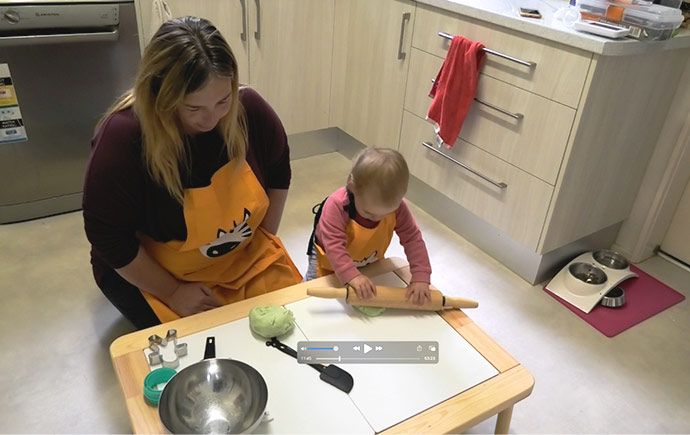
Put on aprons, chefs hats, work with baking tools such as wooden spoons, baking trays, mixers, rolling pin, spatula and or playdough to explore the actions of a baker.

Imagine baking using the ingredients from your favourite recipe-imagine the ingredients changing once placed in the oven.

Play is such an important way that children develop their imagination and they love it when an adult is involved.

Step 4: Encounter a problem

When you are in the middle of your adventure, you find the letter from the farm animals in the story. How will you help?

Dear [child’s name],

We need your help. We don't know how to bake and we know that you can. We have heard that you are expert scientists and know the secret formula that makes the perfect cookie. Can you help us please? We need to bake so many cookies to distract the fox. He likes eating cookies and Gingerbread Jan is a cookie!! We need to bake the cookies so that he doesn’t notice Gingerbread Jan crossing the river to meet her friends. That’s where he usually hangs out

From the Farm animals

The urgency of this message helps motivate a child’s willingness to help.

Step 5: Learn about baking as an everyday chemical reaction

As you go about solving this problem, talk about the smells, taste and how the cookie looks good enough to eat. Does the oven need to be at the right temperature? How do we know when the cookies are baked?

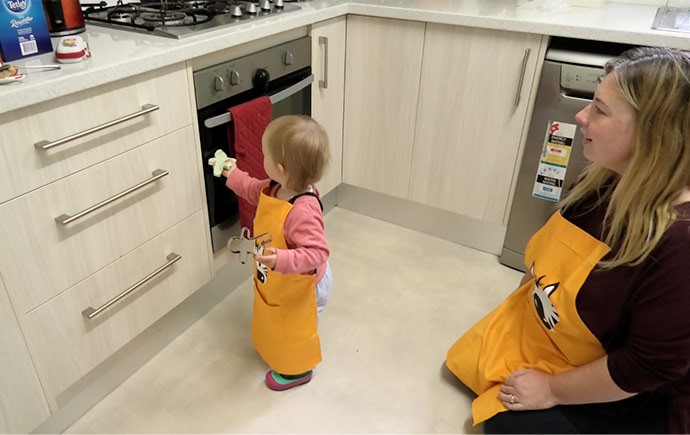
Explore baking together and  say things like: I’m checking the temperature on the oven (turn the dial) look, it's the right temperature.  Let’s put the dough into the oven. Look, it's changing.  It’s changing colour. I can smell the baking ….

Now that I know baking is science I can see that there’s a chemical reaction happening in the oven. I can’t wait to taste the cookies.  It was dough but now it’s something new and different, it’s a cookie.

What did we learn?

In this PlayWorld, your child has learned baking as an everyday chemical reaction.

Your child is also exploring ideas around helping others and teamwork.  This helps them with communicating their ideas and listening to others,  
learning how to problem solve and the importance of helping out a friend.