
3D Printed Maps to Support Orientation and Mobility
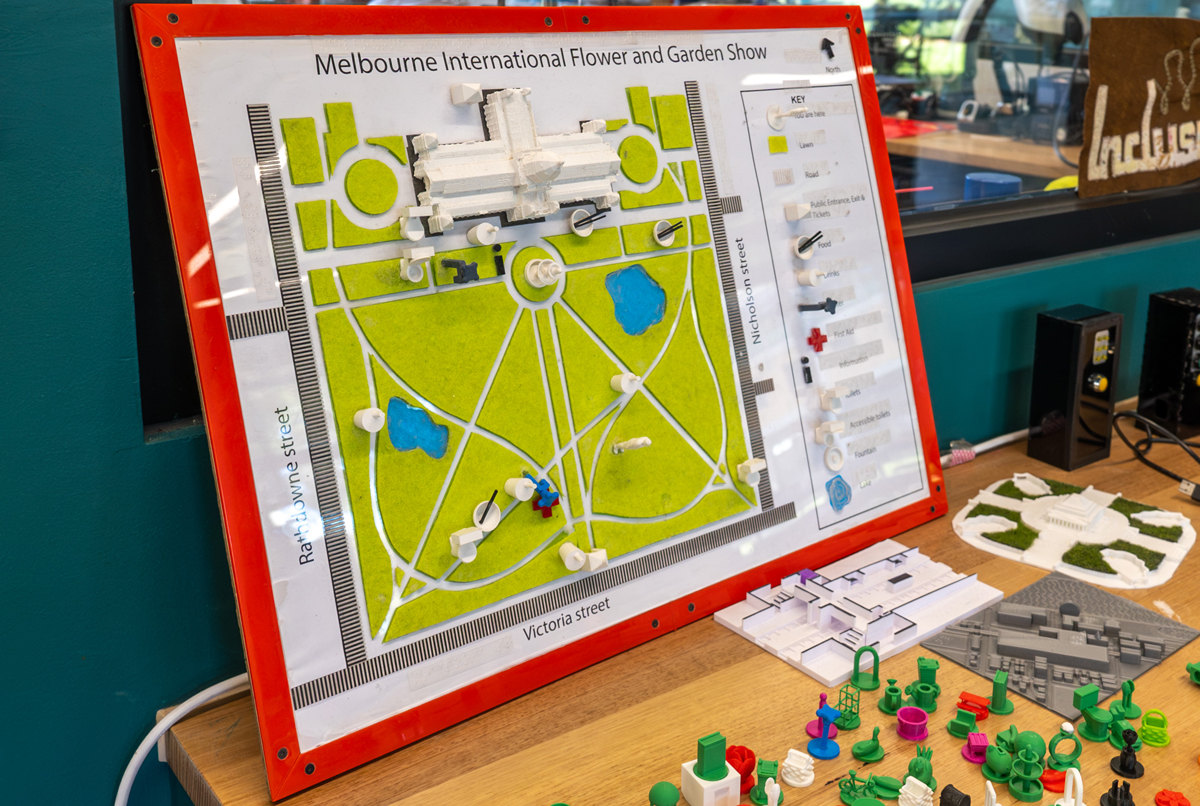
Led by researchers from the Monash Assistive Technology and Society (MATS) Centre, this project investigates the use of 3D printing to improve access to graphics for people who are blind or have low vision.
It is funded through an Australian Research Council Linkage Project and delivered in partnership with the Department of Education Victoria, Guide Dogs Victoria, Round Table on Information Access for People with Print Disabilities Inc., NextSense and SeeDifferently.
Key outcomes to date include:
- Accessible education: 3D printing has been adopted by seven educational centers across Australia and New Zealand for accessible format production, positioning Australia as an international leader in the use of 3D printing for accessibility. Findings were published in the research paper, ‘3D Printing for Accessible Education: A Case Study in Assistive Technology Adoption’, and presented at the 2025 ACM Conference on Human Factors in Computing Systems (CHI). It has also been featured in ABC News.
- Guidelines for accessible 3D prints: Co-developed with the accessibility community, the project produced the world’s first guidelines for accessible 3D prints. Published by the Round Table on Information Access for People with Print Disabilities Inc., the guidelines have been accessed over 10,000 times to date.
- Tactlcons: The team developed 3D tactile icons called TactIcons to expand the range of tactile symbols available for tactile maps. Findings were published in the research paper, ‘TactIcons: Designing 3D Printed Map Icons for People who are Blind or have Low Vision’, which received an Honourable mention at the 2023 ACM Conference on Human Factors in Computing Systems (CHI). Tactlons are available for free download on Thingiverse and are being used by map-makers, orientation and mobility trainers, and vision specialist teachers.
Project lead Leona Holloway has been recognised for her work on this project through several awards, including the 2025 ACM Special Interest Group on Computer-Human Interaction (SIGCHI) Outstanding Dissertation Award and finalist recognition in the 2025 Australian Access Awards.
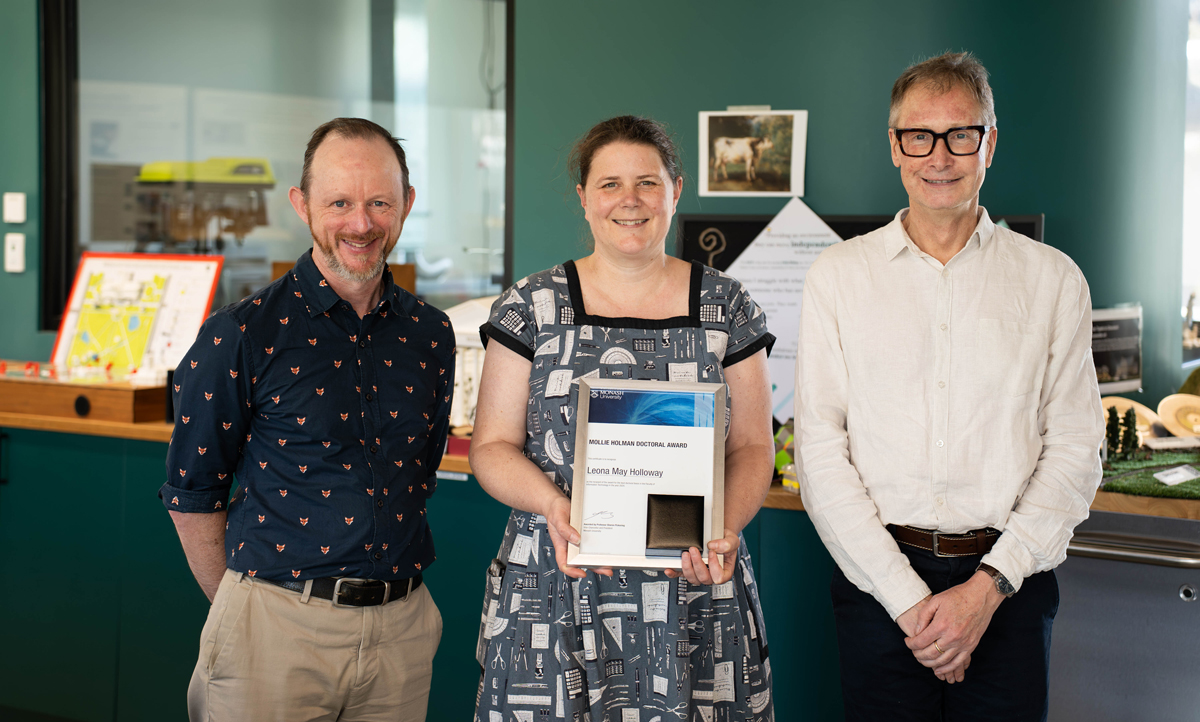
Researchers
-
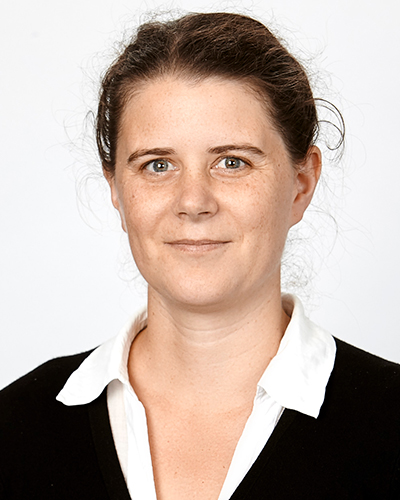
Dr Leona Holloway
Research Fellow, Project Officer
-

Professor Kim Marriott
Director, Monash Assistive Technology & Society
-

Associate Professor Matt Butler
Associate Dean (Graduate Research)
-
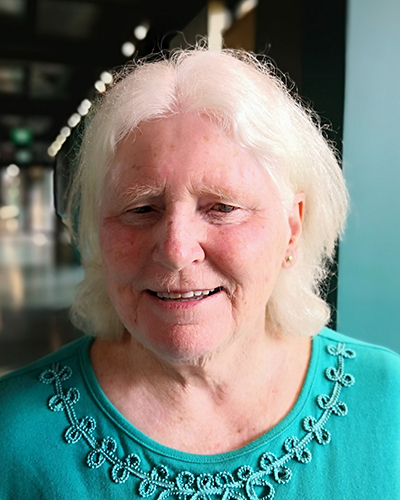
Kate Stephens
Project Assistant