Women in IT
Our inspirational women in IT
IT is for everyone, regardless of gender. This is proven by the accomplished women in our leadership team, rising stars, student cohort, and alumni network – fully supported by all members of our faculty.
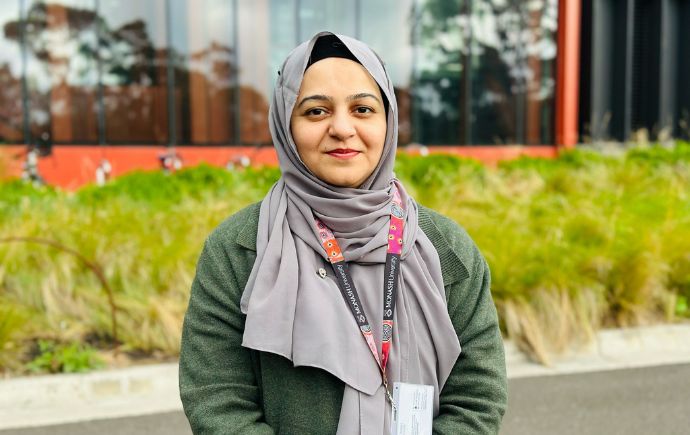
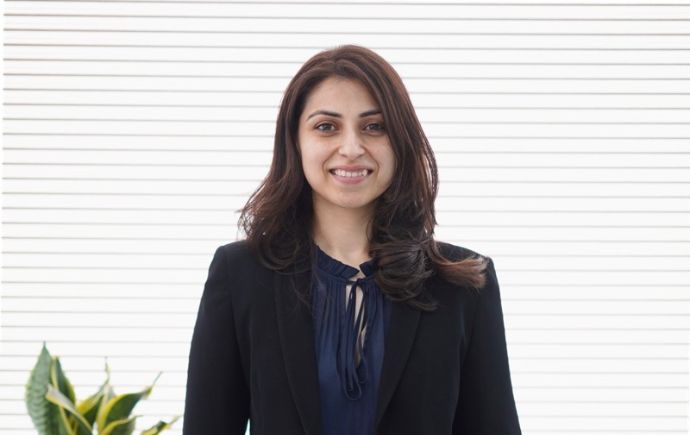
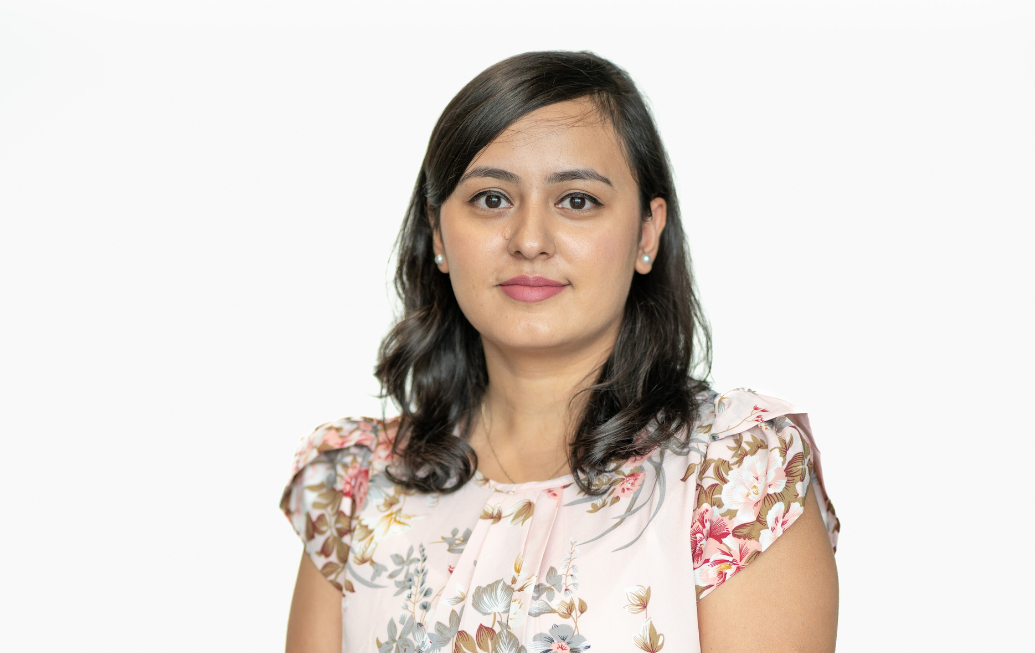
Aastha Pant
Doctor of Philosophy
Aastha received her Bachelor's in Computer Engineering from NIILM University, India, in 2016 and her Master's in Research from the University of Southern Queensland, Australia in 2019. Her research interests are Software Engineering, Ethics in AI, and Human bias in AI.
Currently, Aastha is working on a research project called "Human-centric User Studies in a Pandemic". This project is aimed at investigating the impact of pandemics on Software Engineering (SE) user studies and creating recommendations for conducting such studies when face-to-face methods are not feasible. Her primary responsibilities in this project include analyzing qualitative data using the Socio-technical grounded theory (STGT) method, presenting the results, and writing a research paper.

Akansha Kapoor
Bachelor of Business Information Systems
Akansha completed an IBL placement at PwC in 2015 – and has thrived there ever since. In fact, her placement laid the foundations for her expedited career trajectory.
Throughout her career, Akansha has driven large-scale initiatives centered around experience-led technology for a range of clients. Among her many notable achievements, a major highlight has been re-imagining the civilian experience for a law enforcement agency.
For three years, Akansha also served as COO of Robogals Global, an international not-for-profit aimed at enhancing diversity in engineering and related fields. Passionate about experience-led value and diversity, she has also done many talks, presentations and panels across Asia and Oceania.

Ange Ferguson
Bachelor of Computing
Professor Ferguson is a digital transformation executive with over 20 years’ experience leading consulting, program and change initiatives that help organisations build software with real-world impact. She is also a Professor of Practice at the Faculty and a member of the Dean’s Industry Advisory Council.
Previously, she has held senior leadership roles at ThoughtWorks, including Managing Director of Digital Transformation for Australia and later the APAC region, and Director of Strategic Investment. She has also served as an Advisory Board Member for Hitnet.
A Monash alumna, Professor Ferguson graduated with a Bachelor of Computing in 1998.
“Don't be too fixed on a specific version of your future,” she advises. “The world is changing so quickly that at least half your opportunities will relate to jobs that don't even exist today. And be open. Saying yes to an opportunity (even if it’s not what you’d been looking for) almost always leads to a far more interesting place than saying no.”
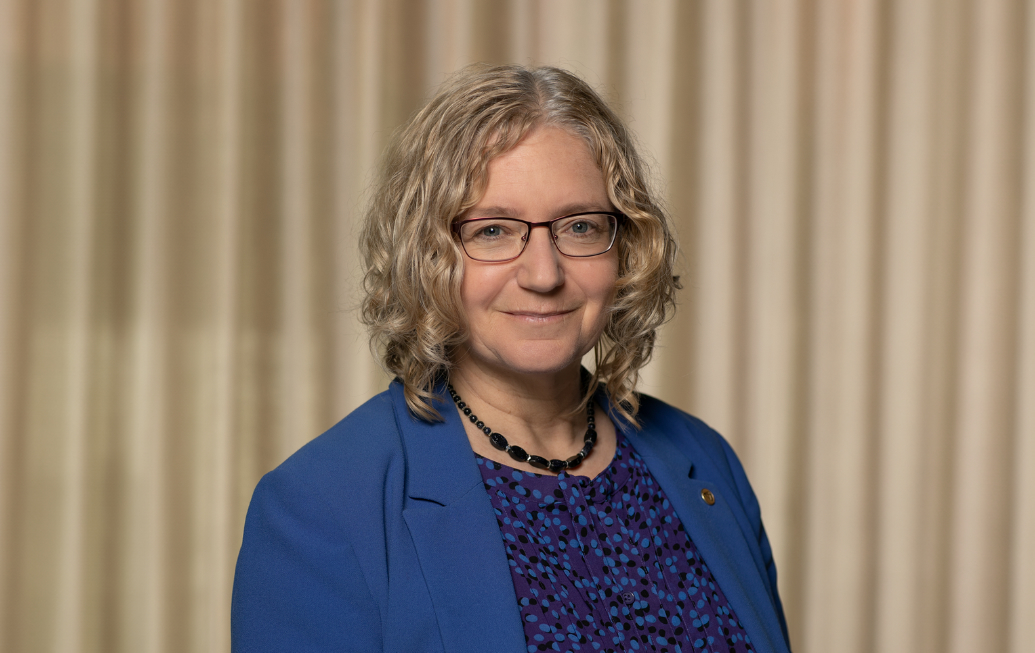
Professor Ann Nicholson
Professor
Professor Ann Nicholson graduated with a Bachelor of Science (Hons) and a Master of Science (Computer Science) from the University of Melbourne. In 1988, she was awarded a Rhodes Scholarship to the University of Oxford, where she completed her doctorate in the Robotics Research Group. She then undertook a postdoc at Brown University before returning to Australia to join Monash.
Professor Nicholson was the first woman appointed into her prestigious role of Dean, Faculty of Information Technology at Monash University. Here, she championed greater Indigenous participation and supported many initiatives to bring more girls and women into IT careers.
Professor Nicholson is responsible for more than 400 staff, 11,900+ students and leading IT courses taught in Australia, Malaysia, China and Indonesia.
Joining the University in 1994, her leadership expertise is broad and diverse – garnered through a range of executive roles across education, research and industry, including Associate Dean (Education) and Deputy Dean (Research).
A globally-esteemed specialist in Bayesian Networks, Professor Nicholson’s research focuses on translational impact and social good, with cross-disciplinary collaborations in epidemiology, medicine, education, environmental science and meteorology. She has published more than 120 peer reviewed papers and co-authored the highly regarded ‘Bayesian Artificial Intelligence’ textbook. Her research has attracted over $12M in research funding, and has resulted in two start-up companies for technology transfer of Bayesian AI.
Currently Professor Nicholson is the Honorary Secretary of the Victorian Rhodes Scholarship Selection Committee; a fellow of the Australian Academy of Technology and Engineering (ATSE) and of the Computing Research and Education Association of Australasia (CORE) ; and a member of professional societies, ACM, IEEE and the IEEE Computer Society. She was a co-founder, inaugural president and long-term board member of ABNMS.

April Chi
Bachelor of Computer Science
April chose to study computer science at Monash because she wanted to be in a field where she could constantly learn, be challenged and build on her ideas.
During her time with us, she founded MAC – a club for coding and collaboration. It started out as a small coding interview group and has since grown into one of our faculty’s top clubs.
As President, April strived to prove that anyone is good enough to code. And even though she’s graduated, she’s excited to see the positive impact that MAC will continue to make in our student community.

Aylin Vahabova
Bachelor of Computer Science
Achievements:
- Faculty of IT Student Ambassador
- Vice-Chancellor's Ancora Imparo Leadership Program recipient
- Participated in the Women in IT Mentoring Program
- Residential Advisor, Monash Residential Services
- Studied abroad in Indonesia through the Monash Global Immersion Guarantee program
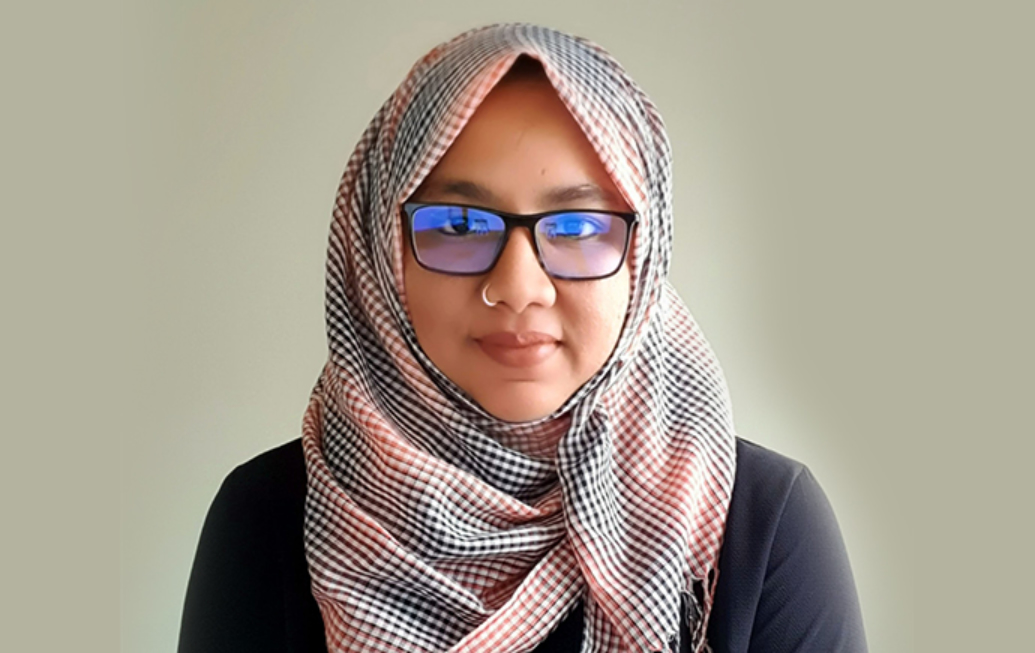
Fariha Tasmin Jaigirdar
Doctor of Philosophy
Having studied computer science in both her bachelor’s and master’s degree, Fariha followed her passions and love for the analytical nature of her studies – and decided on a PhD in IT.
Coming from an underdeveloped country and being a woman in the field, she has faced many challenges throughout her journey. But after joining Monash, she felt reinvigorated.
Not only is she kicking goals in her research with support from her leading supervisors, but she’s also empowering other women as convenor for the FIT HDR Women group.

Hamdam Bishop
Bachelor of Business Information Systems
Hamdam Bishop (BBIS 2010) radiates job satisfaction. At AGL Energy, she happily works in the Data & Decisioning team as a Release Train Engineer.
“I’m deeply immersed in the world of Agile and Scaled Agile software delivery within large enterprises, which I love!” says Hamdam. “I’m constantly learning about, and implementing, the latest technologies.” In her role at AGL, she delivers apps, websites, tools, and communication channels to improve customer experience.
As a Release Train Engineer (and previously as a Scrum Master), Hamdam coaches, facilitates and assists teams to deliver valuable increments of working software. She also manages risk, communicates with stakeholders, and drives continuous improvement across multiple Agile scrum teams within the release train.
Thanks to her industry-based learning (IBL) placements, Hamdam had the opportunity to experience different types of work in different environments. “Today there’s such a huge number of roles for IT professionals across all industries,” she remarks. “Just follow your passion and give it a go!”

Professor Helen Purchase
Head of Department, Human-Centred Computing
Prior to joining Monash in 2022, Professor Purchase was part of the Glasgow Interactive Systems Group in the School of Computing Science at the University of Glasgow for more than 20 years.
Working in Information Visualisation, her research focuses on graphs and graph drawing and empirical methods for assessing the quality of visualisations. She has also worked on image and webpage complexity, infographics and Euler diagrams.
Professor Purchase also has a strong track record and interest in educational technologies and collaborative learning, which she brings to her Head of Department role.

Professor Iadine Chades
Director, Environmental Informatics Hub
I am the Director of the Environmental Informatics Hub at the Faculty of Information Technology, Monash University, and Professor of AI in the Department of Data Science and AI. My research lies at the forefront of linking domain sciences—such as ecology, epidemiology, and social sciences—with advanced quantitative tools from artificial intelligence (AI), developing innovative methods for smart decision-making under uncertainty and resource constraints. Building on my PhD work with Markov decision processes (MDP) applied to mobile robotics, I shifted my focus in 2006 to apply these principles in conservation science by integrating AI with ecological and economic models to solve complex applied problems.
International leader of interdisciplinary research integrating AI and decision science with conservation, ecology, epidemiology and social sciences addressing critical environmental and societal challenges:
- Inclusive interdisciplinary leader on AI for environmental and societal good: extensive experience in leading interdisciplinary research on AI for environmental and societal good, biodiversity conservation and epidemiology. Highly experienced in bringing together large and small integrated multi-disciplinary teams including data scientists, economists, social scientists, ecologists, applied mathematicians, and engineers, to address complex foundational and applied problems involving stakeholders to achieve on ground impact.
- Pioneered the development of AI for nature with major research contributions including: discovery of key mechanistic insights to manage and survey endangered species, invasive species and diseases (e.g., 2 PNAS papers, lead author); novel algorithms to optimally guide the implementation of adaptive management programs and experimental designs (e.g., AAAI’12 best paper award, lead author); new models to increase interpretation of AI models and solutions (e.g., K-MDP, K-N-MOMDP, last author) to increase uptake by stakeholders.
- Achieved significant impacts on policy and implementation through delivery of key strategic decision tools to inform conservation investment in Australia (e.g. Pilbara, Lake Eyre Basin, NSW state, and QLD state) and internationally (e.g. Canada, Antarctica). For example, these tools inform the investment of $160M towards NSW listed species (Saving our Species program) and $60M/year towards conservation activities on private lands (NSW Biodiversity Conservation Trust).
Dr Isma Farah Siddiqui
Department of Software Systems and Cybersecurity
Currently, Isma is a Lecturer at the Database and Distributed Database Group in the Department of Software Systems and Cyber Security at the Faculty of Information Technology, Monash University.
A passionate advocate for women in technology, Isma holds influential leadership roles in IEEE Women in Engineering and ACM-W. She is dedicated to empowering the next generation of female tech leaders, fostering an inclusive and diverse environment in the tech industry. Her commitment to this cause is unwavering, as she actively works to break barriers and inspire women to excel in STEM fields.
Her research interests are at the forefront of innovation, spanning the semantic web and semantic data analytics, Big Data analytics, context-aware data processing of the Internet of Things, and green cloud computing. Isma's groundbreaking work not only pushes the boundaries of technology but also champions the pivotal role of women in shaping the future of IT.
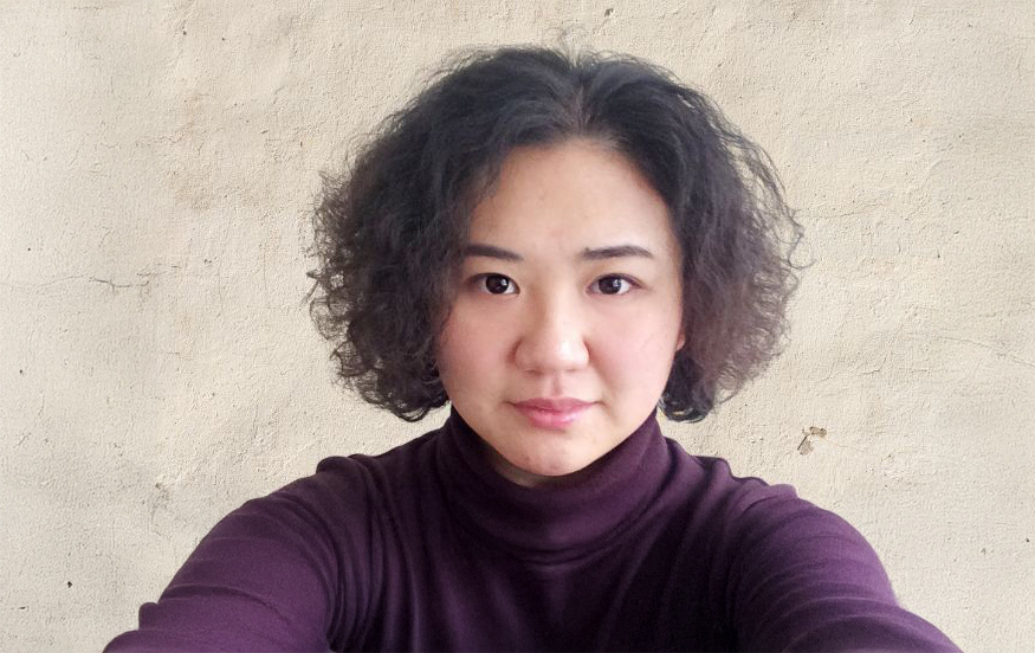
Dr Jackie Rong
Department of Data Science and AI
Dr Jia (Jackie) Rong is a Teaching and Research Academic in the Department of Data Science and Artificial Intelligence, Faculty of IT, Monash University. She is affiliated with Monash Data Future Institue and Alliance for Digital Health at Monash (ADAM).
Dr Rong's research interest lies in the joint areas of machine learning, deep learning, bio-signal processing, image processing and their applications in digital health, medical image analysis, cancer diagnosis, cardiac disease detection and engineering. She is on the editorial board of the Scientific Reports, and an independent reviewer for top journals like Tourism Management, Information Processing and Management, IEEE Transactions on Human-Machine Systems, International Journal of Hospitality Management, Sensors, Plos One, Complexity, Sustainability, International Journal of Molecular Informatics, and serves as the PC member for Rank A*/A conferences including AAAI, IJCAI, PRICAI.
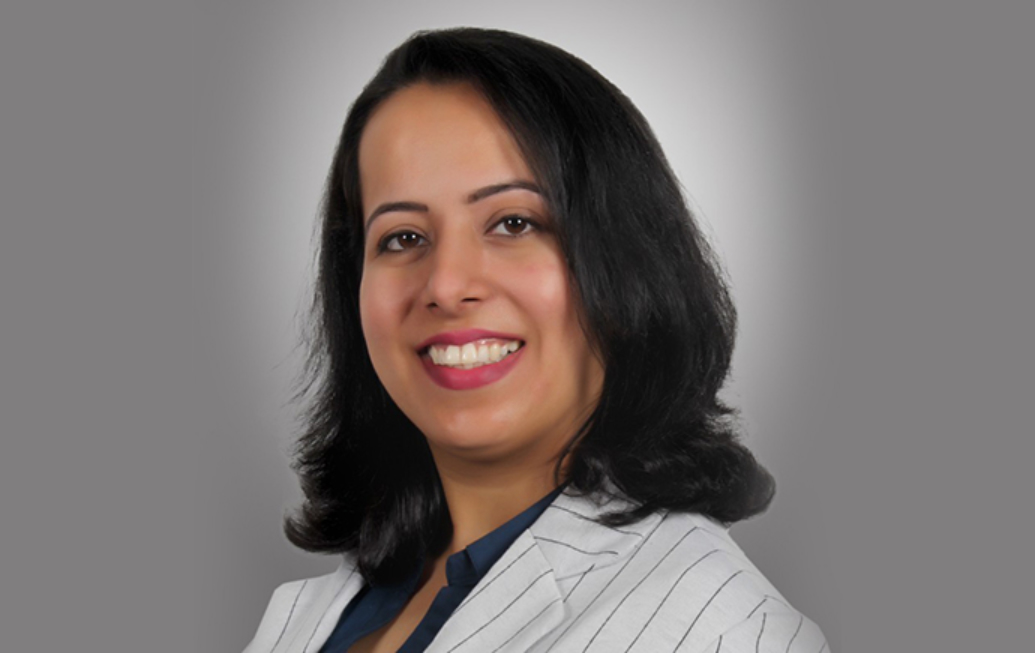
Jigya Khabar
Doctor of Philosophy
Jigya is a graduate research student based in the Digital Equity and Digital Transformation group.
Hailing from an arts background, she decided to complement her expertise with a PhD in IT – breaking many stereotypes and expectations along the way.
Today Jigya is a proud woman in STEM who is using her research and voice to uplift vulnerable communities.
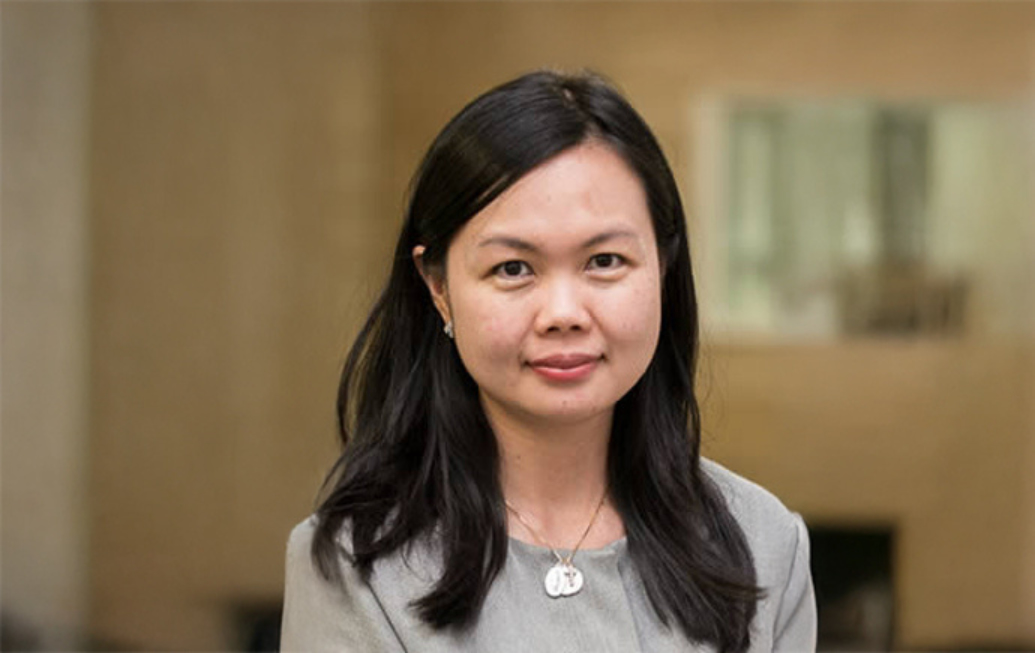
Professor Juliana Sutanto
Associate Dean (International)
Professor Juliana Sutanto has been with the Faculty since 2023, where she has led the Digital Transformation Group in the Department of Human-Centred Computing, and served as the Faculty’s Indonesia Lead.
Her research expertise encompasses system design, user behavioral analysis and data management. She has been recognised for her contributions to the field, including receiving the INFORMS Information Systems Society Design Science Award for her work on privacy-safe design.
After obtaining her PhD in 2008 from the School of Computing at the National University of Singapore, Professor Sutanto joined ETH Zurich in Switzerland as Chair of Management Information Systems. In August 2015, she moved to Lancaster University as a Professor in Information Systems.
Dr Jyoti Joshi Dhall
Department of Human-Centred Computing
Dr Jyoti Joshi is a senior lecturer and entrepreneur bridging the worlds of deeptech innovation and academia. She is the founder and CEO of Kroop AI, a deeptech startup specialising in ethical synthetic media and AI-driven security solutions, partnering with global technology leaders to bring responsible innovation to market.
She earned her PhD in affective computing from the University of Canberra, and has held research fellowships at the University of Waterloo, Australian National University and Monash University. Her research focuses on AI-based objective assessment of mental health and responsible synthetic media innovation.
Dr Joshi's work has been recognised internationally, receiving the Fiorella De Rosis Award for exceptional research in affective computing and being named a finalist for the Google Anita Borg Scholarship and the Future Women Leaders Conference.
Through her academic and entrepreneurial journey, she is passionate about translating research into real-world impact, fostering innovation with purpose, and championing greater representation of women in AI and deeptech.
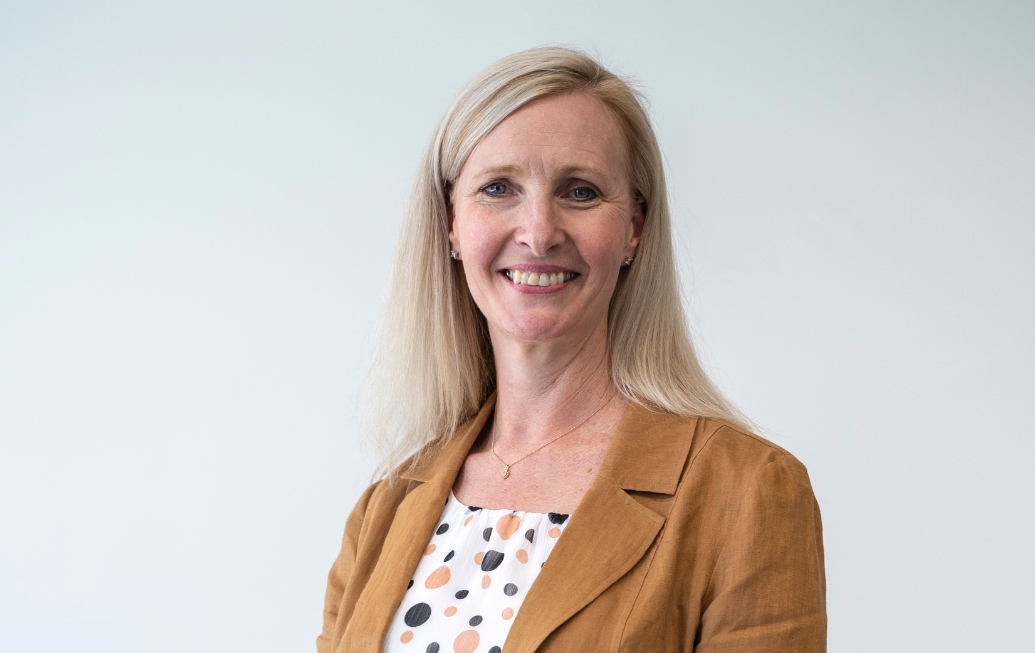
Kerrie Weippert-Rowe
Faculty General Manager
Kerrie is an accomplished Faculty General Manager (FGM), Chief Finance and Operation Officer with more than 25 years’ experience in higher education, state and local government, and industry.
Notably, before joining Monash Faculty of IT she served as the Business and Operations Director of the British School Jakarta, a premier international institution.
Throughout her career, she has been very successful in managing and motivating high-performing teams across a variety of business, administrative and operational functions – and has driven a number of high-impact projects and million-dollar investments.
Further, during her time as FGM for Monash Law, she delivered a new vision and direction helping drive cultural change programs leading to the highest quality academic and research programs.
An MBA, a certified Prosci Change Management Professional and the highest-ranking CPA Australia Fellow, Kerrie has proven capabilities overseeing budgets of AU$600M+ and managing hundreds of people to achieve organisational goals.
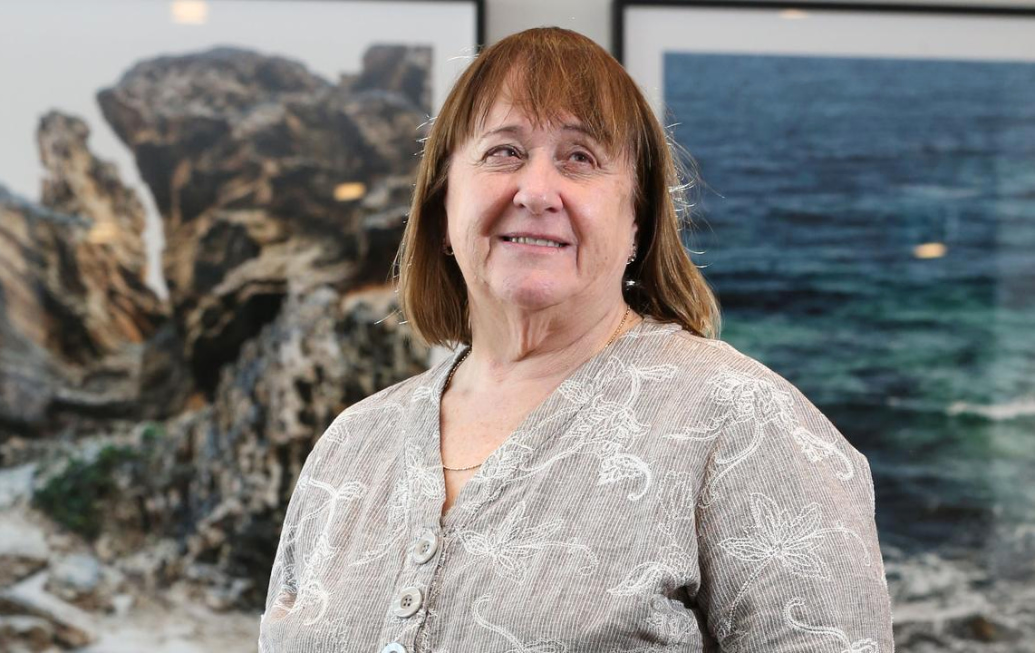
Maryanne Diamond AO GAICD
Graduate Diploma of Computing
To describe Maryanne Diamond AO (nee Laidlaw) (Bsc Mathematical Statistics 1977, GradDip(Computing) 1978) as unstoppable would be an understatement. Born blind, she has defied conventional wisdom at every turn.
As a young girl, Maryanne was told she could only hope to become a telephone operator (a job she'd never even heard of!). And later in life, when she gravitated to maths and IT, she met resistance because of her gender. Fiercely independent, Maryanne swatted away all this nonsense and proceeded to do exactly as she pleased. And, with grit and determination, she has ever since leapt from achievement to achievement.
After working in IT for a couple of decades, Maryanne moved into not-for-profit and governmental roles lobbying for people with a disability. Now General Manager Stakeholder Engagement at the National Disability Insurance Agency, and their most senior person with a disability, Maryanne plays a pivotal role in the roll-out of a major social reform policy: the National Disability Insurance Scheme (NDIS).
"Transforming from a state to a national scheme requires major cultural change and takes time," Maryanne explains. "With NDIS, people with a disability can now set their own goals to achieve what they want in their lives, instead of being told by someone else." She understands the need for this better than most.
On the advice of "experts", Maryanne spent her childhood boarding during the week at a school for the blind – not her first choice but where, she's quick to point out, she learned good blindness skills and made some lifelong friends. She went on to navigate the challenges of university, supported by a network of fellow students who took time to sit with her and go through their notes so that she could transcribe them into braille.
"I had to be careful to pick the right students for this task," Maryanne reveals. "They couldn't be too smart because then they wouldn't have taken many notes, but they had to be smart enough to have taken correct notes!" One helper was Neil, who would become her husband.
Maryanne and Neil have four children together, the eldest of whom is visually impaired. Not long after the arrival of their first three, the family headed off to the University of Wisconsin in the United States for Neil's six-month sabbatical. This required Maryanne to find her way around a new city in the dead of winter, negotiating snowy streets indistinguishable from snowy footpaths, with cars driving on the right. A newborn and two toddlers in tow! Clearly, this would have tested even a fully sighted person.
In more recent times, as the second Australian and second female President of the World Blind Union (WBU), Maryanne spearheaded its global campaign to establish the Marrakesh Treaty. Thanks to this international copyright agreement, 285 million blind and visually impaired people around the world can now read books in accessible formats, such as braille, audiobooks and large print.
In 2014, Maryanne was appointed an Officer of the Order of Australia for her distinguished service to people who are blind or have low vision, and her international leadership roles and advocacy for best practice employment opportunities. Two years later, she won the Louis Braille Medal, the WBU's most prestigious honour. And last year Maryanne was a finalist for the Victorian Australian of the Year Awards, alongside broadcaster and academic Waleed Aly.
Reflecting on her many successes, Maryanne cites her Monash experience as the foundation for her fulfilled life. Living at Mannix College, she thrived in the student community. And through her studies, she had a chance to work with people from diverse cultures and backgrounds, shaping her outlook. She also acquired transferable skills in her classes.
"Everything you learn and do can be translated into any career path," shares Maryanne. "Above all, I learned how to break problems down into parts and work towards a solution."
Maryanne doesn't believe anything she has achieved goes beyond the reach of the average person. "Be open to possibilities and opportunities. Just give things a go!" she advises. "Don't think about why you can't do something – think about how you might!"
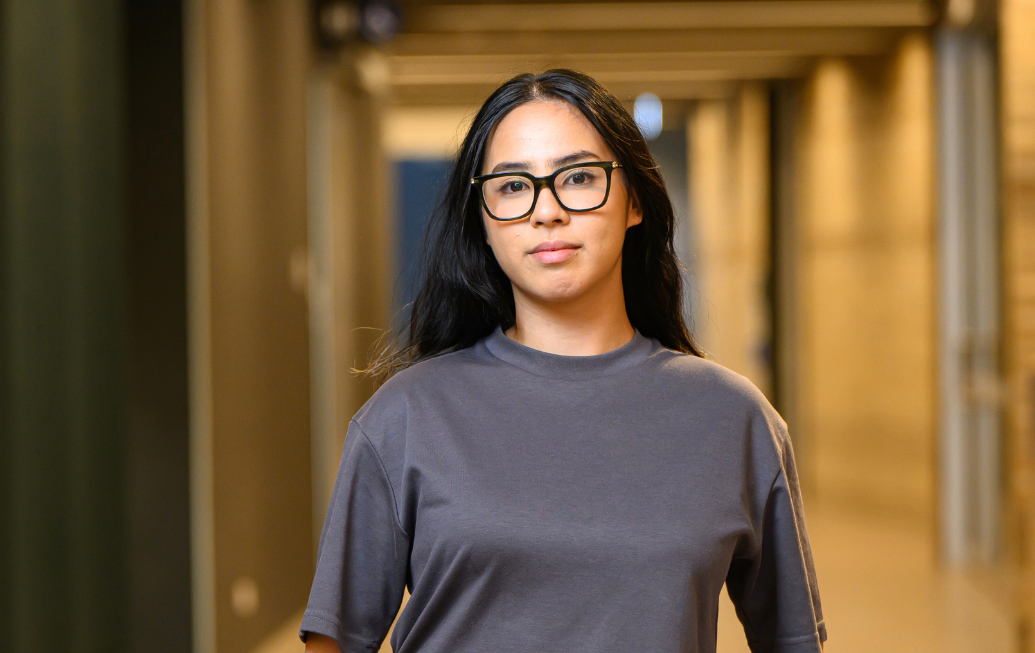
Mia (Martina) Go
Bachelor of Information Technology and Bachelor of Arts
Achievements:
- Faculty of IT Student Ambassador
- Student Volunteer, Monash Student Association
- Journalism Committee, Radio Monash
- Events Lead, Monash diversIT
- Studied abroad in Italy through the Monash Global Campus Intensives program
- Interned as a Business Analyst at the Coles Group through the Faculty’s Industry Based Learning program
Michele Frolla
Bachelor of Multimedia (Applications)
Over the years, Michele Frolla (Bachelor of Multimedia (Applications), Information Technology) has struggled to explain what she does for a living. The average person doesn’t really understand User Experience (UX). It’s how a person feels when interacting with a digital product or brand, she ventures. UX aims to fulfil a user’s needs by giving them a positive experience. This builds long-term loyalty.
Apple, for example, owes its success to outstanding UX. Not just their beautifully designed products, but everything from their spacious Scandinavian-design stores right down to their immaculate packaging, Michele says. With the rise of augmented and virtual reality, who knows what the future of UX will look like!
And how has Michele come to where she is today? Captivated by her Italian heritage, as a young adult Michele attended Italian classes three nights a week, viewed every screening at Melbourne’s Italian Film Festival, and ate at Italian restaurants whenever possible. Ultimately, this passion led her to Rome, where she landed a job as a web designer. A life-changing experience.
My focus shifted from my career to spending quality time with friends who became my family. When socialising, no one ever spoke about their work or complained about their jobs, shares Michele. Conversations were usually about food, travel, and planning outings together. And I thought, ‘These Italians have got the right work-life balance. That’s la dolce vita!’
When a visa issue eventually intruded, Michele reluctantly left her sweet life in Rome and skipped across to London. For three years now, she has worked at Live Nation (a global entertainment company) as a Senior Interaction Designer. I fly to various European cities to conduct user interviews and testing sessions with our fans. That’s how we learn more about them and the ways they interact with our site, she says. This feedback fuels our business decisions.
Wanderlust has carried Michele to all sorts of far-flung places. And these varied cultural experiences have inspired The Intrepid Guide, her language and travel blog, which brings to life her motto: The more we travel, the more we learn. Michele has also written How to Learn Italian Fast in Just 8 Hours, an ebook with a 5-star rating on Amazon. No wonder she now plans to write a similar book on French!
In juggling so many projects, Michele has drifted a bit from la dolce vita. But when you enjoy your work as much as she does, that’s pretty sweet, too.
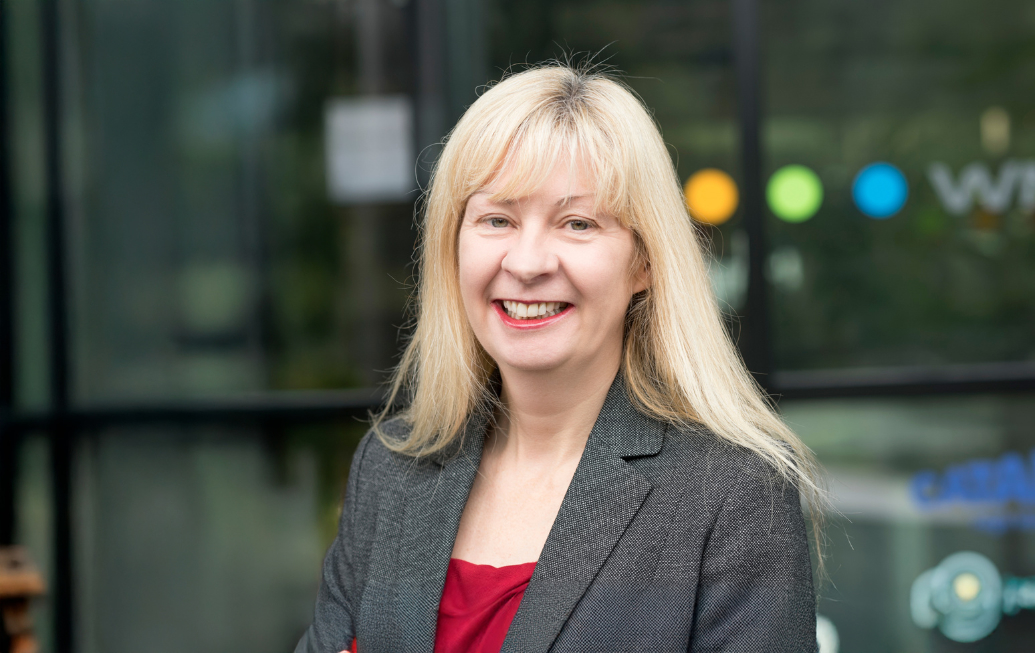
Professor Monica Whitty
Head of Department, Software Systems and Cybersecurity
Professor Whitty joins us from UNSW where she was Founder and Director of the Institute for Cyber Security, and Professor in Human Factors. Within the Institute, she led 100+ members across the Canberra and Sydney campuses.
She also possesses extensive experience in tertiary education, including Professor of Human Factors in Cyber Security at the University of Melbourne and University of Warwick.
Author of more than 100 articles and five books, Professor Whitty is a leading expert on cyber fraud (especially romance scams), identities created in cyberspace, online security risks, behaviour in cyberspace, insider threats and the detection and prevention of deception.
She has also been heavily involved in developing, teaching and elevating UNSW’s undergraduate and graduate education.
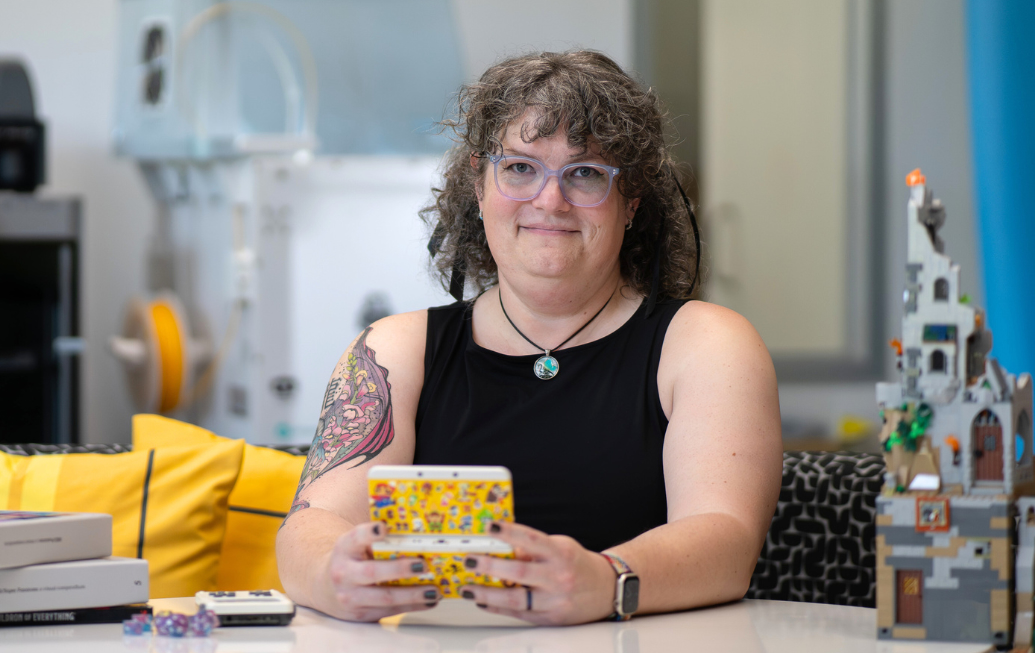
Associate Professor Phoebe Toups Dugas
Department of Human-Centred Computing
Associate Professor Phoebe Toups Dugas is a 2025 Superstar of STEM, recognised for her contributions to inclusive game design. This prestigious national program will enhance her communication skills and provide opportunities to engage with the media, speak on stage and visit schools – helping to inspire the next generation of Australians to pursue STEM careers.
Her research focuses on transgender inclusivity in information system design, with expertise in inclusive design, qualitative game mechanic analysis, team coordination, game and interface design, Java programming and graphical dataflow programming (Max/MSP, Pd).
After earning her PhD in Computer Science from Texas A&M University in 2010, she worked at the Disaster City responder training facility before spending a decade at New Mexico State University. She co-founded the Transgender Name Change Policy Working Group, which influenced inclusive publishing practices, and secured over AUD 3 million in National Science Foundation funding to support her disaster response research.

Dr Qiuhong Ke
Department of Data Science and AI
Dr Qiuhong Ke is the Faculty’s first-ever recipient of the National Industry PhD Program award for her 2024 project ‘Towards Automated, Generalised, and Flexible Bone and Joint Measurements’.
Dr Ke is a Lecturer (Assistant Professor) at the Faculty, and was previously a Postdoctoral Researcher at the Max Planck Institute for Informatics (2018–2019) and a Lecturer at The University of Melbourne (2020–2022).
She was awarded the prestigious International Postgraduate Research Scholarship for doctoral studies in 2015. She then earned her PhD from The University of Western Australia in 2018, where her thesis, ‘Deep Learning for Action Recognition and Prediction’, received a Dean’s List – Honourable Mention.
Dr Ke has been recognised with multiple prestigious awards, including the 1962 Medal from the Australian Computer Society for her contributions to video recognition technology (2019) and the APRS Early Career Researcher Award from the Australian Pattern Recognition Society (2020).
Her research focuses on human action understanding and video analysis.

Rachael Sandel
Bachelor of Business Information Systems
Rachael Sandel (Bachelor of Business Information Systems) is the IT Strategy and Planning Lead at South32. She leads a team that is accountable for managing investment decisions, managing the financial and budgeting lifecycle and developing strategic roadmaps.
‘Technology is a core operational piece that’s critical to business success. It is also a rapidly changing field so there will always be strong demand and varied opportunities,’ explains Rachael.
Rachael has previously worked on the South32 demerger from BHP Billiton. She had two key roles over 15 months: firstly, as the Integrated Management Office Lead directly reporting to the Head of IT Setup, responsible for program planning, budgeting, risks and decision management. Secondly, as the Business Engagement Lead for Data Migration where she was the single point of contact for ensuring that South32 data was identified and transformed into desired target state. She was also involved in designing the IT organisation and operating models.
Prior to this, Rachael worked as a Client Manager at top tier consulting firm Deloitte, in the Technology Risk sector in Melbourne. She had significant success leading teams and delivering projects for clients across mining, energy, government and financial services sectors. Her achievements were recognised in being selected as a finalist in Deloitte’s Business Woman of the Year and for rapid promotion to Manager. Specialist areas include project management, governance, compliance, audit, SAP security, IT service management, controls, risk and framework analysis.
Choosing to study IT at Monash was an easy decision for Rachael. After researching several degrees and their respective career outcomes, Rachael could see that technology was a smart choice.
'Technology is a core operational piece that's critical to business success. It is also a rapidly changing field so there will always be strong demand and varied opportunities.'
During her studies at Monash, Rachael participated in Industry Based Learning (IBL). 'The IBL program taught me to stand on my own two feet. I developed my interpersonal skills and established an identity in the business world very early on. And it really helped to clarify my career objectives,' she says.
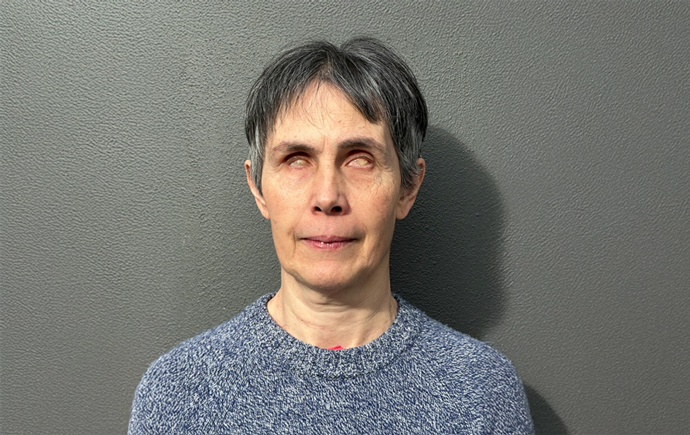
Ramona Mandy
Centre Manager, Monash Assistive Technology and Society (MATS), Department of Human-Centred Computing
Ramona has had a long career in the assistive technology field, especially related to Braille and speech equipment. She worked for 23 years at HumanWare, an international company that designs and supplies assistive technology for people who are blind or vision impaired. She’s subsequently gained extensive experience in technology sales, marketing, training and technical support. She’s worked with a wide range of actual and potential end-users, service providers, educators and other stakeholders in the vision impairment sector.
Ramona has also held instructional roles including teaching Braille to adults, and helping people with disabilities to understand the NDIS when it was first introduced to Victoria.
As a blind person herself, Ramona has extensive lived experience of using assistive technology in education, work and her personal life.
Ramona has also been involved with various blindness and cross-disability boards, management committees and advisory groups. She has a good understanding of the rights, abilities, needs and supports for people with a disability. Ramona is passionate about Braille, education and access for all to tools that can help with independence and participation.
Outside of work, Ramona enjoys travel, information sharing about animals and playing trivia each Saturday. She is an experienced guide Dog handler and keen foodie.
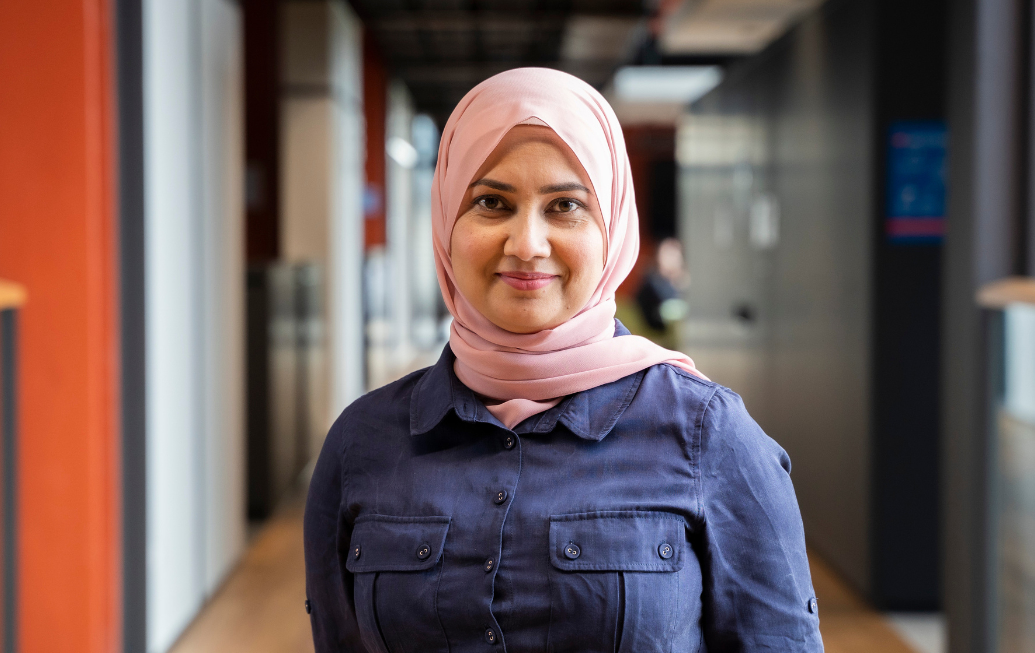
Professor Rashina Hoda
Associate Dean (Equity, Diversity and Inclusion)
Professor Hoda is a world-leading researcher, an award-winning educator, an inspirational speaker and a passionate champion of girls and women in STEM.
Lead of our Software Engineering Group and Deputy Director of the HumaniSE Lab, not only does she ensure that people remain at the heart of software, but she's also a specialist with more than 15 years' experience in revolutionary agile approach that prioritise human aspects and adaptability over meticulous planning and sequential implementation.
In 2021 Professor Hoda was elected one of 60 Superstars of STEM in the country – a prestigious role that elevated her advocacy of women in STEM. She also delivered a TEDxAuckland talk on Agile Nations in 2019 which delved into how countries respond to crises.
Professor Hoda actively serves the international software engineering research community as associate editor of the IEEE Transactions on Software Engineering. She is also co-chair for the Workshops track of International Conference on Software Engineering (ICSE 2024) and co-chair of Diversity and Inclusion at the Foundations on Software Engineering (FSE 2024).

Dr Rebecca Robinson
Department of Human-Centred Computing
Rebecca is a Teaching Fellow with the Faculty of IT, currently teaching Java programming and software development. She is also the Faculty’s Equitable Learning and Disability Liaison, and has recently launched a faculty-wide document providing Inclusivity Resources for Teaching Staff. She has implemented a program pairing DSS-registered students with experienced TAs as mentors who give them one-on-one academic support. Currently her research focuses on equity and diversity considerations in IT education, and she is part of an international working group exploring the factors in undergraduate IT courses that are influential in attracting and retaining women and other historically marginalised groups.
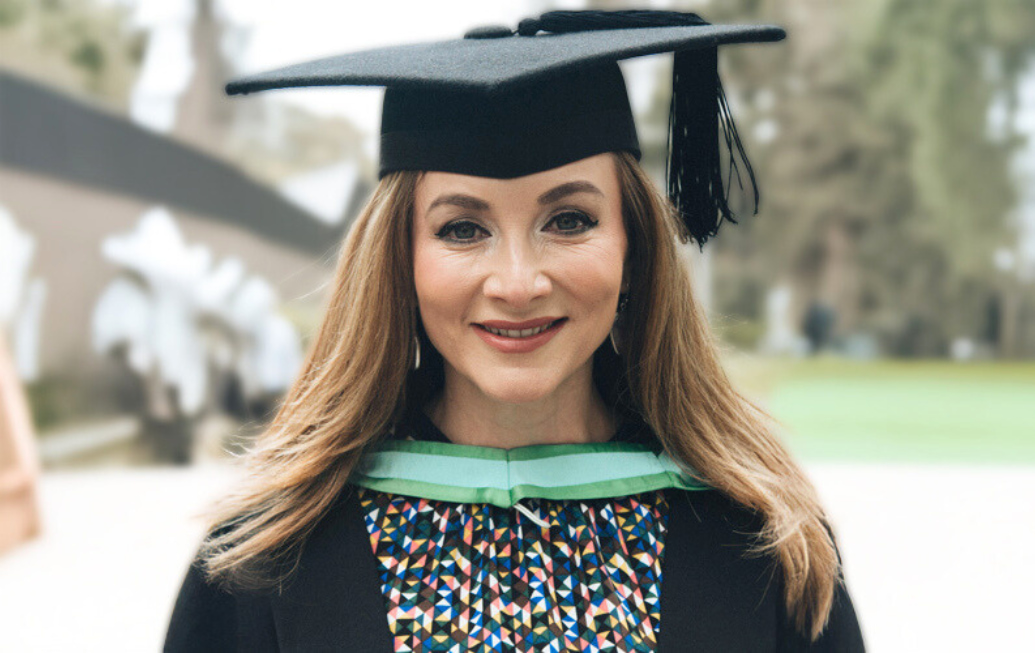
Regina Levine
Bachelor of Business Information Systems
Regina is changing the way Australians support their favourite causes. Her start-up ImpactPay has developed a platform that harnesses the power of micro-donations through a prepaid debit card and smartphone app. As you tap and pay for goods, 10c from each transaction is donated to a charity of your choice.
This project is underpinned by Regina’s expertise in IT and design, which she developed at companies such as SAP, Accenture and PwC.
Regina is also involved in a range of philanthropic projects. She is a board member of the Australian Ballet Ambassador Program and the CEO of the Rockwell Foundation – a fund that supports projects which enhance children’s wellbeing.
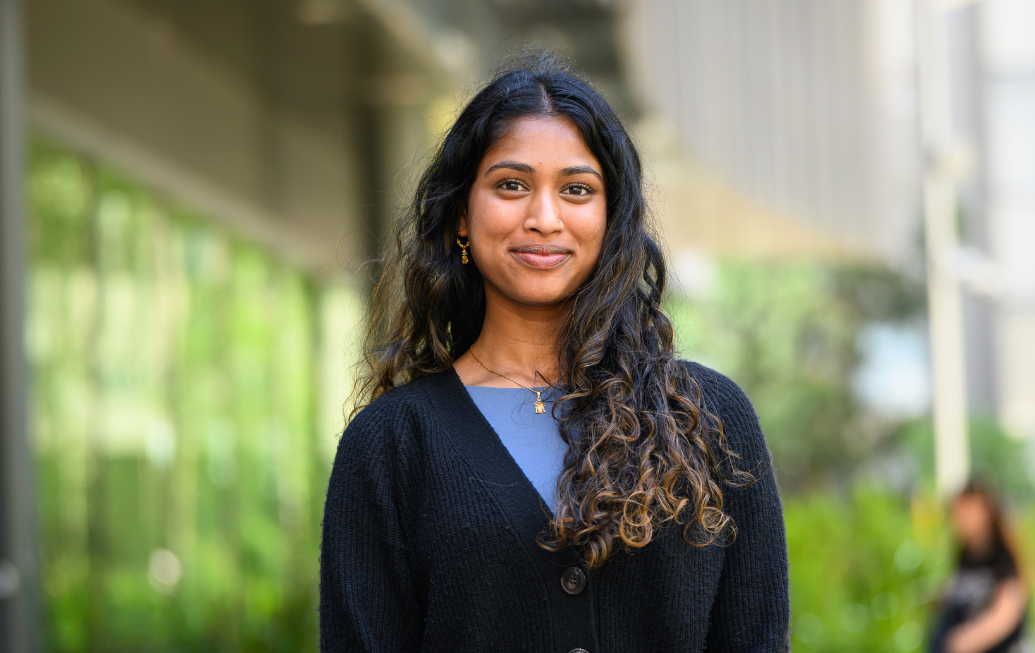
Rhea Dayalu
Bachelor of Information Technology and Bachelor of Commerce
Achievements:
- Faculty of IT Student Ambassador
- Monash Computing and Commerce Association Sponsorship Officer
- Monash Computing and Commerce Association Events Officer
- Monash Computing and Commerce Association First Year Representative
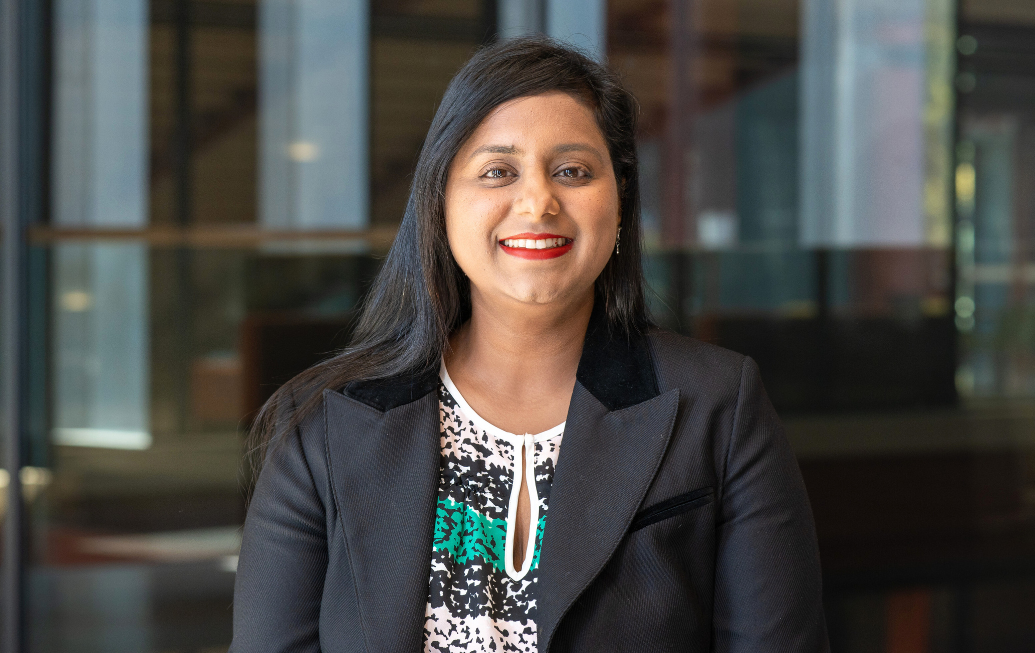
Ruchi Sembey
Doctor of Philosophy
Ruchi is an emerging technologies PhD researcher at Monash University and an award-winning computing educator for 16+ years in Australia, Vietnam and Italy.
She is a strong advocate for women in STEM, mentors new women teaching associates and facilitates the Superbots program with Monash Tech School for Year 7 to 9 school girls. Ruchi presented women in science panel talks in the USA-South Korea Ewha-Luce Women Leadership program. Following her deep commitment for supporting next-gen changemakers, Ruchi toured cities in India in 2022 as a judge and panellist for the Monash #ChangeIt Challenge aimed at solving global issues.
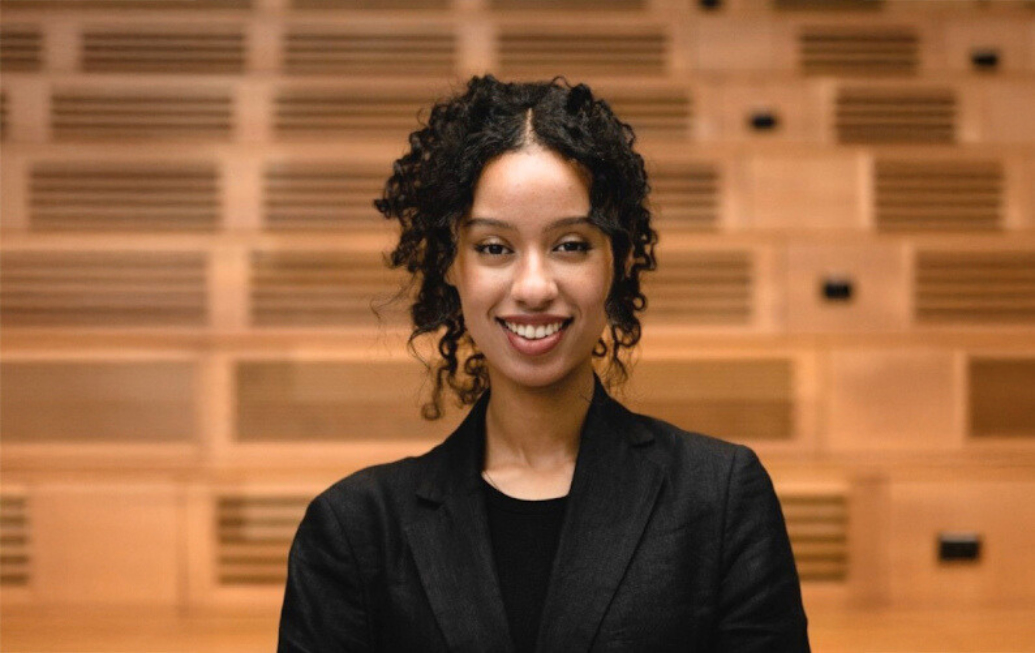
Ruth Nagassa
Doctor of Philosophy
Ruth Nagassa is a PhD student exploring practical interaction approaches to make 3D-printed models more accessible for people who are blind or have low vision.
With a background in developing 3D-printed anatomy models, her research focuses on integrating audio labeling and designing multi-part models to enhance interactivity in STEM education.
Ruth also served as the HDR representative on the Faculty’s Equity, Diversity and Inclusion Committee for over two years.
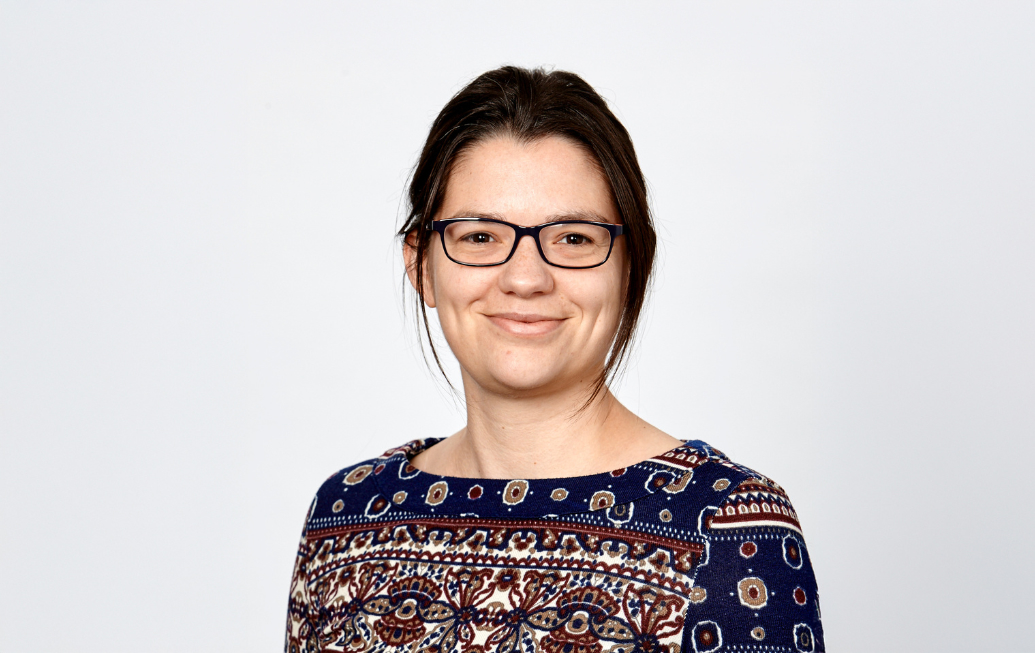
Dr Sarah Goodwin
Department of Human-Centred Computing
Dr Sarah Goodwin is a Senior Lecturer within Monash's Embodied Visualisation research group. She is passionate about helping to harness data more effectively for a sustainable future. Using human-centric approaches her research seeks to create visual solutions to enable the exploration and communication of complex, multi-dimensional and geospatial data sets.
Sarah's research looks to drive innovative, practical and feasible solutions which can have immediate impact. Her recent projects include:
- investigating information overload in energy network control rooms: presenting recommendations for future control room designs (with Australian Energy Market Operator / AEMO)
- developing novel visual exploration tools to explore smart energy grid data including Uplift - an immersive casual collaboration tool, Timetables - an embodied spatial-temporal view and Embodied Provenance - Active Proxy Dashboards - interactive dashboards using 3D buildings, and dashboards and large screen displays for microgrid visualisations.
- visualising disadvantage in Australia through analysing media and parliamentary discussions: Australia's Discourse Explorer (with the Paul Ramsay Foundation)
- developing the openly available visual eye tracking analysis software: Gazealytics (VETA and Gazealytics publications)
- visualising cancer prevalance and communicating geostatistical model uncertainty: Australian Cancer Atlas (with Cancer Council Queensland and Queensland University of Technology)
- creating MultiViz (Urban diversity) to enable the visual exploration of multiple variables on one map for social scientists and novel immersive and interactive visualisations including Tiltmap , DataDancing and Data as Delight.
Sarah is Director of Engagement for Monash's Human-Centred Computing Department, co-Director of Research for the Monash Grid Innovation Hub. She is a member of the Monash Energy Institute and Monash AI Institute and was previously the deputy IT for Sustainable Energy theme lead for Monash Faculty of Information Technology.
Sarah has over 20 years experience in the field of geospatial analysis and information visualisation in professional and academic roles; as a GIS technician, geo-data analyst, consultant and an academic researcher for some of the leading research centres for spatial analysis and visualisation around the world including the giCentre at City, University of London, UK; the g2Lab at HafenCity University, Hamburg, Germany, Geospatial Science Department at RMIT University, Melbourne and now with the Immersive Analytics Lab / Embodied Visualisation group, Monash University.
She is co-General Chair for IEEE VIS 2023, bringing the largest international visualisation and visual analytic conference to Australia for the first time. She runs two international workshop series on 'Energy Data Visualisation' (EnergyVis) and 'Urban Data Visualisation' (CityVis) and has been on various program committees including IEEE InfoVis and IEEE PacificVis.
Sarah has taught data visualisation to over 1000 students per year and supervises a long list of PhD, Masters and Honours students.
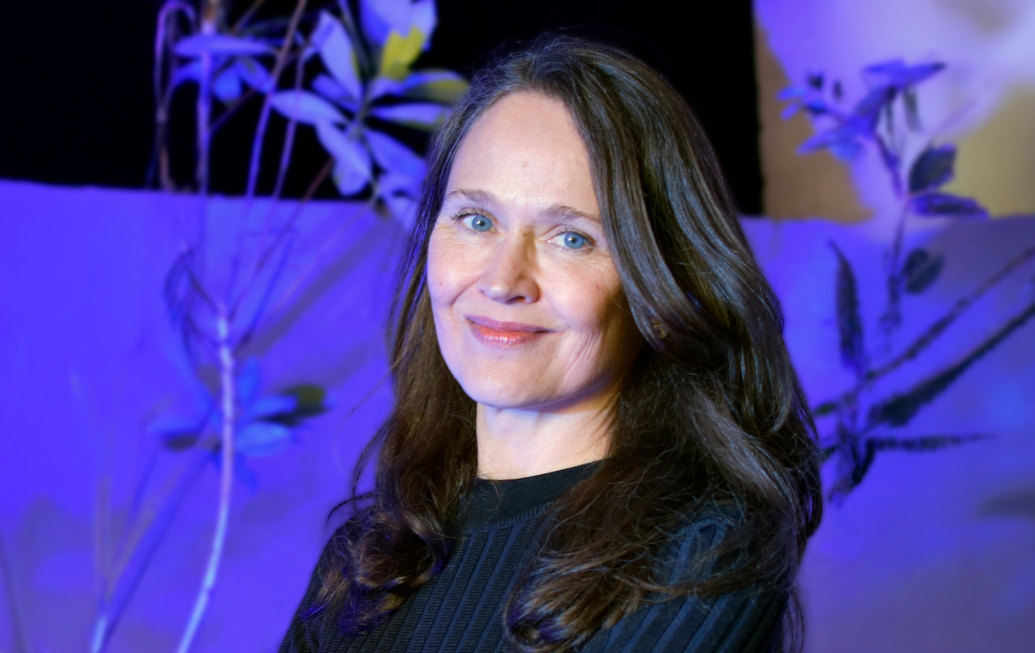
Professor Sarah Pink
Director, Emerging Technologies Research Lab
Sarah Pink is a an award winning design and futures anthropologist and documentary filmmaker, whose work is influential internationally both inside and beyond academia. Sarah is an Australian Research Council Laureate Professor, and has Honorary Doctorates from Malmo and Halmstad Universities in Sweden.
Sarah is currently Professor and Director of FUTURES Hub and the Emerging Technologies Research Lab at Monash, where she engages and innovates interdisciplinary and international research approaches to offer fresh perspectives and realistic future visions and foresight about the role of human futures in shaping digital and net zero transitions. She has a joint appointment across the Faculty of Art, Design and Architecture and the Faculty of Information Technology.
Sarah has over 25 years experiences of working with academic and industry research partners internationally and frequently gives keynote and public lectures in academic and business environments internationally.
She has published numerous academic books, peer referred journal articles and book chapters and directed several documentaries. Sarah is also known for her career-long focus on innovating new research and dissemination methodologies, and engaging design futures, digital, visual and sensory methods in interdisciplinary projects to engage with contemporary issues and challenges.
Sarah's research has been funded by national research councils in Australia, UK, Sweden, Norway and Spain, and the EU, and through industry partnerships internationally.

Professor Shonali Krishwaswamy
Associate Dean (Innovation)
Professor Shonali Krishnaswamy is a leading expert in AI, data science and tech commercialisation with over 20 years of experience across academia, research and industry.
She co-founded AiDA Technologies, an award-winning AI company acquired by Amplify Health in 2023, where she developed SMART CLAIMS, an AI-driven health insurance claims solution now processing 75 per cent of individual life health claims in Singapore.
Previously, she was Head of Data Analytics at A*STAR, Singapore, leading a 70-person R&D team on industry collaborations across finance, healthcare and aerospace. She has secured AUD 6.5 million in research funding and received multiple accolades, including an ARC Australian Postdoctoral Fellowship and recognition as one of Asia’s Top 50 Women Technology Leaders (2024).
A Monash alumna, she holds a PhD in Computing and has held academic roles at Monash and Swinburne.

Sophie Coppenhall
Doctor of Philosophy
Sophie Coppenhall is a PhD candidate exploring how galleries and museums can create desirable, shareable and equitable multimodal experiences for people who are blind or have low vision.
Her research takes a participant-led approach, focusing on embedding inclusivity into artistic encounters across cultural institutions. With a background in Art History and Journalism, Sophie’s work contributes to the interdisciplinary, creative and collaborative research conducted by Monash’s Inclusive Technologies Lab.
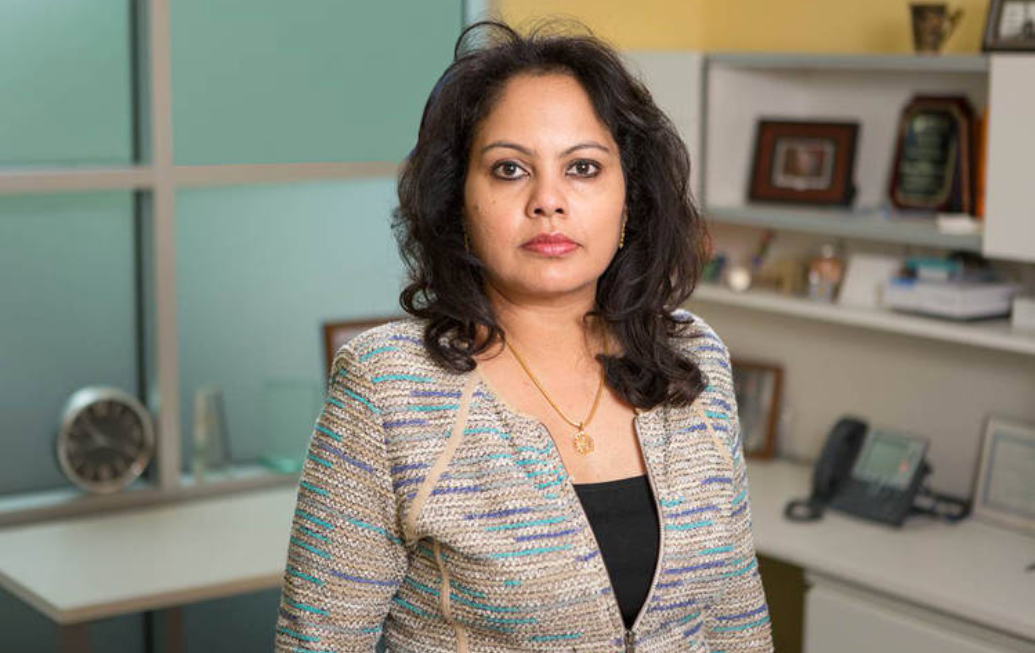
Suja Chandrasekaran
Master of Business Systems
In 28 October 2015, Suja Chandrasekaran was a keynote speaker at the Monash Engineering and Information Technology Graduation at Clayton Campus, Monash University.
With a Master of Business Systems from Monash University (1996), Suja has worked for some of the world's greatest organisations across Australia, Latin America, Europe and the US. Today, she is an influential and global change-agent in digital, technology, data, analytics and business process.
Suja is currently the Chief Information Officer at Kimberly-Clark in Dallas. Kimberly-Clark is world's leading Consumer Packaged Goods business with B2C and B2B models placing consumers at the center of its business.
Prior to this, Suja led global technology, data and analytics platforms for Walmart US, Sam's Club and Walmart International. Walmart is the Fortune 1 Company and the world's largest retailer with revenues of about USD 475 billion.
She also coaches Chief Executive Officers of technology start-ups in Silicon Valley, advising on digital marketing, ecommerce, mobility and analytics strategies.
Suja believes that 'managing data-enabled business models and interpreting data and analytics have become the central components to business differentiation over the last 3-5 years.'
In 2013, Suja was awarded 'IT Leader of the Year' by Temple University's Fox School of Business and was named as one of the 'Top 10 Digital and Technology Leaders' in the US by the Financial Times. She was also recognised as a 'Top 50 Diverse Executives of 2014' by Diversity MBA Magazine, and as one of the world's 'ICONIC Women Leaders in Technology' by Interop, Information Week in India.
But Suja is passionate about more than being one of the world's most respected 'deep technologists'. She is committed to driving change for female executives.
Suja supports Asian Women Leadership and leads several platforms to help develop women in Science Technology Engineering and Mathematics (STEM) disciplines. 'I want to help professional women in today's technology-driven business world carve new paths and make an impact,' explains Suja.
Looking back over her career, Suja believes her achievements so far have centred on the key influencers of data, business process and technology.
At Nestle (1997-2007), Suja held a number of positions including Director of Application Infrastructure and Director of Business Process Integration and Development. She then became Chief Information Officer (CIO) of Transformation when Nestle focused on standardisation of process, data and technology as a platform for growth.
Later in her career, Suja was Vice President and Chief Technology Officer for PepsiCo North America (2007-2010) and the CIO for The Timberland Company (2010-2012).
In addition to her postgraduate qualification from Monash University, Suja holds a Bachelor degree in Electrical Engineering from University of Madras (India) and has undertaken Executive Development education at London Business School.

Tilley Wong
Bachelor of Business Information Systems
In the rapidly changing environment of technology, nothing ever goes according to plan. For a natural organiser like Tilley Wong (BBIS(Hons) 2017), that's pretty tough. Now an IT Business Analyst at Australia Post, she strives to embrace change because the survival of the company depends on it.
"I've never had a day of work where everything pans out as expected," says Tilley. "A project's success requires resilience, adaptability, and a willingness to approach problems from different angles." She clearly welcomes this challenge.
"My work helps build the trust that all Australians should have in our postal service," Tilley explains. "I enjoy interacting with various business and technical people, and discovering the ins and outs of the 'IT project world'. And I'm surrounded by so many fabulous mentors encouraging me along the way." Tilley goes on to share an important learning around project and team success. "Everyone must learn to understand how others on the team think, act and communicate before the project can take off. Then work becomes a breeze!"
While at Monash, Tilley undertook a few different placements through the industry-based learning (IBL) program. The program required her to keep a daily log of what she'd learned on the job and how she was feeling about her progress. "I loved that this task became a form of reflection on how far I'd come from day one, in terms of maturity, understanding and skill level," she shares.
"Find a good mentor. Someone with whom you connect well, and with enough experience and time to support you in your IBL journey," recommends Tilley. "I'll never forget the valuable advice and lessons my mentors passed on to me."
Each year Australia Post holds a "Hack Dayz" hackathon where employees create digital solutions to meet customer needs in under 24 hours. Tilley has been amazed at the range of empowering innovations that have emerged. "One concept that stood out was using a virtual reality headset to shop an AusPost store," she beams.
Tilley feels lucky to be in a role at a company like Australia Post where she continues to learn every day and continues to become more and more adaptable. Change is not something to be feared - but something to be recognised as an opportunity and grabbed!
We can't wait to hear what Tilley does next.

Victoria Skrekovski
Bachelor of Information Technology and Bachelor of Commerce
Achievements:
- Faculty of IT Student Ambassador
- Women in IT Scholarship recipient
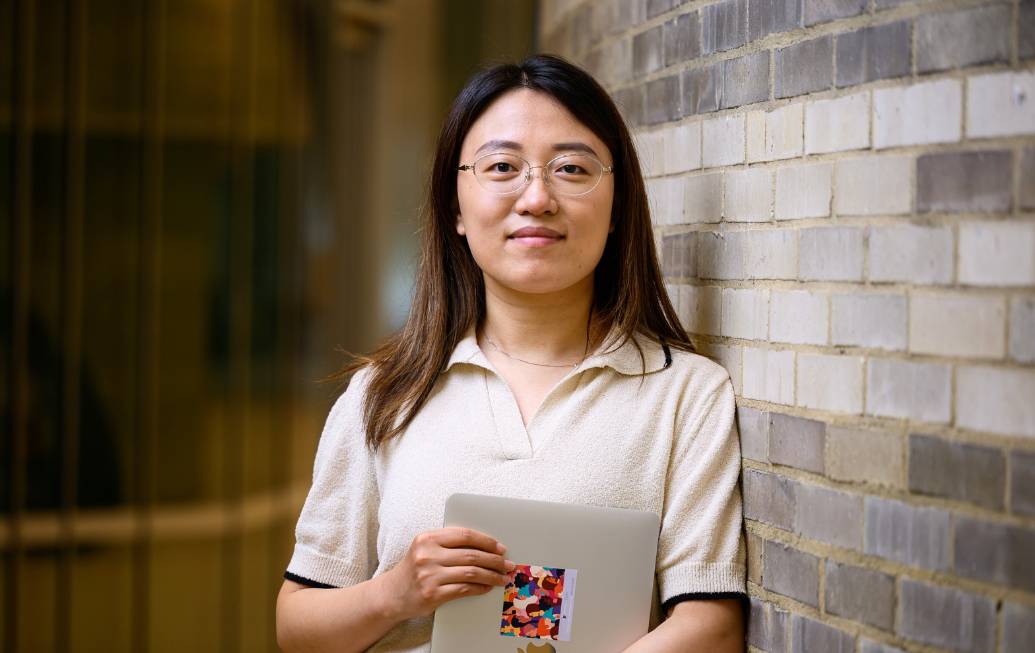
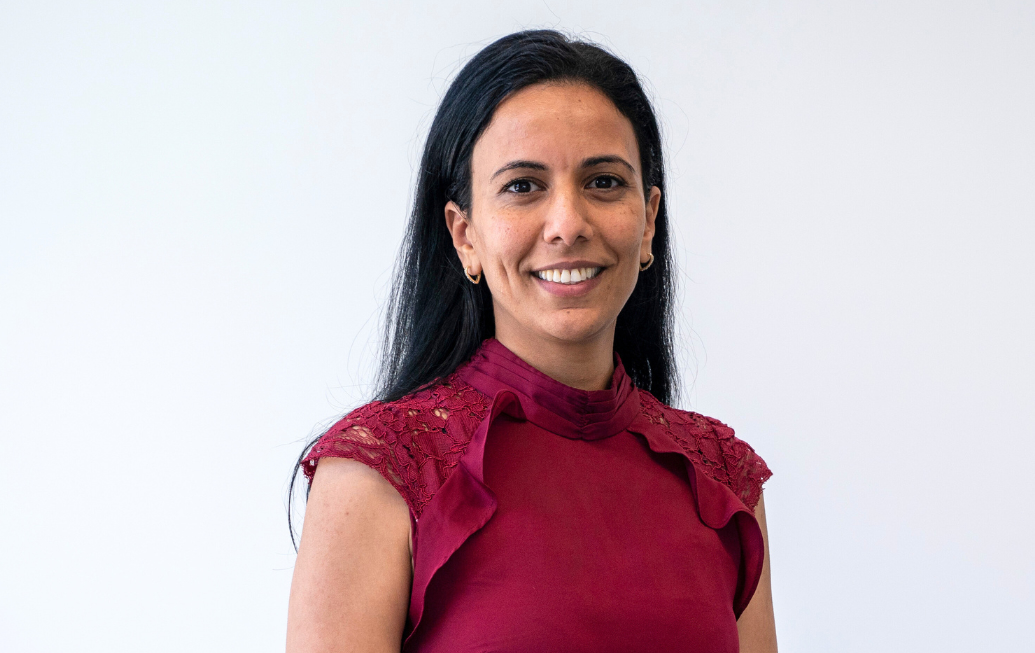
Dr Xiaoning Du
Department of Software Systems and Cybersecurity
Dr Xiaoning Du received her Ph.D. from Nanyang Technological University in 2020 and her bachelor’s degree from Fudan University in 2014. Her research is mainly focused on the security and quality assurance of both traditional software and intelligent software with learning-based components, which covers but is not limited to software testing, program analysis, vulnerability detection, and runtime verification.
Currently, she's quite interested in the DevOps of AI software systems, which aims to regulate the development and assessment process of AI-assisted solutions, support their post-deployment operation and guarantee trustworthy and sustainable AI services. Please check Xiaoning's personal webpage for more details.
Dr Yasmeen George
Department of Data Science and AI
Yasmeen is a Senior Lecturer with data science and AI department at Monash Faculty of Information Technology with over a decade of interdisciplinary research experience in AI for healthcare analytics. She is co-founder of the AIM for Health Lab at Monash IT and a research affiliate with the Victorian Institute of Forensic Medicine. She received her Ph.D. from the University of Melbourne in 2018 (Australia), Master of Computer Science (by research) in medical image analytics in 2013 from the University of Ain Shams (Egypt).
Yasmeen worked as associate lecturer and research fellow at the University of Melbourne, teaching data science related subjects and implementing AI-based solutions for event detection and social media analytics. Prior to joining Monash, Yasmeen worked as research scientist with IBM Research Australia focusing on the use of AI for retinal disease diagnosis and patient monitoring, deep reinforcement learning and interpretability in machine learning.
Her research focuses on the use of AI for automated medical image analysis for better management of various health conditions including, cancer (kidney, breast, skin, brain), glaucoma, psoriasis. She worked on various research projects in AI for automatic systematic reviews, cancer segmentation and classification, disease severity assessment and lesion detection using different data modalities (text, numerical, 2D images, and 3D volumes). Her research work is recognised through several research publications, 2 patents, several invited talks, and prestigious research grants including MRFF and NHMRC.
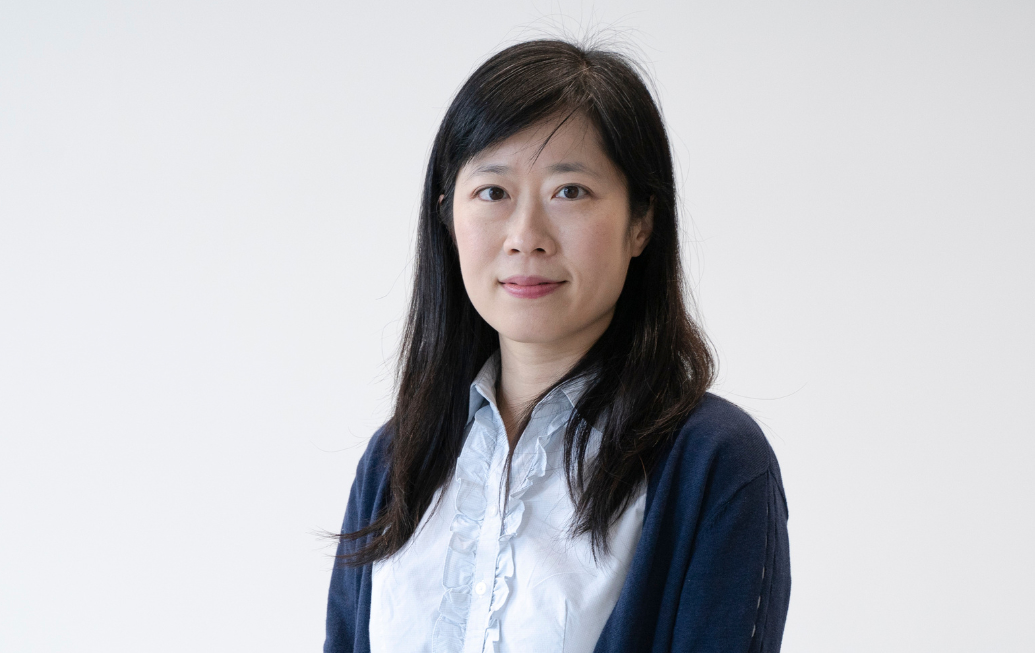
Dr Yi-Shan Tsai
Department of Human-Centred Computing
Yi-Shan Tsai is a Senior Lecturer in the Faculty of Information Technology and a member of the Centre for Learning Analytics at Monash (CoLAM). She is also a member of the Digital Education Research Group at Monash and an associate scholar of the Centre for Research in Digital Education and the Centre for Research in Education Inclusion and Diversity at the University of Edinburgh. Before the current post, she was a research associate at the University of Edinburgh (2016-2020) where she had a lead role on several multi-national projects, collaborating with a wide range of partners in Europe, Latin America, Asia, and Australia. She is particularly known for her achievements on an award-winning project, SHEILA (Supporting Higher Education to integrate Learning Analytics), which has informed policy development for learning analytics in over 200 higher education institutions around the world. During her time in Edinburgh, she was affiliated with the Centre for Research in Digital Education and was first based in the Moray House School of Education and Sport before moving to the School of Informatics. Yi-Shan holds a PhD and an MPhil degree in Education from the University of Cambridge where she focused her research on children's engagement with multimodal texts including picturebooks and comic books. Prior to working in the higher education context, she worked extensively with children aged between 9 and 15 as a school teacher.
Yi-Shan's current research aims to enhance learning, teaching, and educational environments with the adoption of digital and data technologies. In particular, she investigates social-technical issues and pedagogical implications around the use of data in education from multi-stakeholder perspectives. She is also interested in developing effective data-driven feedback and literacy based on educational theories and storytelling principles. As an interdisciplinary researcher, she has research expertise in areas including learning analytics, digital education, feedback, multimodal literacy, and reading cultures. Yi-Shan has participated as a PI or co-PI in over 10 research grants internally and externally funded grants totalling over AUD$10M.
Yi-Shan is a Fellow of UK Higher Education Academy (FHEA)(Advance HE) and an Honorary Fellow at the School of Informatics, University of Edinburgh. She has served as an executive member of the Society for Learning Analytics Research (SoLAR) since 2019. She is currently a Vice President of SoLAR and a co-Chair of the communication working group. During her service on the SoLAR committee, she started a podcast programme (SoLAR Spotlight: Conversations on Learning Analytics) and established the SoLAR ECR Grant Programme to support early career researchers.
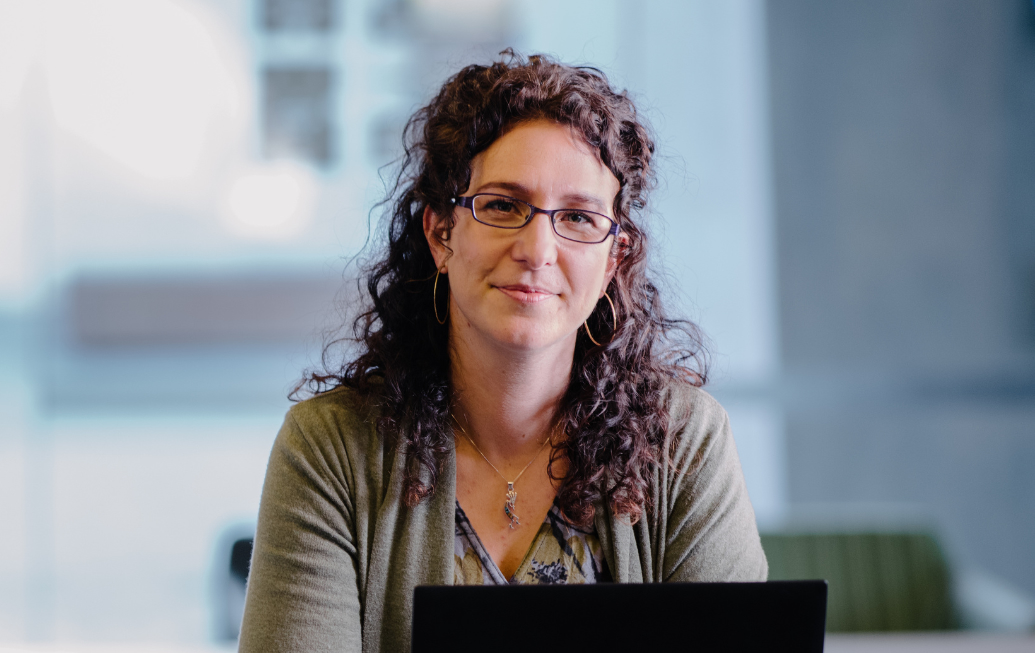
Professor Yolande Strengers
Director of Research, Monash Energy Institute
Yolande Strengers is a digital sociologist and human-computer interaction professor investigating the sustainability and inclusion impacts of digital and smart technologies, including emerging forms of AI. At Monash University, she leads the Energy Futures research program in the Emerging Technologies Research Lab, which undertakes critical interdisciplinary and international research into the social, cultural and experiential dimensions of the design, use and futures of new and emerging technologies.
Within the Faculty of Information Technology (IT), Yolande is the inaugural Associate Dean for Equity, Diversity and Inclusion. She is also an Associate Director (Consumers) at the Monash Energy Institute.
Yolande undertakes design ethnographic research to understand how people (and sometimes their pets) incorporate new technologies into their everyday lives and homes. Past and current partners include ANZ Bank, Ausgrid, AusNet Services, Energy Consumers Australia and Intel Corporation.
Yolande has published widely across the fields of sociology, geography, human-computer interaction design, media and communications studies, and science and technology studies. Her books include The Smart Wife (MIT Press 2020, co-authored with Dr Jenny Kennedy) and Smart Energy Technologies in Everyday Life (Palgrave McacMillan 2013). She holds a PhD from RMIT University (Social Science), a Masters in International Urban and Environmental Management (RMIT University), and a Bachelor of Arts (Deans Scholars Program, Monash University).