
New reserve plan could reshape domestic gas use
Historically, energy, food production and manufacturing have all depended on gas in different ways. But as Australia's energy system evolves, the role gas plays is changing too.
Australia has just locked in a domestic gas reservation policy, requiring major exporters to set aside 20 per cent of their exports for use here at home from July next year.
The aim is straightforward: ease pressure on energy prices and reduce vulnerability to global disruption.
The question is: how likely is it to have that effect?
For decades, gas-fired power stations have played a specific role in our electricity system: meeting short bursts of high demand in the morning and evening, and providing backup during heatwaves, cold snaps and other periods of stress on the grid.
These are known as 'peaking' periods.
Gas is also used throughout homes in South Australia for purposes such as heating and cooking.
But solar and batteries are increasingly electrifying our homes and smoothing out many of the demand spikes that once relied on gas-fired generation.
Batteries can store abundant, cheap solar energy during the day and release it within seconds when demand rises, helping stabilise the grid without burning any additional fuel.
Government incentives, including the Cheaper Home Batteries Program, which reduces upfront costs by around 30 per cent, have accelerated the shift and made battery storage more accessible for households and businesses.
The pace of change has been remarkable.
Australia now leads the world in battery deployment on a per-capita basis, with almost 350,000 small-scale batteries installed alongside our homes over the 10 months to April.
Here in South Australia there have been over 39,000 installations since 1 July 2025.
And across the entire east coast, power coming from batteries has tripled in the past year.
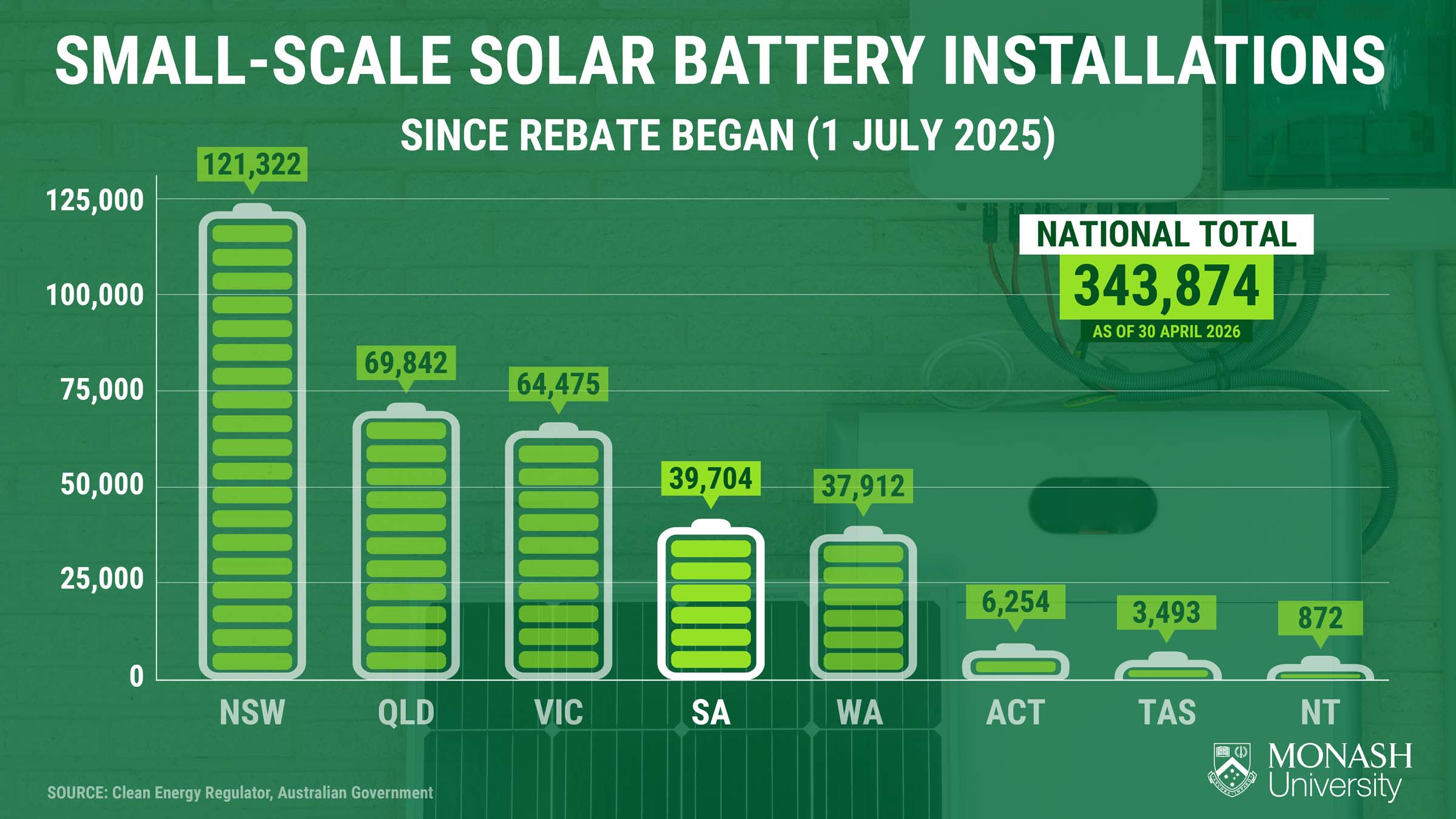
The result is a grid where gas is gradually being pushed out of its traditional role in electricity generation.
So if we'll need less and less gas to keep the lights on, why do we need to reserve more of it?
Reserving gas could mean that if there's a major gas price shock in the future we might be less exposed – but on the flipside, if our reliance on gas decreases, the benefit of being less exposed goes down.
However, there might be other reasons.
From power to production
Australia is the world's third largest gas exporter, yet much of the value created from that gas happens overseas.
The pattern is simple: we sell raw materials, other countries turn it into finished products, and we buy those products back.
For most goods, the system works well – it's more efficient, cost-effective and reliable than doing it all here at home.
Fertiliser is one example.
In the production phase, gas is used to make ammonia, one of the main building blocks of modern fertiliser.
Between 2019 and 2023, Australia imported close to 90 per cent of nitrogen fertilisers, and around 70 per cent of phosphate-based ones – both essential inputs for growing our food.
We used to make lots more fertiliser locally, but as imported fertiliser became cheaper, local production scaled down.
A similar story played out in plastics manufacturing, with gas-derived products used in food packaging, water pipes, irrigation systems and medical equipment predominantly made overseas.
And it's all smooth sailing until global supply chains come under pressure.
This year, conflict in the Middle East pushed fertiliser prices up around 60 per cent as shipping delays affected trade through the Strait of Hormuz.
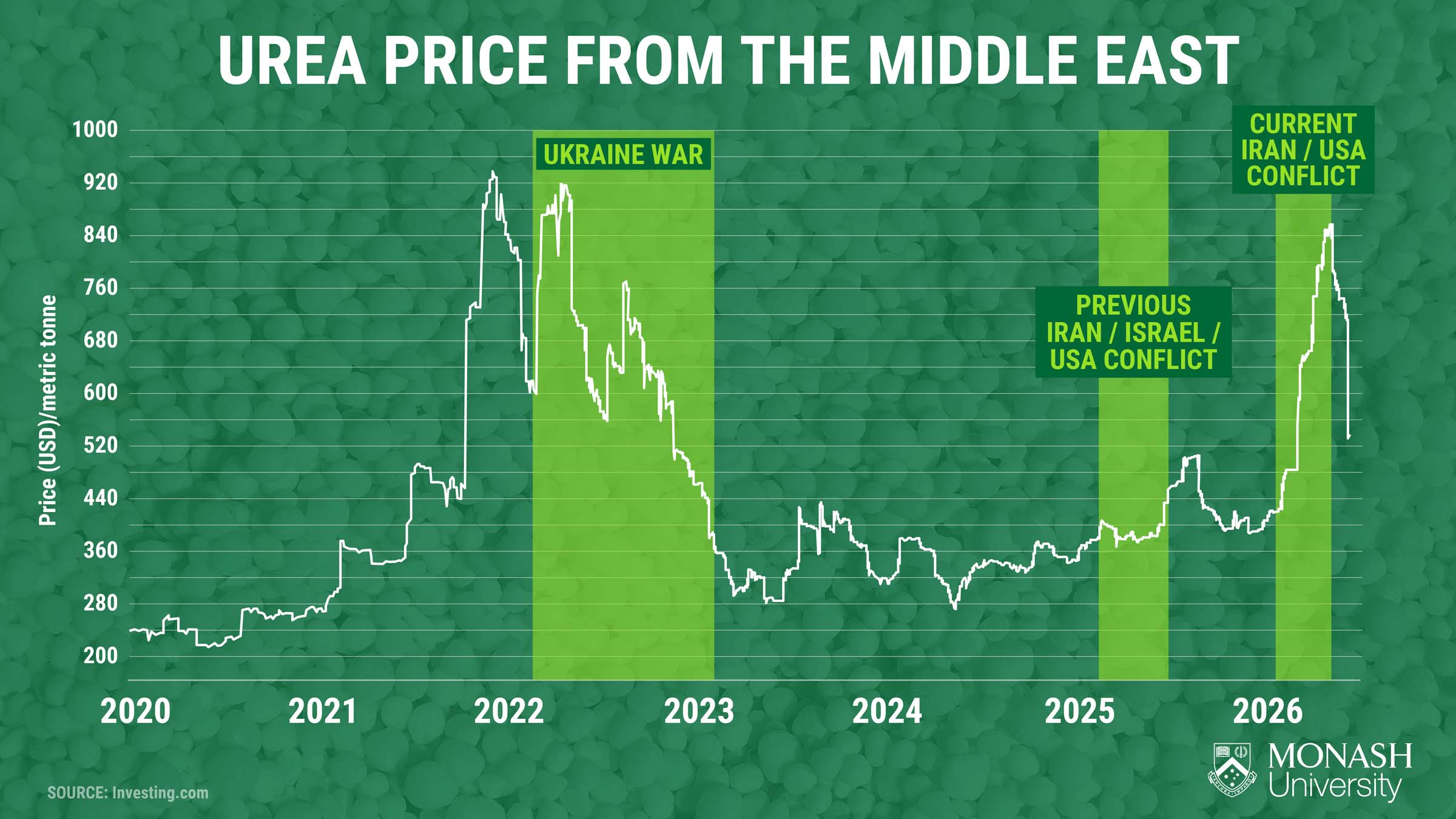
Farmers have largely absorbed those costs so far, but the longer the conflict lasts the more likely we are to see higher prices at the checkout.
The healthcare sector felt it too.
Gloves, syringes and sterile equipment – all plastic-based and difficult to substitute – also faced supply pressures and rising costs.
A buffer, not a silver bullet
Australia can manage short-term shocks, but when multiple sectors are squeezed at once the economic impacts can grow quickly.
That's one reason industry groups have supported the reservation policy.
Their argument is not that Australia should manufacture everything domestically, but that some products are important enough to warrant a more secure local supply chain.
However, reserving gas won't immediately mean that it's easier to manufacture or secure these products in Australia – other investment in processing and manufacturing will still be needed.
At the same time, gas is expected to play a smaller role in Australia's electricity system as solar, wind and batteries continue to expand.
So will the gas reservation policy be beneficial?
Only time will tell, but some of the core benefits are unlikely without supporting investment elsewhere.