
Gas on the chopping block for kitchens across Australia
From five star restaurants to family dinners, induction cooktops are taking over kitchens nationwide. With faster cooking, cleaner air, and lower bills, it's no surprise Australians are going electric.
From Australian TV favourites Adam Liaw and Poh Ling Yeow, to Rockpool founder Neil Perry, Quay's Peter Gilmore and Silver Spoon's Victor Liong, some of the country's most acclaimed chefs are championing induction cooktops.
And they're not alone.
Danielle Alvarez, Christine Manfield and Dan Puskas are among a wave of big names to join the Australia-launched Global Cooksafe Coalition, advocating for all-electric kitchens both in restaurants and at home.
Across the country, an increasing number of venues are proving that induction can handle the heat in the kitchen.
Here in Queensland for example, Italian steakhouse Establishment 203 is just one renowned restaurant already cooking without gas.
But the shift isn't just about fine dining flair.
Rising gas prices, health concerns, and the push to cut household emissions are driving more Australians to consider making the switch – and seeing it succeed in top-tier kitchens gives home cooks confidence that induction really works.
Why chefs love induction
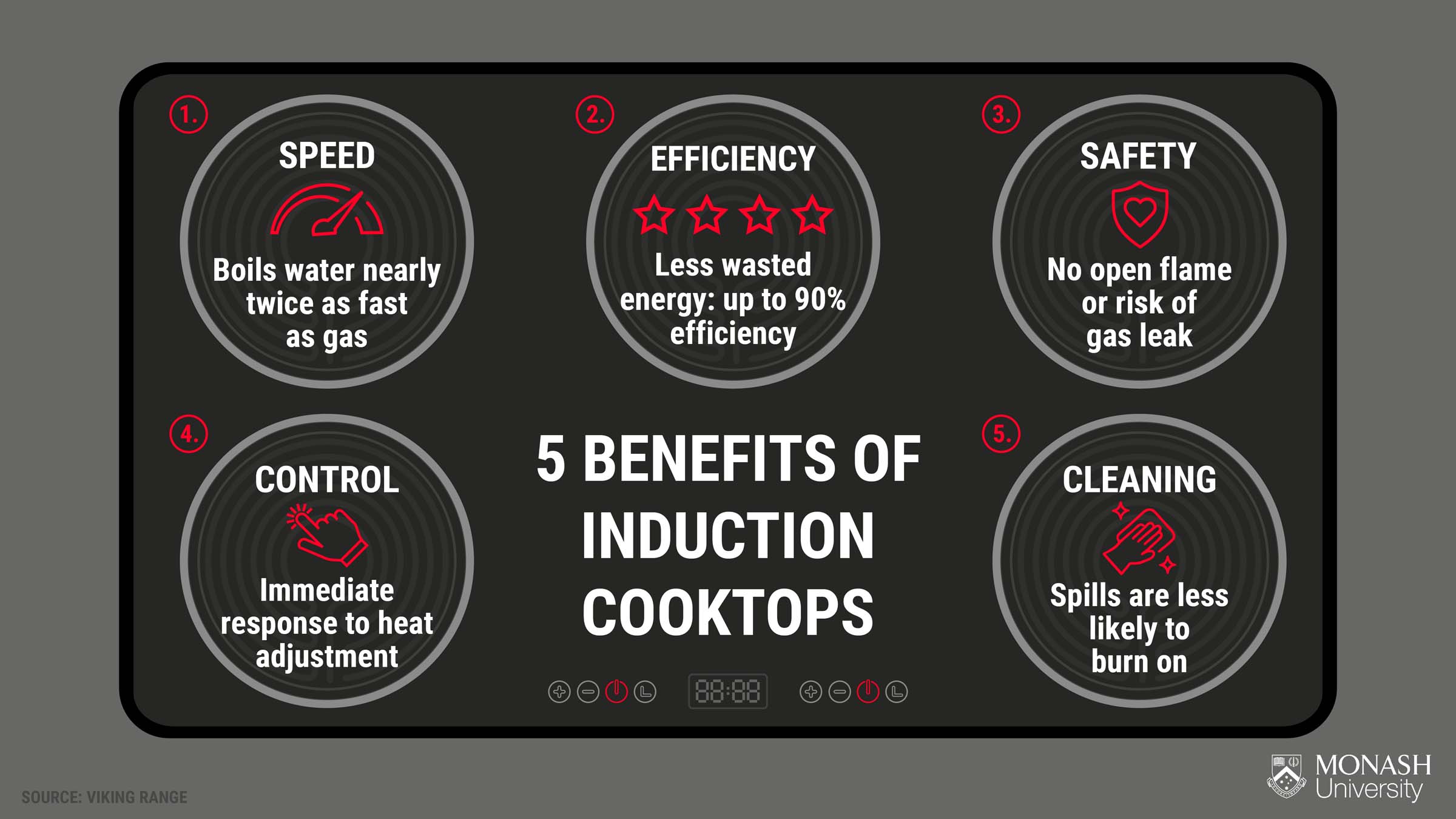
For chefs, the appeal comes down to speed, precision, and safety.
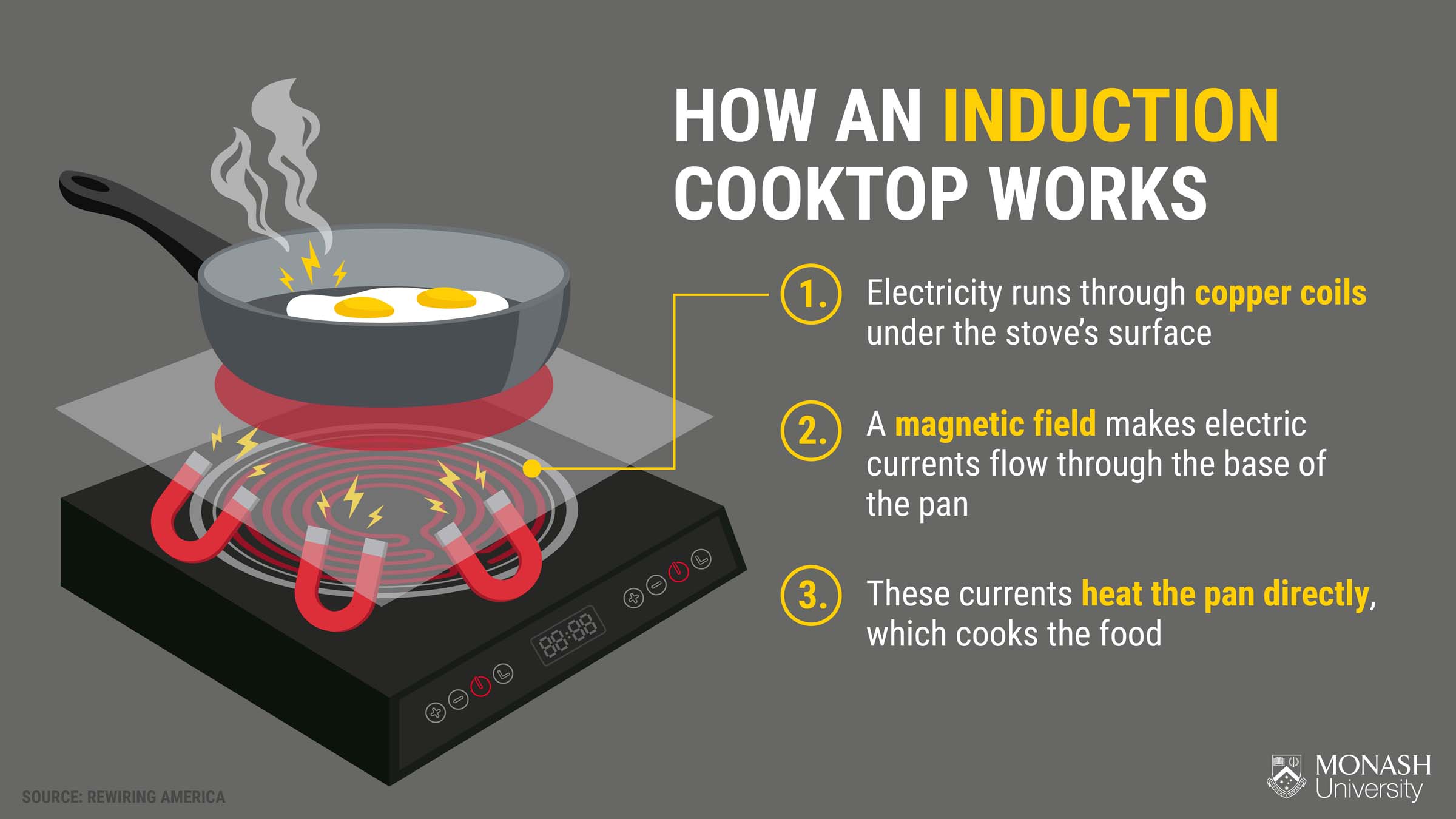
Induction stovetops heat pans directly through magnets, boiling a litre of water nearly twice as fast as gas.
No flames also means no grease fires, and no gas means no chance of a dangerous leak, reducing risks in busy kitchens.
And because most of the heat is transferred into the pot, kitchens stay cooler too.
With climate change driving rising temperatures across Australia, turning down the heat isn't just for comfort – it's a necessity.
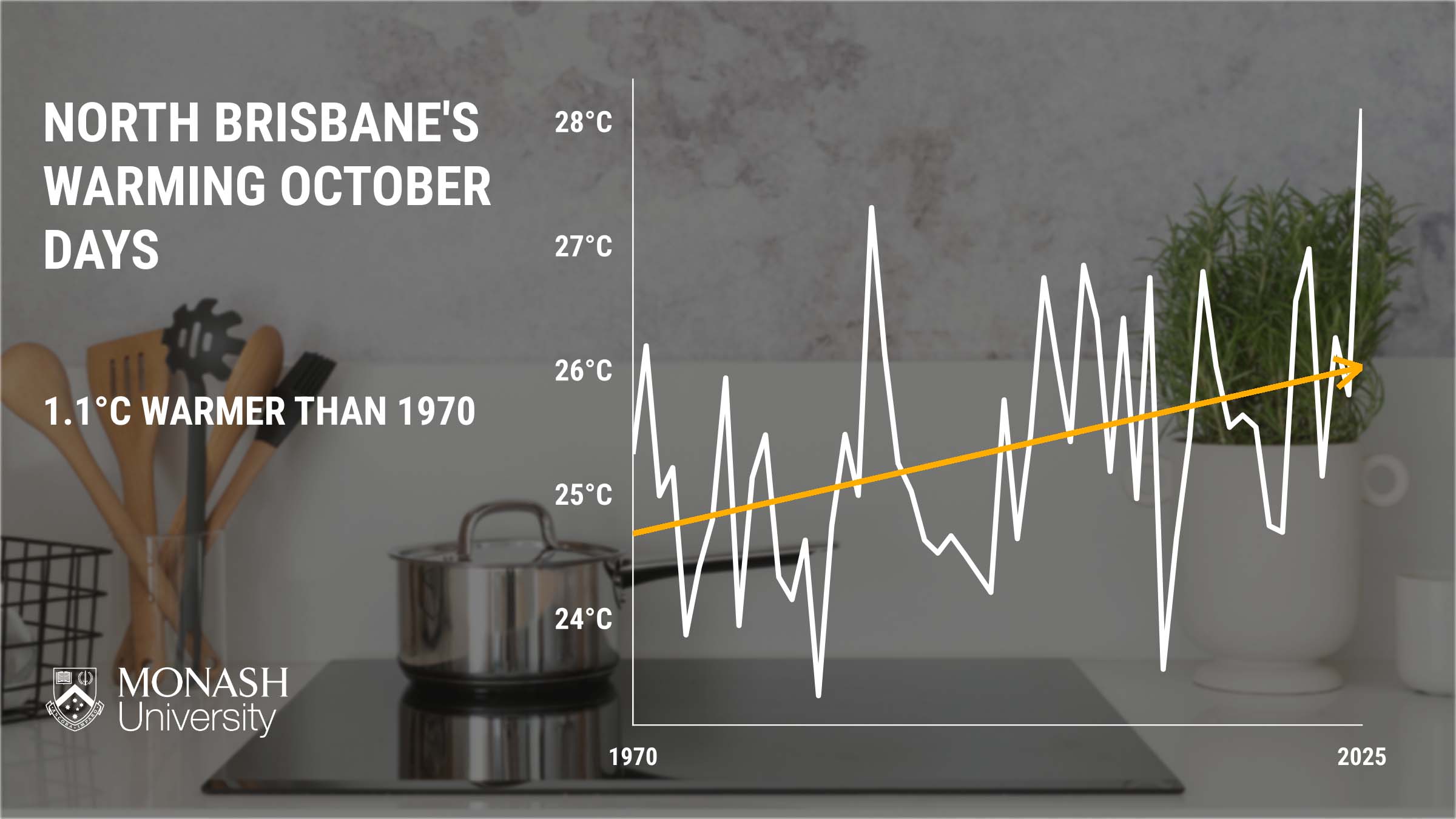
Here in north Brisbane the average October day is now around 1.1C warmer than 55 years ago.
This makes energy-efficient appliances like induction cooktops a practical way to adapt to hotter conditions and limit further warming.
Savings galore
Induction is also superior when it comes to efficiency.
This is because energy is directed straight into the base of the cookware, with up to 90 per cent efficiency compared with around 50 per cent for gas.
Less wasted energy means lower running costs, especially as gas bills climb.
Cookware compatibility
One of the most common questions from households is what cookware to buy.
Induction requires magnetic pots and pans – stainless steel and cast iron work well, but copper and aluminium do not.
There are two easy ways to check:
1. Look for an induction symbol (a coiled spring) on the cookware base or packaging
2. Place a magnet at the bottom of your cookware: if it sticks firmly, it's induction-compatible
For renters or the induction-curious, portable induction stoves start at around $50, and can be a great way to try before you buy.
Going electric
Households don't have to do it alone.
The Federal Government's Household Energy Upgrades Fund helps cover the cost of energy-efficient appliances like induction cooktops, making the switch more affordable.
So whether you see cooking as therapy or a daily chore, there's now more reason than ever to rethink how we heat our pans.
With health, climate, and cost benefits stacking up – and top chefs proving it works at the highest level – induction is quickly becoming the future of the kitchen.