
Mitochondrial disease and mitochondrial donation
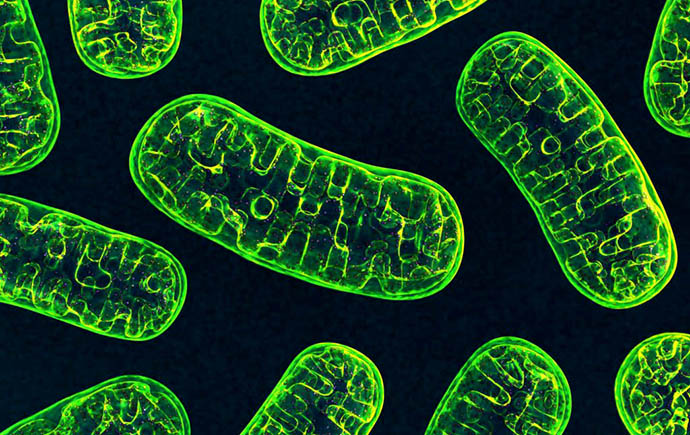
What are mitochondria?
Mitochondria are small structures inside most of your body’s cells. They are sometimes called the ‘power-houses of the cell’ because they generate more than 90% of the energy in your cells.
What are genes?
Genes are the instructions for building your body, and they tell your body how to work. They determine things like your eye colour, your height, or your chance of having a health condition. Each of your genes are made up of long strands of a chemical code called DNA, which is stored in the nucleus of your cells.
Your mitochondria also have a small number of their own genes, different to the genes in your nuclear DNA. Mitochondrial genes only affect the production of energy, and do not contribute to the characteristics (like appearance) that make you unique.
What is mitochondrial disease?
Sometimes changes in your genes can disrupt the normal function of genes and cause health problems. These are called genetic variants and can also happen in mitochondrial genes, and sometimes the mitochondria may not be able to function properly. This can cause problems with energy production and can cause several disorders known as mitochondrial disease (mito).
When the mitochondria are not working properly, cells don’t have enough energy and they begin to die. When too many cells die, whole organ systems can fail, which can be life-threatening.
Current treatments for mitochondrial disease aim to decrease the impact of symptoms, but there is no cure.
How do people get mitochondrial disease?
Women can carry affected mitochondria in their cells and pass these on to their children. This can cause serious disease, even if the mother only has mild symptoms – or even no symptoms at all.
What is mitochondrial donation?
Mitochondrial donation is an experimental assisted reproductive technique that offers hope for families with certain forms of mitochondrial disease to have healthy children of their own. The technique involves taking the nuclear DNA (that makes you unique) out of the intending mother’s egg and putting it into a healthy donor egg (which has had its own nuclear DNA removed). Because the nuclear DNA from the intending mother is transferred, the child will have the genetic information of their parents and only the healthy mitochondria from the donor egg.
In March 2022 the Australian Parliament passed the Mitochondrial Donation Law Reform (Maeve’s Law) Bill 2021 after a robust debate and conscience vote in both houses of parliament. Learn more on the NHMRC website.