
Meet the team: mitoHOPE's clinical embryologists
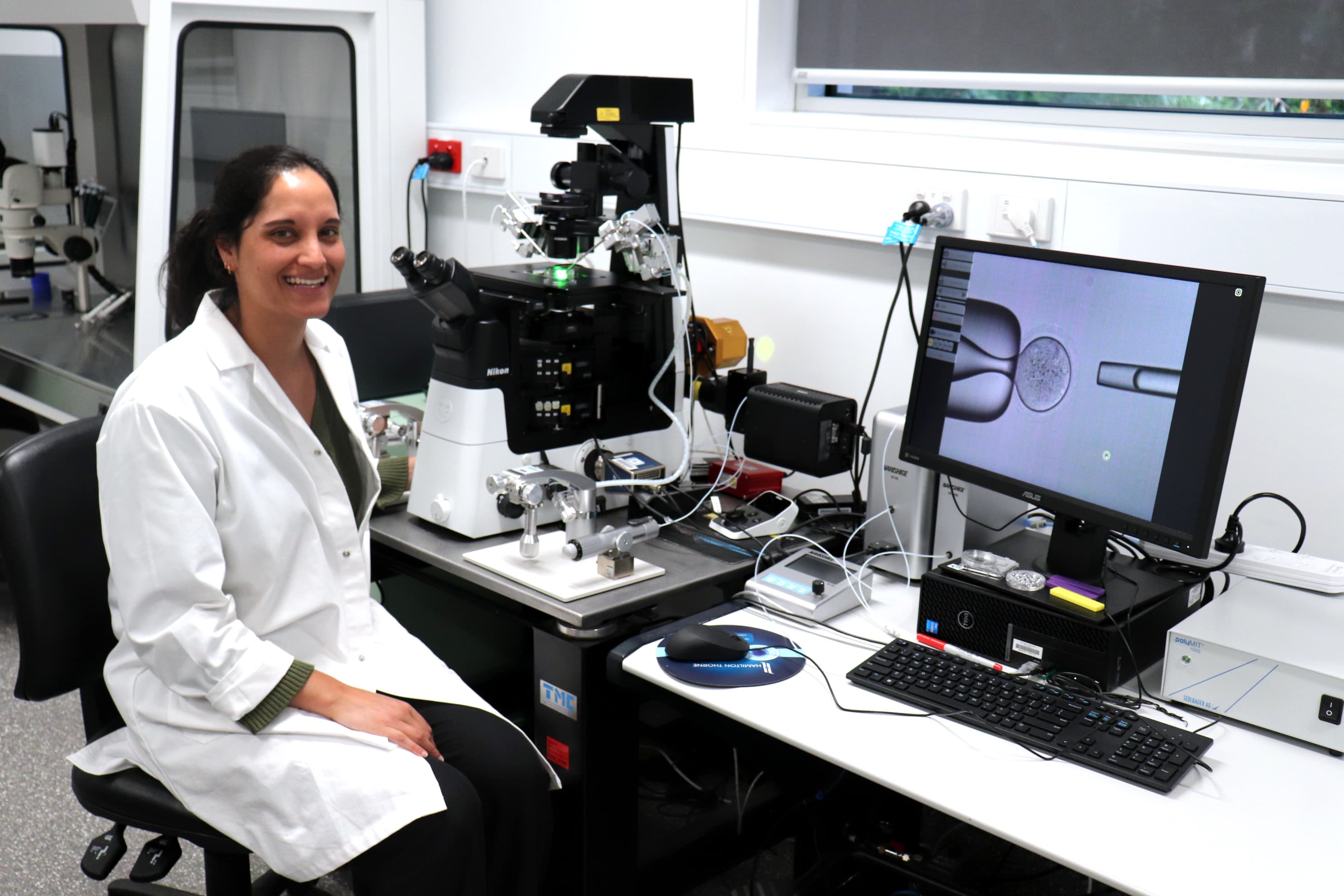
The mitoHOPE Program is proud to include a team of exceptionally talented embryologists. They work across a range of IVF laboratory procedures including egg collections, insemination of eggs, egg and embryo freezing, and embryo transfers.
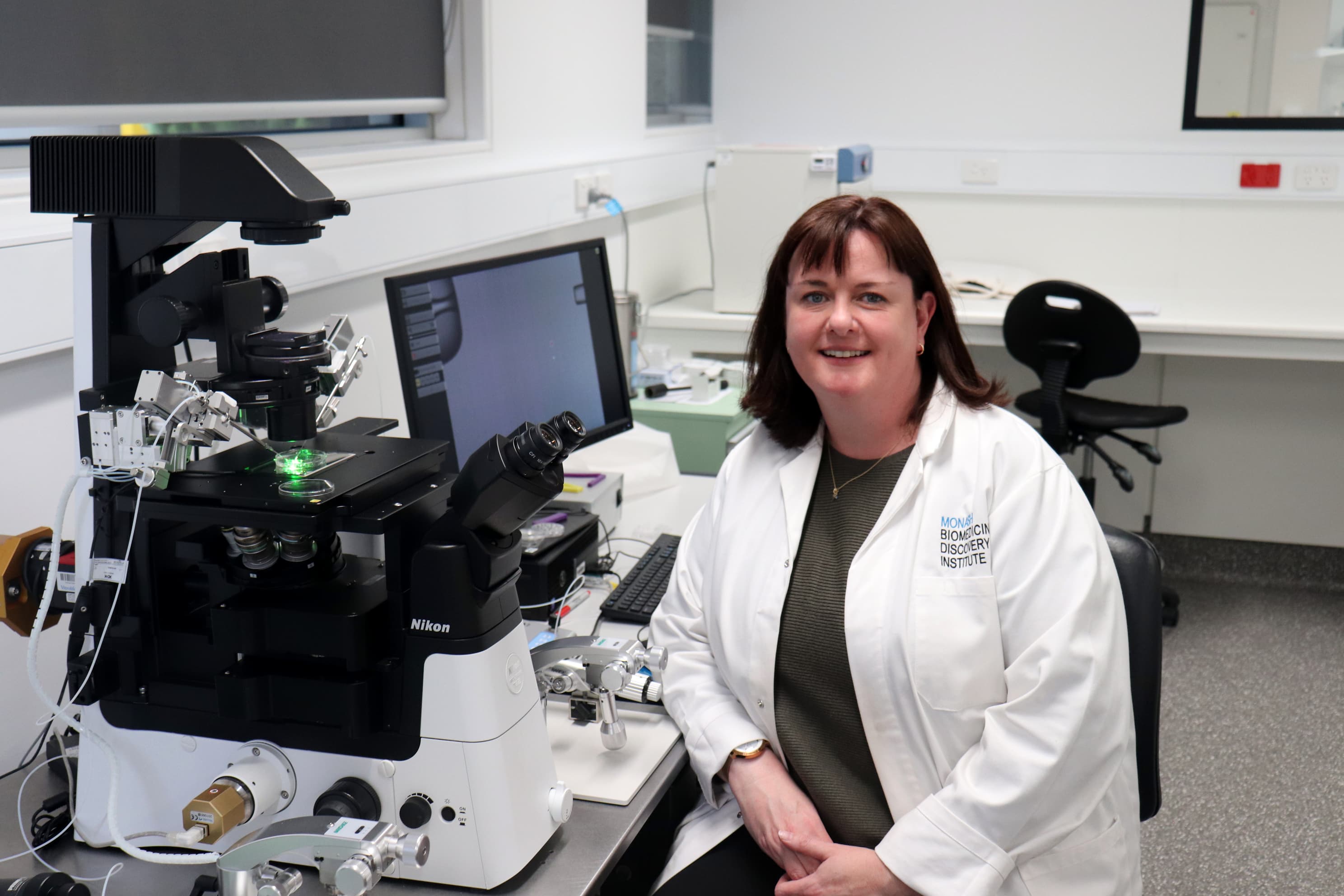
mitoHOPE clinical embryologists Melissa and Tegan will lead the introduction of mitochondrial donation techniques in Australia. They will first train on eggs donated to the mitoHOPE program and then progress to working in the clinical environment.
What is clinical embryologists’ role at mitoHOPE?
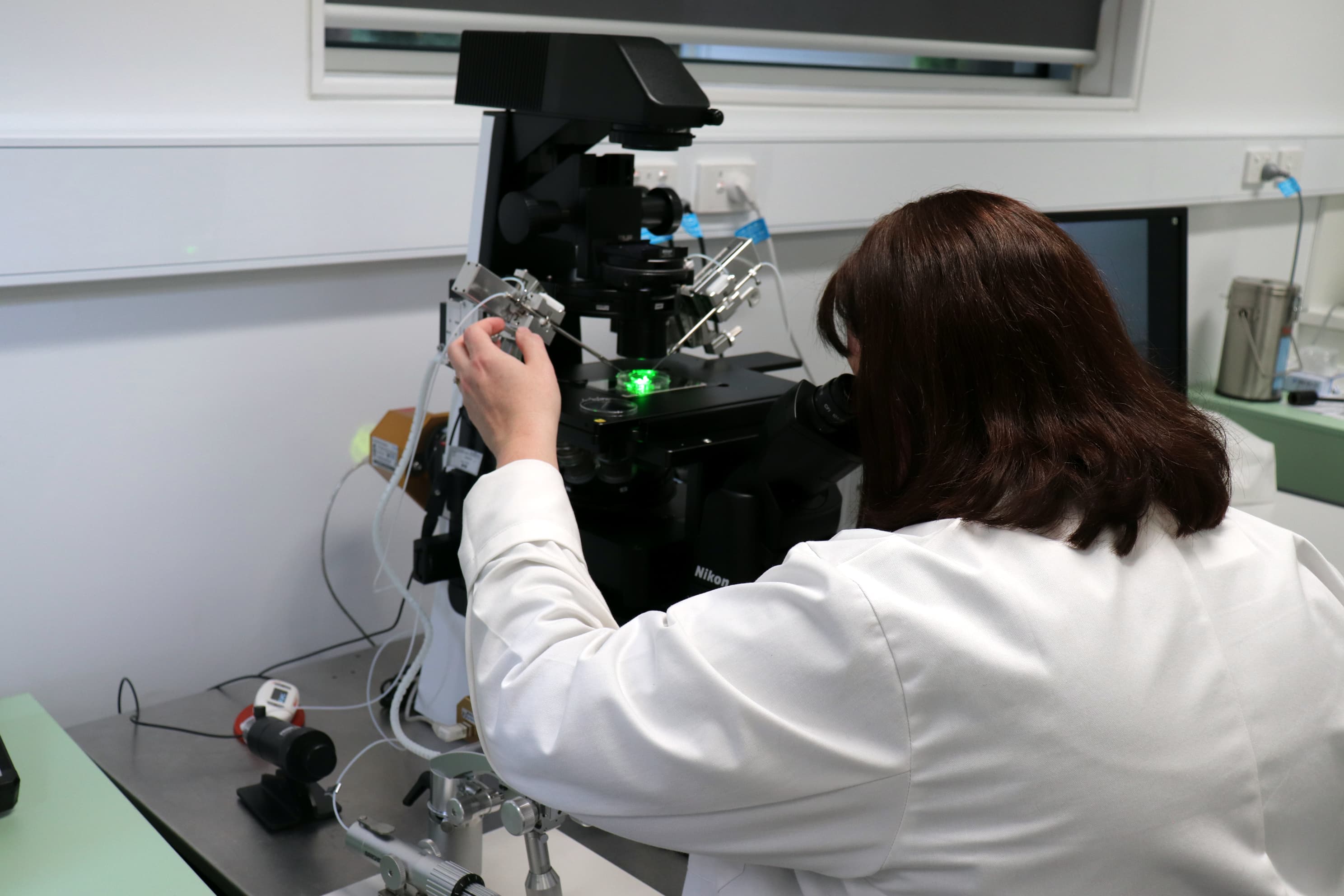
Melissa: I am one of the two designated embryologists from Monash IVF who have been selected to perform the mitochondrial donation techniques as part of the mitoHOPE Program. This aims to help patients from the mito community achieve their dream of having their own healthy offspring.
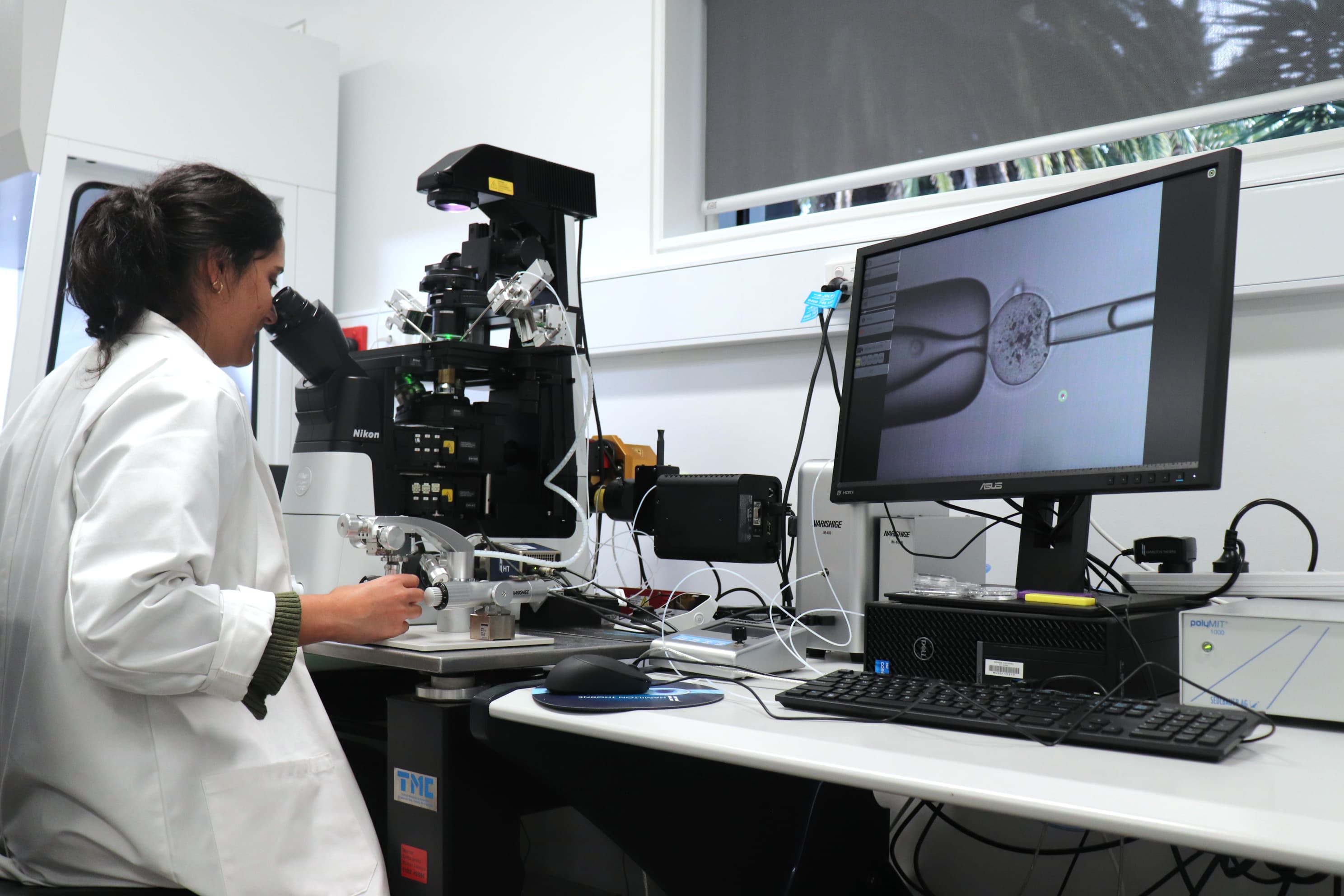
Tegan: My role at mitoHOPE is to do the actual mitochondrial donation procedures in the laboratory. My colleague Melissa and I are currently training on the procedures in mouse eggs to prepare for the preclinical trial in human eggs.
What does an embryologist do?
Melissa: We perform all duties including egg collections, preparation of the sperm, insemination of the eggs, embryo assessments, embryo transfers and embryo freezing. A large part of our role is also to interact with patients and keep them updated on their embryos and their development during the process.
How do you become an embryologist?
Tegan: Everyone has a different pathway, but you generally need an undergraduate science degree (usually biology-based). Most embryologists have higher qualifications such as honours or master’s degrees in clinical embryology or reproductive science.
Melissa: Following the completion of my science degree I was unsure of the direction that I wanted to take. I received a letter from Monash University advising that they were just starting a new course - the Masters of Clinical Embryology - and they were looking for interested students. My application was successful and my love of all things embryology developed from there.
What inspired you to become an embryologist?
Tegan: I have always been interested in science – especially developmental biology and genetics. Towards the end of my undergraduate degree a close family member was going through IVF. I was intrigued by her journey through this process and thought it would be an interesting and rewarding career to pursue.
Was there a particular moment when you knew that this was the right career for you?
Tegan: I don’t believe there was a specific moment, however interacting with patients who are so excited to have a baby made me realise how much of an impact we have on people’s lives. I also enjoy watching the embryos develop into beautiful blastocysts – it’s quite magical to see.
Melissa: I think that I released straight away that this was the perfect combination of science and patient interaction for me. I knew that that I was able to assist patients in becoming pregnant and having their own children while still getting the thrill out of the science and the highly skilled techniques that we perform in the lab each day. Seeing an egg that I inseminated under the microscope become a beautiful embryo ready for transfer is really the best feeling.
What does a typical day at mitoHOPE look like?
Melissa: Tegan and I are currently spending our time at Monash University learning and perfecting the mitochondrial donation techniques using mouse eggs. Our day is spent at the microscope practicing the techniques and fine tuning the protocols to achieve the best results. Once the human licence is received, we will transfer what we have learnt across to human eggs to achieve the levels of competency required for the clinical trial.
What excites you about the mitoHOPE Program?
Tegan: I’m excited by the prospect of helping families affected by mitochondrial disease to have their own biological children. It is a wonderful program that will have a meaningful impact on people’s lives. I’m looking forward to getting started on clinical cases!
Melissa: To know that this is really cutting-edge science is a thrill, but it is also the fact that this technology will truly help couples have healthy children of their own when there were previously no other options. We are blessed to be able to assist these people achieve their dreams of parenthood.
If you didn’t become an embryologist, what other career might you have chosen?
Tegan: Growing up I really wanted to become a vet. Always something that combined both science and helping people (or in this case, animals!).
Melissa: I was always fascinated by forensic medicine and had dreams of being a pathologist. The process of performing an autopsy to determine a cause of death is like solving the ultimate complex puzzle.