
What to expect in your child’s first year at Monash
What to expect in your child's first year at Monash
What to expect | Learning method | Flexibility and responsibility | Teaching staff | Assessment | Support services | Finding balance | Providing support | Their Monash journey
Starting university is a significant step – for your child, and for you as a parent or guardian. It marks a shift toward greater independence, new ways of learning, and new social environments. It’s an exciting time, but it’s also completely normal and understandable to wonder how your child will adjust and what their day-to-day experience will look like.
At Monash, the first semester, and particularly during Orientation Week, is designed as a supported transition for new students. While students are encouraged to take ownership of their learning, they have guidance and access to a robust network of academic, social, and well-being support systems.
Here’s what you can expect as your child begins their first year.

A new approach to learning
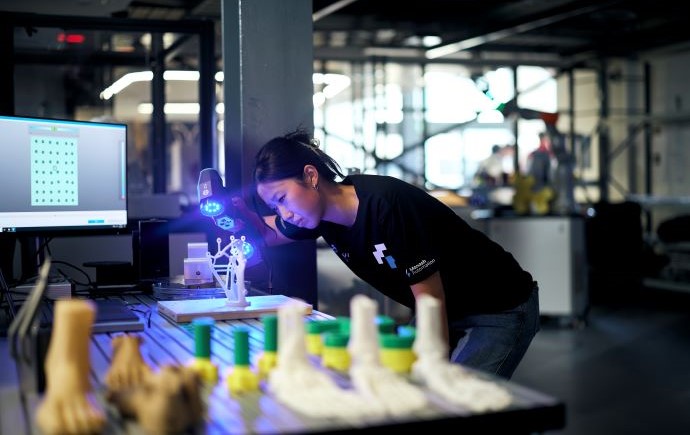
One of the biggest differences between school and university is how students learn. At Monash, your child will still attend lectures and tutorials, but a significant portion of their learning happens independently. They’ll be expected to:
- Read and engage with material outside of class
- Think critically about ideas and concepts
- Take initiative in managing their study
As a general guide, students should plan for around two hours of independent study for every hour of class time. While this is a shift, it’s a purposeful one. It helps students build lifelong skills like independence, discipline, critical thinking and time management; skills that are highly valued beyond university.
Greater flexibility and responsibility
University timetables are typically more flexible than school. Depending on their course, your child may have around 12-15 hours of scheduled classes each week, with additional time for study, work, or social activities.
This flexibility allows students to shape their own routine – but it also means they need to manage their time effectively. Developing these habits early is an important part of a successful transition.

A different relationship with teaching staff
University learning environments can feel quite different at first. Lectures, particularly in first year, may include large groups of students. Tutorials and workshops, however, are smaller and more interactive, giving students the opportunity to:
- Ask questions
- Engage in discussion
- Work more closely with tutors and peers
Academic staff are approachable and available through consultation times, and students are encouraged to seek help, ask questions and actively engage in their learning.
Assessments that build real-world skills
Assessment at university is designed to develop key skills like critical thinking, communication, research, and problem-solving – transcending traditional tests and exams. Your child may complete:
- Essays and reports
- Group projects
- Presentations
- Case studies or practical assessments
Over time, students will be expected to analyse complex ideas, construct evidence-based arguments, and engage with different perspectives. They’ll also learn academic conventions like referencing and evidence-based writing, which serve as important foundations for both academic success and future careers.
Structured support in first year
While university encourages independence, your child will be supported from the very beginning. Key first-year supports include:




Helping your child find balance
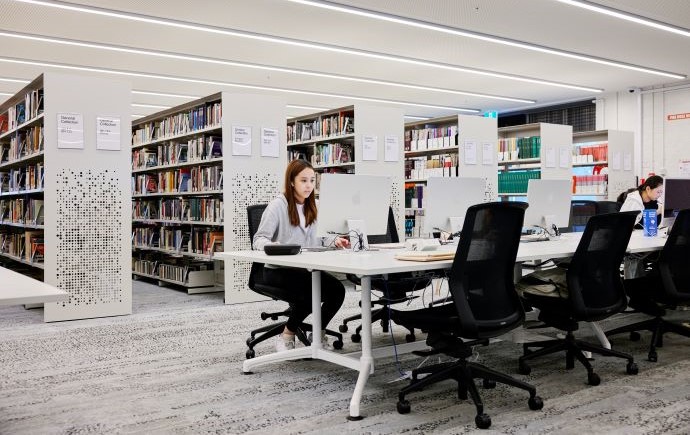
The transition to university isn’t just academic, it’s personal and social as well. Encouraging your child to find balance is key. This includes:
- Maintaining consistent study habits
- Making time for rest and wellbeing
- Building social connections
- Getting involved in campus life
Students who feel connected and supported are more likely to thrive both academically and personally.
How you can support your child
Your role as a parent continues to be important during this transition. You can support your child by:
- Encouraging independence while being available for guidance
- Having open conversations about expectations and routines
- Supporting them to stay organised and manage their time
- Reminding them that it’s okay to ask for help
It’s a period of adjustment, and reassurance from home can make a meaningful difference.
A strong foundation for what comes next
First year as an undergrad at university is a time of change, but it’s also where everything begins. It’s where your child starts to build confidence, develop new skills, and shape their university experience.
At Monash, they’ll be supported every step of the way, with access to a connected community, dedicated support services, and world-class learning environments. They’ll learn from outstanding educators and researchers who are tackling the challenges of today and tomorrow – so when your child graduates, they’ll feel prepared to make their mark.