
News and Events
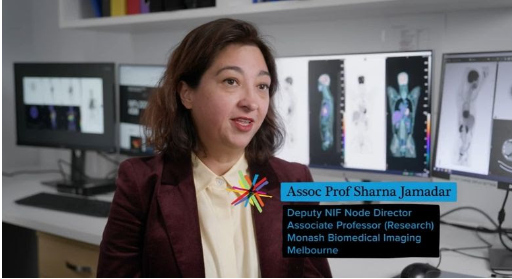 | Total-body PET: turning imaging innovation into patient impact 19 August 2026 NIF features in Science & Technology Australia (STA) new series "Ideas to Impact". Focussing on just one of the many inspiring areas of work that NIF Scientists and users take part in: Total body PET and the role of national research infrastructure in turning advanced imaging research into practical health outcomes. |
 | Largest study of ‘baby brain’ reveals that new parents are as astute as non-parents 29 May 2026 The largest and most comprehensive study of memory and cognition in new parents has found no evidence for 'baby brain' in mums and dads. In a study published in the journal Cortex, and led by PhD candidate Navyann Siddiqui and Dr Kelsey Perrykkad from the Cognitive Neuroimaging Lab at the Turner Institute for Brain and Mental Health, researchers examined cognitive differences in 150 birth-giving mothers and 150 non-birth-giving fathers up to two years after their baby's birth. |
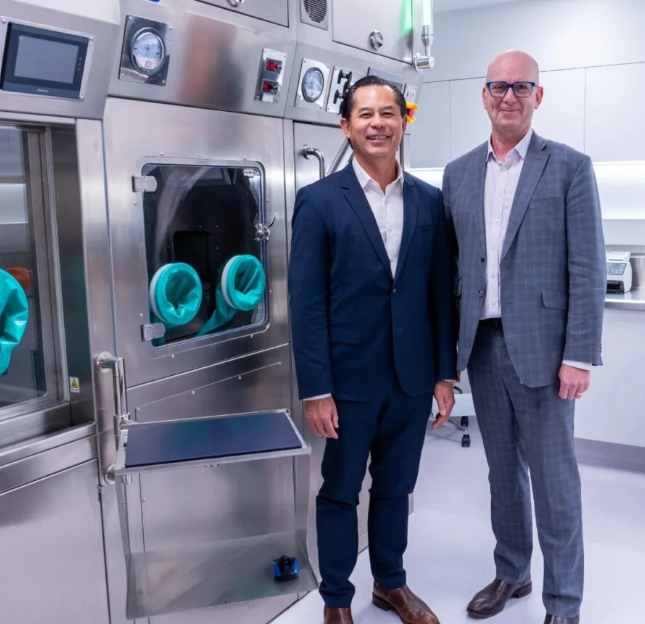 | Transforming cancer immunotherapy through real-time imaging 30 April 2026 Monash University and The Alfred today announce the launch of The Australian Cancer Research Foundation Centre for Dynamic Immuno-Oncology (CDIO) to tackle major challenges in cancer immunotherapy by better understanding how a patient’s immune system responds to treatment. |
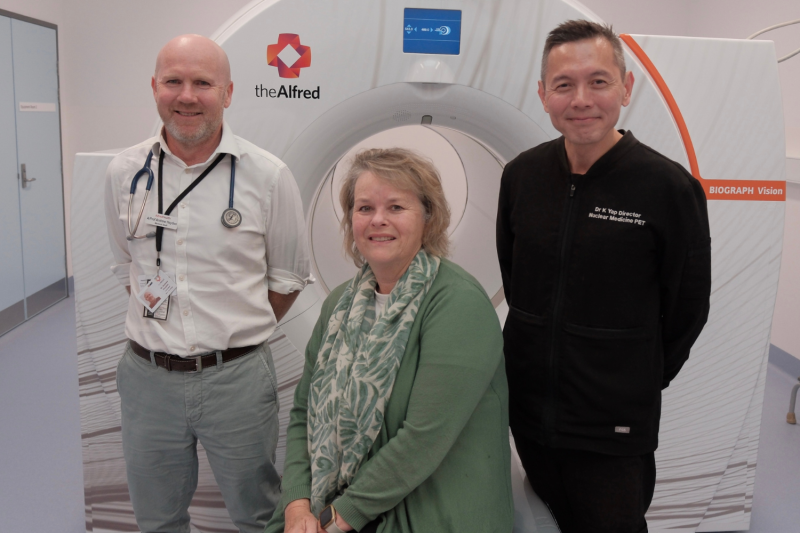 | World-leading scanner is a gamechanger for patients and research 9 February 2026 The new total-body Quadra PET scanner is making a significant difference for patients requiring regular scans. Scans that previously took more than 35 minutes can now be completed in under 10 minutes, while providing more precise information with lower radiation. The scanner allows clinicians and researchers to continue lifting the bar in cancer diagnosis and treatment. |
 | Sharper, faster MRI imaging arrives at Monash Biomedical Imaging 4 December 2025 Monash University and the National Imaging Facility launched the most advanced MRI scanner in Victoria, which provides vastly better resolution and faster scans for patients. The new Siemens Healthineers MAGNETOM Cima.X 3T MRI scanner, hosted by Monash Biomedical Imaging (MBI) at Clayton, provides real-world benefits for patients and accelerates translational research for Australians. |
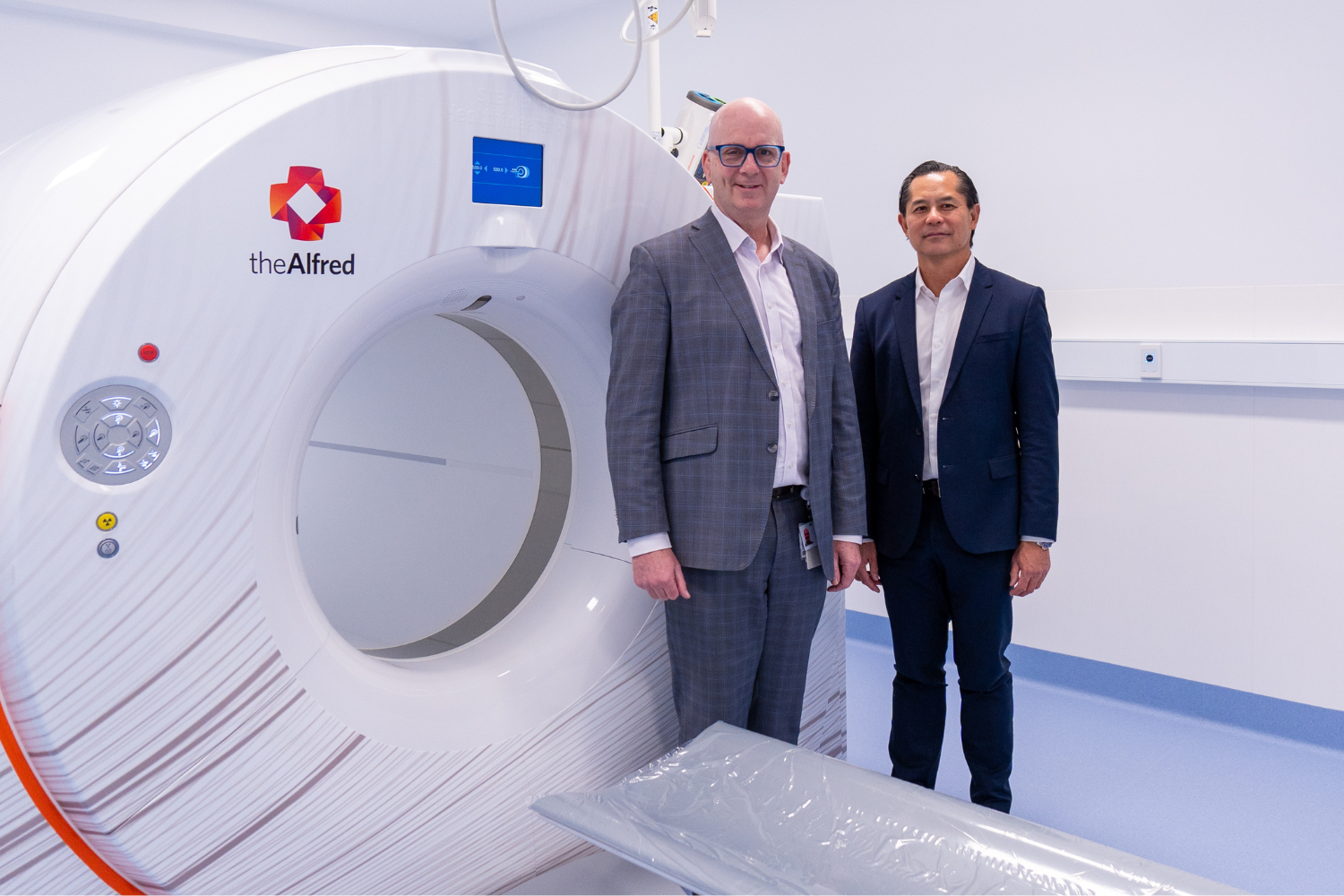 | World Leading Cancer Imaging Arrives In Victoria 18 November 2025 Victoria’s leading skin cancer specialists detect cancer earlier and get patients started on lifesaving treatment sooner with the nation’s first publicly funded Quadra PET/CT scanner arriving at The Alfred Hospital. |
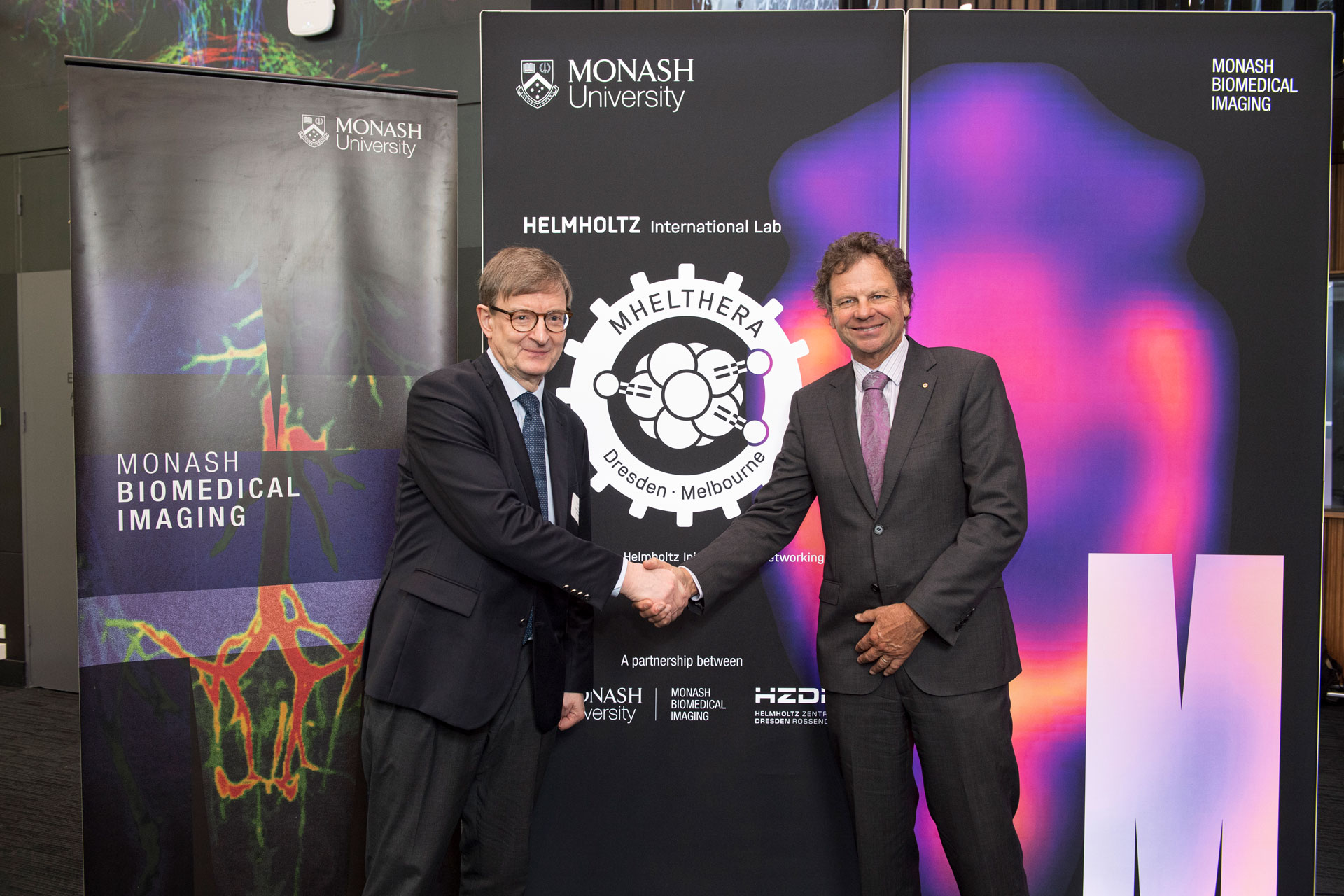 | NIF supports Australia's first Helmholtz International Lab 17 March 2023 Monash Biomedical Imaging is home to Australia’s first Helmholtz International Lab, MHELTHERA, bringing together Monash University and German research organisation HZDR to advance molecular imaging and precision medicine. NIF has invested in radiochemistry infrastructure and a new cyclotron at MBI, supporting research into innovative radiopharmaceuticals and personalised cancer therapies. |
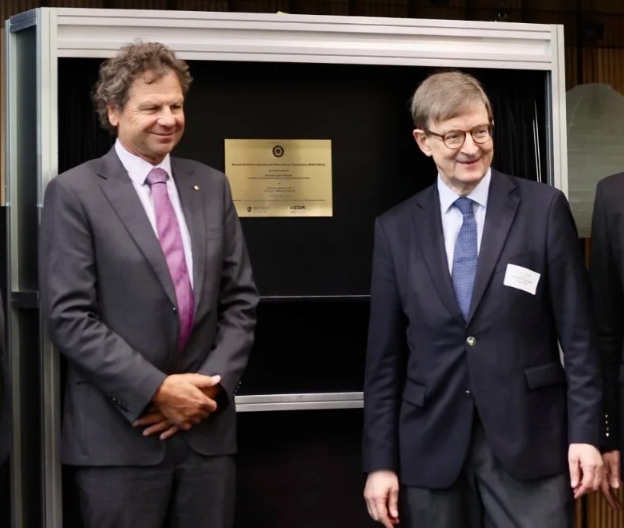 | International collaboration advancing precision medicine
Monash University has partnered with the Helmholtz-Zentrum Dresden-Rossendorf (HZDR), a member of the Helmholtz Association of German Research Centres to establish the Monash-Helmholtz Laboratory for Radio-Immuno-Theranostics (MHELTHERA) to enable clinical translation at a launch event in Melbourne today. The MHELTHERA Lab is a collaboration to optimise non-invasive imaging techniques and personalised therapy, drawing on diagnostic and therapeutic expertise in cancer, infectious and cardiac disease. |
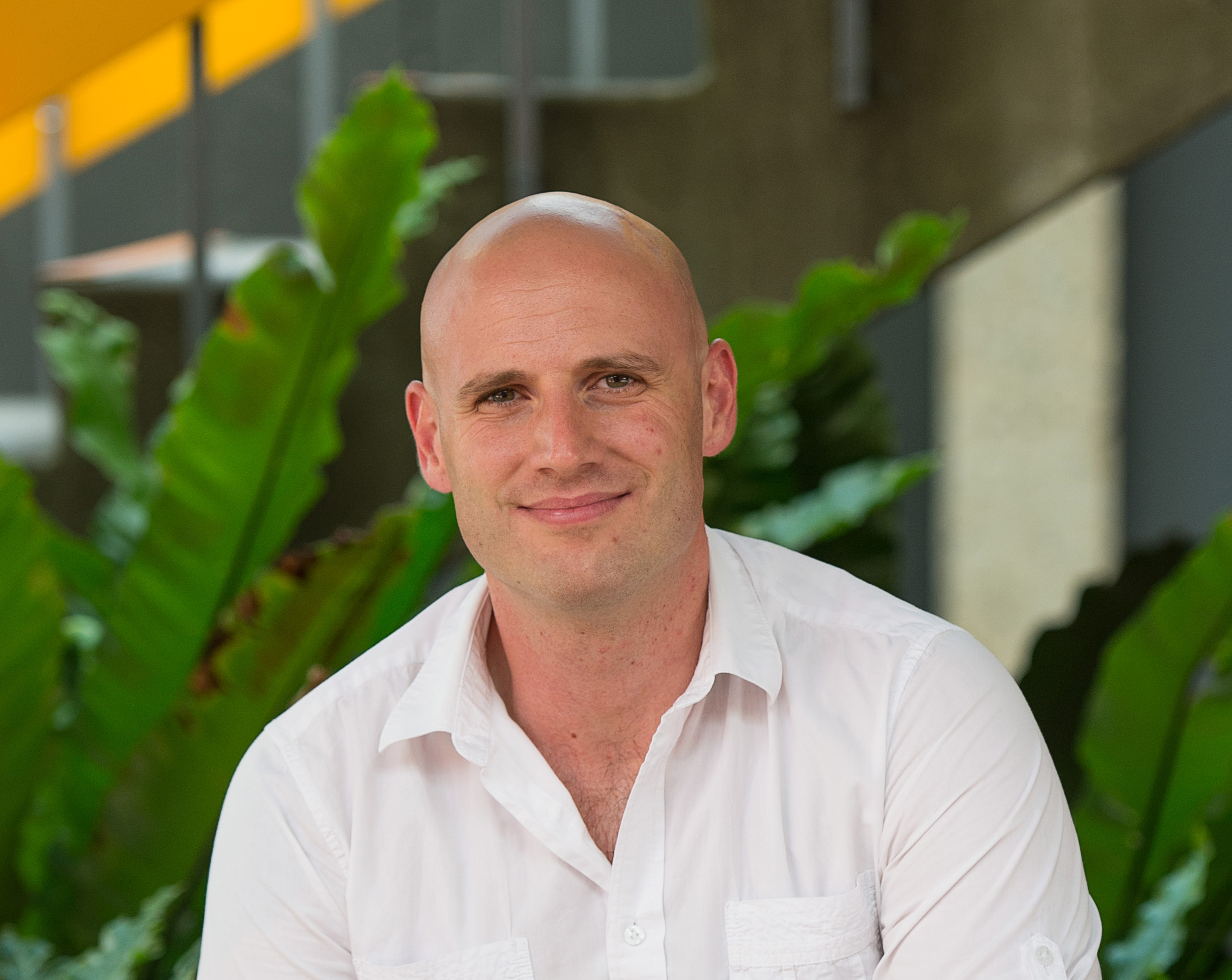 | Alex Fornito awarded ARC Laureate Fellowship 30 August 2022 We are thrilled to announce that Professor Alex Fornito has been awarded a prestigious ARC Laureate Fellowship for 5 years titled "Next-generation maps and models of the human brain". The scheme supports exceptional, world-class researchers to undertake groundbreaking and transformational research and to foster an excellent research training environment and exemplary mentorship to nurture early-career researchers. This year, in total 16 fellowships were awarded across the country, making them extremely competitive. |
 | Focused ultrasound for treating brain tumours 13 April 2022 Finding an effective treatment for brain tumours has challenged researchers for decades, partly due to the impenetrability of the Blood Brain Barrier (BBB). Focused Ultrasound (FUS) enhances drug delivery and accumulation to infiltrating tumour regions by inducing targeted, temporary disruption of the BBB. Monash Biomedical Imaging's Dr Ekatarina Salimova is using this innovative technique to find new treatment targets in preclinical models of glioblastoma. Dr Salimova and colleagues have recently published a comprehensive review paper on the current translational status of the preclinical FUS research in the Journal of Controlled Release. |
 | $71M Australian Precision Medicine Enterprise project 4 April 2022 Monash Biomedical Imaging is part of the new $71.2 million Australian Precision Medicine Enterprise (APME) facility, which brings together industry partners Global Medical Solutions Australia (GMSA) and Telix Pharmaceuticals with Monash University. The APME will deliver large-scale development and manufacturing of precision medicines and theranostic radiopharmaceuticals for industry and research. The project has received $23 million from the Australian Federal Government. A key feature of the APME project is a high-energy cyclotron with multiple production clean rooms, which will be located on the Monash Biomedical Imaging site in Clayton. This strategic co-location will facilitate radiochemistry, PET and SPECT research and clinical use of theranostic (therapeutic and diagnostic) radioisotopes produced on-site. Read the Monash University announcement. Visit the APME Website and LinkedIn. |
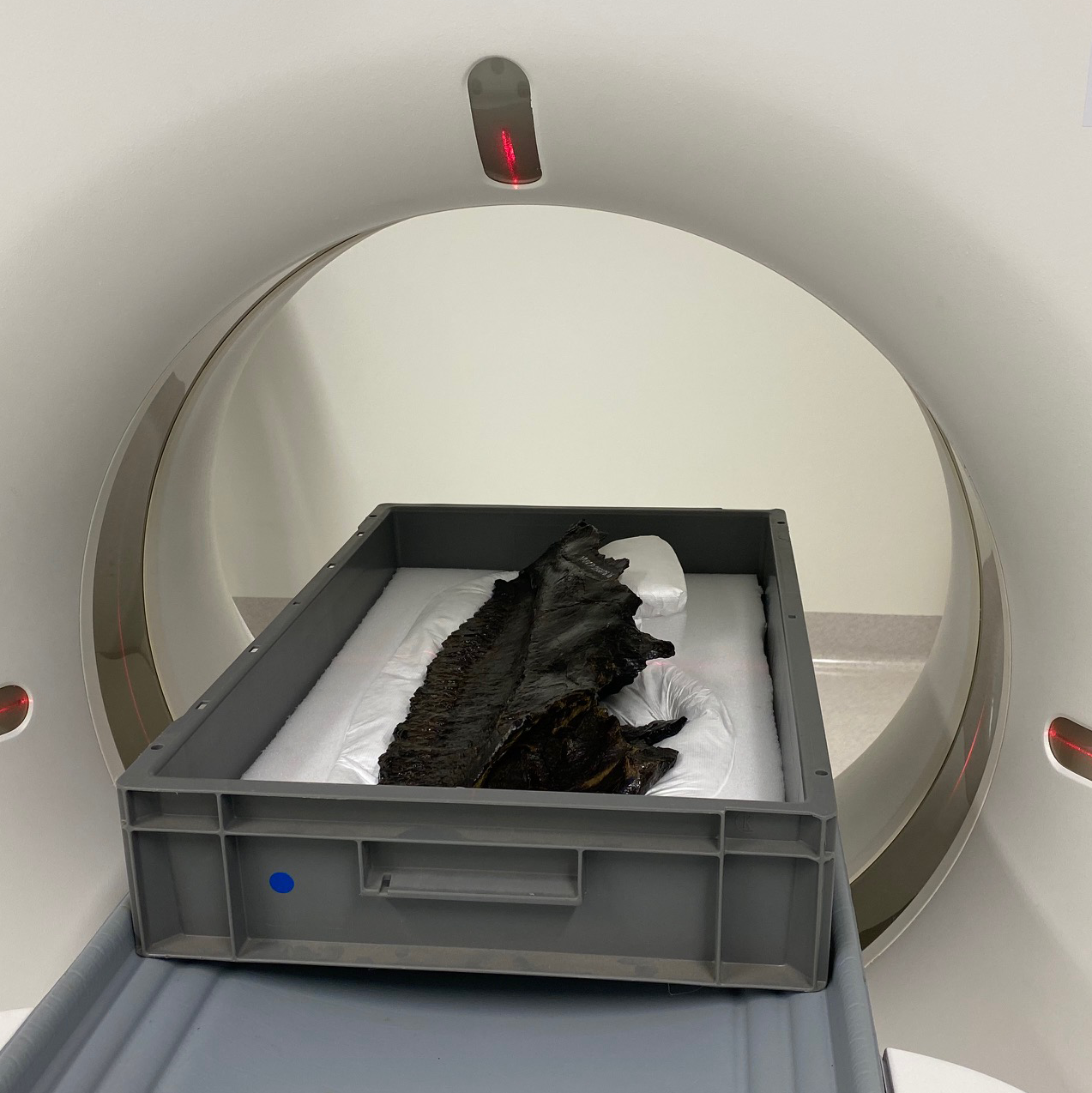 | Triceratops comes to life with CT imaging 16 March 2022 Computer Tomography (CT) scans of a 67-million-year-old Triceratops acquired at Monash Biomedical Imaging have been used to create an immersive digital experience as part of the dinosaur’s exhibition at the Melbourne Museum. Data from the scans produced by MBI’s large bore Siemens CT scanner will also be digitally archived and maintained by the Museum. |